
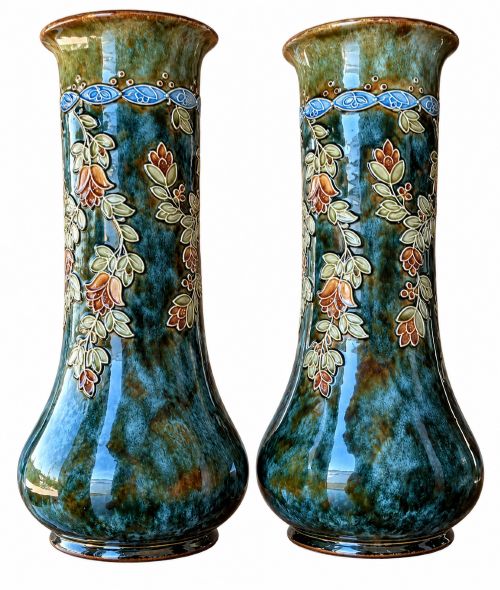
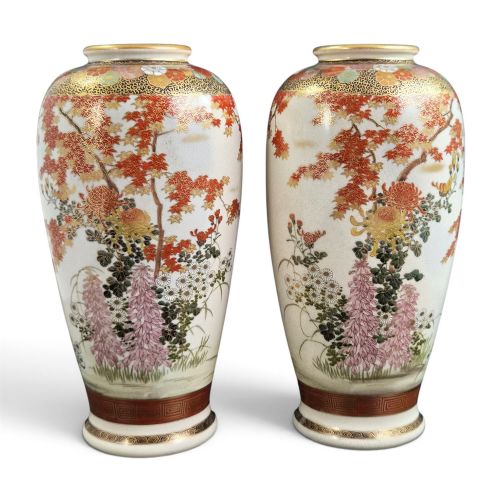
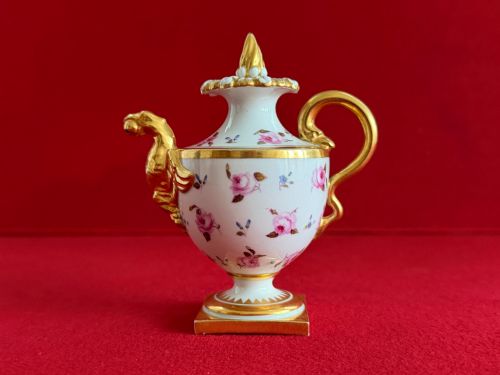
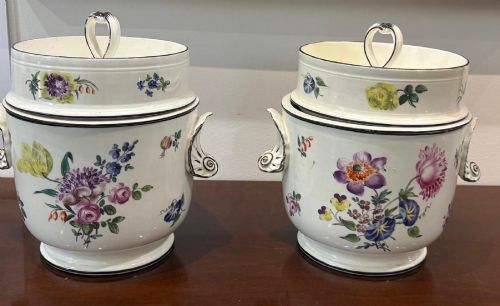
Antique Floral Ceramic Urn
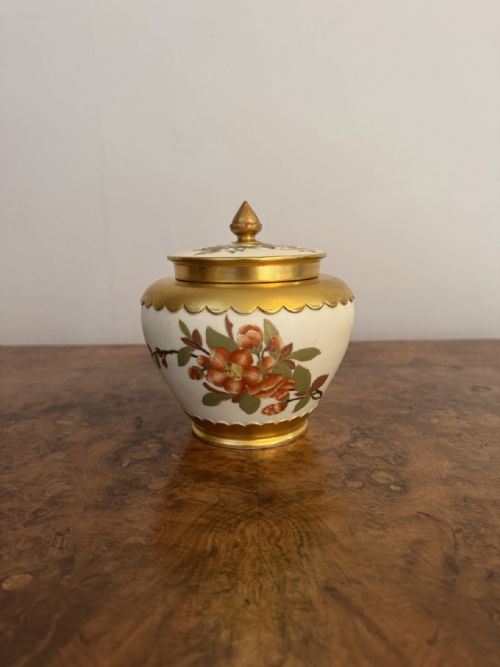
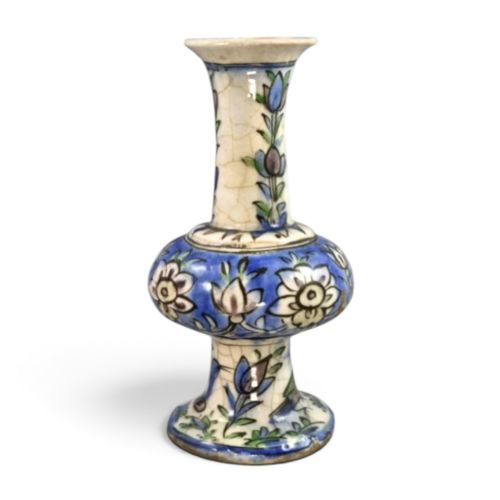
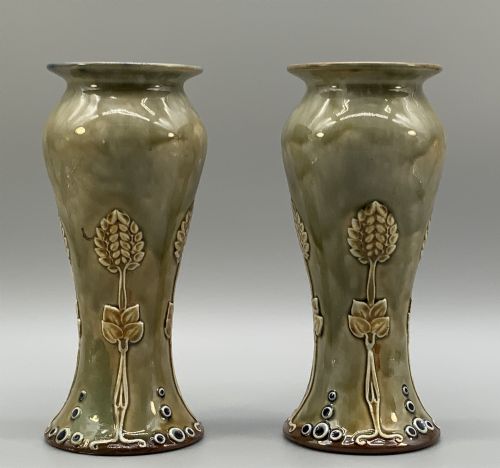
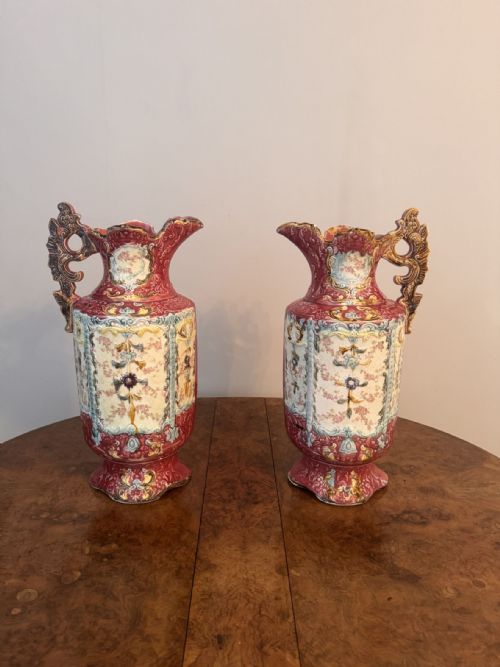
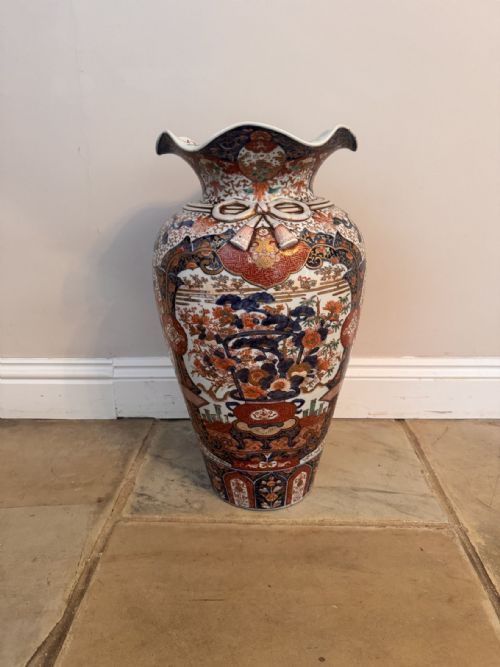
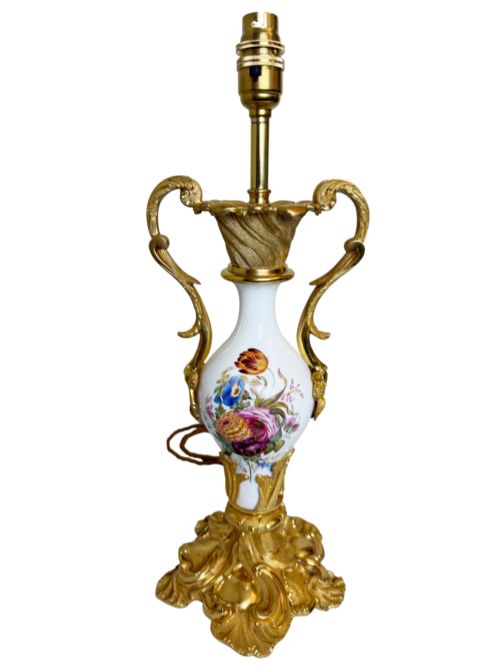
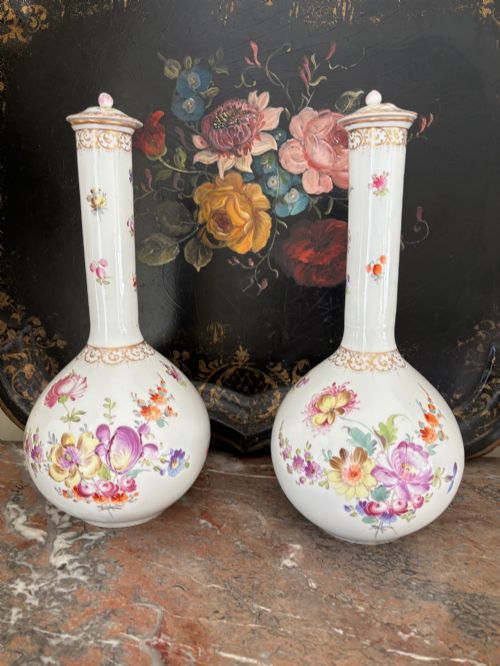
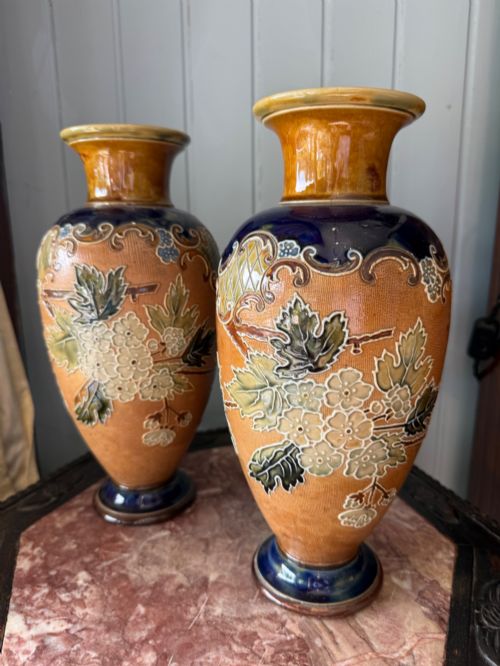
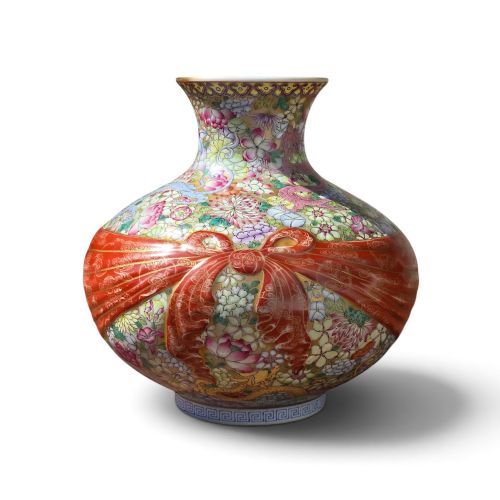
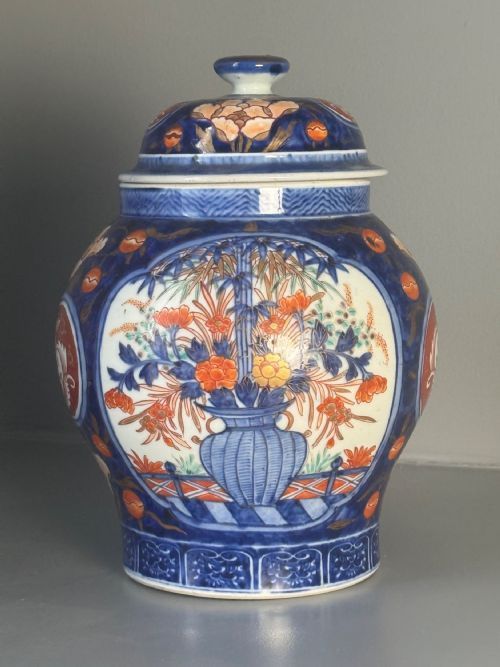
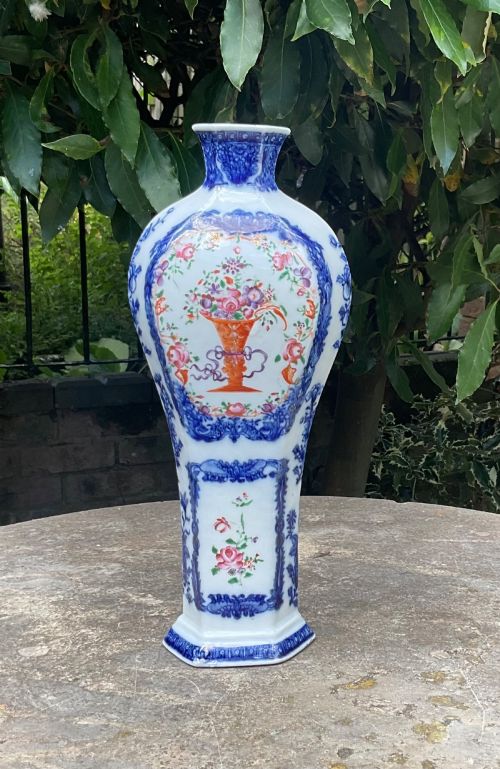
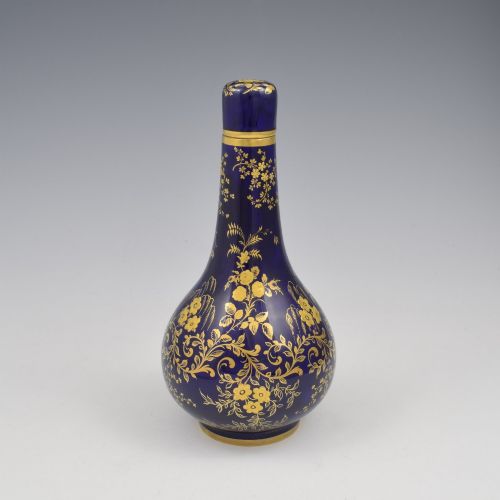
When you search for an antique floral ceramic urn, you uncover vessels shaped as vases, ewers, and ginger jars from the eighteenth century to the Edwardian era.

Antique Floral Ceramic Urn
An antique floral ceramic urn encompasses a wide array of bulbous containers, ginger jars, and decorative vases designed to hold flowers or stand alone as ornamental pieces. You will most frequently encounter nineteenth-century English and Japanese examples on this page, alongside earlier Georgian creations.
The decorative schemes span from hand-painted botanical sprays on English porcelain to Japanese Imari palettes and Persian polychrome glazes. These vessels often incorporate handles, covers, and pedestals, ranging from petite table lamps to large floor-standing display items.
Materials and Construction Techniques
Potters shaped these vessels using earthenware, stoneware, and fine porcelain, applying glazes and enamel paint to seal the ceramic bodies. Many pieces utilise hand-painted floral motifs enriched with gold leaf or gilt details.
Makers employed specialised techniques such as the Intarsio faience method, transfer printing, and delicate overglaze enamelling. Kiln firing fixed the pigments and glazes, creating the durable surfaces found on nineteenth-century stonewares and soft-paste porcelains.
Antique Floral Ceramic Urn Retail Price Guide 2026
Typical asking prices for floral ceramic urn among the pieces listed under this phrase on Sellingantiques today, from the lower quarter to the upper quarter. They describe what is for sale here now, not the wider market.
Listings feature ceramics spanning from the 18th century through the Edwardian period, executed in porcelain, earthenware, and stoneware.
Distinctions in Quality and Execution
The standard of an antique floral ceramic urn rests upon the crispness of the hand-painted brushwork and the precision of the form. Master painters achieved nuanced shading in floral petals and botanical stems, whereas lesser pieces display mechanical transfer printing or hurried decoration.
The purity of the ceramic body and the stability of the glaze further separate standard output from high-end factory productions. Well-preserved gilding and intact covers significantly elevate the integrity of a piece.
Royal Doulton·Maruni Kobe·Flight Barr And Barr·Royal Worcester·Sitzendorf·Derby Porcelain·Samson Of Paris·H And R Daniel
The Antique Floral Ceramic Urn Glossary
- Ceramic
- A manufactured object made from clay and hardened by heat. This broad category includes earthenware, stoneware, and porcelain.
- Ewers
- Large jugs featuring a wide spout and a large handle, traditionally used for holding water but frequently produced as ornamental urns.
- Imari
- A style of Japanese export porcelain decorated in underglaze blue and overglaze iron-red, gold, and green. It gained immense popularity in Europe during the nineteenth century.
- Porcelain
- A white, vitrified ceramic of high density and translucency. It requires specific kaolin clays fired at extremely high temperatures.
- Stoneware
- A heavy, dense ceramic fired at high temperatures until semi-vitrified. It is impermeable to liquids even without a glaze.
Antique Floral Ceramic Urn: Frequently Asked Questions
What were ceramic urns used for?
These vessels served various functions ranging from practical liquid containers to decorative display objects. Many were designed to hold cut flowers, potpourri, or rose water.
Larger versions stood on tables or floors purely for interior ornamentation in nineteenth-century homes, often matching side vases and centrepieces.
How do I date a ceramic urn?
Dating relies on maker marks, factory stamps, stylistic cues, and material composition. Nineteenth-century pieces frequently bear registration diamonds or specific factory ciphers on the base.
Comparing the floral painting style and colour palette to documented periods helps narrow down the decade of production.
Are these urns waterproof?
Many glazed ceramic and porcelain urns hold water safely, particularly stoneware and hard-paste porcelain vessels. However, pieces with historic repairs or delicate overglaze enamels require careful handling.
Earthenware and porous bodies benefit from liners if utilised for fresh floral displays to protect the antique interior.
How should I display my urn?
Place your vessel on stable, level surfaces away from heavy foot traffic to prevent accidental knocks. Consider lighting that highlights hand-painted botanical details and gilt highlights.
Keep ceramic pieces out of direct, prolonged sunlight to preserve the vibrancy of enamel pigments and gold leaf.