
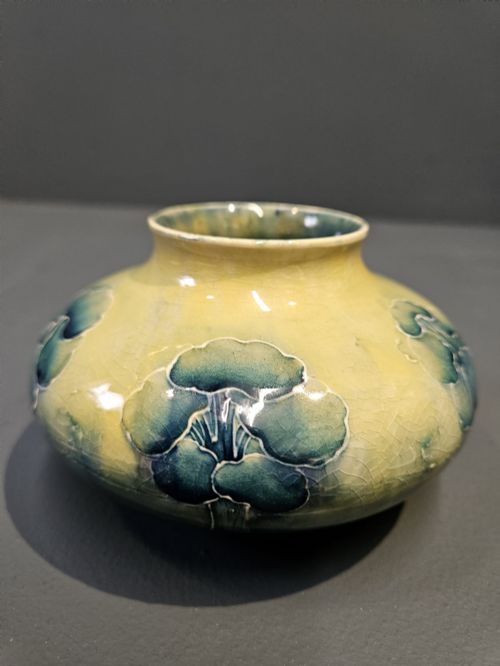
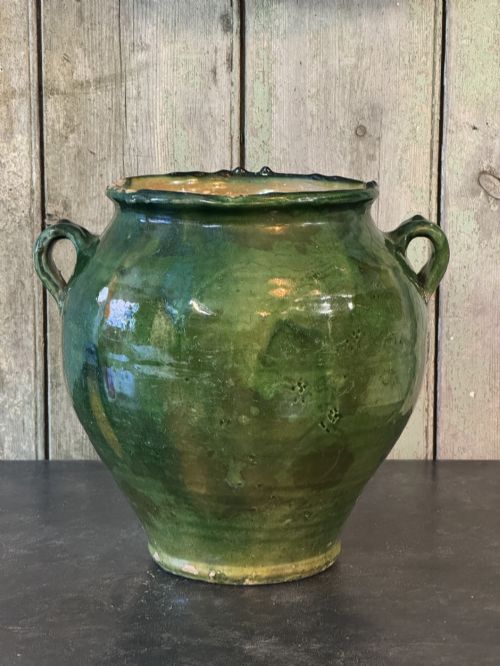
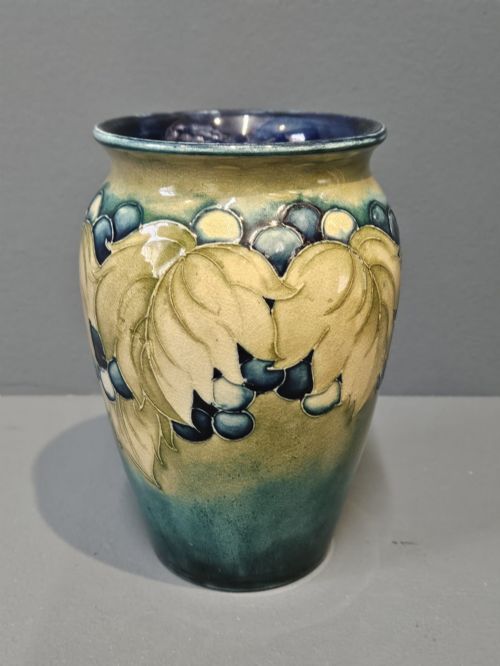
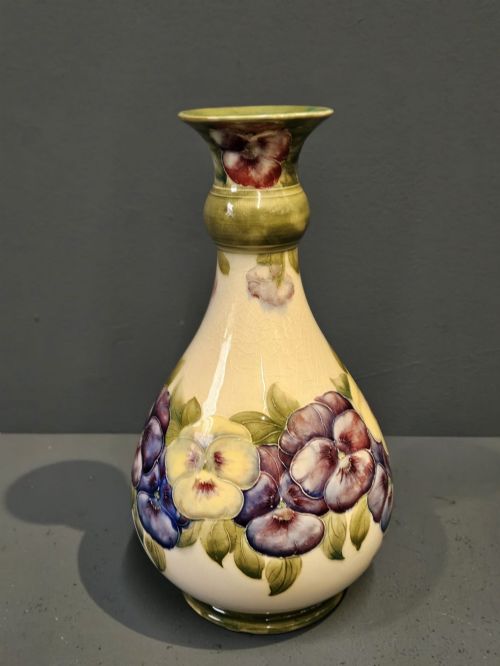
Green Glazed Ceramic Vase
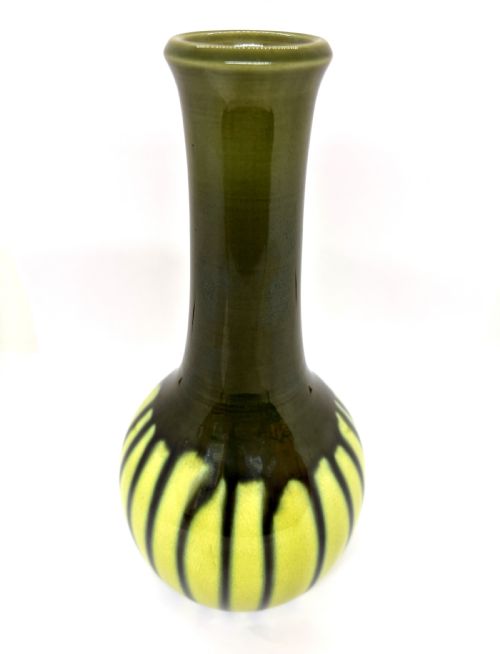
A green glazed ceramic vase brings rich botanical colour and glossy tactile depth to a room, drawing the eye through its varied historic forms.
Green Glazed Ceramic Vase
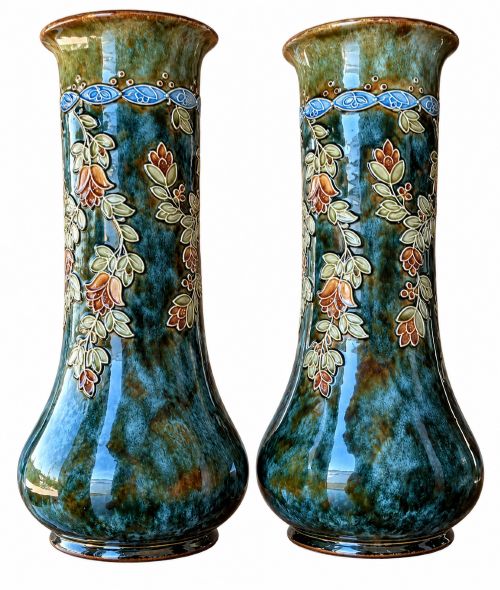
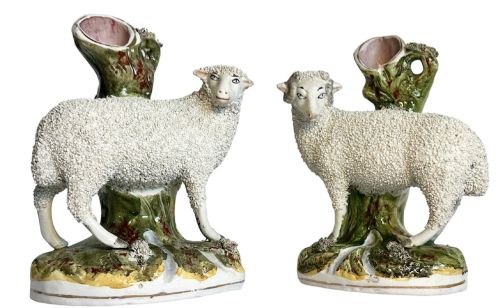
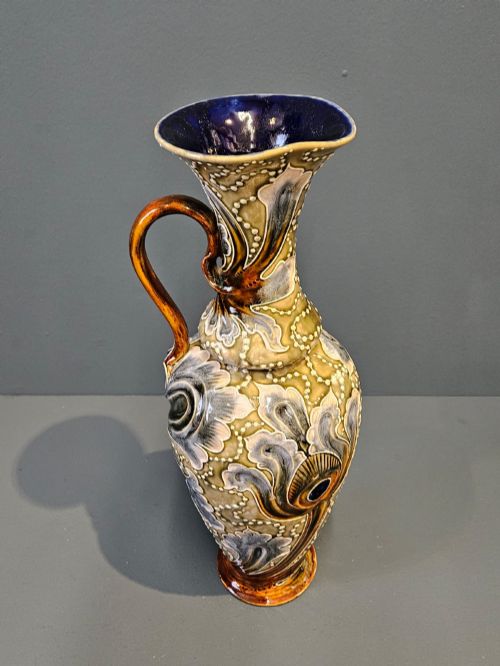
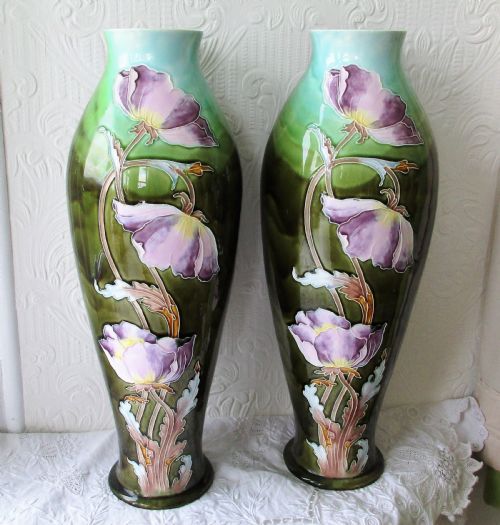
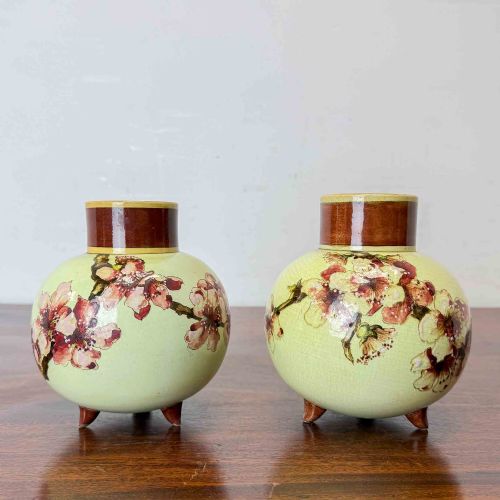
A green glazed ceramic vase encompasses vessels shaped from earthenware, stoneware, and porcelain, finished with monochrome or lustre glazes across distinct historic periods. Buyers browsing this page encounter everything from Victorian Staffordshire spill vases and French confit pots to elaborate Art Nouveau stoneware and studio pottery.
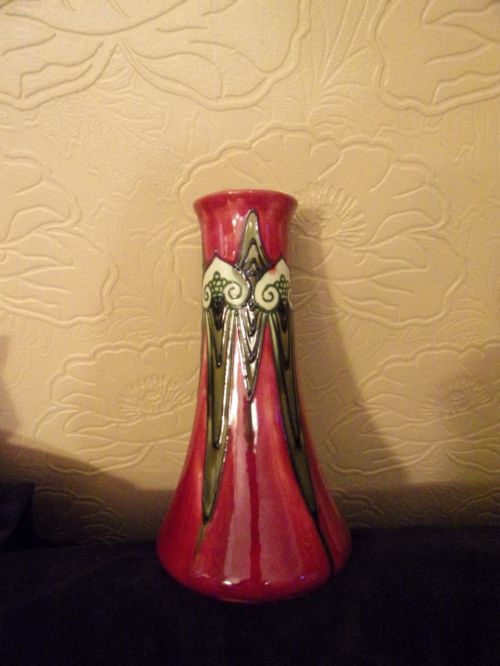
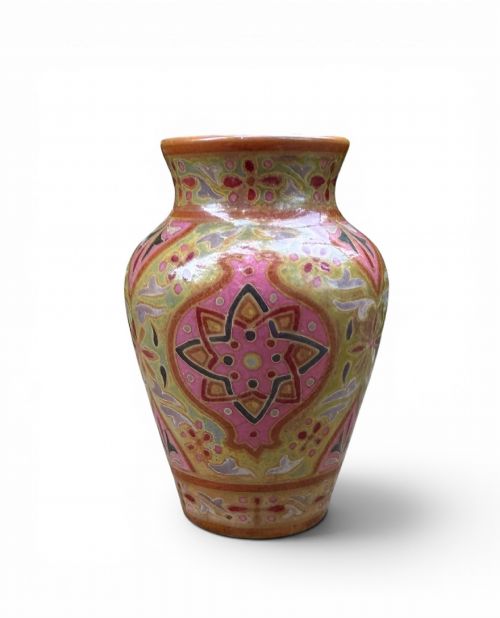
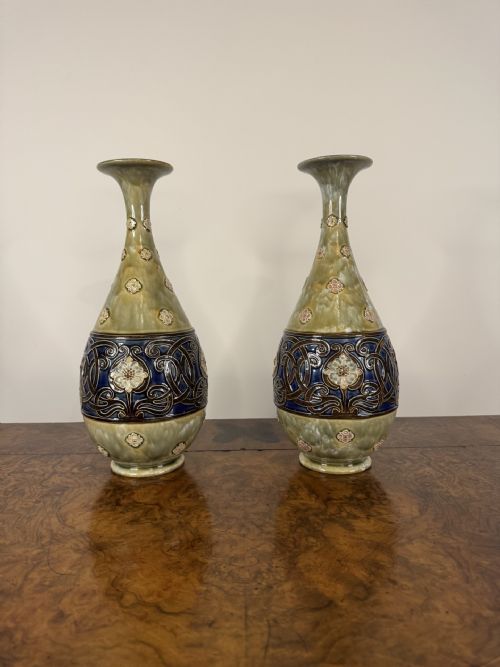
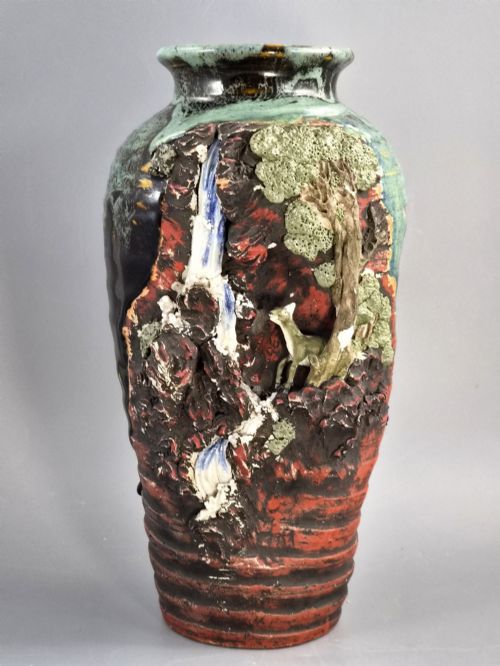
The selection ranges widely in form and origin, spanning English factories like Doulton Lambeth and Moorcroft alongside continental majolica, Japanese Meiji pieces, and Chinese celadon wares. These vessels serve practical holding roles as well as purely decorative functions within a domestic interior.
How they were made
Makers shaped these vessels using traditional throwing and moulding techniques in earthenware, stoneware, terracotta, and porcelain. Potters then applied diverse surface treatments, including tube-lined designs, hand-painted enamels, and heavy liquid slips before firing.
The characteristic green surfaces rely on specialised glazes, ranging from deep celadon and tea dust coatings to mottled lead glazes and lustrous metallic finishes. These chemical compounds interact with kiln heat to produce the rich tone defining the type.
Green Glazed Ceramic Vase Retail Price Guide 2026
Typical asking prices for green glazed ceramic vase among the pieces listed under this phrase on Sellingantiques today, from the lower quarter to the upper quarter. They describe what is for sale here now, not the wider market.
Listings feature periods spanning from the 17th century through the Edwardian era, incorporating both English studio pottery and continental stonewares.
What varies in quality
Quality rests primarily upon the precision of the potter's form and the depth of the glaze finish, distinguishing standard commercial production from master studio works. The crispness of moulded relief, the harmony of tube-lined motifs, and the successful control of runny green glazes reveal the maker's skill.
Provenance and documented authorship elevate certain examples, particularly signed studio pieces and marked factory productions from renowned designers. The integrity of the ceramic body and the preservation of the original glaze surface anchor the overall merit of each piece.
Royal Doulton Lambeth·Moorcroft·Burmantofts Pottery·Sir Edmund Harry Elton·Ulisse Cantagalli·Makuzu Kozan·Richard Joyce
The Green Glazed Ceramic Vase Glossary
- Celadon glaze
- A transparent green glaze over a pale body, originating in East Asia. It creates a subtle jade-like finish that accentuates underlying carved or moulded details.
- Stoneware
- A robust, vitrified ceramic fired at high temperatures until non-porous. This material allows for heavier architectural forms and rich salt-glazed or slip-decorated surfaces.
- Spill vase
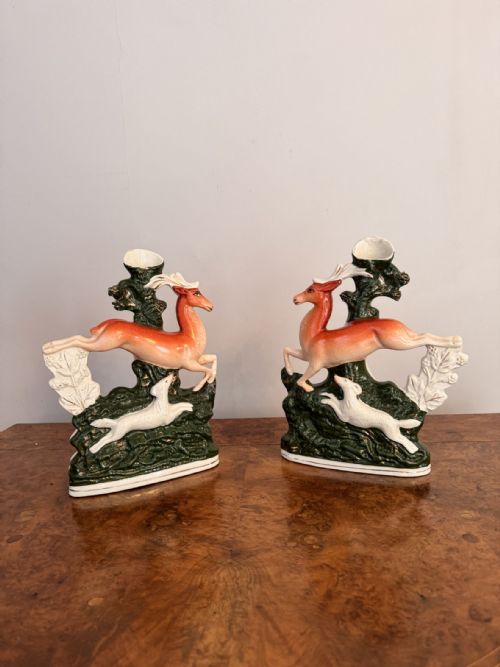
- A small vertical vessel designed to hold thin wooden spills for lighting candles and fires. Victorian examples often incorporate sculptural animal figures or architectural motifs.
- Majolica
- Tin-glazed earthenware decorated with brightly coloured metal oxide paints over an opaque white ground. The technique produces a glossy, vibrant surface popular during the nineteenth century.
- Tube-lining
- A decorative ceramic technique where fine lines of clay slip are squeezed from a bulb onto the vessel body to outline patterns. This creates raised barriers that hold distinct pools of coloured glaze during firing.
Green Glazed Ceramic Vase: Frequently Asked Questions
How do I style a green glazed ceramic vase at home?
Place a substantial stoneware or earthenware vessel on a wooden sideboard or mantelpiece where natural light catches the gloss of the glaze. Let the piece stand alone as a sculptural focal point or pair it with dried botanicals that complement the earthy green tones.
Avoid overcrowding the surrounding space so the historic form and colour remain prominent. Smaller spill vases work well on bookshelves or desks, adding a touch of period character to everyday corners.
What is the difference between earthenware and stoneware vases?
Earthenware is fired at lower temperatures, producing a porous body that requires a complete glaze to hold water effectively. Stoneware reaches higher kiln temperatures, vitrifying the clay into a dense, waterproof material that resists heavy wear.
Stoneware pieces often feel heavier and more industrial, while earthenware allows for softer, more porous historic bodies found in nineteenth-century confit pots and majolica.
Can I use antique ceramic vases for fresh flowers?
Many nineteenth-century and older glazed vessels hold water safely, but porous earthenware or pieces with hairline cracks require care. Use a small glass insert inside delicate studio pottery or antique spill vases to protect the historic interior from moisture.
Check the base of unglazed or historic earthenware before filling, as subtle seepage can occur through older clay bodies over extended periods.
How do I identify Art Nouveau characteristics on these vases?
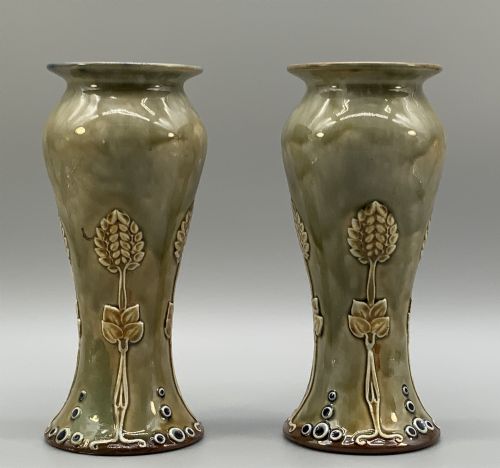
Look for fluid, asymmetrical plant motifs, whiplash lines, and stylized floral patterns inspired by natural organic growth. Doulton Lambeth and continental makers frequently embraced these flowing contours alongside mottled green colourways.
The integration of tube-lined flower stems and swelling baluster shapes often points directly to the aesthetic preferences of the late nineteenth and early twentieth centuries.