

Antique Faience Pottery
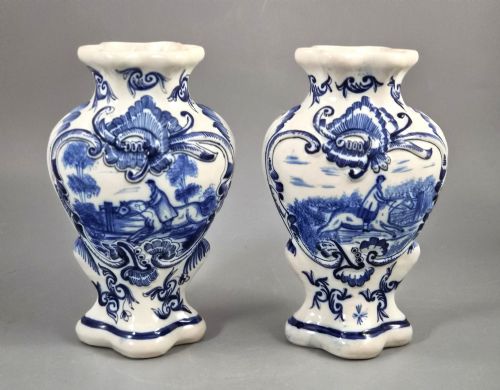
Antique faience pottery brings tin-glazed earthenware into the home, offering hand-painted blue and white vessels and polychrome dishes from centuries past.
Antique Faience Pottery
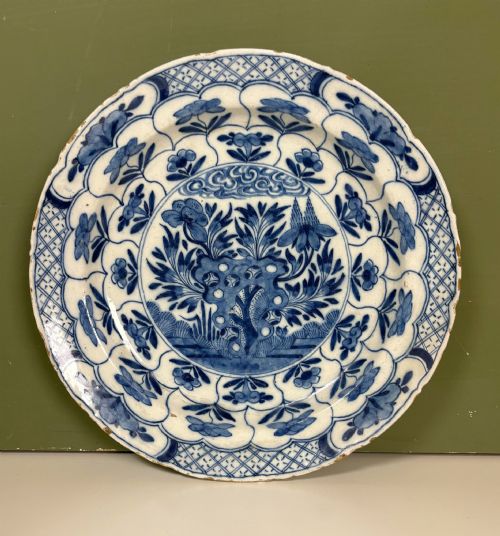
Antique faience pottery encompasses tin-glazed earthenware objects from the seventeenth, eighteenth, and nineteenth centuries, spanning domestic vessels and decorative items. Buyers searching this phrase encounter English, Dutch, French, Spanish, and Italian wares created in distinct regional workshops.
Materials and construction
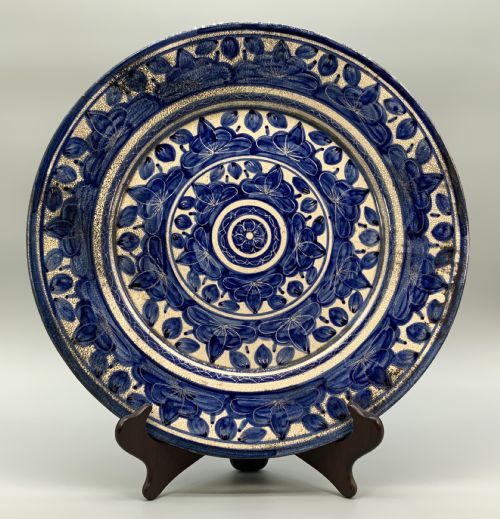
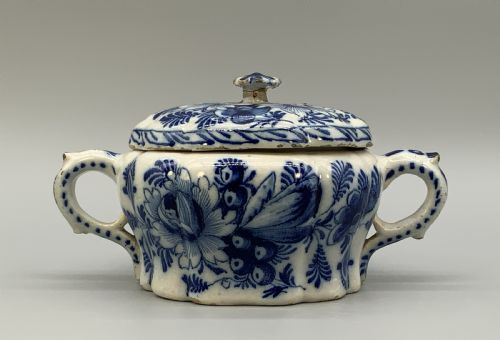
Makers formed these objects from earthenware bodies, coating them in an opaque tin glaze that provided a smooth white ground for painting. Artisans applied cobalt pigment and other mineral colours directly onto the unfired or raw glaze, allowing the metallic oxides to absorb into the surface during the kiln firing.
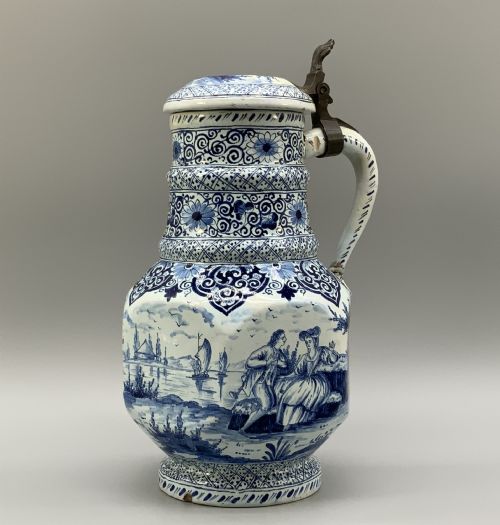
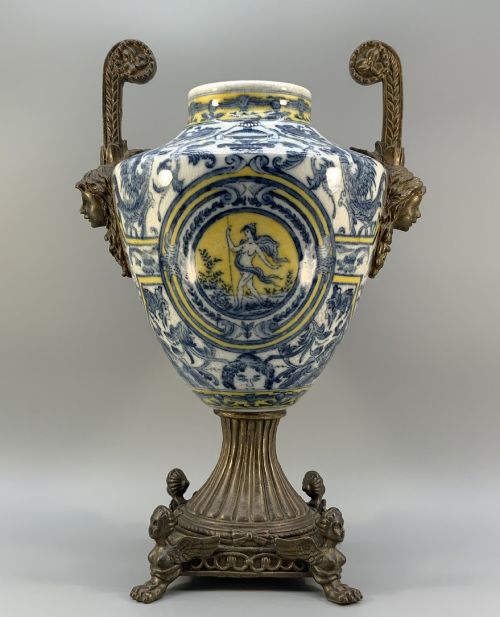
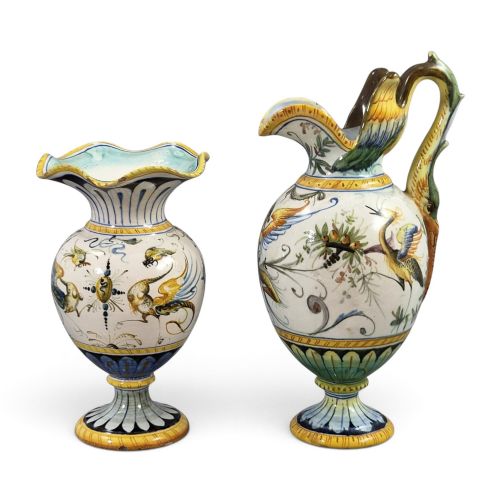
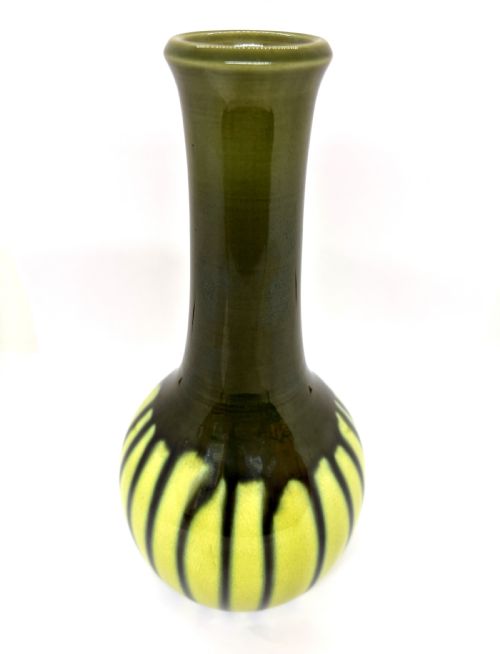
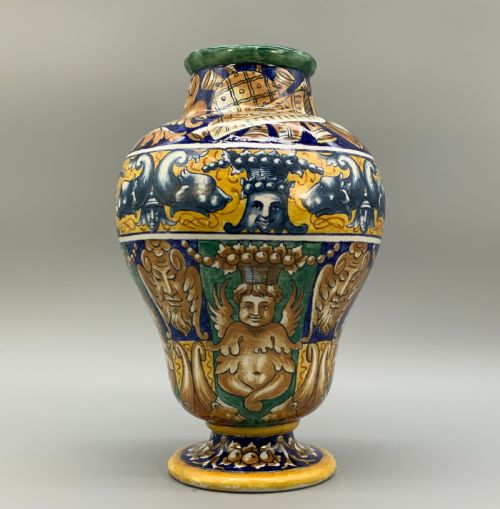
Many examples incorporate secondary elements such as pewter lids on jugs or bronze mounts on nineteenth-century revival vases. Hand-throwing on the potter's wheel or pressing into moulds produced the foundational shapes before glazing and hand decoration took place.
Among the creatures preserved in tin glaze are ceramic cows standing ready for seventeenth-century milk duties.
Distinctions in quality
Quality rests on the crispness of the hand-painted brushwork, the evenness of the tin glaze, and the sophistication of the regional form. Superior pieces display confident, detailed brush strokes and balanced compositions rather than rushed or repetitive decoration.
The clarity of the glaze and the stability of the fired body set apart finer works, where kiln placement avoided excessive pooling or dry patches. Historical significance and documented pottery marks, such as those from specific French or English makers, elevate individual examples.
Fourmaintraux Courquin·Cantagalli Florence·Doulton Lambeth·HB Quimper·Gien Faience
The Antique Faience Pottery Glossary
- Tin Glaze
- An opaque white glaze containing tin oxide applied to earthenware pottery. This technique creates a smooth surface suited for holding painted pigments.
- Polychrome
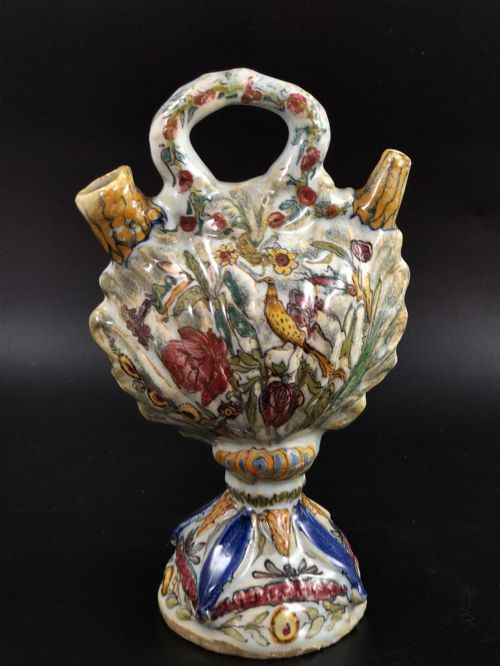
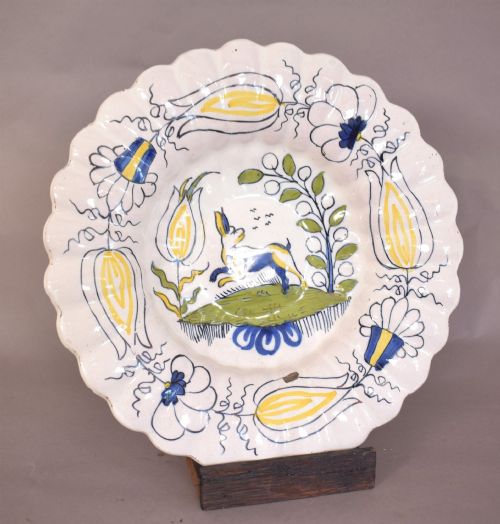
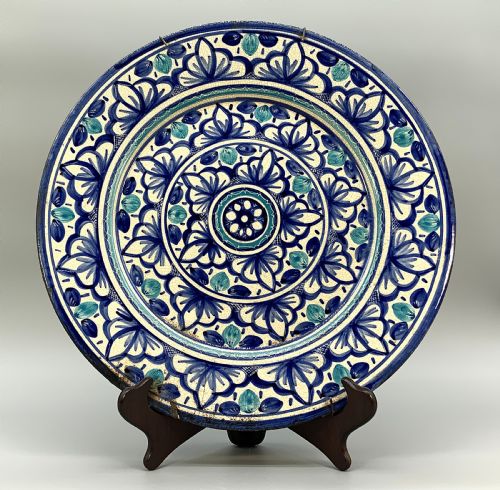
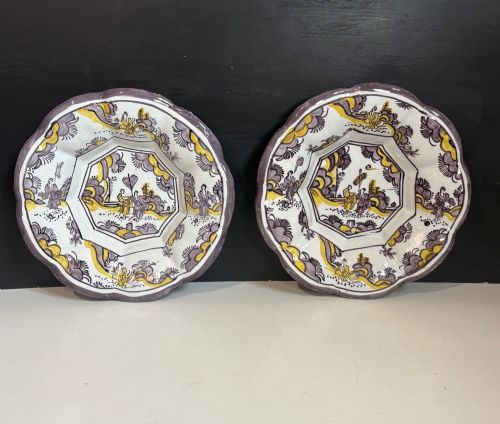
- Decoration employing multiple colours rather than a single hue. In these ceramics, artists used yellow, manganese purple, and green alongside cobalt blue.
- Charger
- A large decorative plate intended for display on a wall or dresser. These pieces often feature elaborate painted scenes or geometric borders.
- Posset Pot
- A multi-handled vessel used for serving a traditional hot drink of spiced milk curdled with wine or ale. Examples from the seventeenth century feature applied ear handles and spout forms.
Antique Faience Pottery: Frequently Asked Questions
How do I clean antique faience pottery?
Dust these tin-glazed pieces gently with a dry, soft cloth to protect the historic surface. Avoid using water or liquid cleaners, as moisture can penetrate old earthenware bodies and existing glaze cracks.
Keep the items away from direct sunlight and damp environments to preserve the integrity of the ceramic and the painted decoration.
Are these pieces food safe?
Historic tin-glazed earthenware should not be used for serving food or drink today. The porous ceramic body and older glaze compositions are unsuited for modern culinary use.
Display these vessels on shelves, mantels, or inside cabinets where their historical glazes and hand-painted designs remain visible.
How can I tell Dutch Delft from French faience?
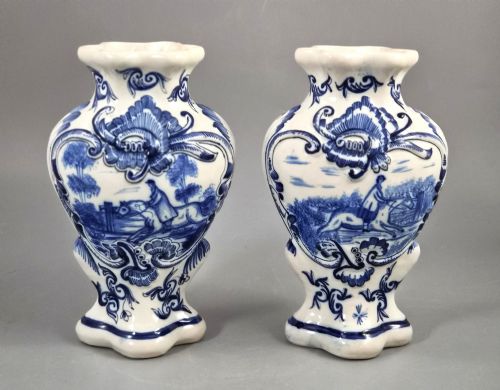
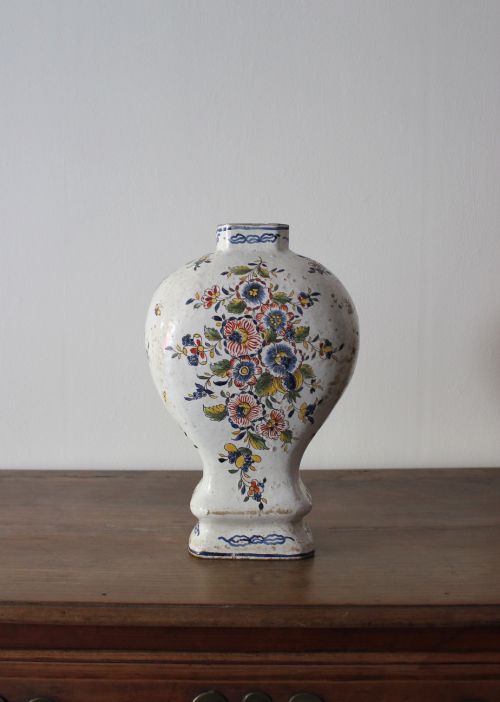
Dutch Delft traditionally focuses on blue and white maritime scenes, floral sprays, and Chinese-inspired motifs influenced by imported porcelain. French faience from centres like Quimper or Desvres frequently incorporates regional figures, brighter polychrome palettes, and distinct maker marks.
Examining the base and the style of the brushwork often reveals the specific European tradition behind the piece.
What is the difference between majolica and faience?
Both terms describe tin-glazed pottery, though regional naming conventions vary by origin. Majolica typically refers to Italian and revival wares, while faience commonly denotes French and broader European tin-glazed earthenware.
The underlying production method involving a tin-oxide glaze over an earthenware base remains shared across both categories.