


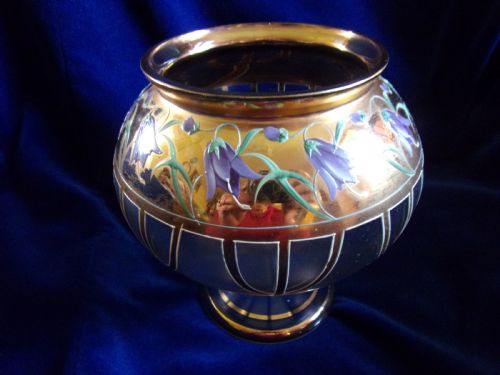


Art Nouveau Floral Urn
An art nouveau floral urn brings sweeping organic lines and botanical motifs into a room, offering both decorative presence and historical charm.
Art Nouveau Floral Urn
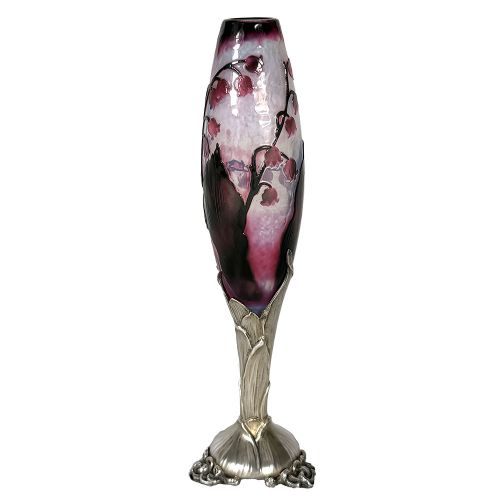
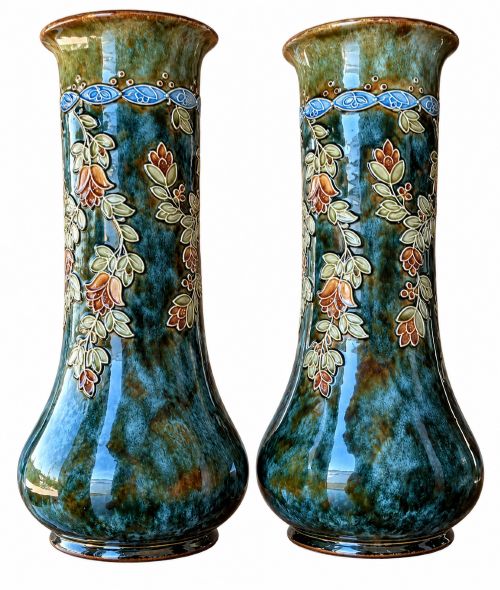
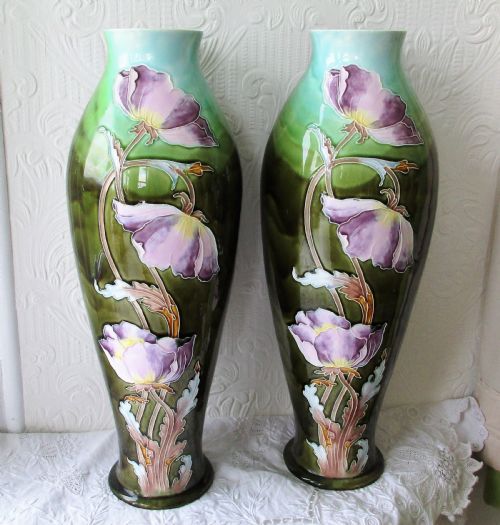
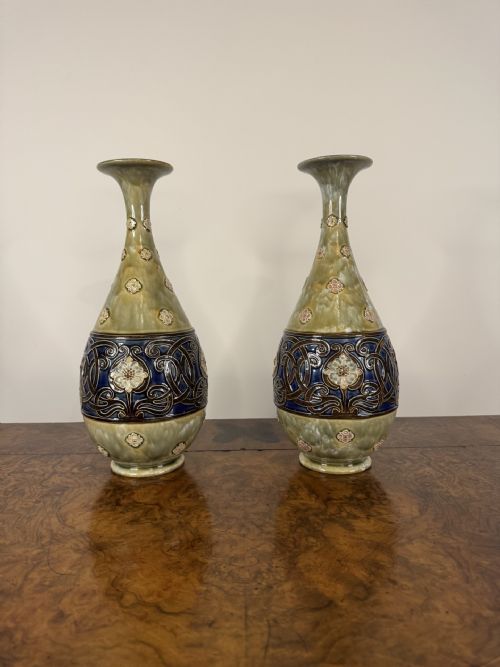
An art nouveau floral urn combines flowing vegetal designs with the characteristic curves of the movement, spanning periods from the late nineteenth century into the twentieth century. These pieces appear most frequently as ceramic vessels, stoneware jars, and porcelain vases produced by prominent European potteries.
Makers shaped these vessels into decorative vases, jardinieres, and baluster forms, incorporating stylised plant motifs and floral patterns. Collectors meet examples ranging from English stoneware and French faience to Austrian porcelain.
The aesthetic bridges late Victorian design with early twentieth-century modernism, encompassing Arts and Crafts sensibilities alongside Secessionist and Belle Epoque styles. Each piece reflects the organic asymmetry and natural forms that define the period.
Materials and production methods
Potters and glassmakers utilised diverse media including stoneware, earthenware, porcelain, and glass, often enriched with glaze, enamel, and gold leaf. Metal elements such as copper, bronze, and pewter overlay appear on select pieces to add structural contrast and tactile depth.
Techniques ranged from thrown ceramic bodies with handpainted or slip-decorated floral motifs to cameo glass and specialised glaze applications. Workshops employed specialised firing processes to achieve deep cobalt blues, crystalline finishes, and metallic lustres.
Certain botanical urns feature tiny ceramic beetles climbing the glazed handles to escape the floral chaos.
Distinguishing quality in period pieces
The distinction between standard production and superior execution lies in the crispness of the modelled relief and the precision of the handpainted or enamelled details. Master decorator input, visible in signed works or recorded designer attributions, elevates a piece significantly.
Form and balance dictate the architectural success of the vessel, where harmonious proportions complement the fluidity of the botanical ornament. The depth of the glaze chemistry and the retention of delicate surface gilding or metal overlays complete the assessment.
Royal Doulton·Loetz Witwe·Ernst Wahliss·William Moorcroft·Minton
The Art Nouveau Floral Urn Glossary
- Baluster
- A tall ceramic or stone vessel form characterised by a swollen body and a narrower neck. This shape provides an expansive canvas for flowing floral motifs.
- Faience
- Tin-glazed earthenware originating from European traditions, offering an opaque white ground for handpainted botanical decoration. The technique allows vibrant surface colours to fuse with the underlying glaze.
- Jardiniere
- A large ornamental pot or stand designed to hold growing plants or cut floral arrangements. These vessels often feature three handles or substantial proportions.
- Secessionist
- A stylistic offshoot of the broader movement, emphasising geometric abstraction combined with organic plant forms. Pieces in this idiom display structured linearity alongside traditional floral themes.
- Stoneware
- A dense, impermeable ceramic fired at high temperatures, favoured by major potteries for durability and rich glaze absorption. It forms the robust structural body for many decorative urns.
Art Nouveau Floral Urn: Frequently Asked Questions
How do I clean an antique ceramic urn?
Dust the surface gently with a dry, soft-bristled brush to protect delicate glazes and aged finishes from abrasive particles.
Avoid submerging pieces with metallic overlays or vulnerable enamels in water, wiping them instead with a damp cloth if cleaning is necessary.
Where should I display a large floral urn?
Position the vessel on a sturdy sideboard, pedestal, or mantelpiece where its vertical proportions and botanical details command visual attention.
Keep pieces away from direct sunlight to preserve the integrity of handpainted enamels and gold leaf highlights over time.
How can I tell a true period piece apart?
Examine the base for manufacturer marks, impressed pottery numbers, and artist signatures that correspond to recorded production eras. The weight, material density, and hand-finished imperfections offer further clues to genuine period manufacture.
Study the style of the floral decoration, as authentic pieces integrate plant motifs with the distinct asymmetrical flow characteristic of the movement.
Were these vessels used for actual flowers?
Many jardinieres and vases served a dual purpose as functional containers for fresh blooms or potted greenery within the home.
Larger decorative urns functioned primarily as sculptural display pieces to enhance interior aesthetics without holding plants.