
Antique Ceramic Urns Pair
These antique ceramic urns pair selections bring balanced display and historical depth to interiors through matching vessels shaped in porcelain, earthenware, and stoneware.
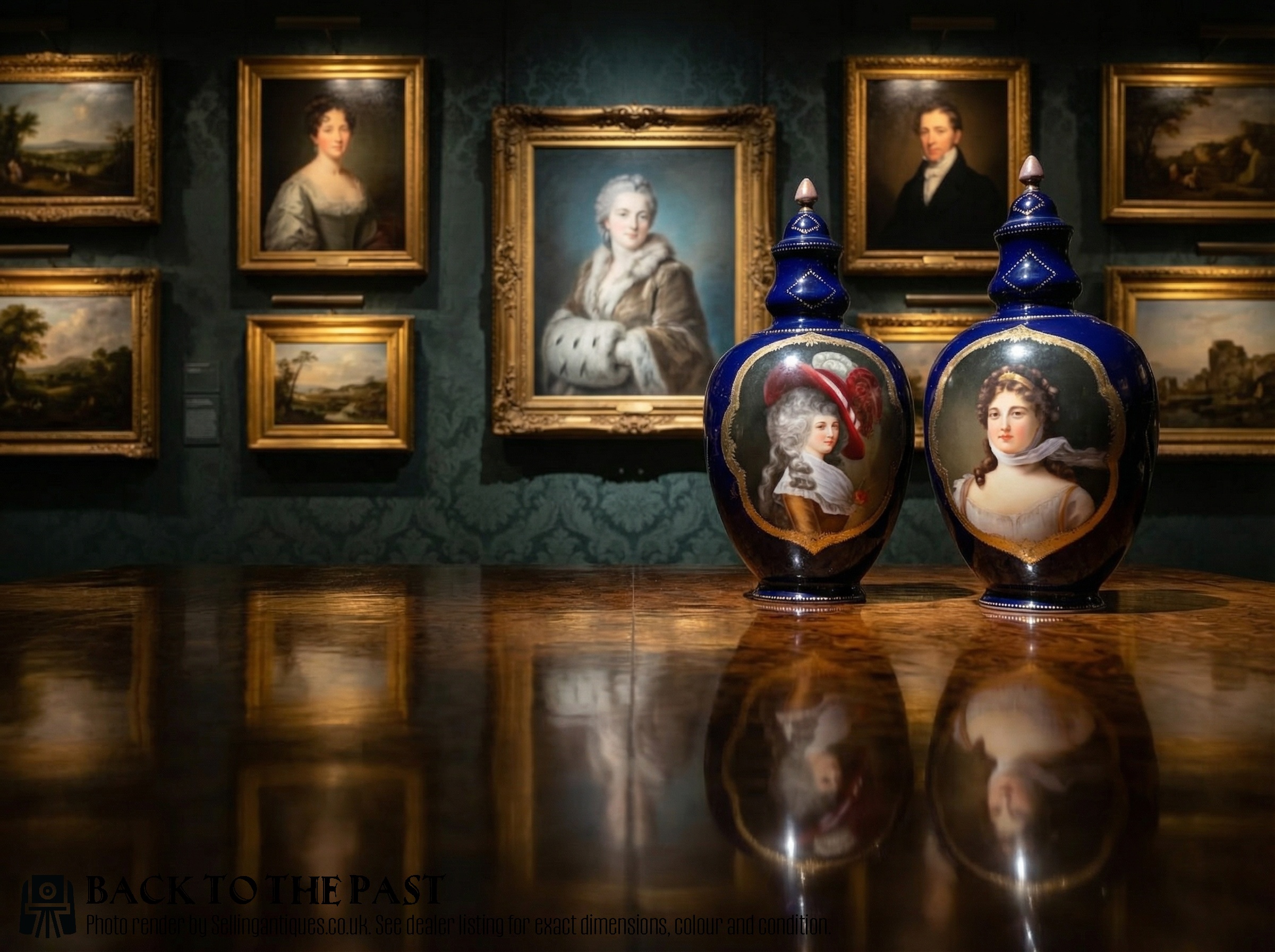
Antique Ceramic Urns Pair
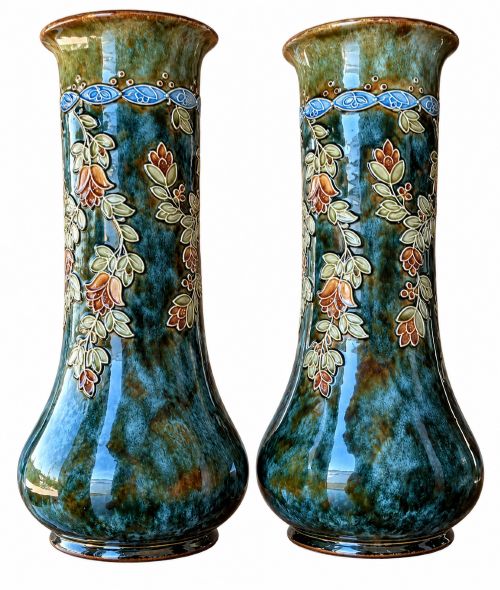
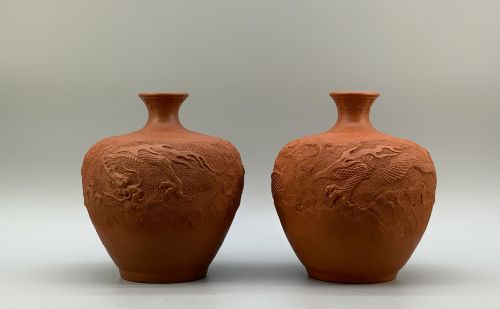
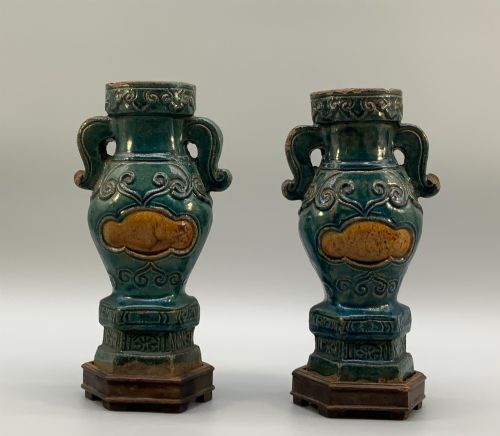
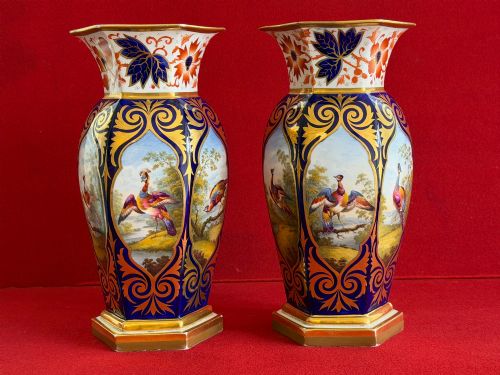
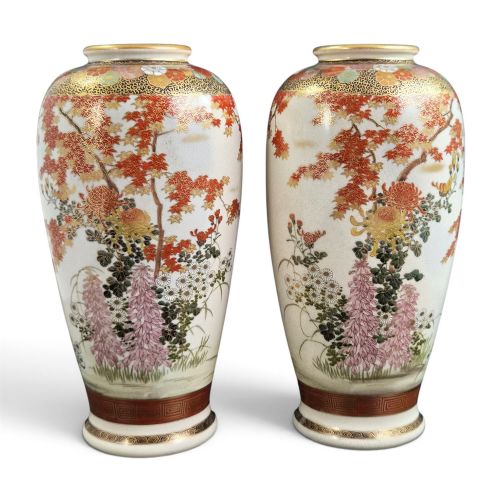
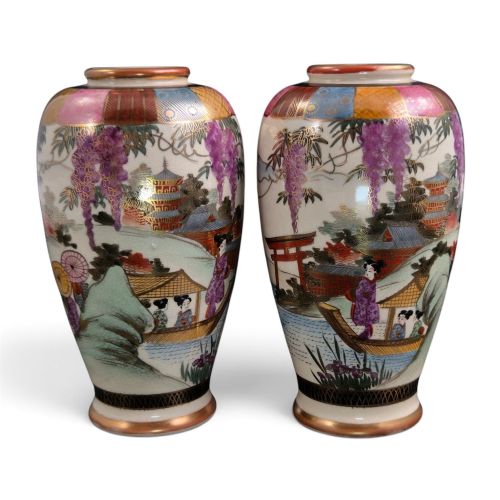
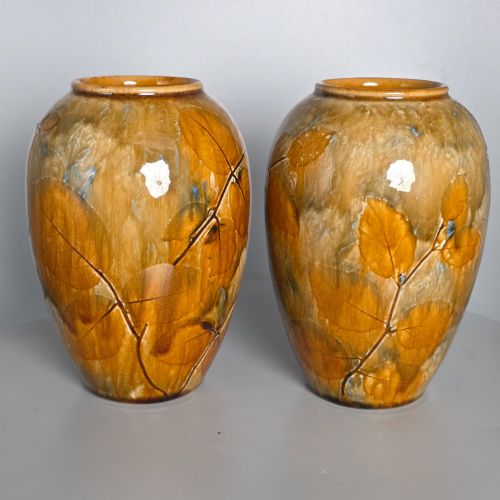
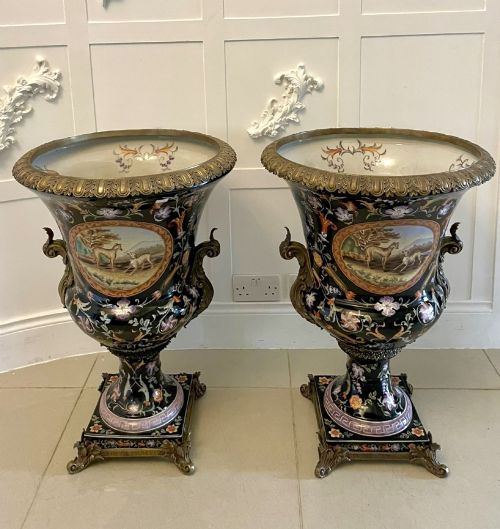
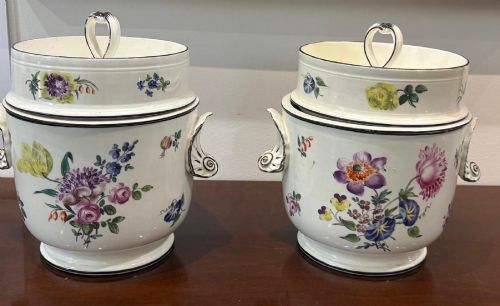
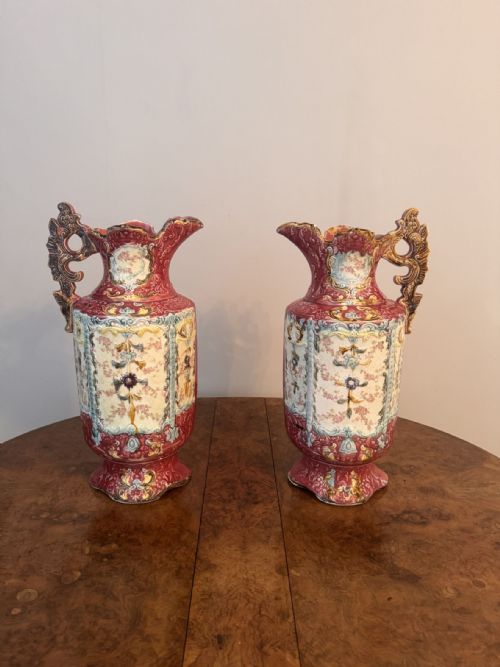
When searching for an antique ceramic urns pair, buyers encounter matching vessels intended for symmetrical placement on mantelpieces, consoles, or pedestals. These objects emerge from the 19th Century, Regency, and Edwardian periods, manifesting in forms such as baluster vases, jardinieres, ice pails, and covered jars.
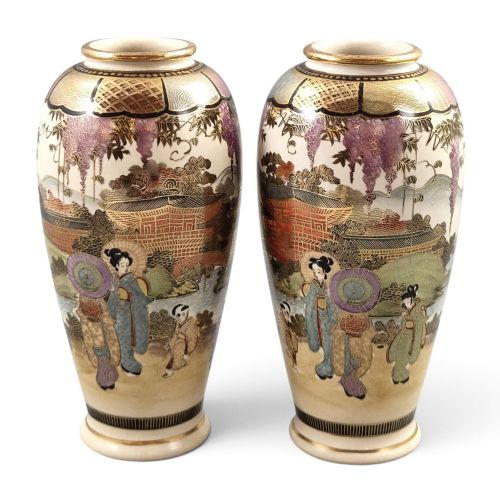
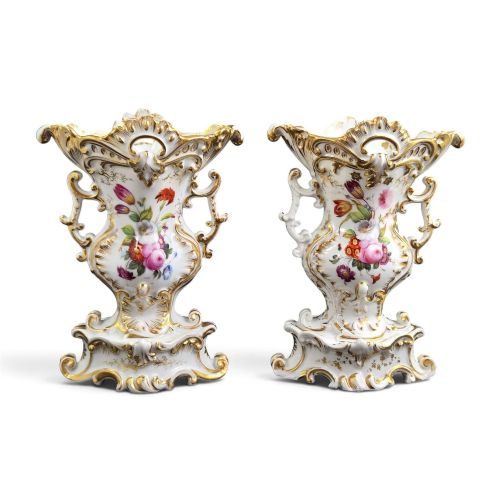
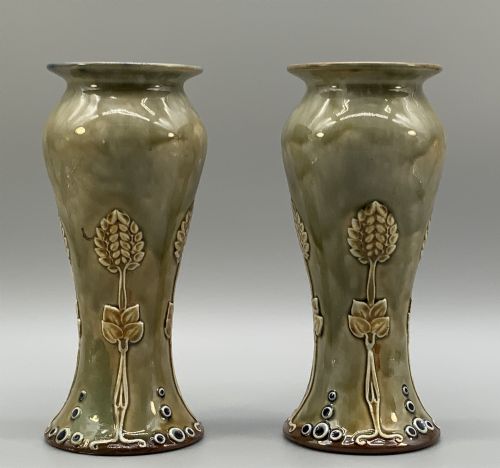
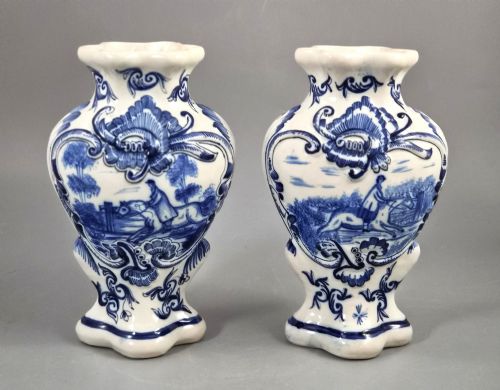
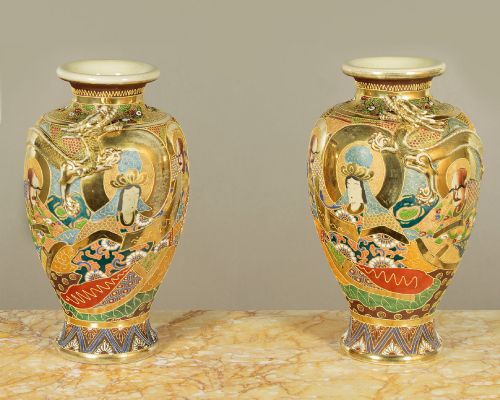
The selections on this page span diverse cultural origins and aesthetic movements, including Japanese Satsuma and Meiji wares, French porcelain and faience, and English stonewares from factories like Royal Doulton. Buyers frequently meet works executed in cobalt blue and white, polychrome enamels, and rich gilt finishes.
Beyond decorative vases, certain examples appear converted into table lamps or fitted with brass and ormolu mounts. The unifying characteristic across these disparate origins remains the deliberate pairing of two complementary vessels designed to function as a unified decorative statement.
Materials and methods of manufacture
Potters shaped these vessels using ceramic pastes, porcelain clays, creamware, and stoneware, frequently applying glazes ranging from opaque white tin enamels to deep blue glazes and lustres. Methods involved throwing on the wheel or casting in moulds, followed by high-temperature firing to vitrify the body.
Decoration relied on hand-painted enamel pigments, underglaze cobalt, and applied gold leaf or bronze mounts. Many pieces integrate moulded relief work, dragon and phoenix motifs, or botanical designs executed during periods such as the Meiji era and the Victorian age.
Listings span multiple ceramic mediums including earthenware, porcelain, stoneware, and creamware, decorated with enamel, glaze, and gold leaf.
Distinctions in quality and execution
Quality rests in the crispness of the modelling, the precision of the hand-painted details, and the integrity of the glaze application. Superior pieces demonstrate confident brushwork, vibrant yet controlled colour palettes, and harmonious proportions between the vessel body and handles.
The matching of the pair determines desirability, as true pairs share identical dimensions, weight, and decorative symmetry without discrepancy. Additional quality indicators include the refinement of ormolu or brass mounts and the historical significance of the producing factory or workshop.
Royal Doulton Lambeth·Flight Barr And Worcester·Maruni Kobe·Shozan·Jacob Petit·Fourmaintraux Courquin·Sitzendorf·Spode·Daisy Makeig Jones·Walter Slater·Hicks And Meigh·Helena Wolfsohn·Chamberlain Worcester
The Antique Ceramic Urns Pair Glossary
- Baluster
- A vase form characterised by a bulbous lower portion that tapers towards a narrow neck and flares at the rim. This silhouette appears frequently in large decorative jars and porcelain urns.
- Faience
- Tin-glazed earthenware produced across European potteries, particularly in France. It provides an opaque white surface suitable for painted blue and polychrome designs.
- Imari
- A Japanese export style featuring iron red, cobalt blue, and gold decoration, which inspired numerous European ceramic factories during the 18th and 19th centuries.
- Ormolu
- Gilded bronze used for decorative mounts, handles, and bases on French and English ceramic urns. It enhances the architectural presence of the vessel.
- Satsuma
- Japanese earthenware pottery featuring a crackle-glaze finish and intricate polychrome and gilt decoration. These wares were widely produced during the Meiji period for Western export markets.
Antique Ceramic Urns Pair: Frequently Asked Questions
How were these urns used originally?
Historically, such vessels served primarily as ornamental centrepieces rather than functional flower holders. Wealthy households displayed them in formal reception rooms to demonstrate taste and refinement.
Some variants, such as ice pails or jardinieres, held specific dining or botanical duties, while others were strictly decorative fixtures designed to anchor a room's interior scheme.
How do I identify a true pair?
A true pair exhibits identical height, weight, clay composition, and matching hand-painted or transferred motifs. Minor variations in hand-painted strokes are normal, but the overall proportions and palette must align precisely.
Sourced together from the same workshop, genuine pairs maintain shared weathering and glaze characteristics developed over decades of display.
Can I use antique urns as table lamps?
Many antique urns and vases undergo professional conversion into table lamps to integrate with modern domestic lighting. This practice preserves the decorative body of the ceramic while adapting the piece for contemporary living spaces.
Conversions often utilise existing apertures or incorporate custom brass fittings without altering the historic ceramic base permanently.