
Blue Porcelain Urns
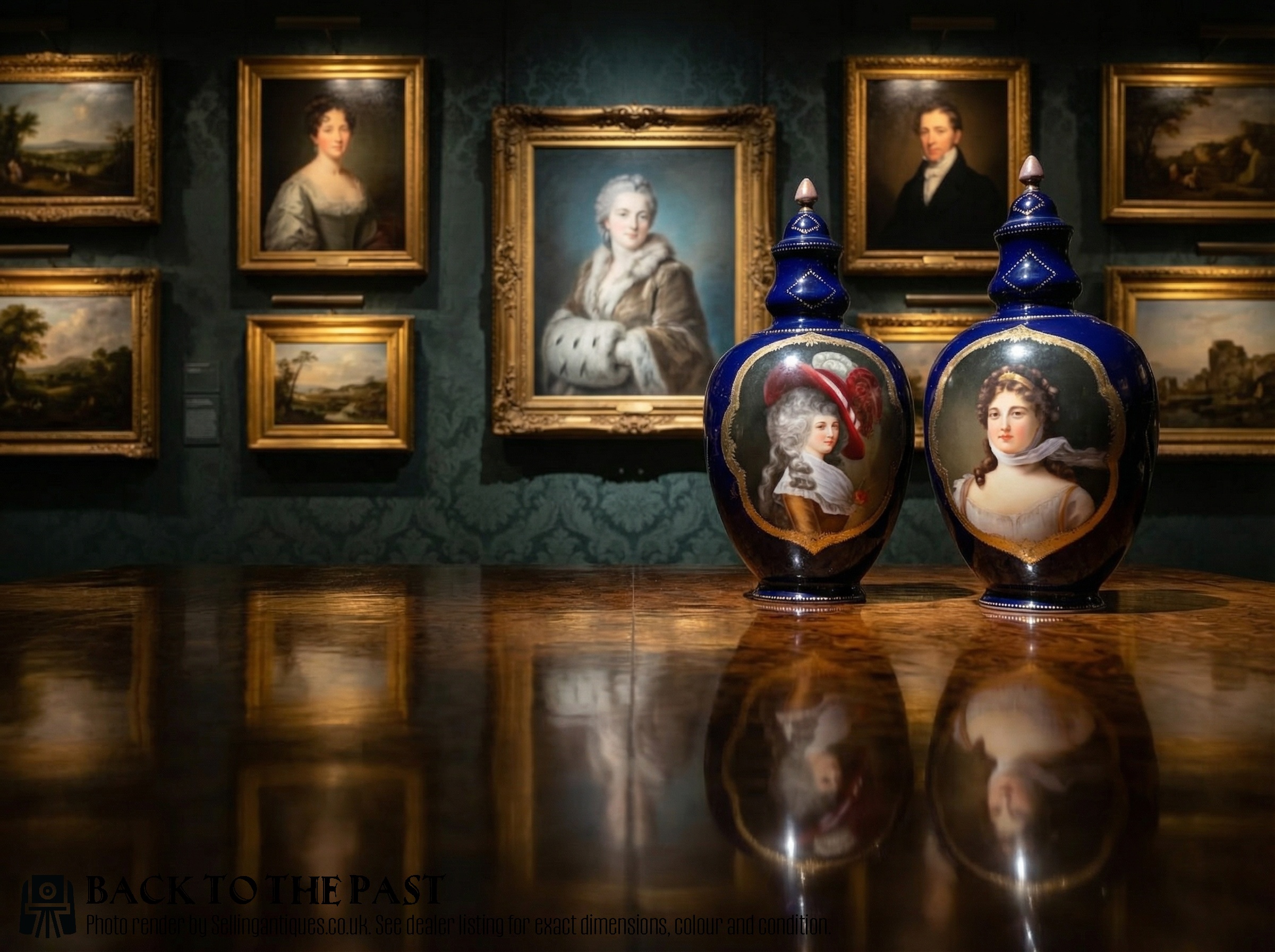
Blue porcelain urns bring together rich cobalt grounds and classical vessel forms across European and Asian traditions.
Blue Porcelain Urns
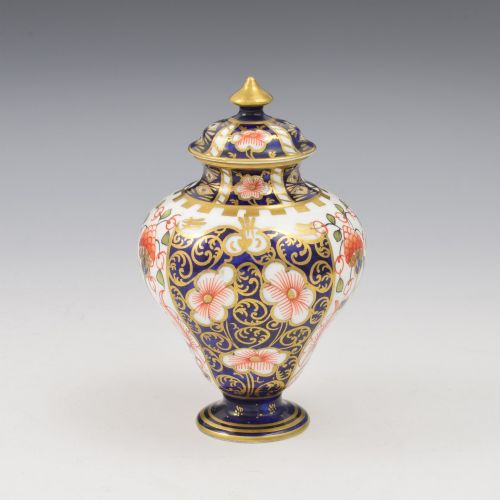
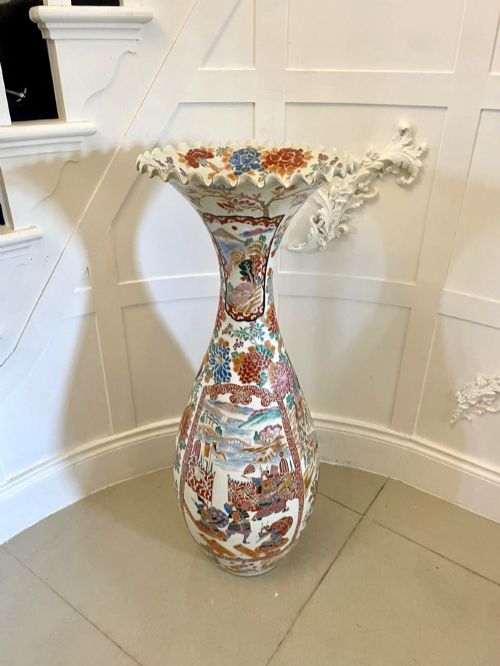
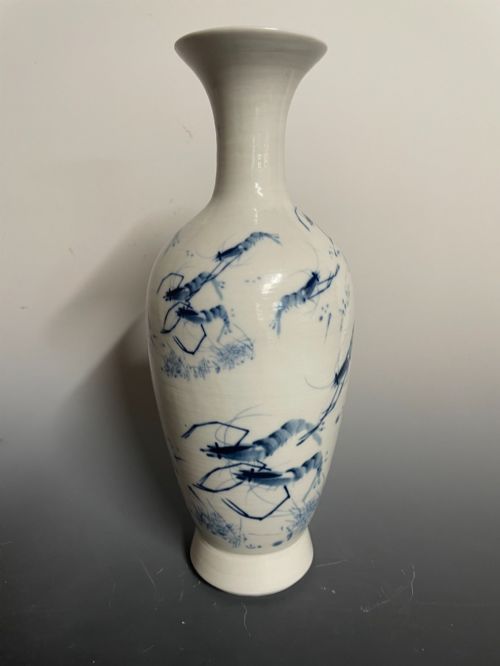
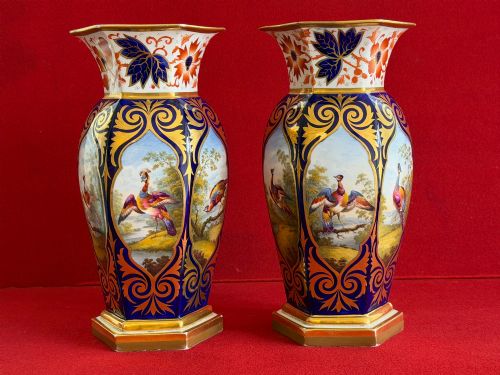
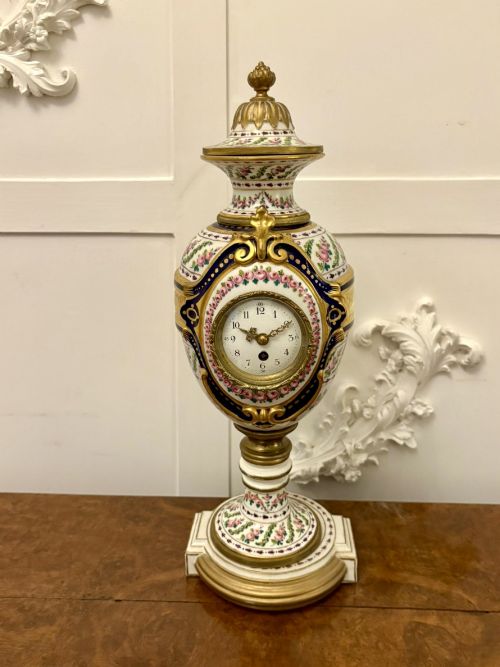
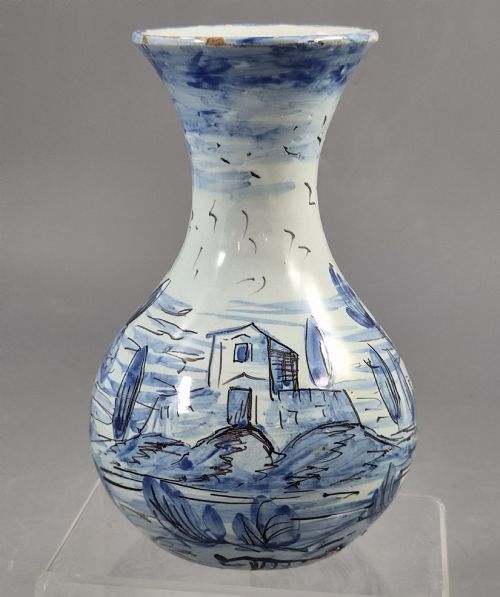
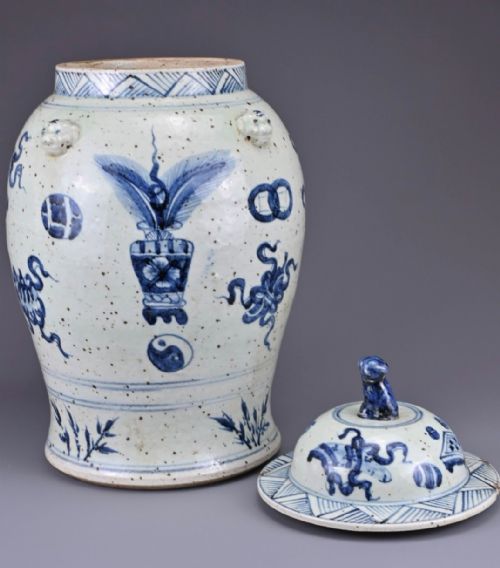
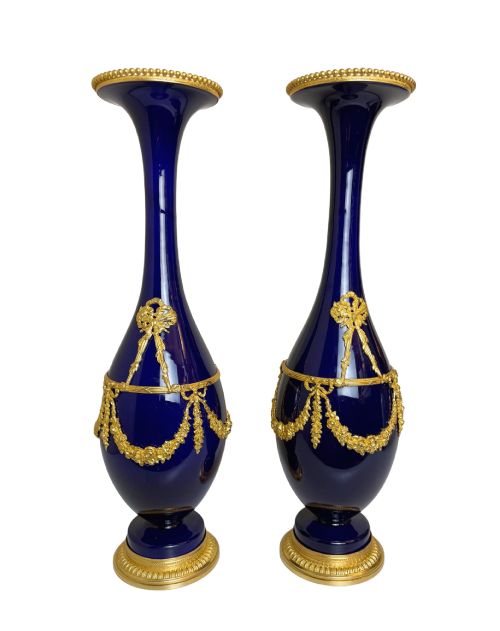
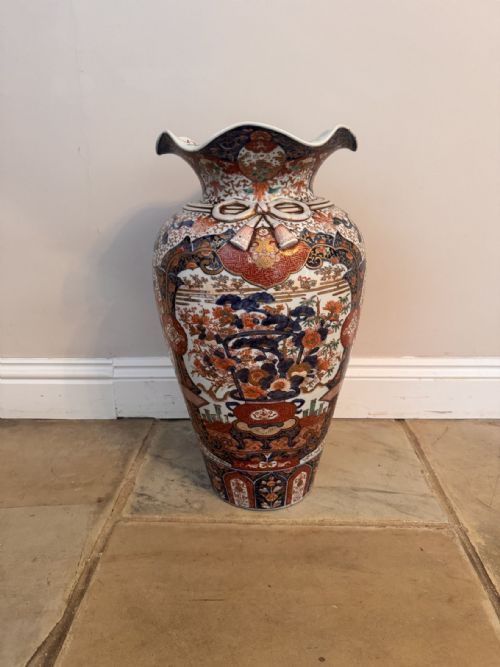
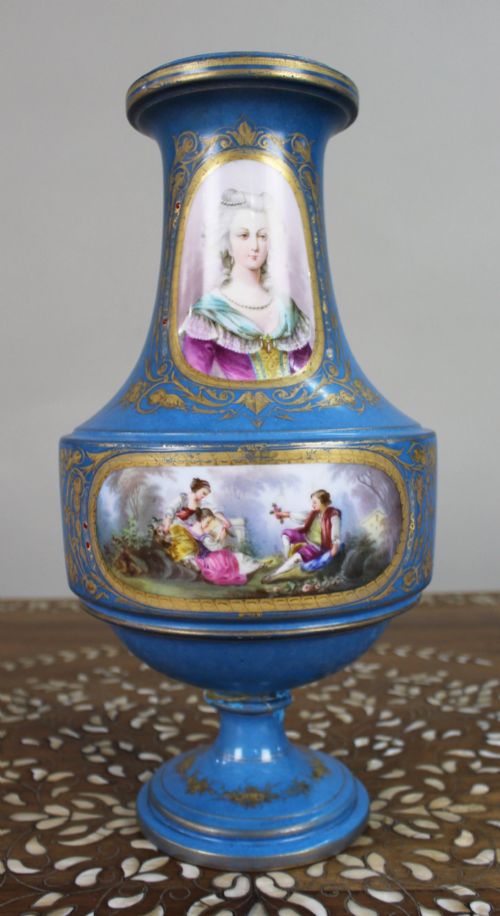
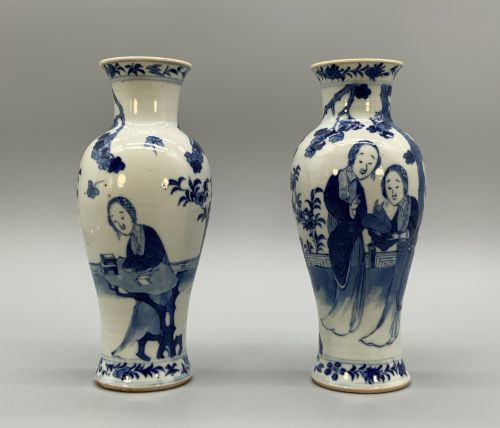
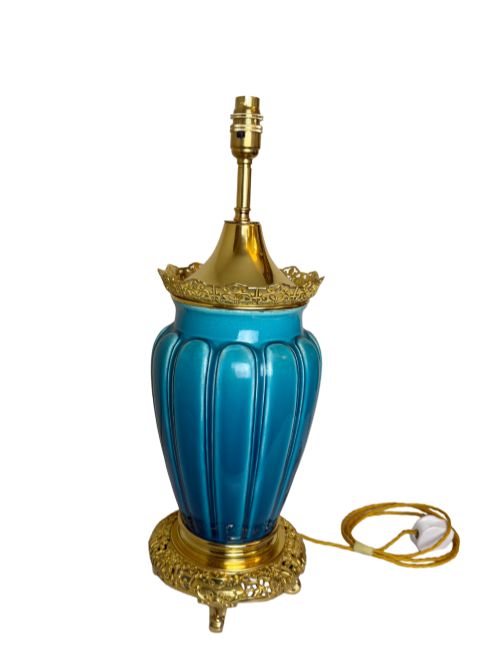
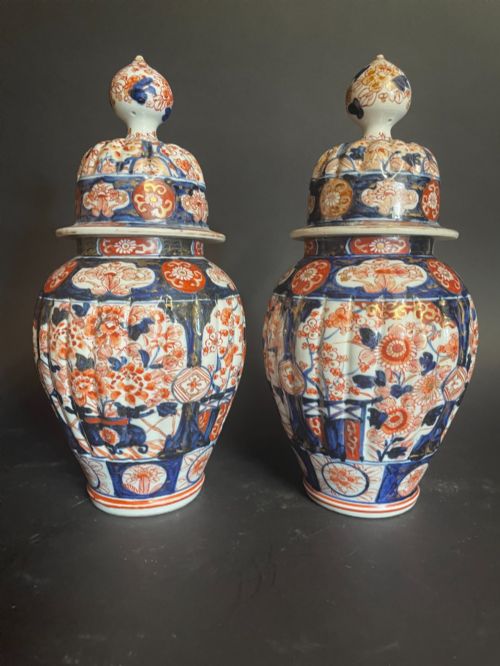
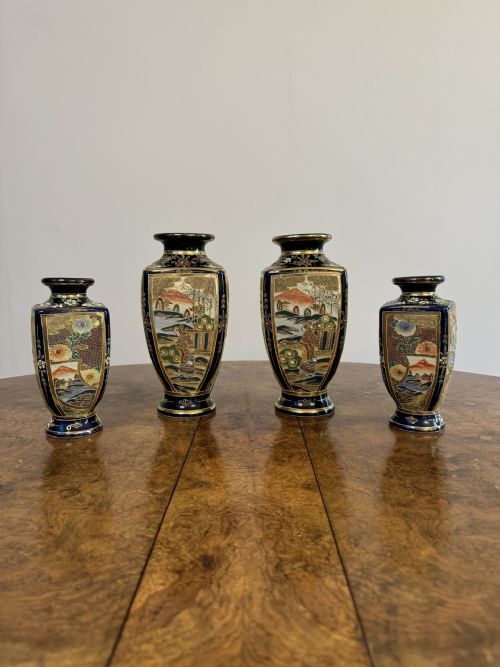
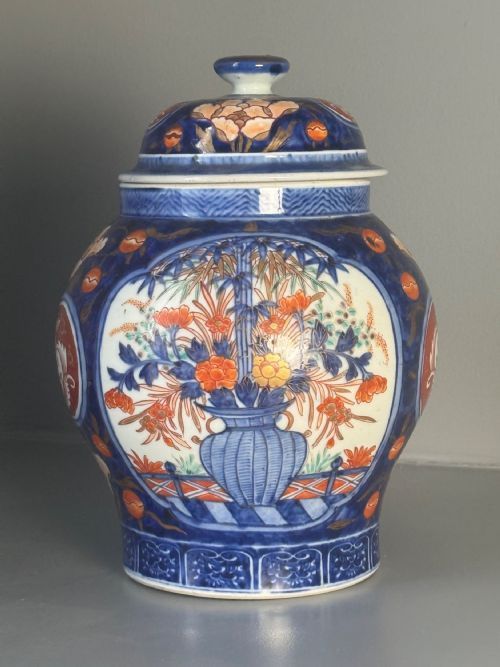
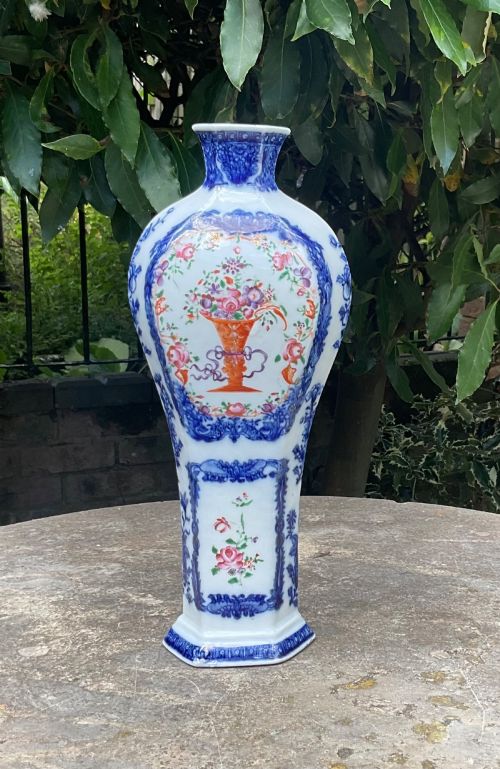
When searching for blue porcelain urns, collectors encounter a diverse range of decorative vessels spanning several centuries. These pieces encompass everything from Japanese Imari floor vases and Chinese blue and white jars to French Sèvres-style mantel ornaments and English Regency porcelain. The selection frequently includes lidded jars, cabinet vases, and items adapted into table lamps.
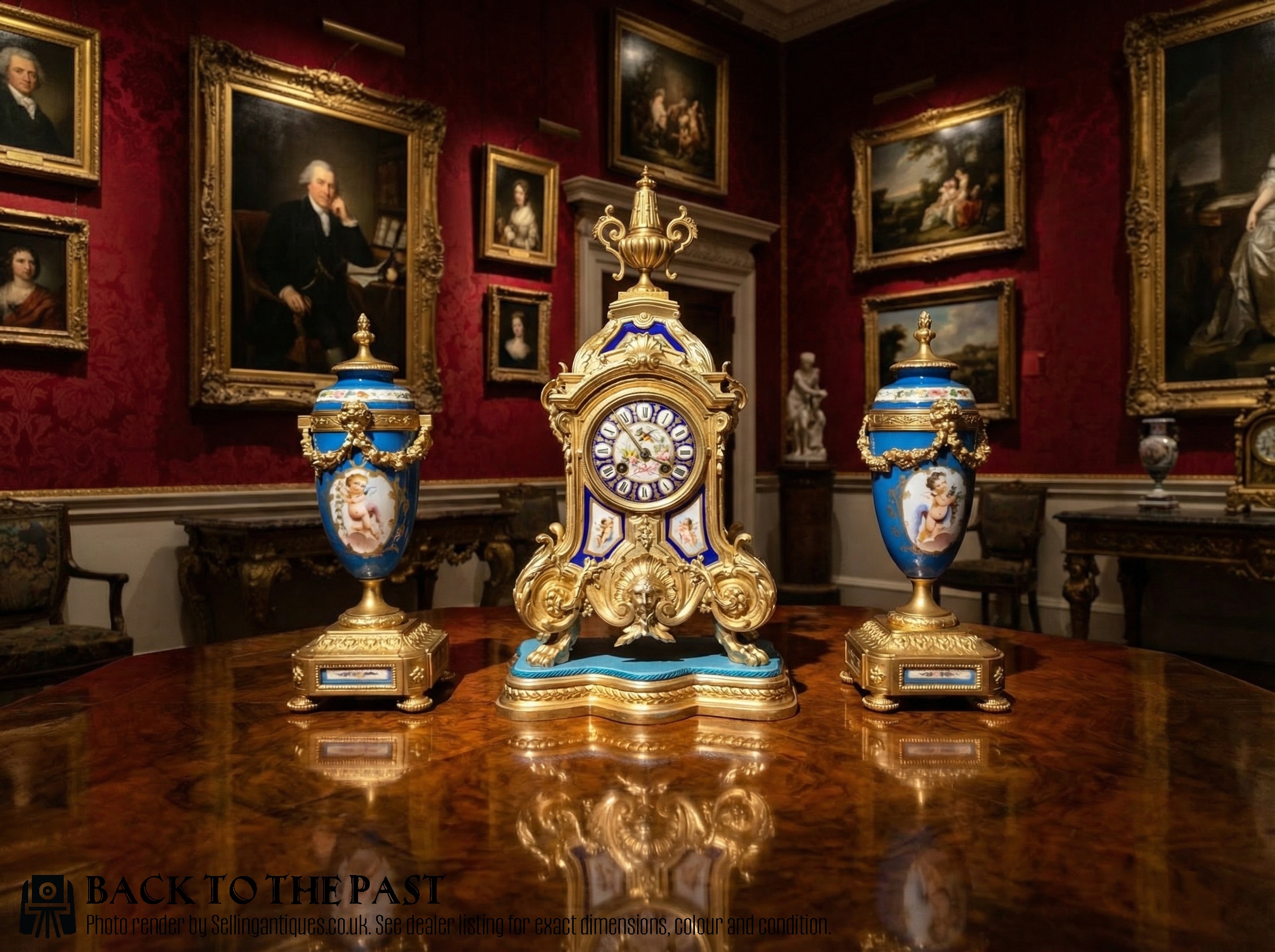
The material takes many forms, shifting from traditional hard-paste porcelain and earthenware to ironstone and ceramic bodies. Blue grounds appear alongside turquoise glazes, cobalt underglazes, and scale blue patterns. Many examples feature companion covers, gilt bronze trim, or ormolu mounts that elevate their decorative presence.
Materials and Techniques
Potters shaped these vessels from refined ceramic and porcelain bodies before applying cobalt or turquoise glaze pigments. Artisans often incorporated gold leaf, gilding, and enamel work directly onto the fired surface to create contrasting details. Metalworkers then added gilt bronze or ormolu mounts to secure rims, bases, and handles.
Production techniques varied between Eastern workshops utilising traditional hand-painting methods and Western factories employing moulded ironstone and specialised kiln enamelling. Many items underwent subsequent conversions, such as adaptation into table lamps during later periods, altering their original functional context.
Blue Porcelain Urns Retail Price Guide 2026
Typical asking prices for blue porcelain urns among the pieces listed under this phrase on Sellingantiques today, from the lower quarter to the upper quarter. They describe what is for sale here now, not the wider market.
Several centuries ago, someone looked at a perfectly good Japanese storage jar and decided it made a splendid electric lamp.
Assessing Quality
Quality rests upon the precision of the hand-painted detailing and the crispness of the porcelain moulding. Superior pieces demonstrate controlled enamel work, even glaze distribution, and securely fitted gilt bronze mounts rather than crude attachments. The depth and saturation of the blue ground provide a clear indication of workshop standard.
The pedigree of the maker and the preservation of original gilding and covers heavily influence the standing of an individual piece. Items retaining their matching lids and original factory marks achieve higher regard among collectors than later assembled pairs or converted vessels.
Royal Crown Derby·Flight Barr and Barr·Cantagalli·Chamberlain Worcester·Spode·Mason·Hicks and Meigh·Booths·Chelsea Porcelain
The Blue Porcelain Urns Glossary
- Imari
- A style of Japanese porcelain featuring a distinct palette of underglaze blue, iron red, and gold. This decoration gained immense popularity throughout European export markets during the 19th century.
- Ormolu
- Finely ground high-carat gold cast onto a bronze base, utilised for decorative mounts and decorative trim. It provides a rich metallic contrast against deep blue porcelain bodies.
- Bleu Céleste
- A bright sky-blue porcelain ground colour famously developed at the Sèvres factory in France. It serves as a signature backdrop for hand-painted panels and rich gilding.
- Cassolette
- A decorative vessel shaped like a vase or urn, often featuring a reversible lid that functions as a burner or candle holder. These pieces frequently incorporate gilt bronze mounts.
- Amphora
- A classical two-handled vessel with a narrow neck, historically used for storage. 19th-century makers reinterpreted this classical shape in porcelain and earthenware.
Blue Porcelain Urns: Frequently Asked Questions
How do I date blue porcelain urns?
Dating relies on examining the factory marks stamped or painted on the underside, alongside the style of the gilding and mounting. Cobalt shades and ceramic bodies also shift perceptibly between the 18th and late 19th centuries.
Secondary clues include the type of wear on the base and whether metal mounts are cast with the heavy precision typical of the Regency or Victorian eras.
What is the difference between Imari and blue and white?
Traditional blue and white porcelain relies exclusively on cobalt oxide under a clear glaze to create designs. Imari wares introduce contrasting iron red and gold enamel highlights over the glaze.
This vibrant palette creates a much busier, more opulent surface than the restrained monochrome appearance of standard blue and white pieces.
Were these urns meant for daily use?
Most of these vessels served purely decorative functions on mantelpieces, sideboards, and cabinets rather than holding flowers or liquids. Lidded jars and urns were designed to display the artistic skill of the factory.
Even when equipped with handles or covers, their delicate gilding and fine porcelain bodies meant they were treated as ornamental showpieces.
How should I display porcelain urns at home?
Place these pieces on stable, level surfaces away from direct sunlight to protect enamel colours and fragile gilding. Pairing urns with matching mantel clocks or placing them on fitted brackets creates a balanced display.
Ensure converted lamp versions are placed near appropriate power sources without placing strain on the antique ceramic body.