

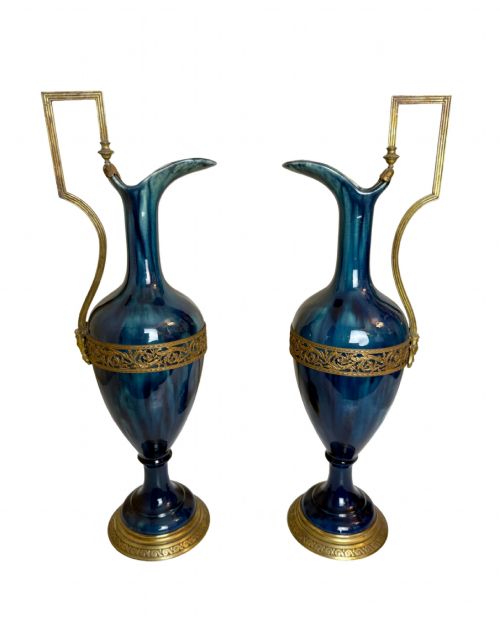


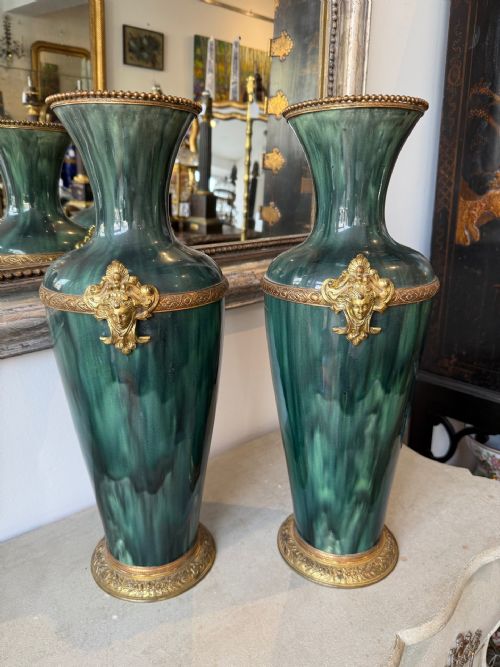
Gilt Bronze Porcelain Urns
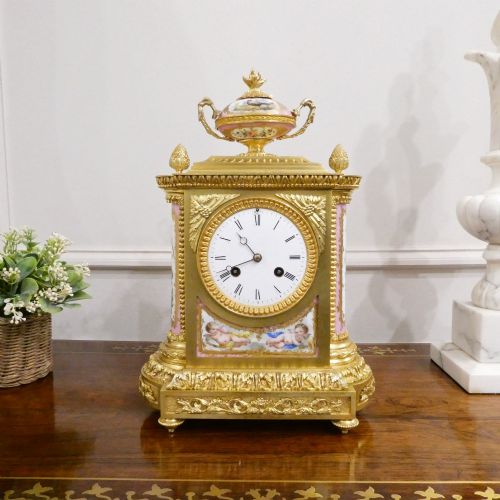
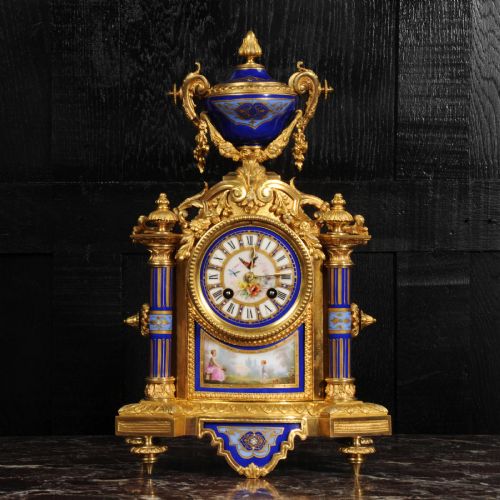
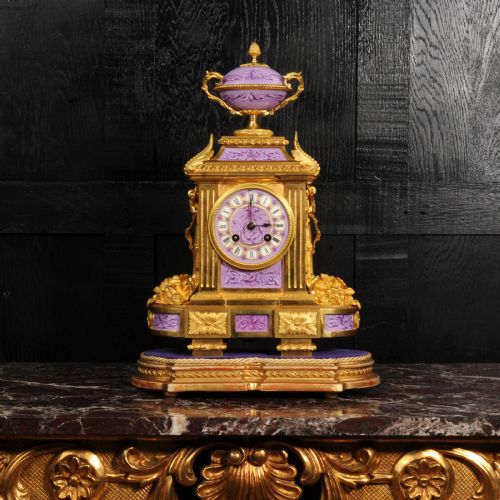
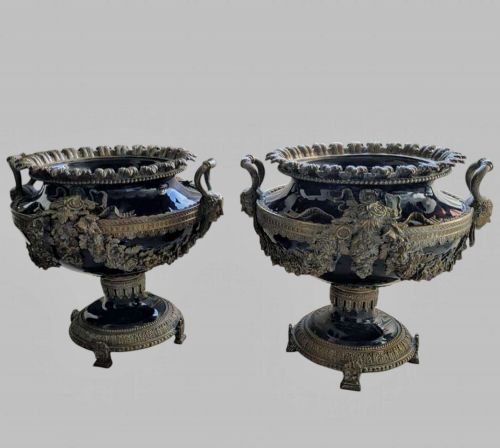
These gilt bronze porcelain urns combine lustrous ceramic bodies with heavy cast metal mounts, offering a sophisticated centrepiece for a formal interior.
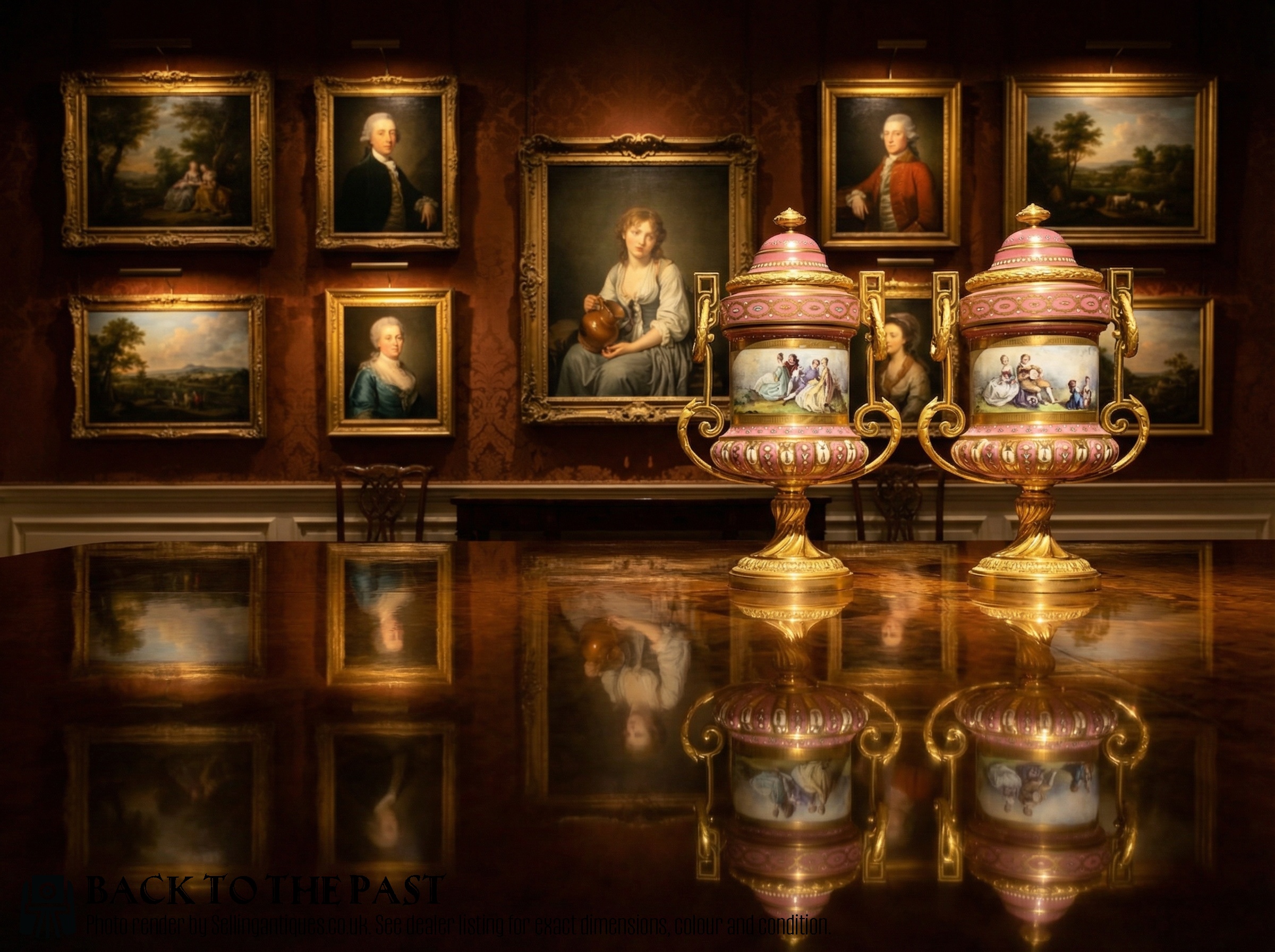
Gilt Bronze Porcelain Urns
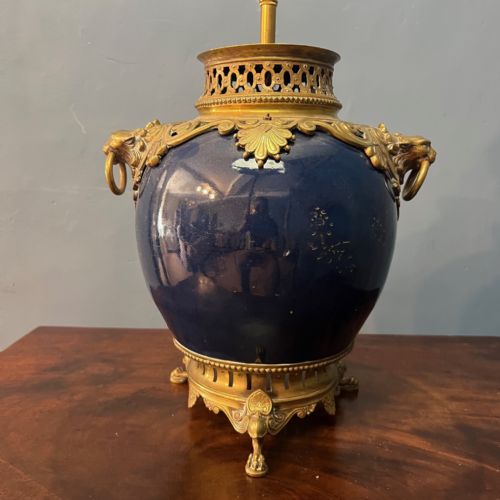
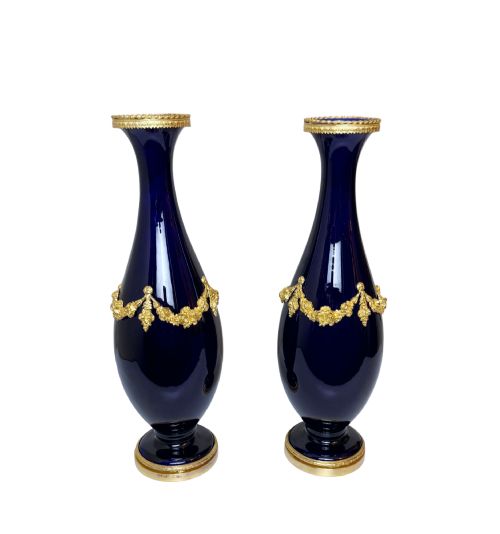
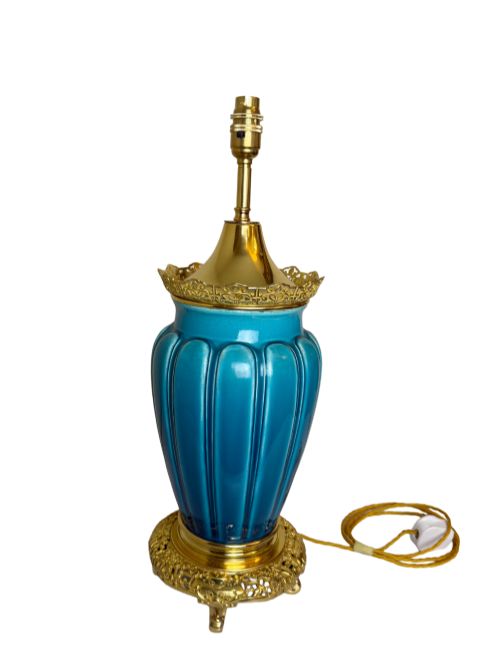
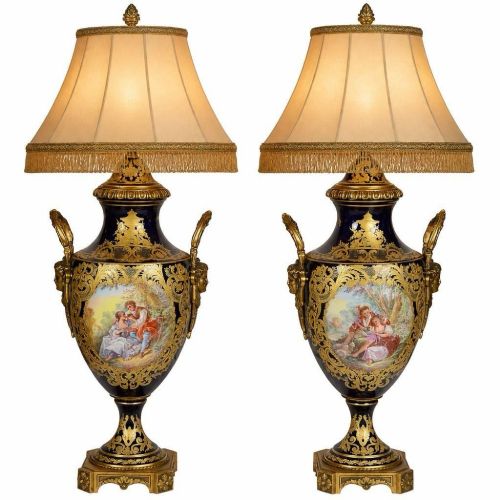
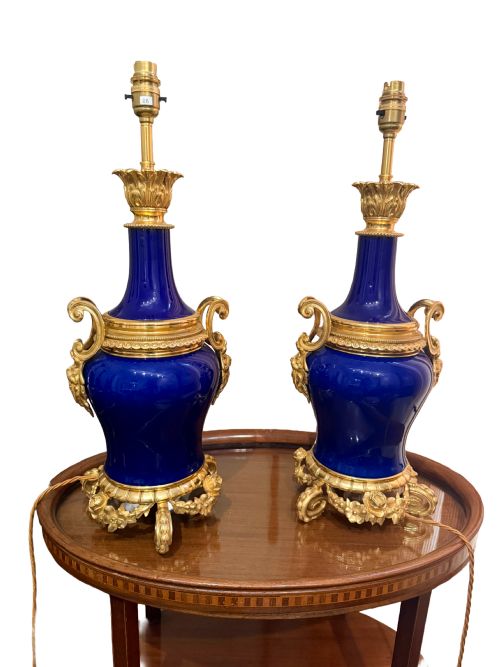
When you search for gilt bronze porcelain urns, you encounter decorative vessels that marry fired ceramic bodies with cast metal mounts, predominantly originating from nineteenth century French workshops. The selection here leans heavily towards nineteenth century examples, particularly pieces produced in the manner of Sevres or featuring rich blue, turquoise, and white glazes.
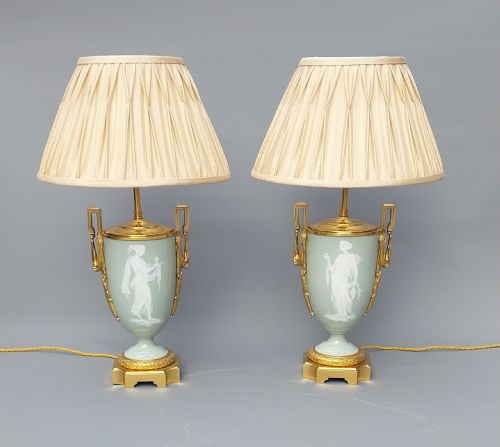
Beyond standard decorative urns, the category encompasses related functional forms such as lidded vases, potpourri jars, and cassolettes mounted on substantial bronze or ormolu bases. Many of these objects survive in balanced pairs, reflecting their original purpose as garniture sets designed for mantelpieces or console tables.
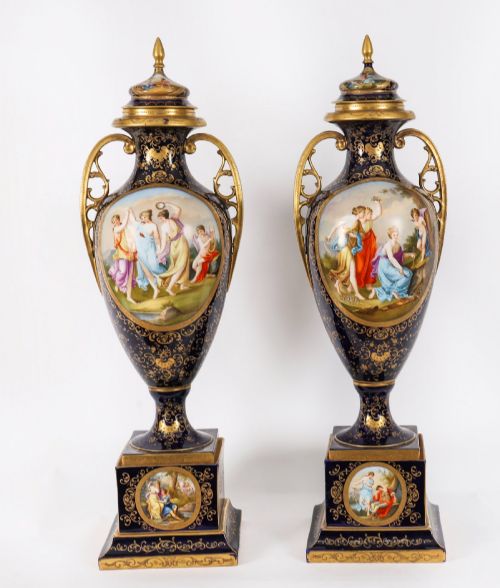
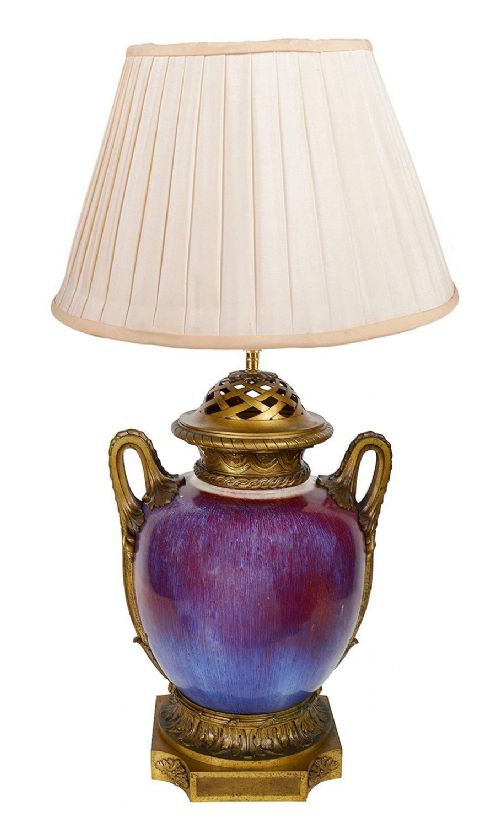
The aesthetic vocabulary draws extensively on French Rococo Revival, Louis XVI style, and neoclassical idioms, frequently incorporating hand-painted floral panels or classical scenes. Alongside European output, the listings include Asian ceramic bodies retrofitted with European gilt bronze mounts during the nineteenth century.
Materials and construction
The primary bodies utilise hard-paste porcelain, earthenware, or imported ceramics, often finished with cobalt blue, turquoise, or powder blue glazes and hand-painted details. Makers then encased or accented these ceramic elements with cast gilt bronze, also known as ormolu, secured via pins, screws, or bespoke collars.
Casting bronze required intricate moulds that were subsequently chased by hand to sharpen foliage, scrolls, and classical motifs before undergoing fire gilding or electroplating. The resulting metal mounts were engineered to fit the irregular contours of fired porcelain without damaging the glaze.
Gilt Bronze Porcelain Urns Retail Price Guide 2026
Typical asking prices for gilt bronze porcelain urns among the pieces listed under this phrase on Sellingantiques today, from the lower quarter to the upper quarter. They describe what is for sale here now, not the wider market.
Materials span hard-paste porcelain, onyx, enamel, and gilt bronze, organised primarily into table lamps, mantel clocks, and lidded vases.
Assessing quality and execution
Quality rests primarily on the crispness of the bronze chasing and the artistic merit of the porcelain painting. Finer examples display deeply undercut metal mounts with hand-finished detail, whereas lesser pieces rely on softer, factory-cast mounts with minimal hand tooling.
The integration between the ceramic body and the metal hardware dictates overall execution, with superior pieces showing custom-fitted mounts that hug the porcelain contours securely. Hand-painted ceramic panels demonstrating refined brushwork and stable enamel firing further elevate an object above standard decorative production.
Japy Freres·Jean-Baptiste Delettrez·Achille Brocot
The Gilt Bronze Porcelain Urns Glossary
- Ormolu
- Gilt bronze, referring to a technique of applying finely ground high-carat gold to a cast bronze object. This finish provides a warm, durable metallic sheen characteristic of high-end French furnishings.
- Garniture
- A set of matching decorative objects, typically numbering three or five pieces, designed to be displayed together on a mantelpiece or sideboard. These sets often comprise a central clock flanked by urns or vases.
- Cassolette
- A decorative vessel shaped like an urn, featuring a reversible lid that transforms the piece from a covered vase into a burner for perfumes or potpourri. They frequently incorporate detailed gilt bronze handles and mounts.
- Sevres style
- A descriptive term for porcelain decorated in imitation of the royal French Sevres factory. It denotes specific colour palettes, such as bleu celeste, combined with hand-painted reserves and rich gilding.
Gilt Bronze Porcelain Urns: Frequently Asked Questions
What were gilt bronze porcelain urns used for?
These pieces served primarily as decorative ornaments within formal nineteenth century interiors, positioned on mantelpieces, console tables, or cabinet tops to display wealth and taste.
Some variations, such as potpourri jars or cassolettes, functioned practically to diffuse fragrant scents through living spaces by utilising pierced lids.
How do I care for gilt bronze porcelain urns?
Dust the porcelain and metal mounts gently with a soft, dry brush to prevent the accumulation of dirt within the chased crevices of the bronze.
Avoid using liquid cleaners, commercial metal polishes, or abrasive cloths, as these can strip the gold gilding from the bronze and damage the painted ceramic surface.
Are these urns part of larger sets?
Many examples survive as symmetrical pairs designed to frame a central mirror, clock, or architectural feature on a mantelpiece.
Larger garniture sets also exist, incorporating a central clock or urn accompanied by two matching side vases to create a balanced display.
How can I distinguish period pieces from later copies?
Examine the construction methods of the bronze mounts, looking for hand-chased detailing, secure pin fixings, and natural wear consistent with nineteenth century handling.
Check the porcelain body for appropriate glaze characteristics, hand-painted rather than transfer-printed decoration, and any factory marks or signatures associated with known period workshops.