



Ormolu Mounted Vases
Ormolu mounted vases combine cast metal mounts with ceramic, stone or glass bodies, emerging in 18th-century workshops and returning through 19th-century revivals.
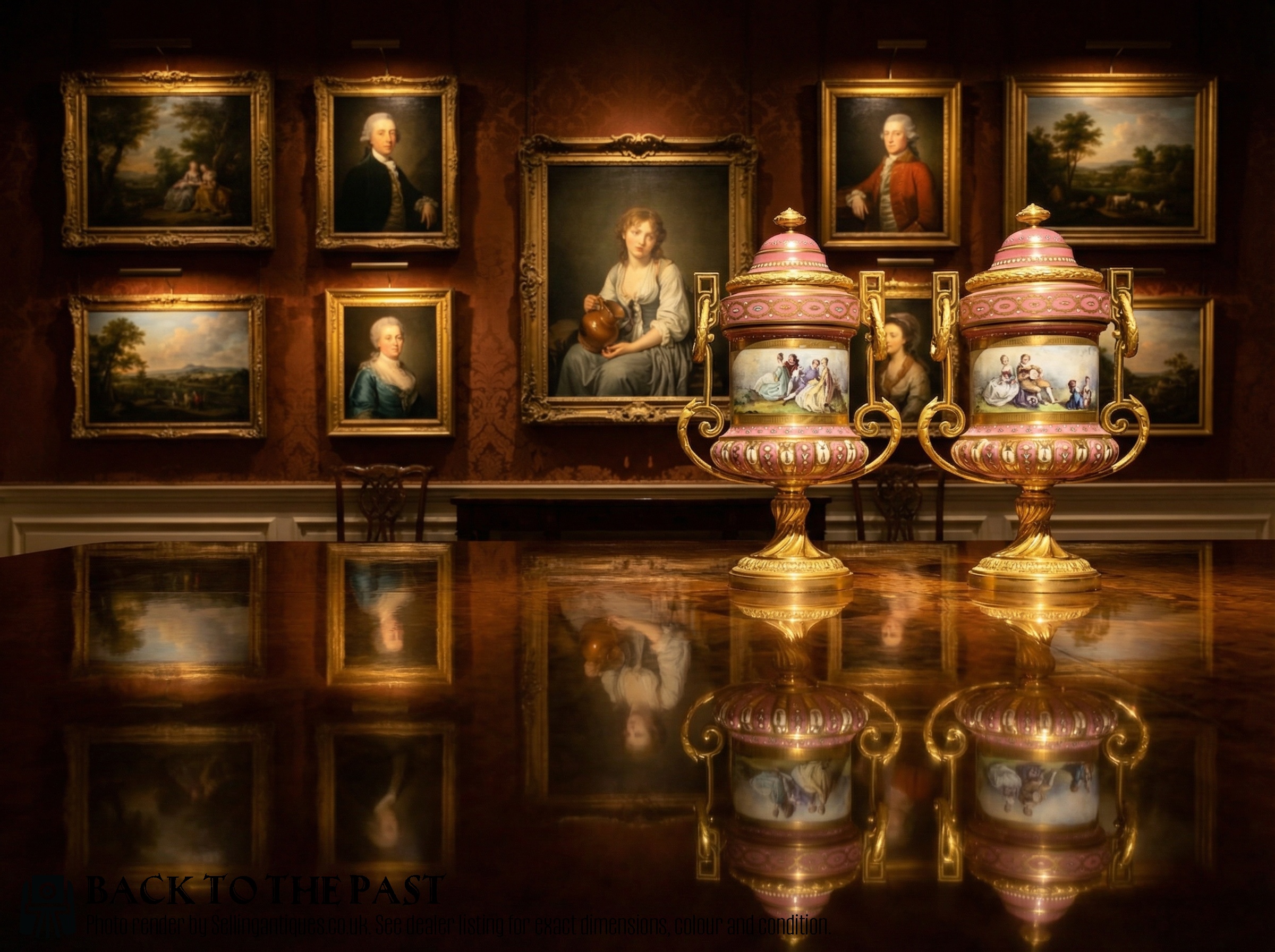
Ormolu Mounted Vases
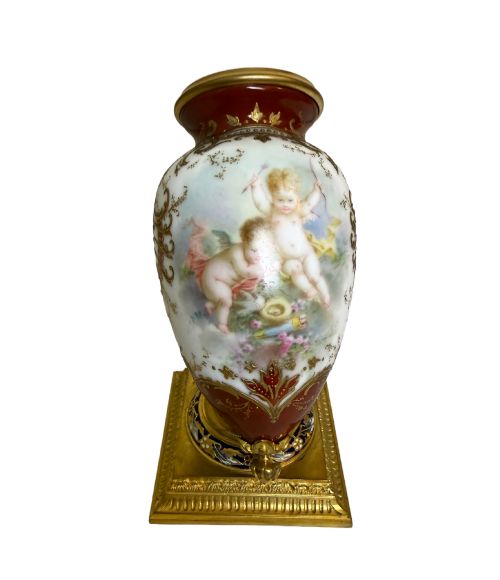
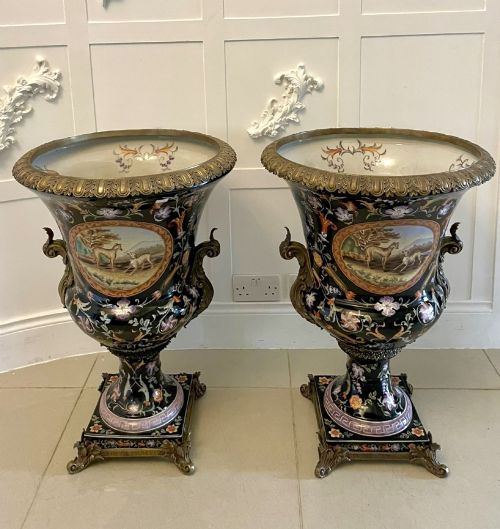
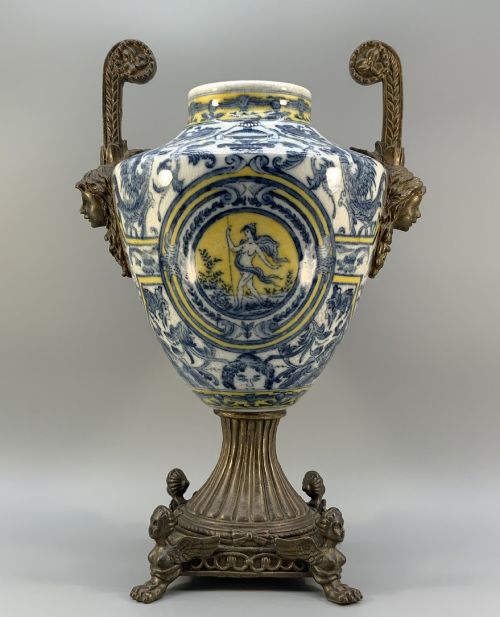
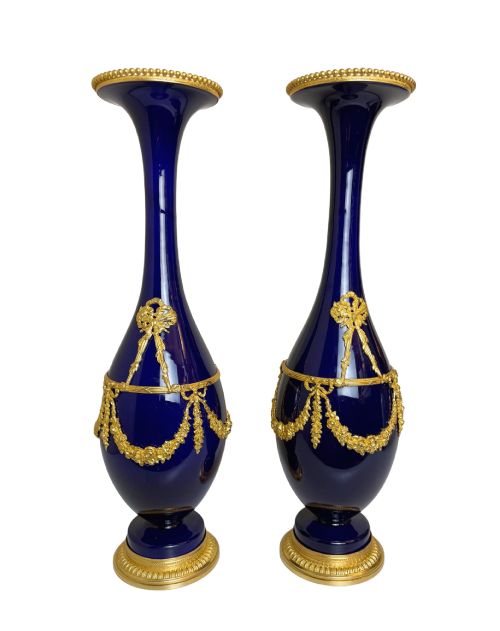
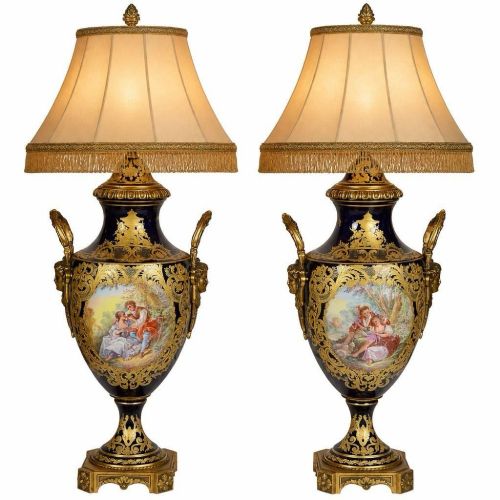
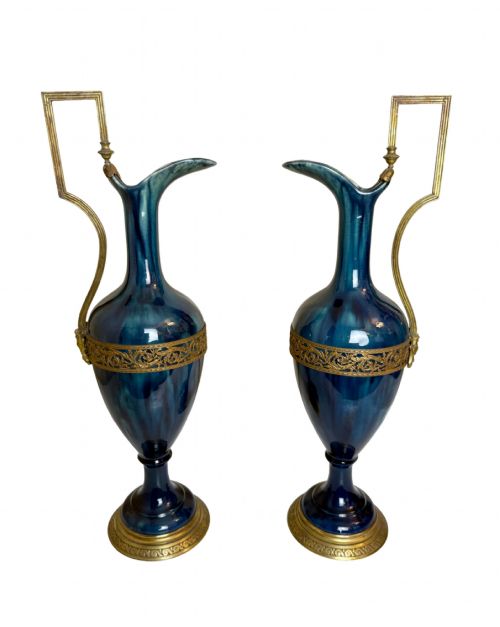
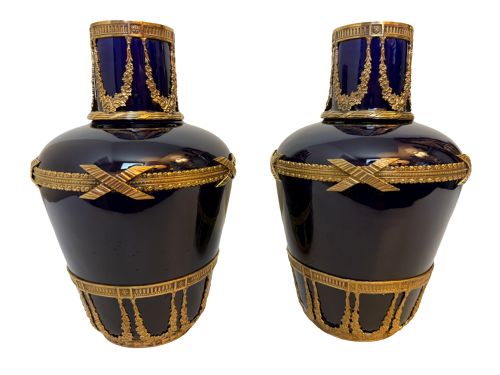
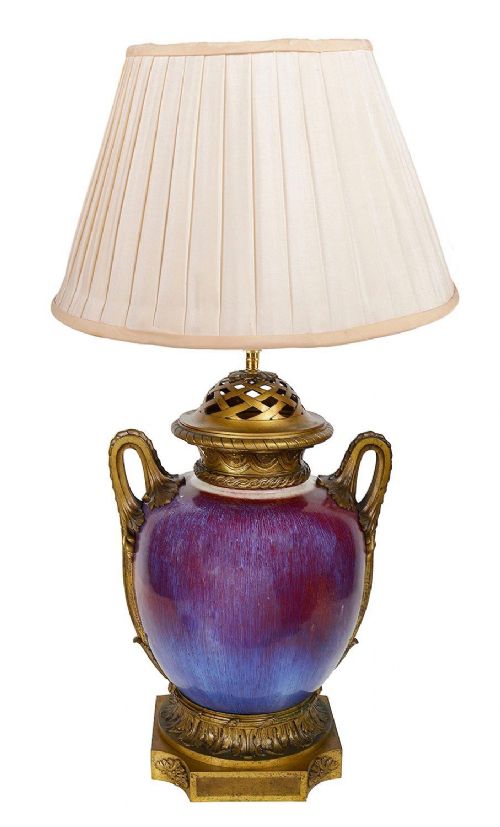
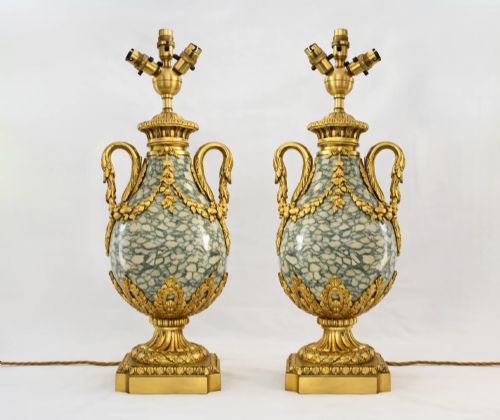
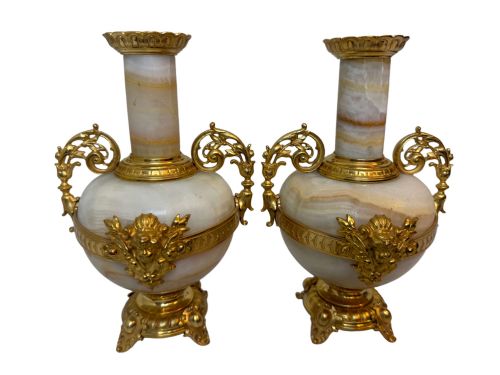
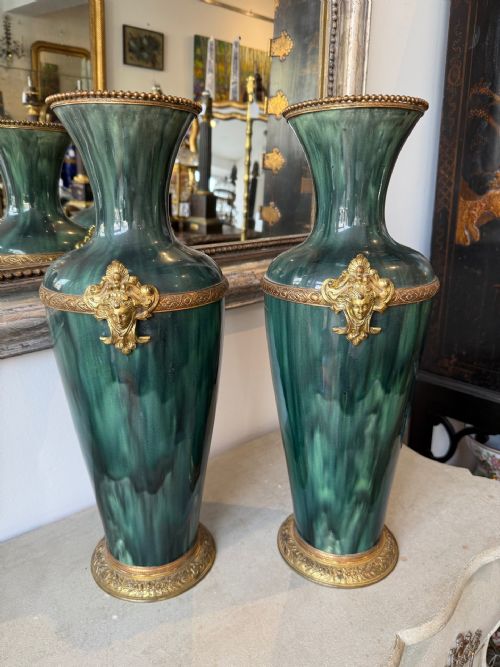
Ormolu mounted vases unite vessels formed from porcelain, marble, glass and enamel with cast and gilded bronze metalwork. These decorative objects span table lamps, lidded urns, cassolettes and garnitures created in French Rococo, Empire and Louis XVI styles.
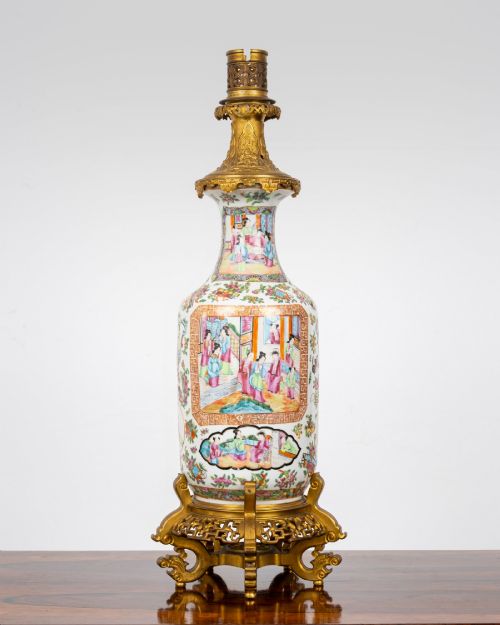
The selection here draws heavily from 19th-century European production, particularly French workshops emulating earlier court aesthetics, alongside Chinese export porcelain fitted with European metal mounts. Buyers encounter pairs designed for mantelpieces or converted into domestic lighting.
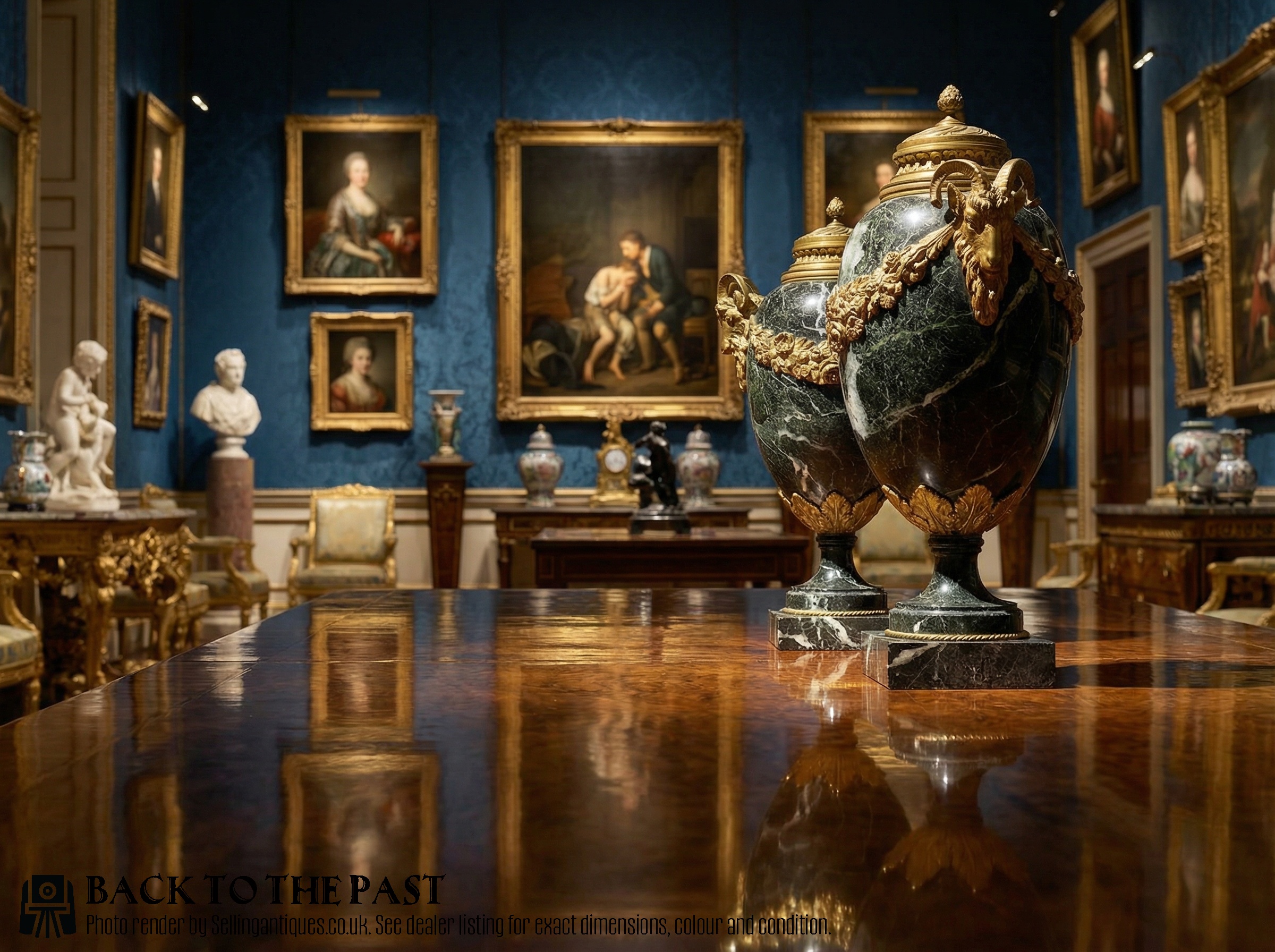
How They Were Made
Craftsmen shaped bodies from fired ceramic pastes, carved mineral stones like marble and onyx, or blew glass before applying cast bronze components. The metal elements underwent mercury gilding or electrogilding to achieve the bright ormolu surface finish.
Makers secured mounts around necks, bases and handles using pinned construction, nuts and threaded rods designed to hold fragile porcelain or stone securely without adhesive.
Ormolu Mounted Vases Retail Price Guide 2026
Typical asking prices for ormolu mounted vases among the pieces listed under this phrase on Sellingantiques today, from the lower quarter to the upper quarter. They describe what is for sale here now, not the wider market.
Several lidded vases double as cassolettes, hiding a sneaky second function beneath a reversible lid.
What Varies in Quality
The crispness of the bronze chasing dictates the tier of the piece, separating sharp, hand-finished leaf scrolls from soft, repetitive cast details. High-grade examples display carefully hand-ground stone bodies and porcelain painted with detailed reserves rather than transfer prints.
Proportion governs visual success, visible in how precisely the bronze collars align with the curves of the underlying ceramic or marble vessel.
Sevres·Paul Milet·Samson
The Ormolu Mounted Vases Glossary
- Ormolu
- Gilt bronze created by applying an amalgam of gold and mercury to cast bronze, then heating to drive off the mercury. This technique produces a distinct warm golden lustre.
- Cassolette
- A decorative vase or urn featuring a reversible lid that functions as a solid cover on one side and a candle-holder or perfuming vessel on the other. These pieces appear frequently in neoclassical French interiors.
- Sevres
- The French porcelain manufactory established in the 18th century, celebrated for soft-paste bodies and specific coloured grounds like bleu celeste. Later 19th-century pieces often imitate these historical marks and palettes.
- Sang de bouf
- A rich copper-red oxblood ceramic glaze developed in Chinese kilns and admired by European collectors. Vases with this glaze frequently received French gilt bronze mounts during the 19th century.
- Garniture
- A set of three or more matching vases or urns designed to be displayed together on a mantelpiece or sideboard. They typically share identical decorative motifs and scale.
Ormolu Mounted Vases: Frequently Asked Questions
What are ormolu mounted vases?
These decorative objects pair vessels made from porcelain, marble, glass or enamel with cast and gilded bronze mounts. They were designed primarily for formal display on mantelpieces and tables.
Production concentrated in 19th-century France, where makers drew on earlier 18th-century Rococo and Neoclassical styles. Many incorporate imported Chinese porcelain bodies fitted with European metalwork.
How were ormolu mounted vases used?
Historically, these vessels served as ornamental centrepieces in grand salons, dining rooms and drawing rooms. Some functioned as potpourri jars with pierced lids to release scents.
In modern settings, many examples operate as table lamps while retaining their original decorative character. Pairs are frequently placed on consoles, sideboards or mantels.
How do you date ormolu mounted pieces?
Dating relies on stylistic markers, manufacturing techniques and material composition. Pieces created in the 19th century often interpret earlier Louis XVI or Empire designs with heavier brass alloys and machine-finished mount details.
Porcelain bodies, factory marks and the method of gilding provide further clues. Hand-chased bronze work usually indicates earlier 19th-century production before industrial casting methods expanded.
Can converted lamp fittings be removed?
Many vases were adapted into lamps during the 19th or 20th centuries by running wiring through drilled bases or fitted caps. Removing these conversions depends on whether the original structure was altered during the electrical installation.
Consulting a professional conservator helps determine if the original mount fixings remain intact beneath the electrical components.