

French Decorative Urns
French decorative urns bring classical presence and rich texture to a room, ranging from grand cassolettes to refined porcelain vases.
What the pieces are
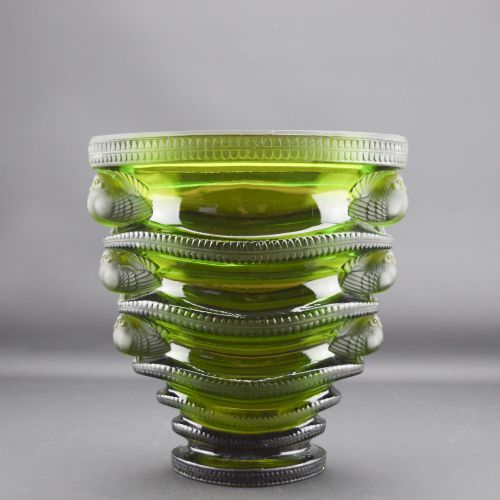
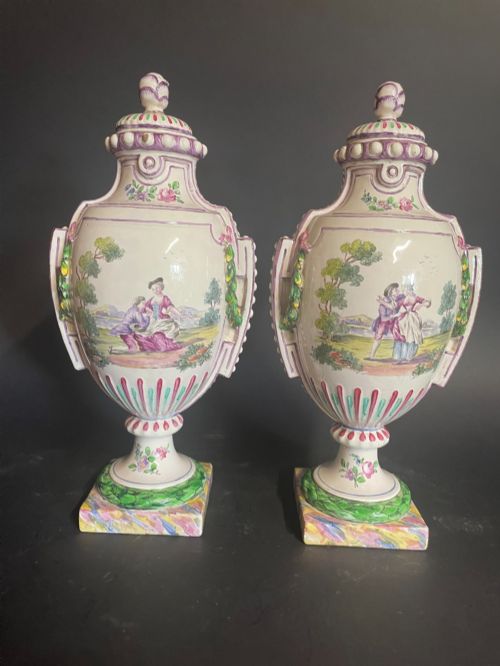
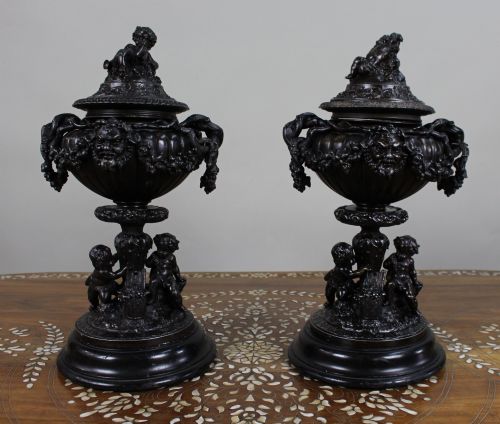
French decorative urns are ornamental vessels rooted in classical forms, designed to bring sculptural weight and historical style to interior spaces. Buyers seeking french decorative urns encounter objects that function as striking mantel centrepieces, garniture sets, or table ornaments.
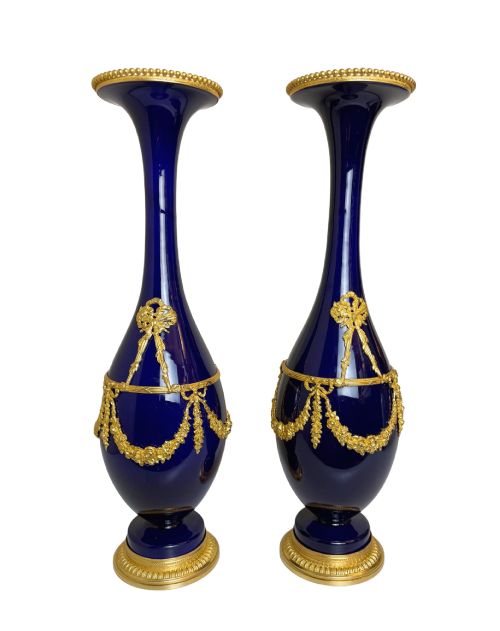
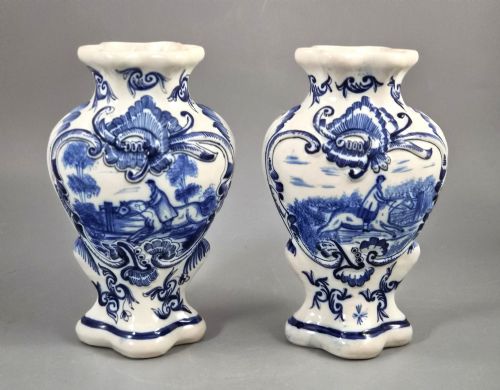
The selections available here span the nineteenth century, including pieces from the eighteen-eighties and eighteen-nineties. Common configurations include pairs of matching vases, cassolettes with reversible lids, and garniture sets incorporating porcelain or metal.
Originating within classical revival movements, these items reflect enduring European design traditions. The assortment demonstrates how nineteenth-century makers adapted ancient vessel shapes into domestic decorative arts.
How they were made
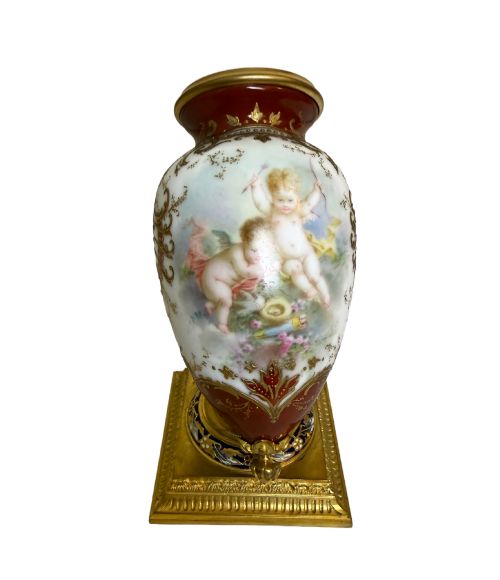
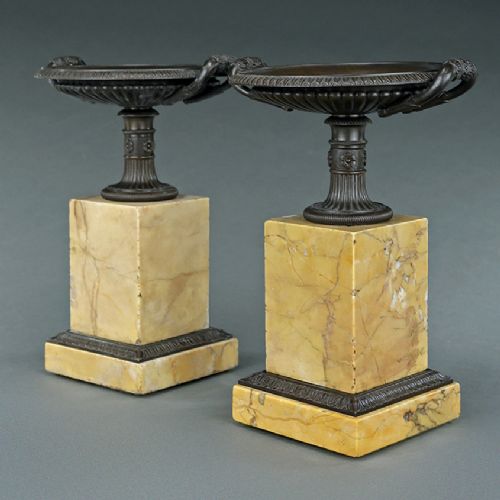
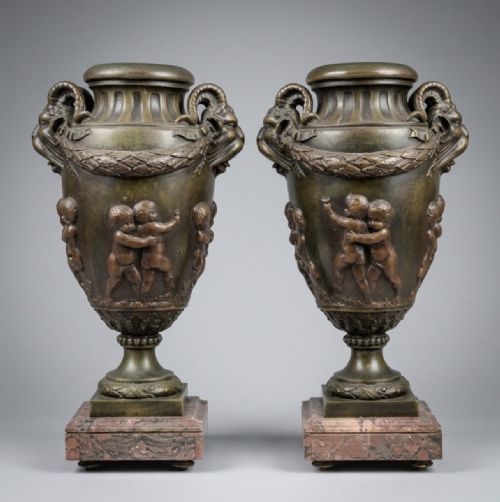
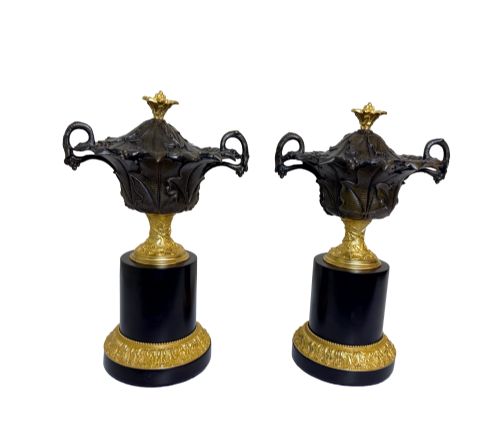
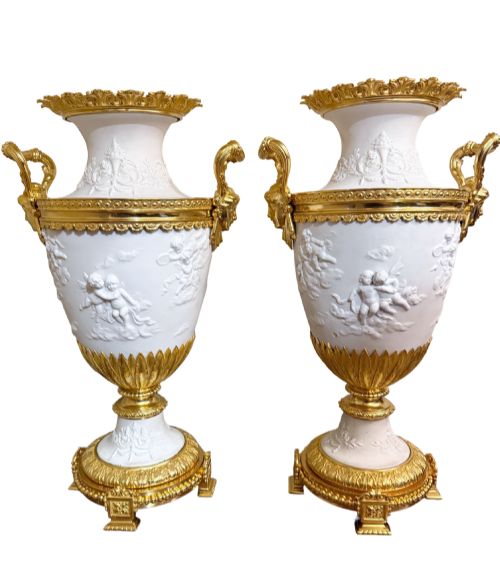
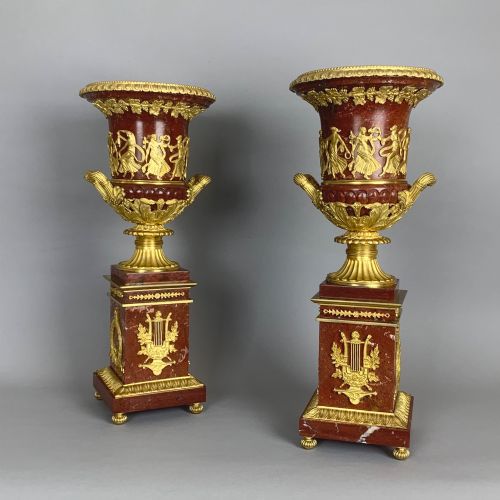
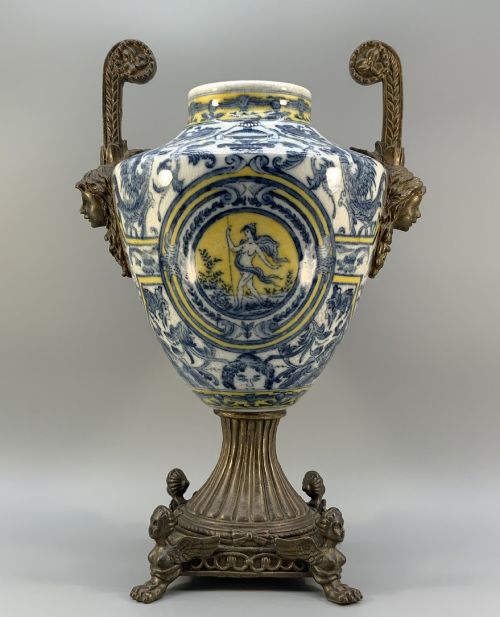
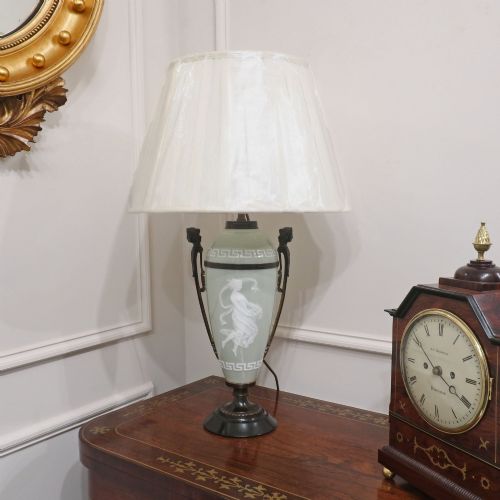
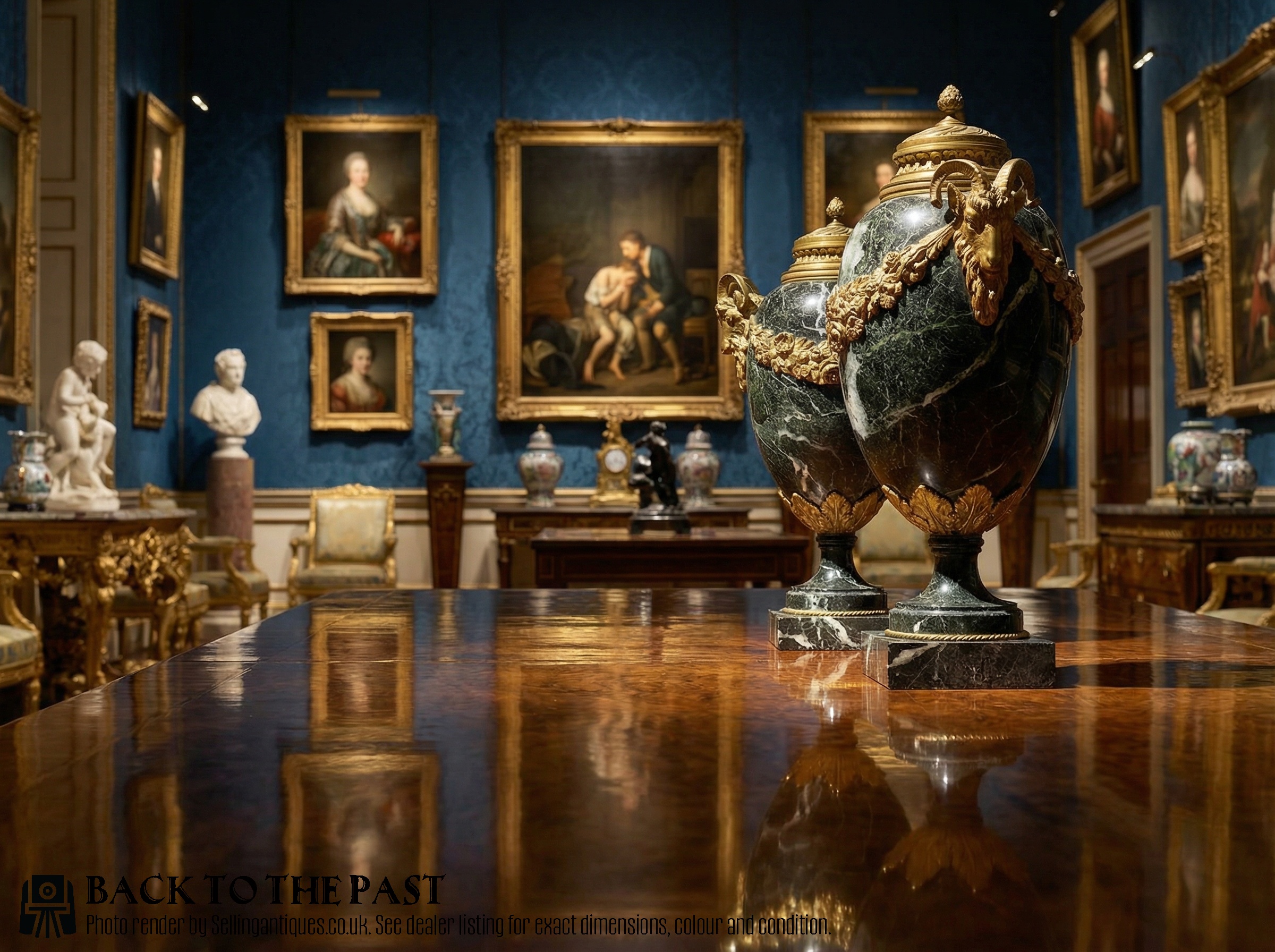
Maker techniques rely on the combination of cast metals and polished stone. Gilt bronze and ormolu form structural mounts and handles, paired with bodies carved from white onyx, green marble, slate, or formed from white porcelain and toleware.
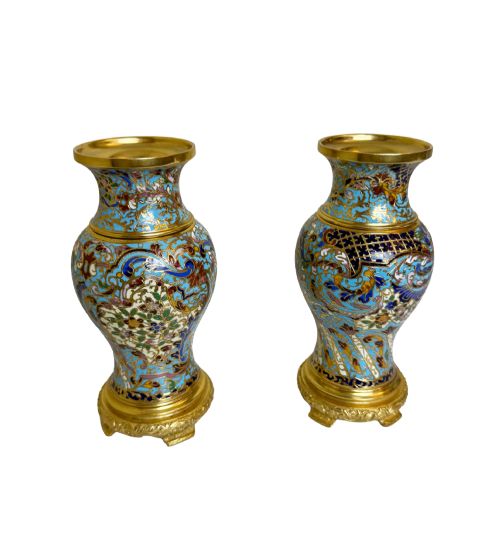
Surface decoration involves champleve enamel work and detailed metal casting. Artisans combined turned stone bases with intricate metalwork to create balanced, multi-material decorative objects.
Retail Price Guide 2026
Typical UK retail prices for french decorative urns, calculated from the Sellingantiques database of over a million retail prices indexed since 2003. This retail price guide relies exclusively on Sellingantiques data; no external sources or auction records are used, so the figures do not describe the wider market.
Listings feature items dated across the nineteenth century, with specific examples from eighteen-eighty and eighteen-ninety.
What varies in quality
Quality rests in the crispness of the bronze casting and the depth of the gilding. Superior examples display sharp detail in ornamental mounts and well-finished stone bases.
The refinement of secondary materials, such as hand-painted enamel or finely turned marble, distinguishes standard production from finer work. Integration between the metal fittings and the main body shows the maker's level of skill.
The French Decorative Urns Glossary
- Cassolette
- A decorative vessel with a reversible lid that functions either as a closed urn or an open vase. These pieces often feature metal mounts and stone bodies.
- Ormolu
- Finely ground high-carat gold applied to bronze through a mercury-gilding process or electroplating. This technique gives metalwork a rich golden finish.
- Champleve
- An enamelling technique where troughs are dug into a metal surface and filled with vitreous enamel before firing. It creates vibrant patterns across bronze mounts.
- Garniture set
- A coordinated group of three or more ornamental objects designed to be displayed together on a mantelpiece. Sets typically comprise a central clock flanked by matching urns or vases.
- Campana urn
- A bell-shaped vessel with a flared rim and pedestal foot, derived from ancient Roman pottery forms. This silhouette is common in nineteenth-century decorative metalwork.
Frequently Asked Questions
What are French decorative urns?
French decorative urns are nineteenth-century ornamental vessels inspired by classical antiquity, utilised as interior display pieces.
They combine materials like gilt bronze, marble, porcelain, and enamel to create sculptural forms for mantelpieces and tables.
How were garniture sets used?
Garniture sets served as symmetrical decorative displays on fireplace mantels, often consisting of a central clock paired with matching urns.
This arrangement created a balanced focal point in nineteenth-century domestic interiors.
What is a cassolette?
A cassolette is a dual-purpose decorative vessel featuring a lid that turns over to hold potpourri or function as an open vase.
Nineteenth-century examples combined turned marble bodies with cast ormolu mounts.
How do I date these urns?
Dating relies on stylistic markers associated with nineteenth-century French revival periods, alongside material analysis.
Evidence from the eighteen-eighties and eighteen-nineties points to specific manufacturing techniques in bronze, onyx, and porcelain.