
French Ormolu Vases
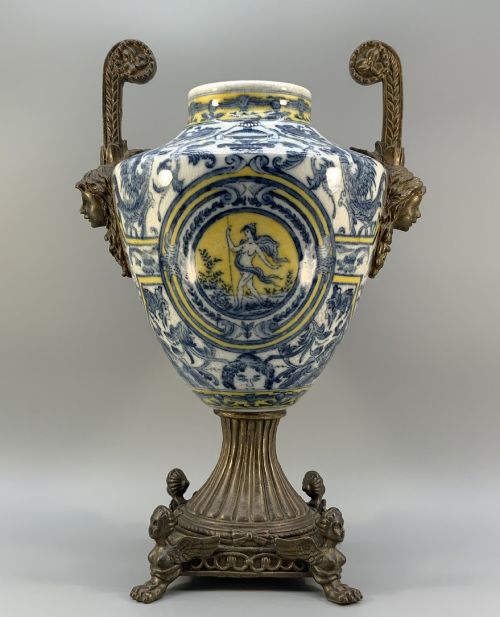
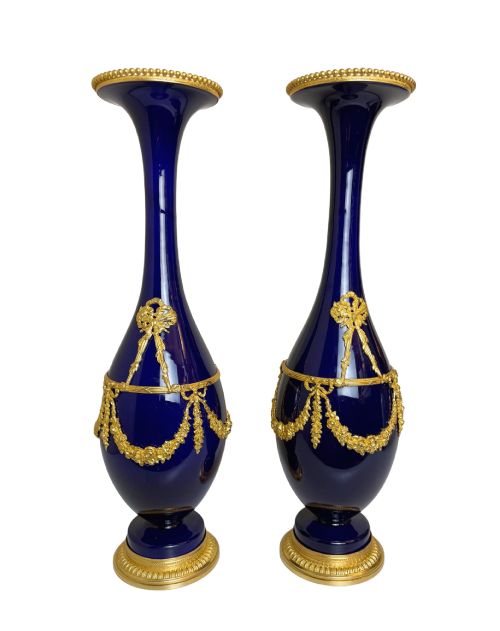
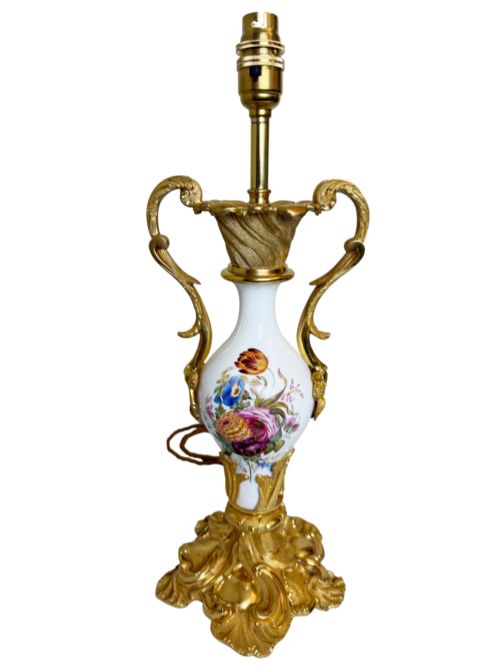
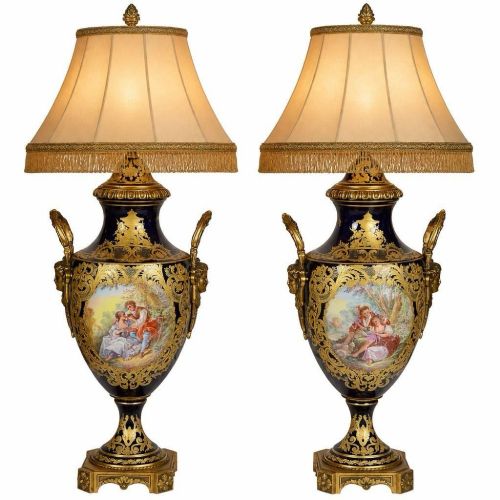
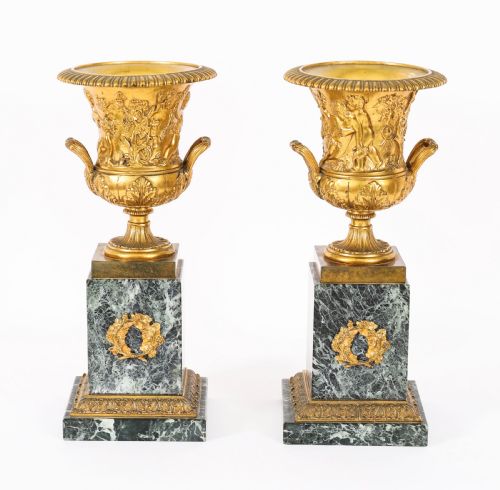
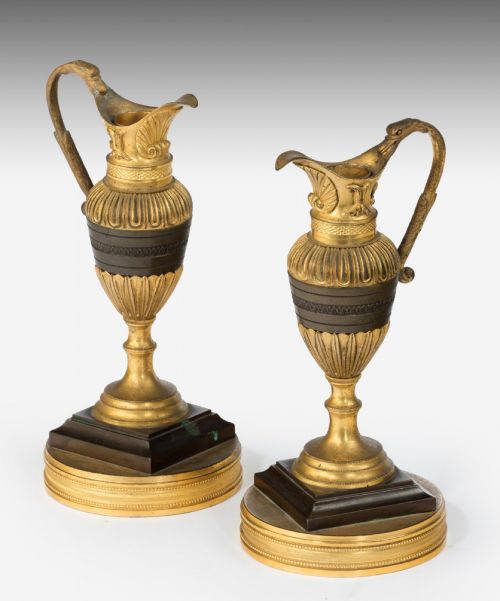
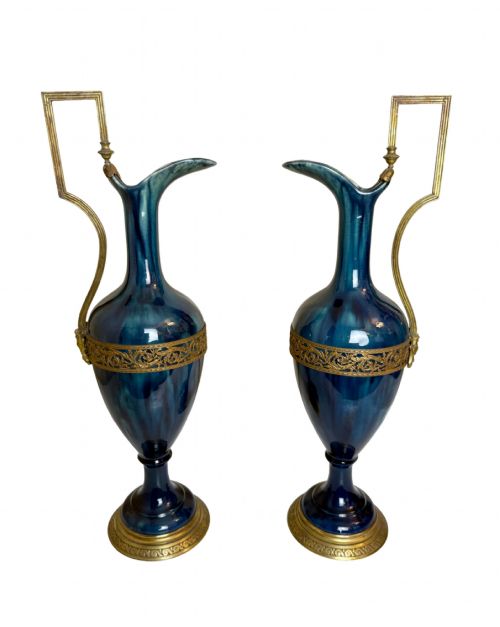
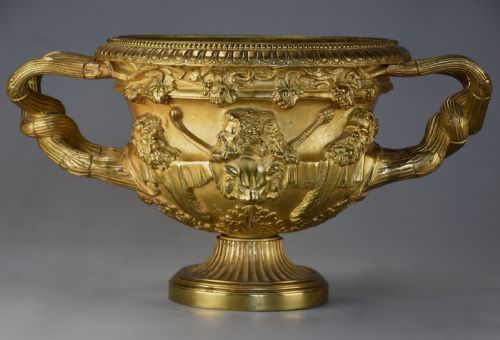
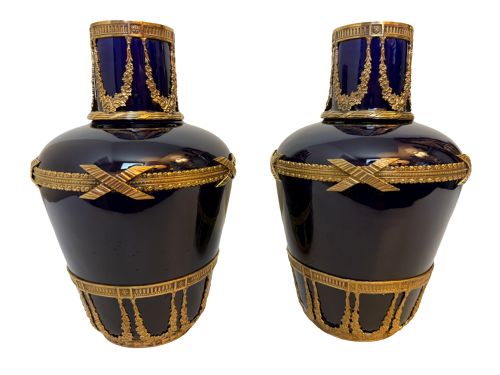
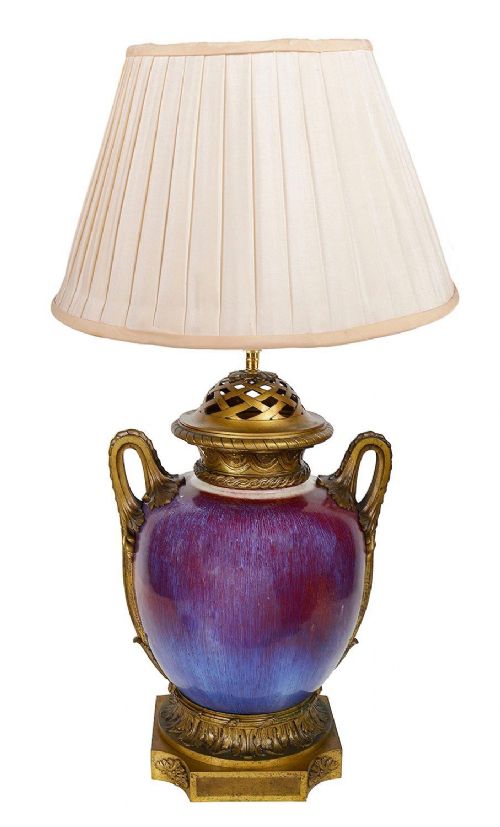
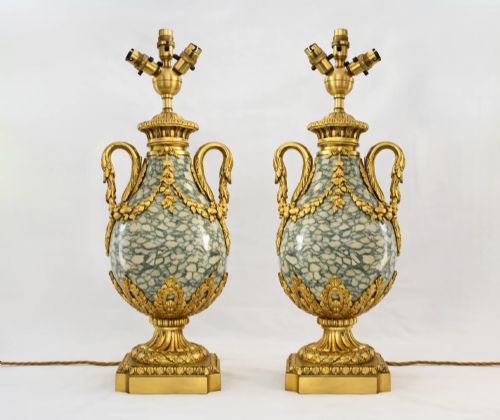
French ormolu vases combine cast gilt bronze mounts with bodies of marble, porcelain, crystal and glass, originating mainly in the nineteenth century.
French Ormolu Vases
French ormolu vases are decorative vessels produced primarily during the nineteenth century, often following neoclassical or Louis XVI styles. Buyers seeking these items encounter pairs designed as mantel ornaments, garniture sets or cassolettes.
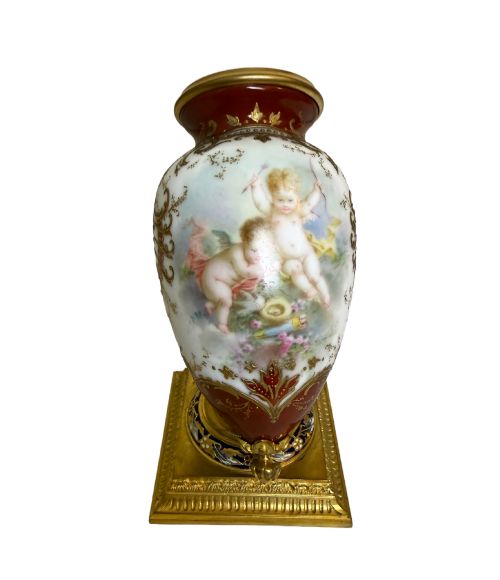
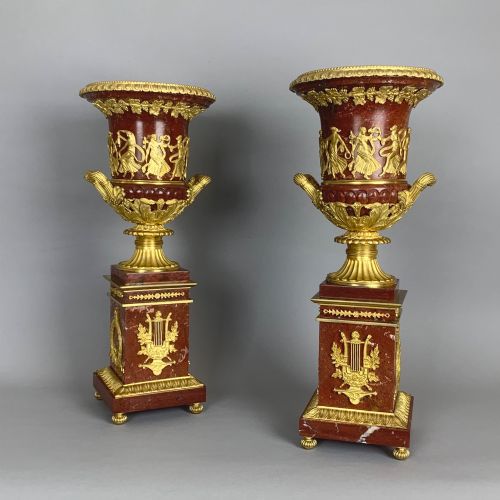
The body materials vary widely, incorporating porcelain such as Sevres style blue and lavender pieces, alongside stones like white onyx, alabastro fiorito, giallo di siena, Cippolino and nero portoro marble. Crystal, cut glass, agate and amethyst also form the central vessels.
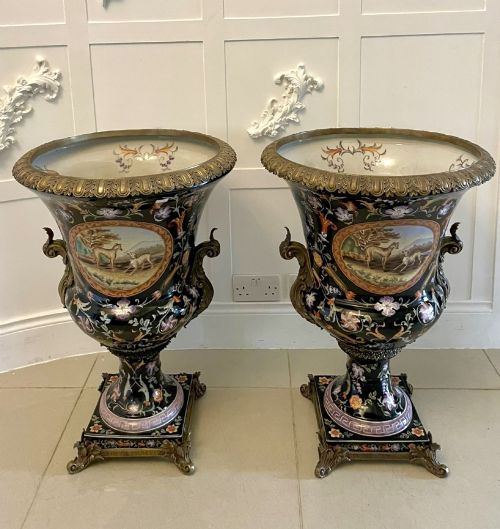
Mounts in gilt bronze or ormolu secure the rims, bases and handles of these objects. Many examples date from the 1880s and 1890s, while others reflect the Grand Tour period or Chinese export porcelain fitted in France.
Materials and Construction
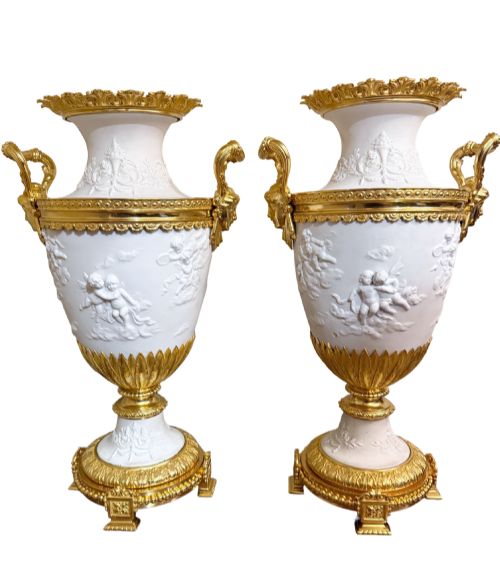
The metal components consist of cast bronze finished with a gold mercury gilding process known as ormolu, creating a durable golden surface. These mounts are screwed, pinned or fitted directly onto carved stone bodies and glazed ceramic forms.
Stones such as marble and onyx are turned on lathes and polished to reveal natural veining and colour variations. Porcelain bodies are fired, glazed and frequently hand-painted with scenes or floral motifs before receiving their bronze mountings.
Retail Price Guide 2026
Typical UK retail prices for french ormolu vases, calculated from the Sellingantiques database of over a million retail prices indexed since 2003. This retail price guide relies exclusively on Sellingantiques data; no external sources or auction records are used, so the figures do not describe the wider market.
Several nineteenth-century pairs spent their early years travelling home in steamer trunks as fashionable souvenirs from grand continental tours.
Evaluating Quality
The crispness of the bronze casting determines the definition in acanthus leaves, bead reels and classical figures on the mounts. Heavier gauge bronze with deep, hand-chased detail indicates superior workshop production compared to lighter, softer castings.
The French Ormolu Vases Glossary
- Ormolu
- Gilt bronze produced by applying a mercury and gold amalgam to cast bronze and heating it to drive off the mercury. This technique creates a rich golden finish that resists tarnishing.
- Cassolette
- A reversible vase or urn that functions either as a closed vessel or, when turned, as a perfume burner with a pierced lid. These often appear in neoclassical marble and ormolu pairs.
- Champlevé
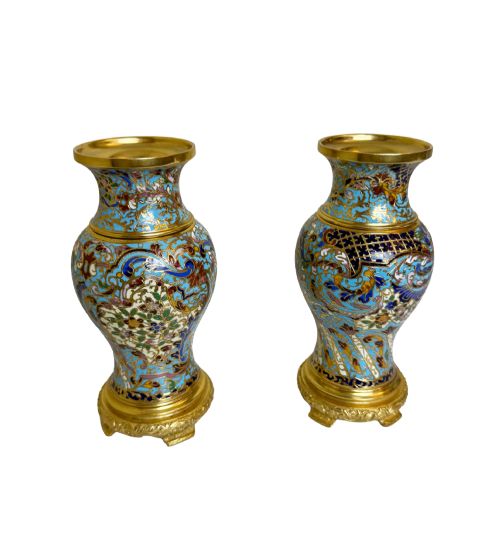
- An enamelling technique where troughs are dug into the surface of a bronze object and filled with vitreous enamel powder before firing. Pieces utilising this method show vibrant coloured patterns within metal borders.
- Grand Tour
- The nineteenth-century practice where wealthy travellers collected souvenirs across continental Europe, frequently acquiring French decorative objects and mounted vases to bring home.
- Sevres style
- A descriptor for porcelain decorated in the manner of the famous French royal factory, often featuring bleu celeste or deep blue glazes painted with putti and floral subjects.
Frequently Asked Questions
What are French ormolu vases?
These decorative pieces combine cast gilt bronze mounts with bodies made from porcelain, marble, onyx or glass.
Produced largely in the nineteenth century, they reflect classical French design influences such as Louis XVI and Empire styles.
How were cassolettes used?
Cassolettes functioned as dual-purpose decorative objects designed to ornament mantelpieces and tables.
The reversible lids allowed them to serve as standard vases or as incense burners for diffusing scents in nineteenth-century interiors.
How do I identify Louis XVI style?
Louis XVI style pieces display strict symmetry, classical architectural proportions and restrained ornamentation.
Look for motifs such as acanthus leaves, pearls, ribbons and geometric swags executed in gilt bronze mounts.
What stones are used for bodies?
Maker workshops utilised various decorative stones, including white marble, rouge marble and distinctive coloured mineral varieties.
Examples incorporate Italian and regional marbles such as nero portoro, Cippolino, giallo di siena and alabastro fiorito.