
19th Century Ormolu
Selecting 19th century ormolu brings gilt bronze mounts, clocks, and tables into a room to catch the daylight.
19th Century Ormolu
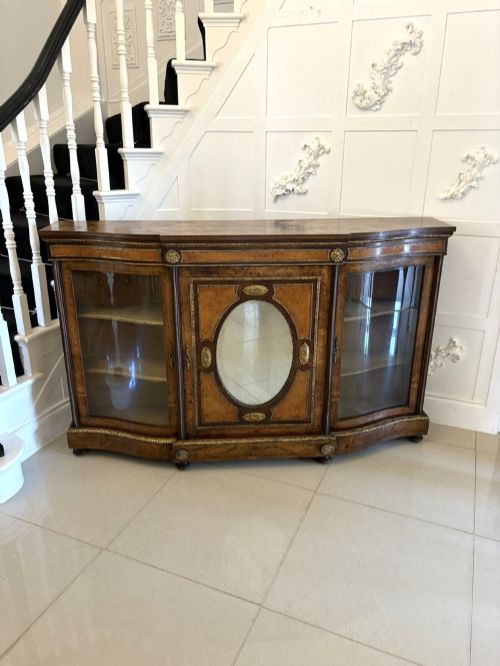
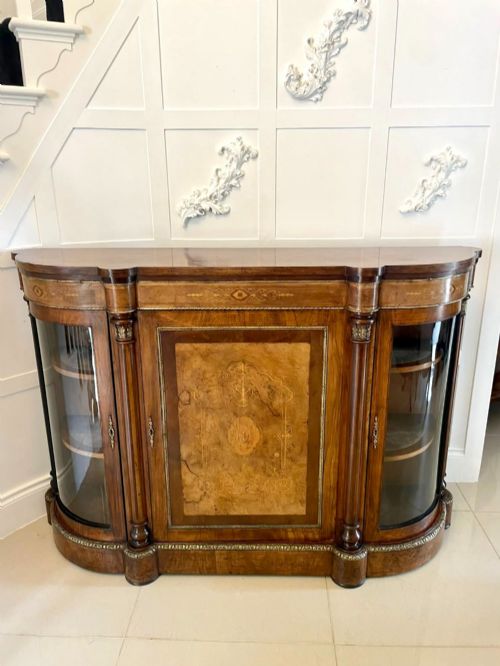
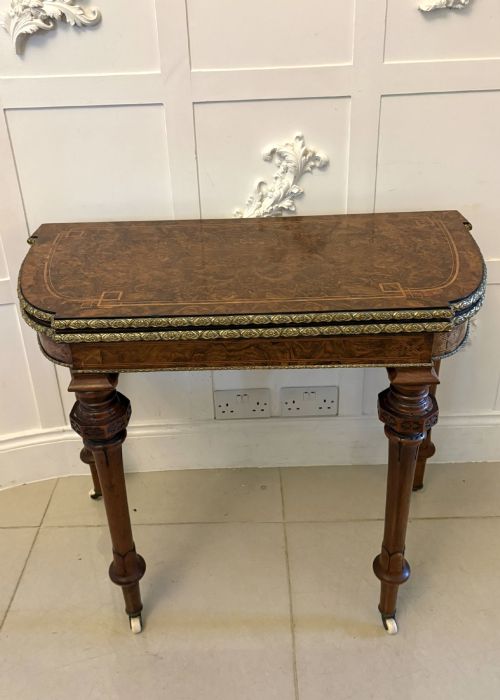
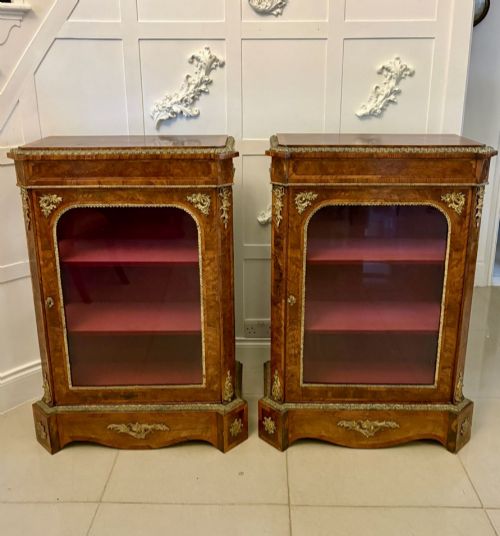
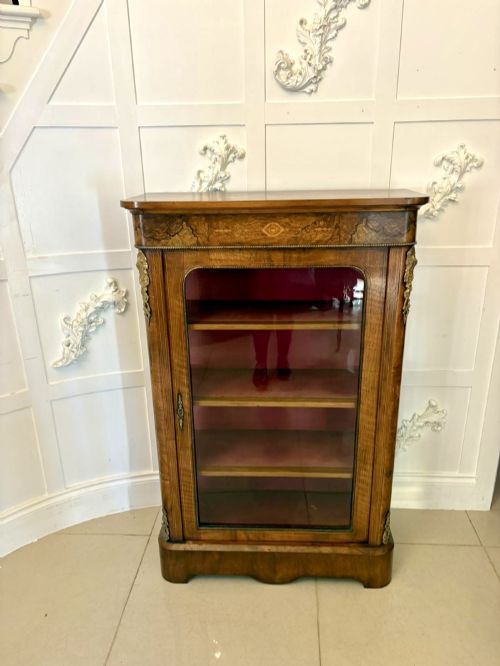
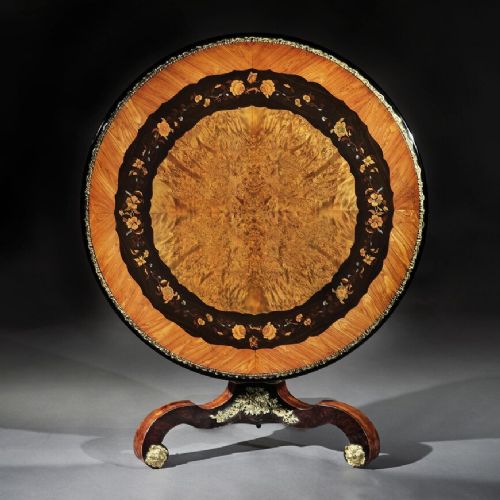
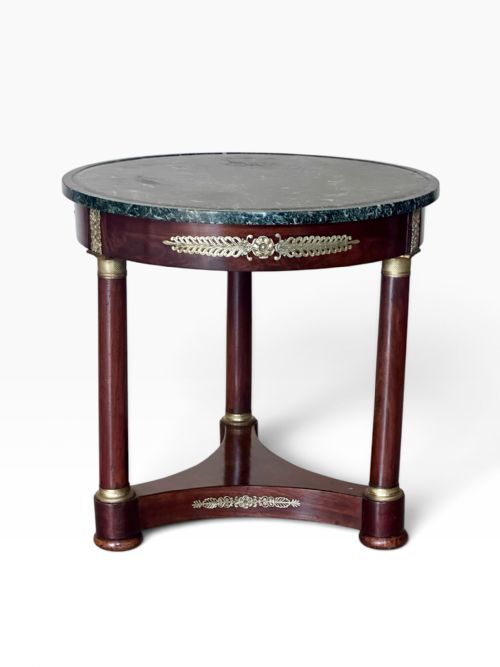
Items associated with 19th century ormolu include decorative gilt bronze mounts applied to furniture, clocks, candelabra, and small display objects. Buyers encounter these pieces integrated into French revival furniture, such as kingwood and walnut desks, cabinets, and centre tables.
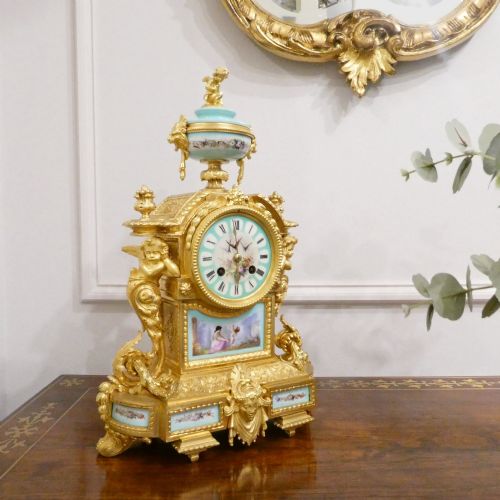
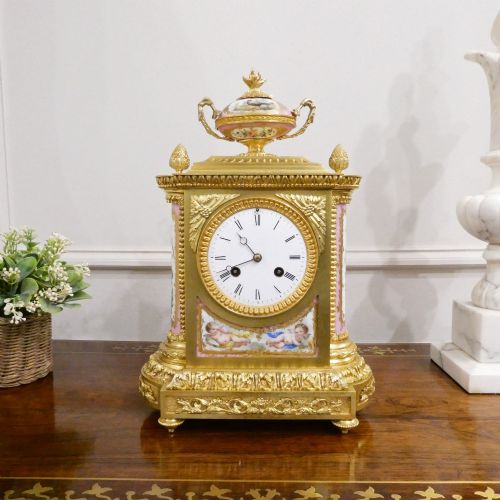
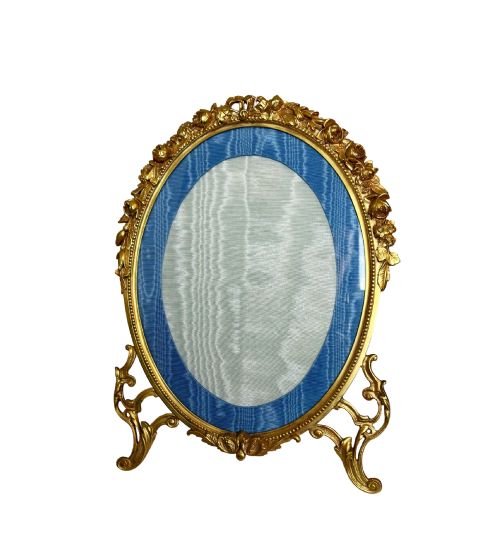
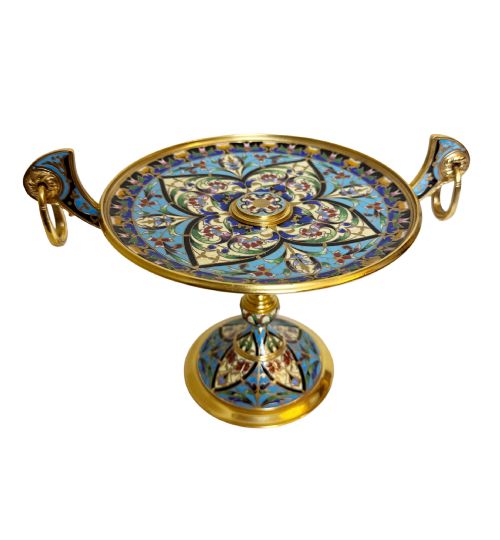
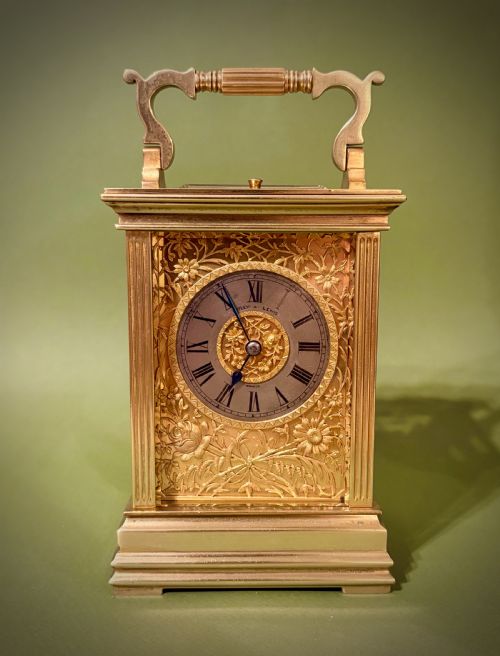
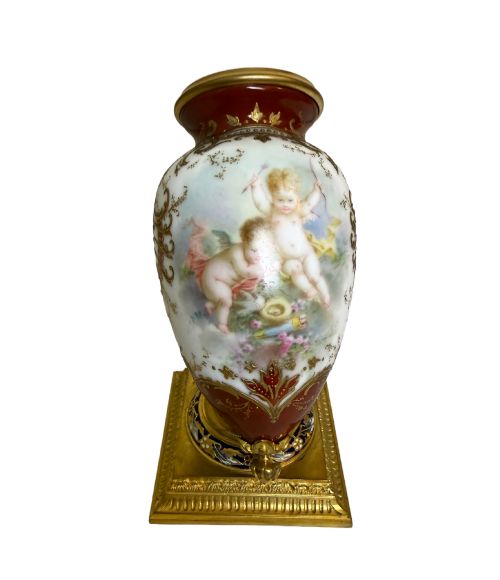
The selection ranges from structural hardware on large credenzas and bureau plat desks down to smaller decorative objects like tazzas, picture frames, and porcelain-mounted mantel clocks. Many items originate from French workshops adhering to Louis XV, Louis XVI, and Empire revival styles.
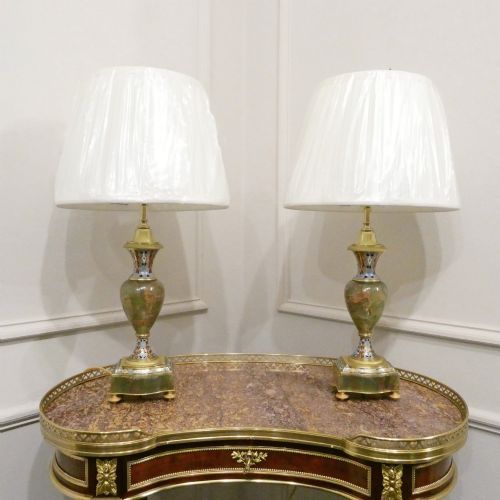
Domestic objects also appear frequently in the form of table lamps, wall appliques, and garniture sets. These pieces combine metalwork with marble, onyx, glass, and painted ceramic panels to create ornamental focal points for period interiors.
How they were made
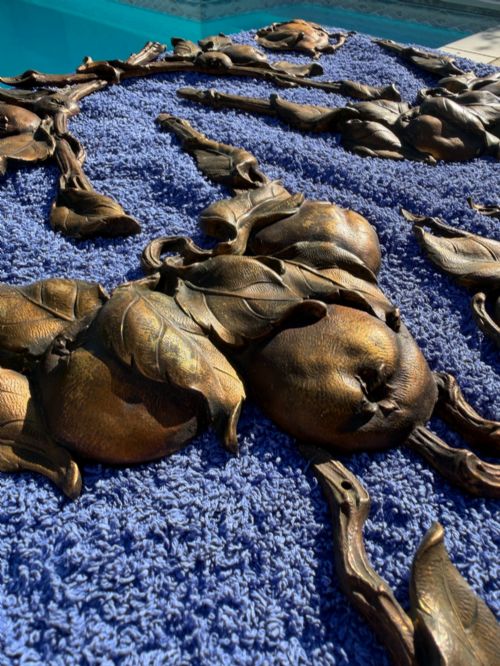
Makers produced ormolu by applying a fine amalgam of mercury and gold to cast bronze bases, which were then heated to drive off the mercury and leave a durable gilded layer. The underlying bronze was typically cast in detailed sections using moulds before undergoing chiselling and hand-finishing.
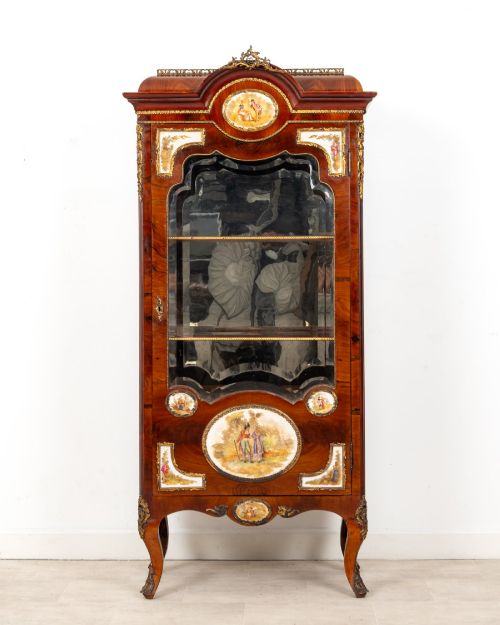
Mounts were then secured to structural woods such as kingwood, walnut, ebonised timber, and mahogany, often alongside marquetry veneers and inlaid panels. Additional components like Sevres porcelain plaques, champleve enamel, and carved marble sections were incorporated into the finished design.
Cherubs and lions watch over mantel clocks and candelabra from their perches on marble pedestals.
What varies in quality
The precision of the metal chiselling determines the crispness of leaf motifs, figurative details, and scrollwork on the bronze surface. Higher grade pieces exhibit deep relief and sharp definition, while simpler items show softer, shallower casting lines.
Integration with the supporting material also indicates standard, as superior mounts sit flush against the timber, marble, or porcelain without awkward gaps. The weight of the bronze and the depth of the surviving gilding distinguish standard commercial items from workshop productions.
Francois Linke·Edward Holmes Baldock·Japy Freres·Achille Brocot·Johnstone And Jeanes
The 19th Century Ormolu Glossary
- Ormolu
- Gilt bronze ornamentation applied to furniture, clocks, and decorative objects during the eighteenth and nineteenth centuries.
- Champleve
- An enamelling technique where troughs are dug into a metal surface and filled with vitreous paste before firing.
- Tazza
- A shallow ornamental cup or vase raised on a standard and foot, often formed from marble or glass with metal mounts.
- Bureau Plat
- A freestanding double-sided writing desk featuring a flat top and mounted decorative borders.
- Garniture
- A set of matching ornamental vases, urns, or figures designed to sit together on a mantelpiece.
19th Century Ormolu: Frequently Asked Questions
What is 19th century ormolu?
It is gilded bronze ornamentation applied to decorative objects, clocks, and furniture throughout the eighteen hundreds.
Craftsmen used these metal mounts to accent wood surfaces, marble columns, and porcelain panels.
How do you clean ormolu?
Maintenance requires only a soft, dry cloth to remove dust from the recessed areas of the bronze.
Harsh metal polishes and chemical cleaners strip away the historical gilding layer permanently.
Where were these pieces made?
The majority of these items originate from Parisian workshops producing furniture and decorative arts for the export market.
English cabinet makers also imported and utilised these French bronze mounts on domestic furniture.
How do you spot revival styles?
Revival items copy the curves and symmetry of earlier periods like Louis XV and the French Empire.
Manufacturers combined these historical motifs with nineteenth-century mechanical movements and construction methods.