





Ornate Brass Vases
These ornate brass vases bring substantial 19th-century weight and decorative flourish to a room, combining heavy metalwork with porcelain, enamel, and onyx.
Ornate Brass Vases
When you search for ornate brass vases, you are looking at substantial decorative vessels from the Victorian and late 19th-century periods, often manifesting as French pairs or mounted pieces. These items include two-handled trophy vases, pierced brass cylinders, and wall pockets that showcase the period's love for heavy ornamentation.
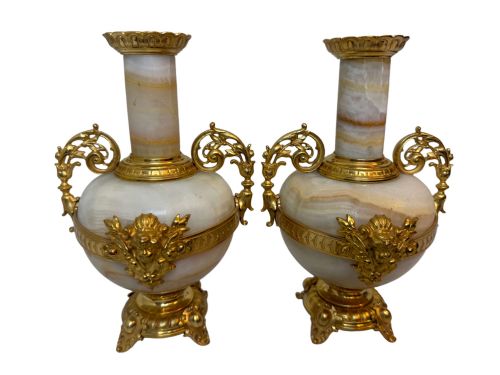
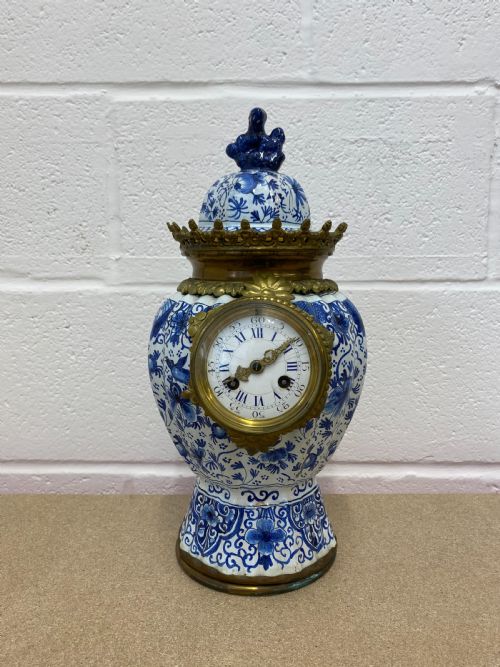
The versions you are most likely to meet on this page lean heavily into French styles like Napoleon III, Rococo Revival, and Neoclassical designs. Many examples combine brass or gilt bronze with contrasting materials such as white onyx, crystal, and porcelain.
Makers and manufacturers during this era frequently turned utilitarian forms into sculptural display pieces, integrating figural handles and intricate floral motifs. The resulting objects served as mantel ornaments or centrepieces in nineteenth-century drawing rooms.
How they were made
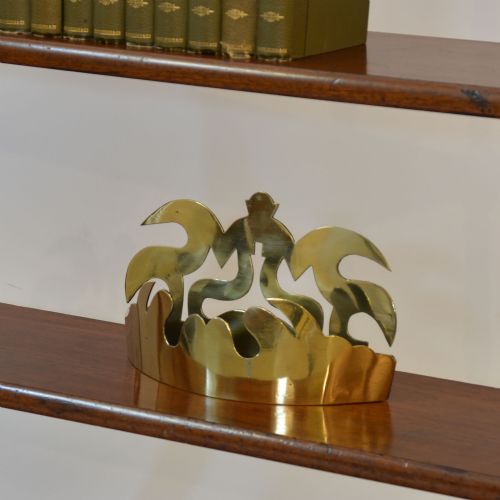
The construction of these pieces relies heavily on cast and pierced brass, often combined with gilt bronze or ormolu to provide contrasting surface finishes. Artisans utilised champlevé enamel and hand-painted porcelain inserts to add colour and texture to the metallic frameworks.
Complex vessels frequently integrated multiple components, mounting delicate crystal bodies or white onyx columns into heavy metal bases with threaded fixings. Ewers and trophy vases featured applied figural elements, such as dolphins or mythological figures, soldered or pinned to the main body.
Ornate Brass Vases Retail Price Guide 2026
Typical asking prices for ornate brass vases among the pieces listed under this phrase on Sellingantiques today, from the lower quarter to the upper quarter. They describe what is for sale here now, not the wider market.
Materials recorded across the inventory include brass, gilt bronze, champlevé enamel, porcelain, white onyx, and crystal.
What varies in quality
The distinction between standard production and superior quality lies in the crispness of the casting and the depth of the chasing on the brass or gilt bronze surfaces. Finer examples display sharp detail in figural handles and floral motifs without the blurring often seen in mass-produced items.
The selection of secondary materials also dictates the grade of the piece, with genuine white onyx, high-grade crystal, and well-fired champlevé enamel elevating the overall manufacture. Pierced work that shows careful hand-finishing rather than crude stamping indicates a superior workshop origin.
The Ornate Brass Vases Glossary
- Gilt bronze
- Bronze that has been coated with a thin layer of gold to give a rich, uniform metallic finish. This technique protects the underlying metal from tarnishing while providing a bright surface.
- Champleve enamel
- An enamelling technique where troughs are carved into the metal surface and filled with vitreous enamel powder before firing. The piece is then polished smooth to sit flush with the brass lines.
- Ormolu
- A method of applying finely ground, high-carat gold-mercury amalgam to a bronze object. The mercury is driven off by heat, leaving a durable golden coating.
- Wall pocket
- A decorative vessel with a flat back designed to be hung directly on a wall for displaying dried or fresh stems. These items were popular in Victorian interiors for utilising vertical wall space.
- Jardiniere
- A large ornamental pot or stand designed to hold live plants or floral arrangements. They frequently appear in matching pairs alongside related vases and garniture sets.
Ornate Brass Vases: Frequently Asked Questions
What periods do these vases come from?
The listings span the Victorian era and the broader nineteenth century, with specific dates clustering between 1870 and 1900. You will frequently encounter items attributed to the late 19th century and the 1880s.
Stylistic influences from this timeframe include Neoclassical, Rococo Revival, and early Art Nouveau designs, reflecting changing European tastes across the decades.
How were these vases originally used?
These decorative objects served primarily as permanent mantelpiece displays, often as part of matching pairs or larger clock garniture sets. They were designed to catch the eye in formal drawing rooms rather than hold daily arrangements of water and fresh flowers.
Some specialised forms, such as wall pockets and jardinieres, were intended specifically for foliage or mounted display on interior walls.
Are these vases usually found in pairs?
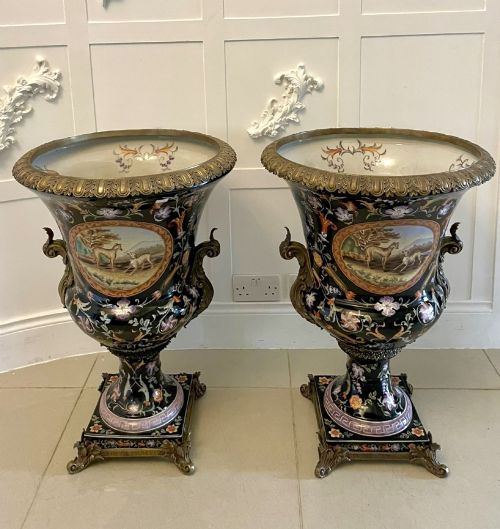
Many of the surviving examples on this page are offered as matching pairs, which reflects how they were originally manufactured and displayed on nineteenth-century mantelpieces. Pairs of urns, ewers, and trophy vases were standard for symmetrical interior decoration.
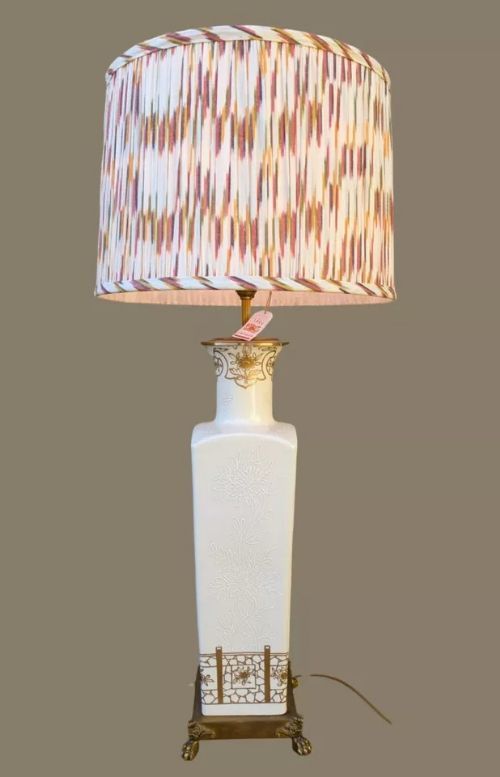
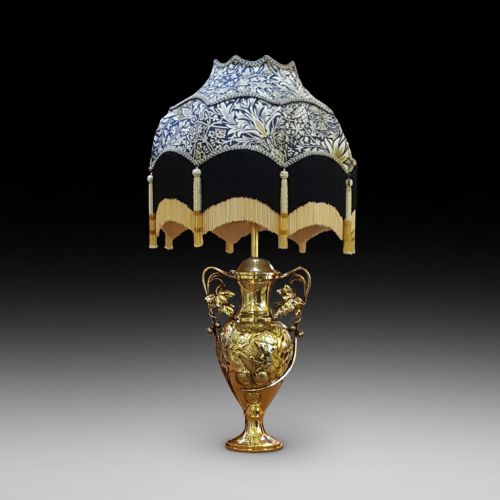
Single pieces also appear, including individual wall pockets, centrepieces, and lamp conversions from the same era.
What materials besides brass are used?
Makers frequently combined brass and gilt bronze with contrasting elements such as white onyx, hand-painted porcelain, and cut crystal bodies. Enamel work, particularly champlevé, appears on several pieces to introduce vibrant colour into the metallic design.
These mixed-media constructions highlight the decorative ambitions of nineteenth-century workshops.