
Antique Gilt Bronze
Antique gilt bronze pieces bring French rococo and neoclassical elegance to interiors through heavily chased metalwork and mounted porcelain.
Antique Gilt Bronze
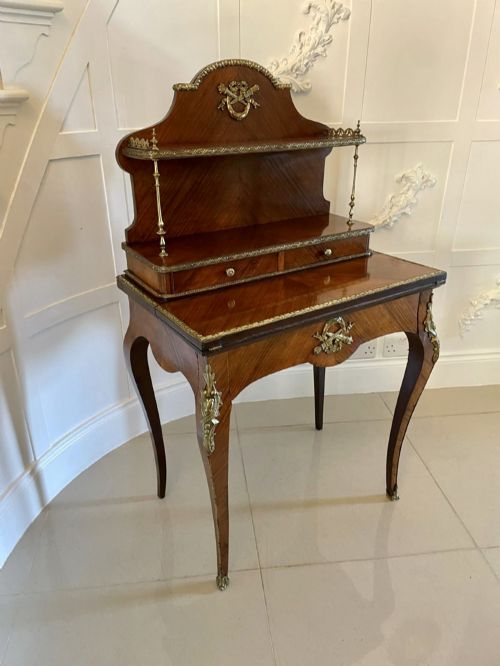
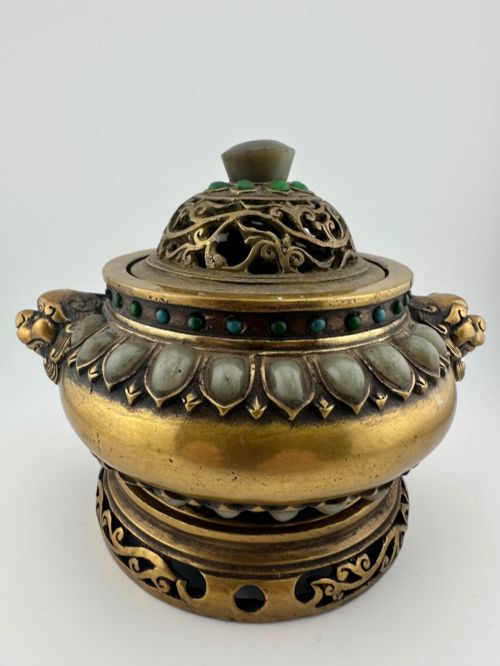
When searching for antique gilt bronze, buyers encounter a wide array of domestic and decorative objects originating primarily from nineteenth-century France. The selection spans utilitarian lighting and timepieces to grand furniture mounts and mantel garnitures.
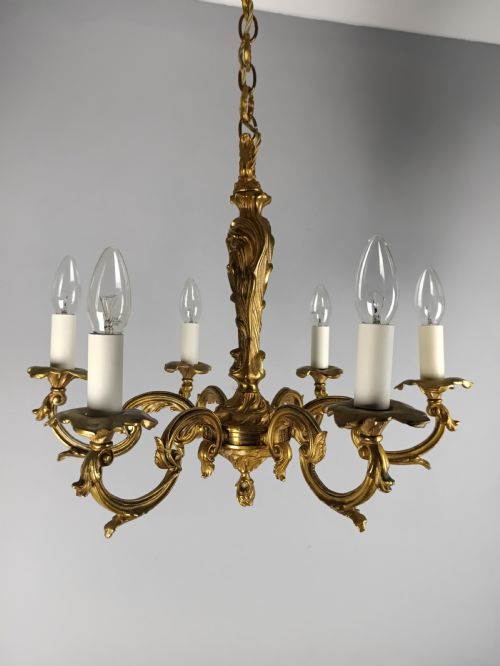
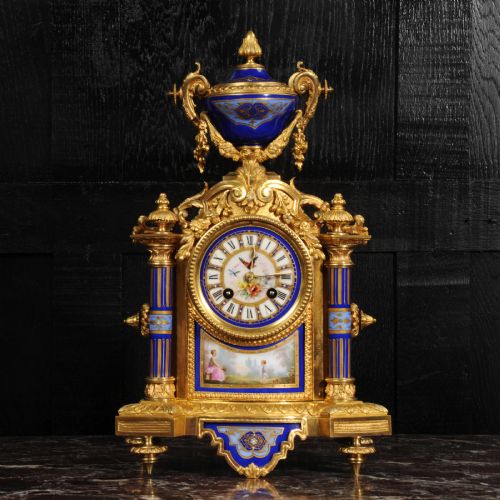
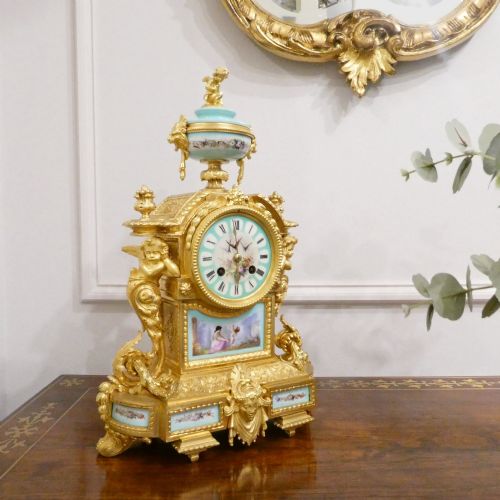
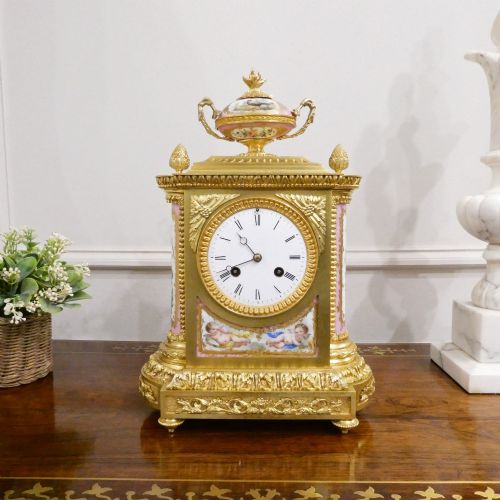
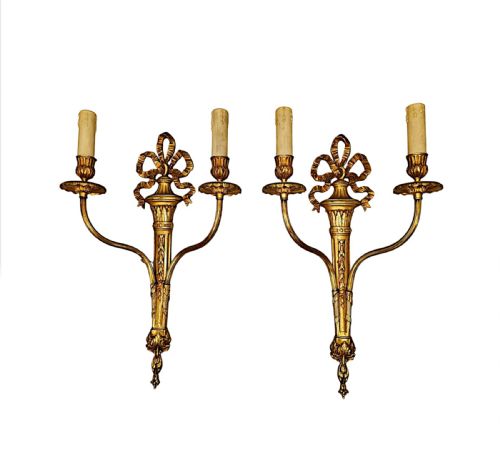
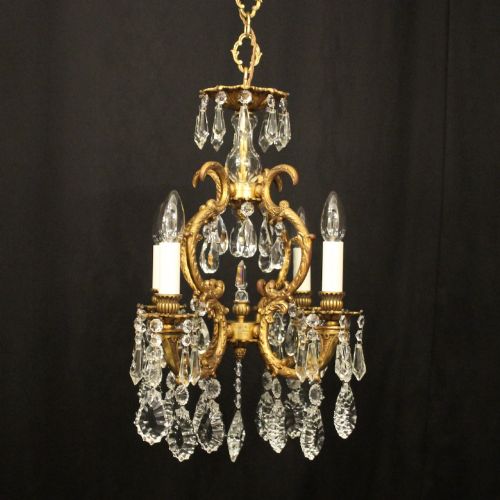
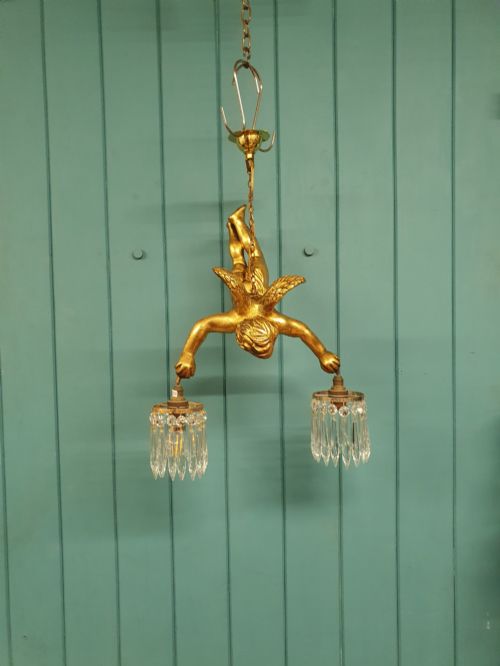
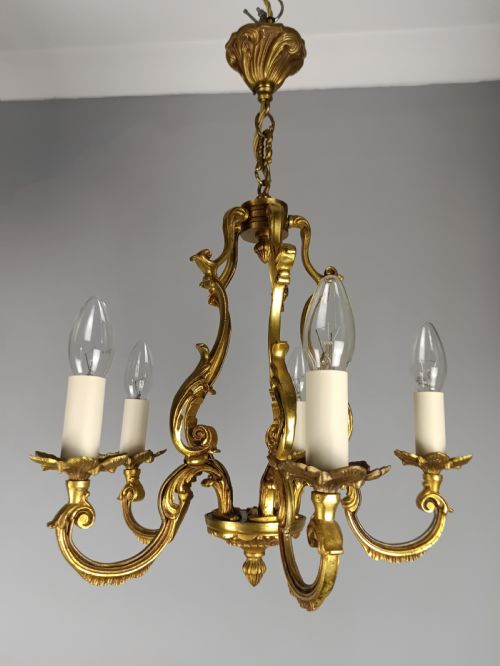
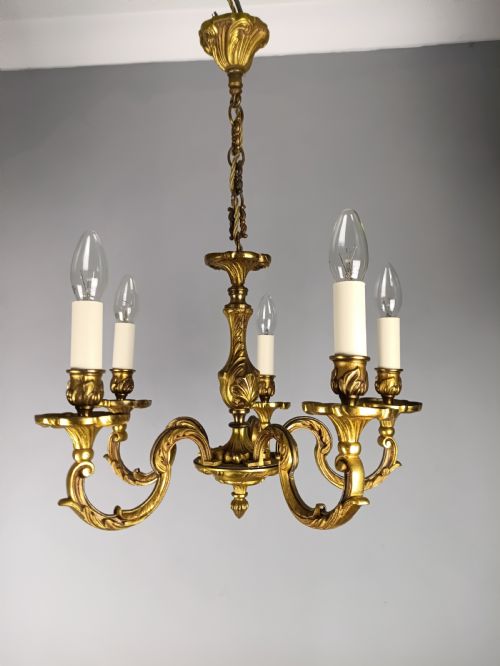
Chandeliers, wall lights, and mantel clocks dominate the category, frequently paired with Sèvres porcelain plaques or coloured marble columns. These items reflect prevailing historicist movements including the Louis XVI revival and French empire styles.
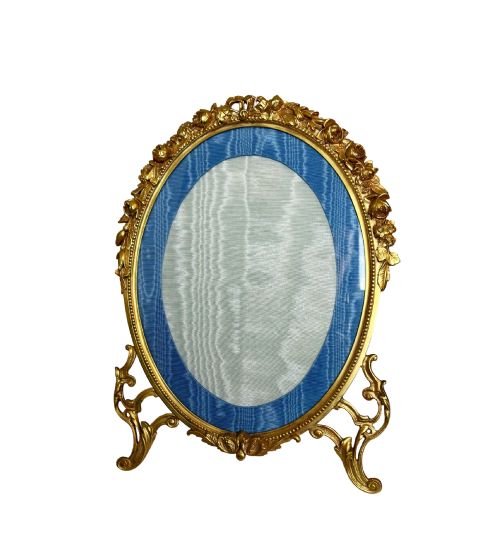
Smaller decorative items such as picture frames, mirrors, and inkwells also appear regularly. These domestic accessories incorporate detailed cast ornamentation that echoes larger architectural fixtures of the period.
Materials and construction methods
The creation of these objects relies on foundational metal casting combined with a mercury amalgamation gilding technique known as ormolu. Artisans also integrated contrasting elements such as cut crystal, onyx, and hand-painted porcelain panels into the bronze framework.
Chasing and hand-finishing determine the sharpness of the final surface relief after the casting stage. Craftsmen used fine tools to define hair, drapery, and foliate scrolls before applying the gold leaf or amalgam.
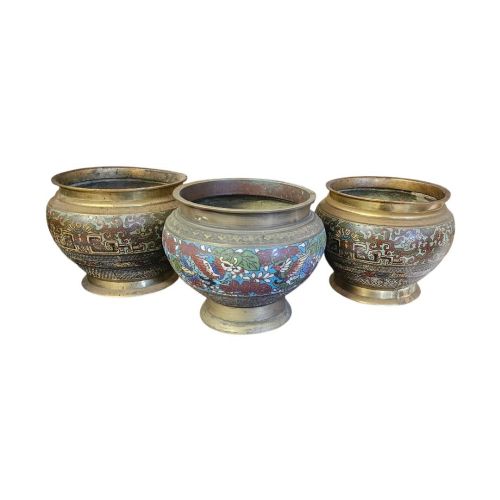
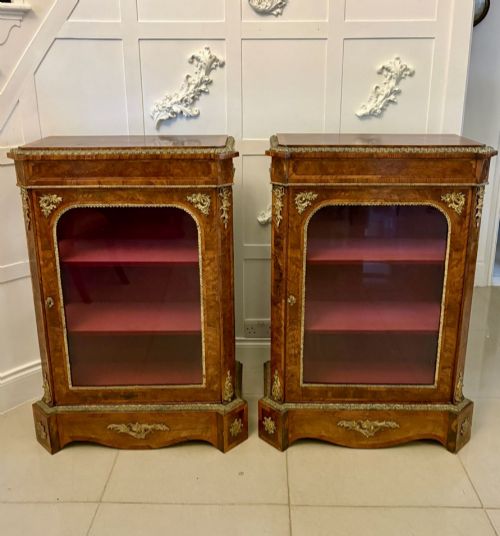
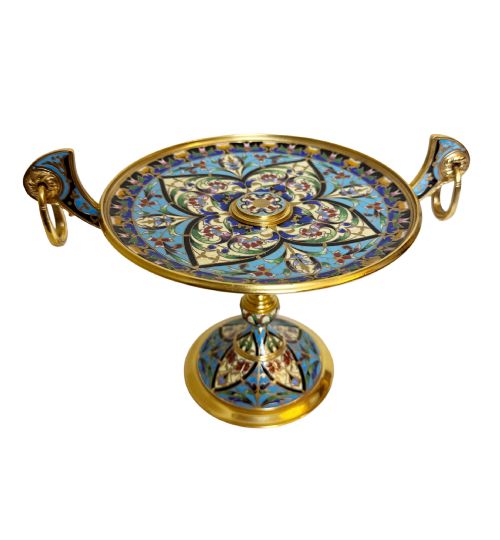
Materials paired with the metal include Sèvres porcelain, champleve enamel, kingwood, burr walnut, and French onyx.
Assessing quality in metalwork
Depth and crispness of the chasing separate standard production pieces from exceptional workshop creations. Superior items display clean undercutting and distinct textural variations that remain sharp across every visible surface.
The weight of the bronze casting and the quality of secondary materials such as fire-gilt finishes or genuine porcelain plaques dictate the overall standard. Maker signatures and complete, untouched mechanisms on clocks further distinguish high-grade examples.
Japy Freres·Jean-Baptiste Delettrez·Edward Holmes Baldock·Poix Blin·Achille Brocot·Etienne-Henri Dumaige·Susse Freres
The Antique Gilt Bronze Glossary
- Ormolu
- A term denoting high-fineness gold applied to a bronze base via a mercury-gilding process. It provides a warm, durable metallic finish characteristic of French decorative arts.
- Champlevé
- An enamelling technique where troughs are dug into a metal surface and filled with vitreous paste before firing. This method creates colourful geometric or floral patterns.
- Chenet
- An ornamental andiron placed at the front of a hearth to hold logs. These metal supports often feature cast figural motifs or torch designs.
- Cassolette
- A dual-purpose decorative vase that functions either as a perfume burner or as a covered urn. They frequently combine marble bodies with chased metal mounts.
- Gueridon
- A small cylindrical pedestal table supported by a central column or several legs. These tables often feature marquetry tops surrounded by cast rims.
Antique Gilt Bronze: Frequently Asked Questions
What is the difference between ormolu and gilt bronze?
Ormolu specifically describes objects treated with a mercury-gilding technique common in eighteenth and nineteenth-century France. Gilt bronze serves as a broader descriptive term for any bronze object coated in gold.
Both finishes yield a deep, rich metallic lustre when preserved correctly. Collectors often use the terms interchangeably depending on the regional origin of the piece.
How can I date my bronze clock?
Examine the movement stamp for maker marks and serial numbers corresponding to known registry dates. Stylistic indicators like dial numerals and case motifs also point toward specific decades.
Consulting historical records helps narrow down the production window. Many nineteenth-century French clocks bear stamps from established Parisian ateliers.
Where were these pieces displayed historically?
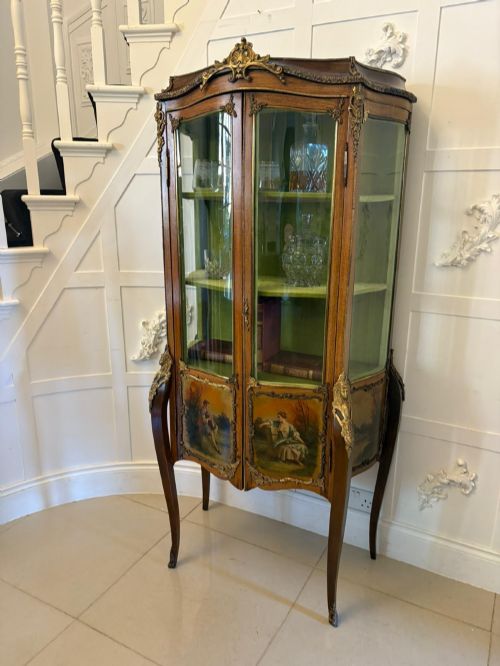
Grand salons and drawing rooms featured large chandeliers, girandoles, and mantel garnitures as symbols of status. Console tables and vitrines showcased smaller decorative items and porcelain boxes.
Lighting fixtures illuminated formal entertaining spaces in wealthy European households. Every room utilised metalwork to reflect candlelight and gas illumination.