




Napoleon III Vases
Napoleon iii vases bring grand French display to a room, combining porcelain, gilt bronze, and rich enamel.
Napoleon III Vases
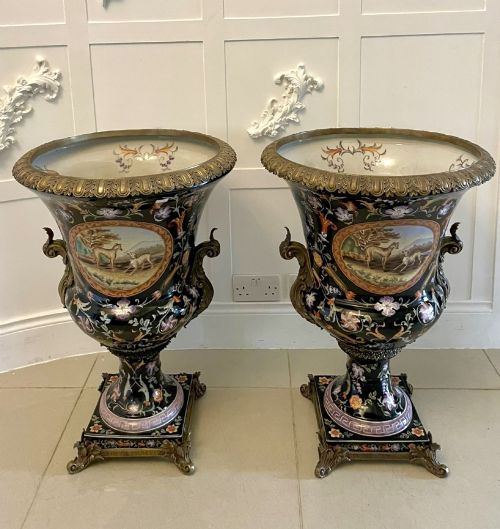
When you search for napoleon iii vases, you encounter decorative vessels shaped by nineteenth century French design tastes. These pieces range from pairs of lidded urns to jardinieres and clock garniture sets intended for formal mantelpieces and side tables.
The objects seen on this page predominantly date from the nineteenth century, including periods around eighteen eighty and eighteen ninety. They draw heavily on French Rococo Revival, Neoclassical, and French Empire styles.
Buyers most frequently meet pairs of decorative vases and urns mounted in ormolu or brass. Their forms emphasise symmetry and display, reflecting the opulent interior aesthetics of the era.
How they were made
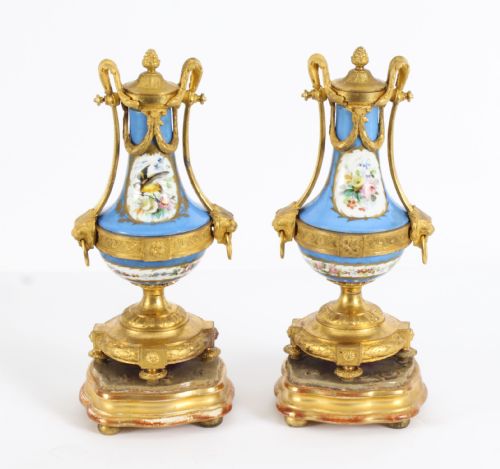
The construction of these pieces relies on combining ceramic bodies with cast metal mounts. Porcelain and pottery serve as the primary vessel structures, often glazed in bleu celeste or pink hues.
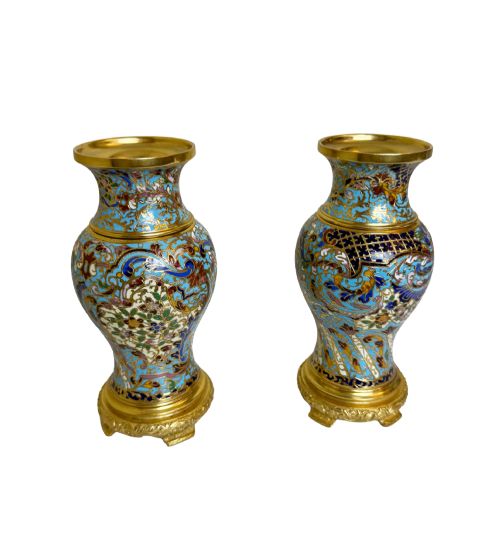
Metalworkers utilised gilt bronze, ormolu, and brass to create elaborate handles, bases, and rims. Champleve enamel frequently adds colourful surface decoration within recessed metal compartments.
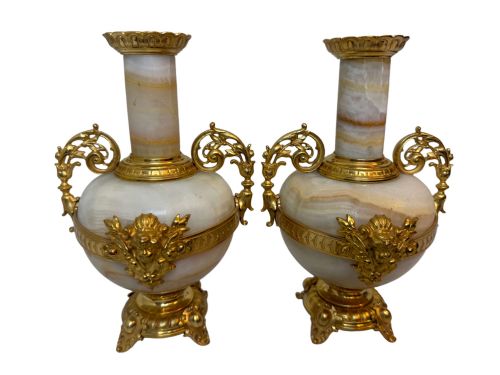
Natural stones such as white onyx and quartz marble provide solid, weighty plinths and bodies. These varied materials were assembled with threaded rods and pins characteristic of nineteenth century manufacturing methods.
Napoleon III Vases Retail Price Guide 2026
Typical asking prices for napoleon iii vases among the pieces listed under this phrase on Sellingantiques today, from the lower quarter to the upper quarter. They describe what is for sale here now, not the wider market.
Materials recorded on this page include white onyx, quartz marble, brass, and ormolu, reflecting varied manufacturing traditions of the period.
What varies in quality
Quality in these decorative items rests primarily on the crispness of the bronze casting and the depth of the gilding. Finer examples display sharp chasing on the metal mounts where hand tools have defined the botanical or scroll motifs.
The standard of the ceramic body and hand painting also dictates value. Superior porcelain pieces feature carefully controlled kiln firings, smooth glazes, and delicately executed enamel work rather than flat, mechanical transfer prints.
The integration of materials reveals the maker's skill. High tier items ensure that stones like white onyx and marble are tightly fitted to their metal mounts without excessive gaps or awkward joins.
Sevin Barbedienne
The Napoleon III Vases Glossary
- Ormolu
- Gilt bronze mounted on decorative objects, created by applying a gold amalgam to heated bronze. This technique produced a durable, rich golden surface typical of luxury French furnishings.
- Champleve
- An enamelling technique where troughs are dug into a metal surface and filled with vitreous enamel powder before firing. The resulting coloured glass designs sit flush with the surrounding metal partitions.
- Bleu celeste
- A bright sky blue ceramic glaze popular in nineteenth century French porcelain production. It is frequently seen on pieces associated with Sevres style output.
- Garniture set
- A coordinated group of decorative vessels, usually numbering three or five pieces, arranged symmetrically on a mantelpiece. They typically comprise a central clock flanked by matching vases or urns.
Napoleon III Vases: Frequently Asked Questions
What rooms suit napoleon iii vases?
These decorative objects command attention in formal living spaces, entrance hallways, or dining rooms. Their ornate metal mounts and coloured glazes complement period interiors and traditional mantelpieces.
Pairs look particularly striking placed on console tables or flanking a mirror. Their substantial presence requires adequate surface depth and stable placement away from busy household traffic.
How do I clean gilt bronze mounts?
Dust bronze and ormolu mounts gently with a soft, dry brush to prevent dirt buildup in recessed details. Avoid harsh chemical cleaners or abrasive cloths that can strip the historic gold gilding.
Professional conservation advice should be sought if the metal requires deeper cleaning. Moisture must be kept away from porous stones like white onyx during any routine maintenance.
Were these vases used for flowers?
Many urns and jardinieres were functional vessels intended to hold genuine botanical displays or dried arrangements. However, a significant number served purely as decorative mantel ornaments.
Examining the interior of a vessel often reveals whether water or soil was historically introduced. Purely decorative pieces frequently retain clean, unblemished ceramic interiors designed solely for visual impact.
How do I distinguish Sevres style from genuine Sevres?
Sevres style pieces emulate the aesthetics, colours, and decorative motifs of the famous French royal manufactory without having been produced there. They often date from the later nineteenth century revival periods.
Genuine pieces carry specific factory marks beneath the glaze, whereas style pieces may bear pseudo marks or decorative ciphers. Close inspection of the paste quality and enamel application helps clarify the distinction.