
19th Century French Vases
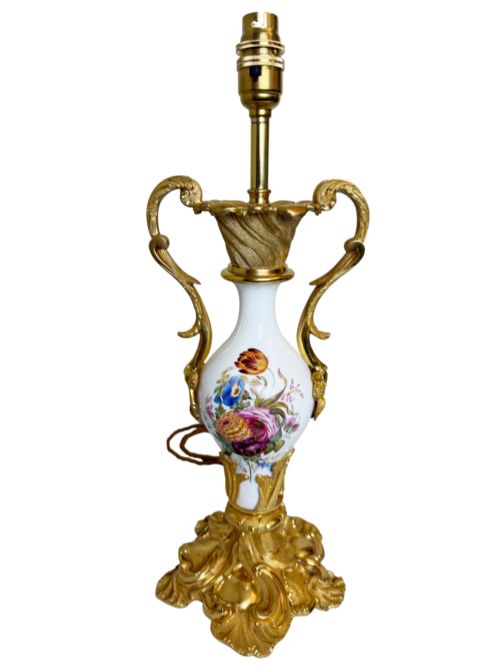
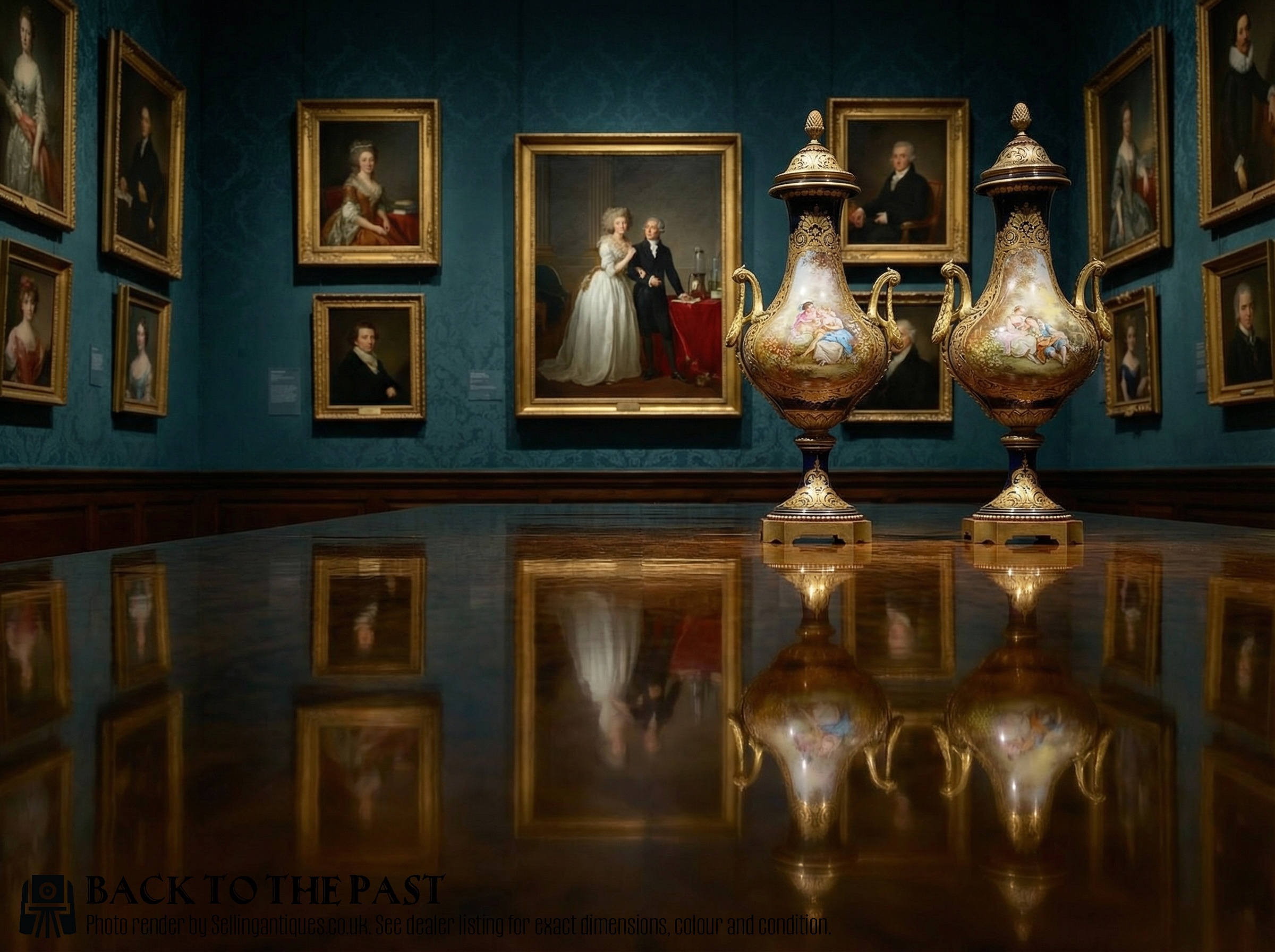
These 19th century french vases bring decorative presence to a room, combining porcelain, opaline glass, and bronze mountings.
What 19th century french vases are
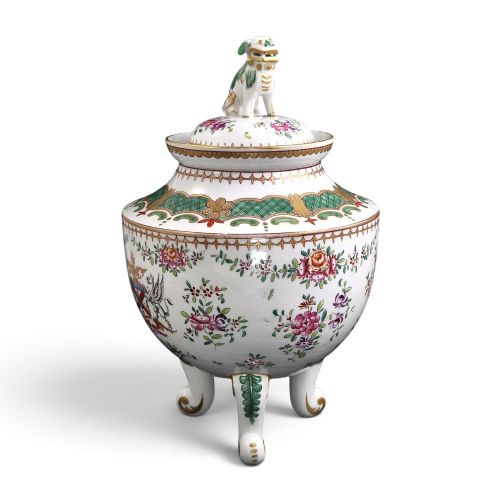
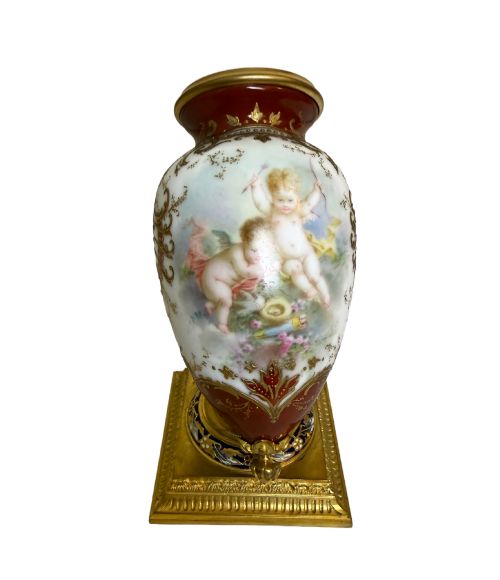
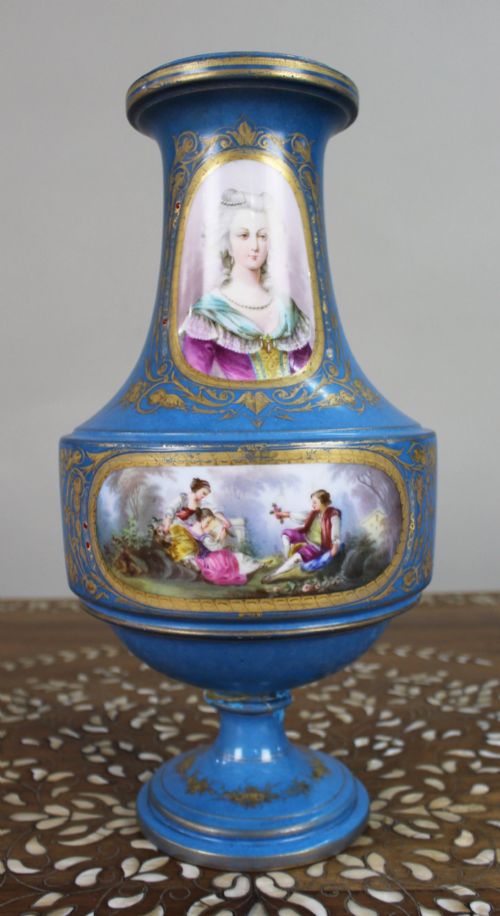
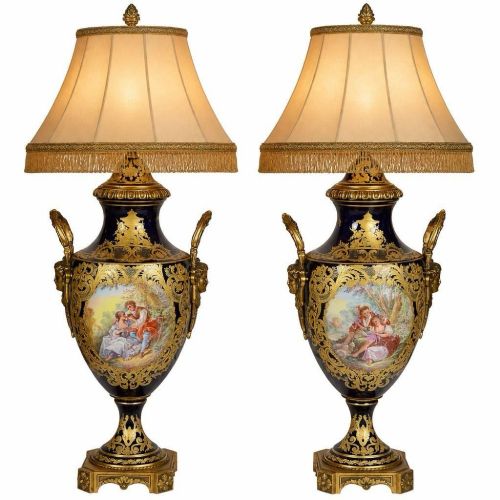
You are most likely to meet pairs designed for mantelpiece displays, often styled after Sevres or utilising porcelain and opaline glass. These items frequently feature hand-painted floral motifs and raised white enamel work.
Materials and construction
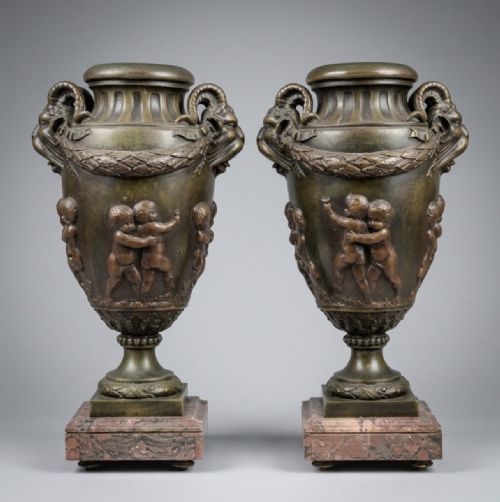
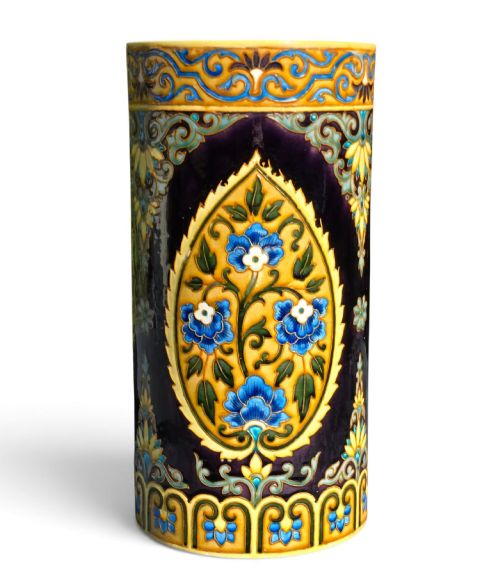
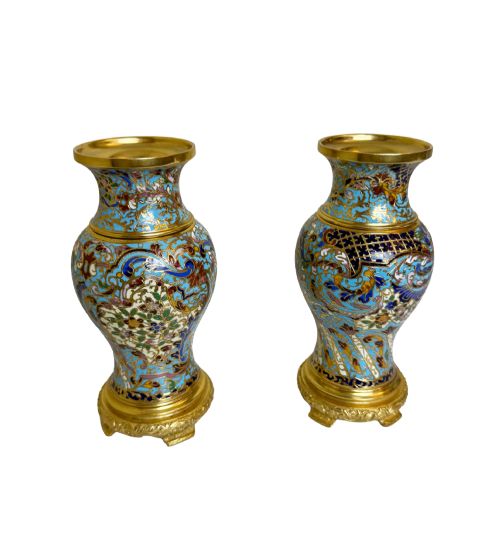
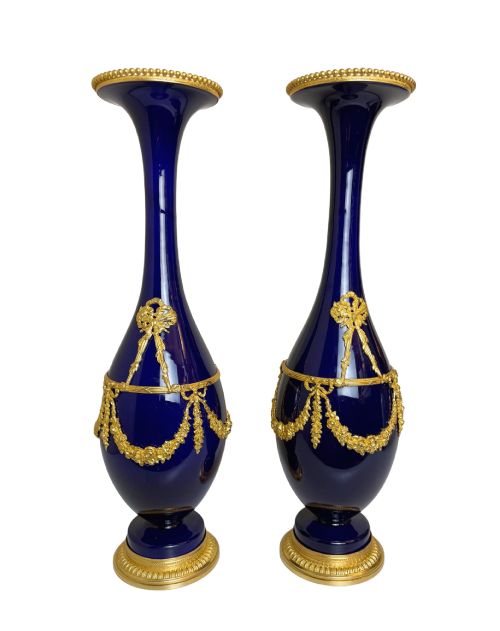
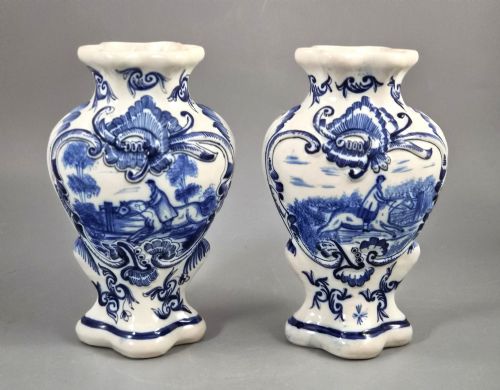
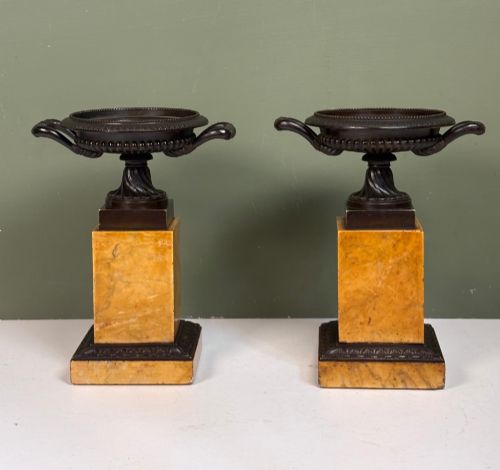
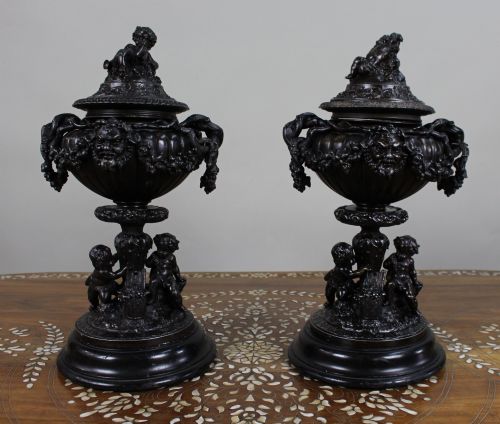
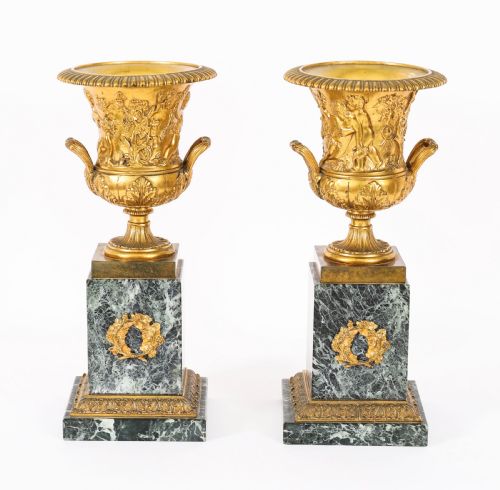
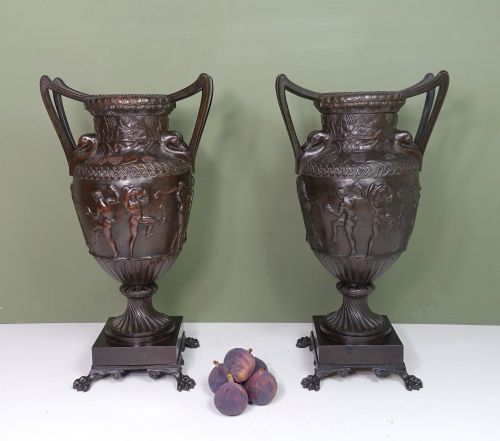
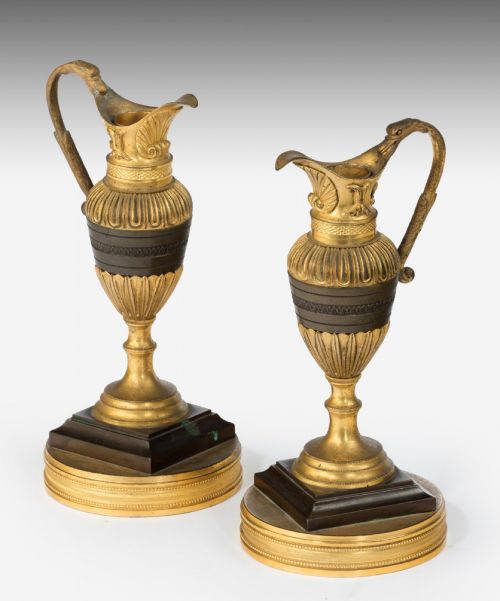
The listings record porcelain, opaline glass, and faience Rouen as primary bodies, augmented by enamel and hand-painted decoration. Metalwork components utilise gilt bronze, ormolu, gilt metal, gold leaf, and bronzed spelter.
Makers integrated these materials into composite pieces, mounting porcelain or glass bodies upon marble plinths or within cast metal frames. Details include raised white enamel and hand-painted floral panels applied across various vessel types.
Retail Price Guide 2026
Typical UK retail prices for 19th century french vases, calculated from the Sellingantiques database of over a million retail prices indexed since 2003. This retail price guide relies exclusively on Sellingantiques data; no external sources or auction records are used, so the figures do not describe the wider market.
The archive shows Victorian-era pieces spanning the decades from eighteen-eighty to eighteen-ninety.
Judging quality
The distinction between tiers rests upon the execution of the hand-painted details and the precision of the metal mounts. Pieces attributed to specific houses display finer brushwork in floral panels and crisper chasing on gilt bronze and ormolu elements.
Material composition also dictates standing, with heavy cast ormolu mounts and deep cobalt or sky-blue porcelain grounds commanding attention over simpler spelter forms. The integration between the ceramic body and its metal or marble base reveals the ambition of the original workshop.
Samson Paris·Jean Francois Robert
The 19th Century French Vases Glossary
- Ormolu
- Gilded bronze mounted onto decorative objects. This technique was widely utilised in the nineteenth century to accent porcelain vases.
- Opaline Glass
- A translucent pastel glass popular in nineteenth-century France. It forms the base for hand-painted floral designs.
- Champleve
- An enamelling technique where troughs are dug into metal and filled with vitreous enamel. It appears on gilt bronze vessels.
- Garniture
- A set of matched vases designed for display together on a mantelpiece or sideboard. They typically comprise three matching pieces.
- Spelter
- A zinc alloy used as a substitute for bronze. It appears in bronzed or patinated finishes on nineteenth-century supports.
Frequently Asked Questions
How were garniture vases used?
Garnitures were set upon mantelpieces as decorative centrepieces, usually comprising a central lidded vase flanked by two smaller companions.
They created symmetrical arrangements that anchored nineteenth-century interior displays.
What is Sevres style?
Sevres style refers to porcelain decorated in the manner of the royal French manufactory, featuring rich colour grounds like cobalt or sky blue.
These pieces often incorporate gilded accents and hand-painted panels.
Where were opaline vases made?
Opaline glass vases originated in nineteenth-century French glasshouses, with makers like Baccarat producing notable examples.
They were prized for their milky, translucent appearance and delicate hand-painted surfaces.
How do I clean them?
Dust these vases gently with a dry, soft brush to protect delicate enamel and hand-painted details.
Avoid liquid cleaners, which can damage gilt bronze, gold leaf, and painted porcelain surfaces.