
Pair Decorative Urns
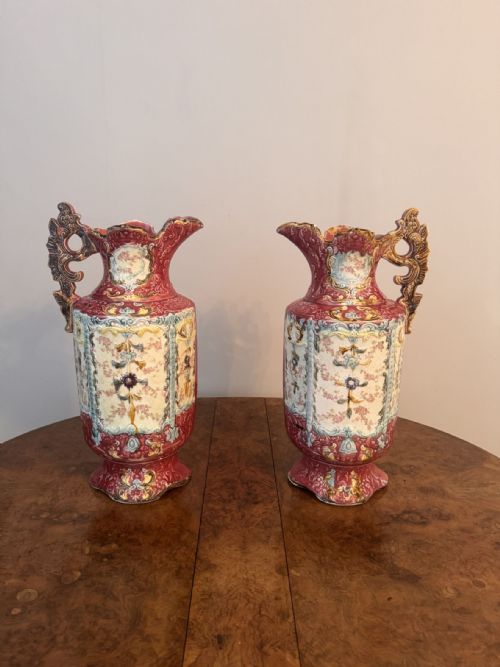
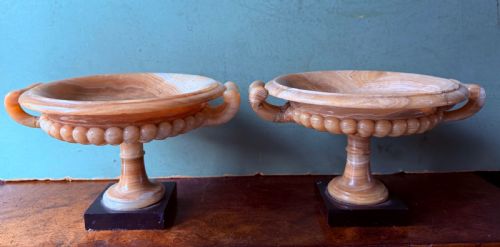
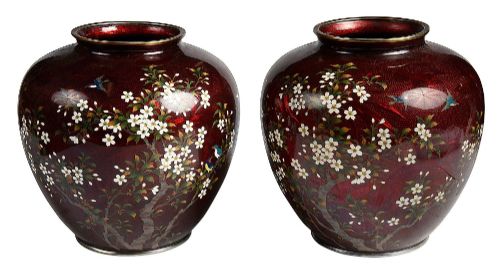
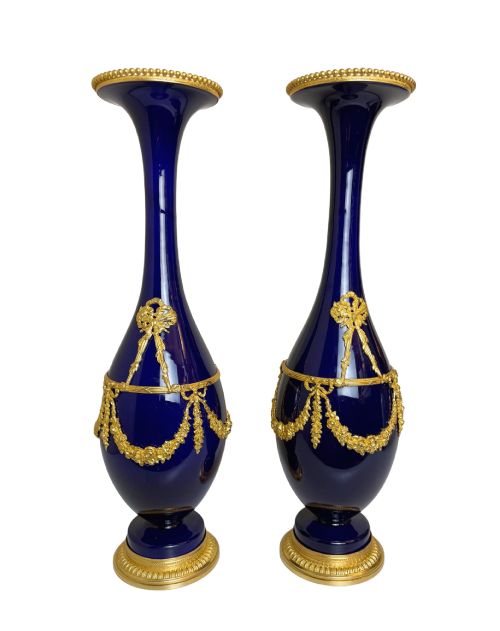
These pair decorative urns bring classical presence and sculptural weight to a room, offering symmetrical balance that anchors a mantelpiece or console.
Pair decorative urns
A pair decorative urns selection brings together classical forms and ornamental vessel designs intended for display rather than holding flowers or liquids. You encounter varied interpretations ranging from classical revival styles to later Victorian and Edwardian iterations.
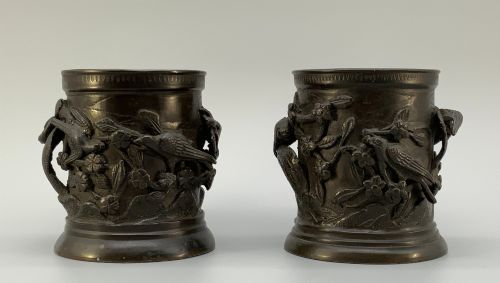
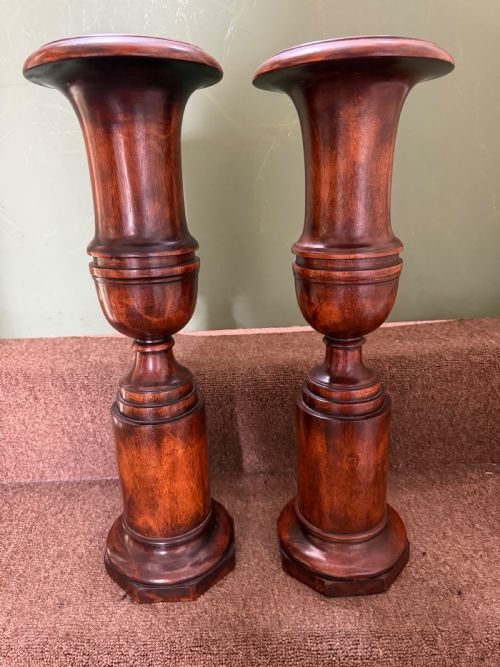
The objects span multiple decades from the nineteenth century into the early twentieth century, reflecting shifting tastes in interior ornamentation. Pieces lean heavily towards sculptural presence, often taking the shape of campana vessels, baluster jars, or cassolettes.
Materials and construction
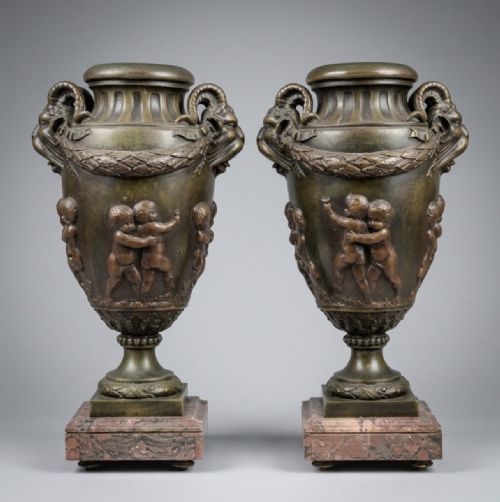
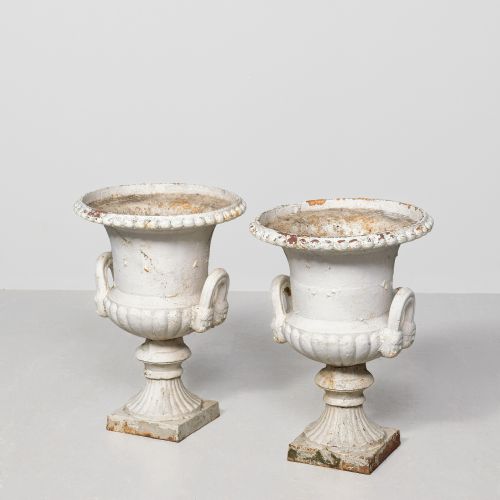
Maker workshops utilised robust metal casting techniques to produce durable cast iron and brass campana shapes, often mounted onto slate bases for added stability. Wooden versions received meticulous hand carving to achieve classical contours without relying on metal moulds.
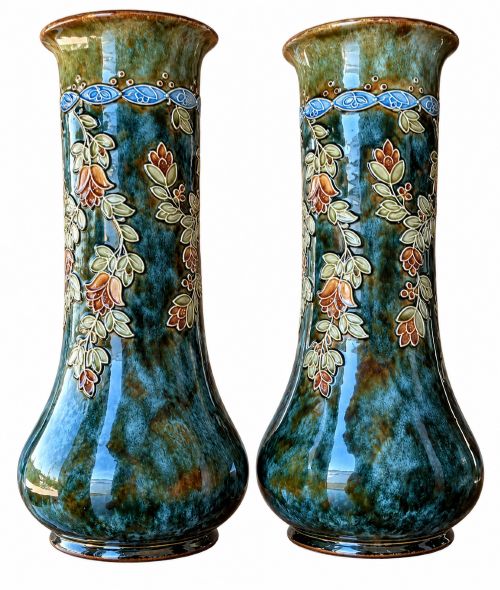
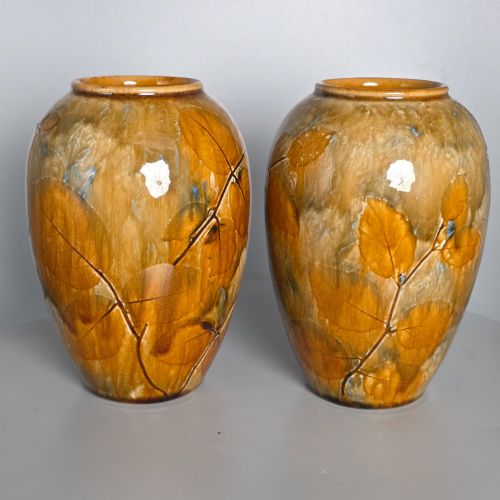
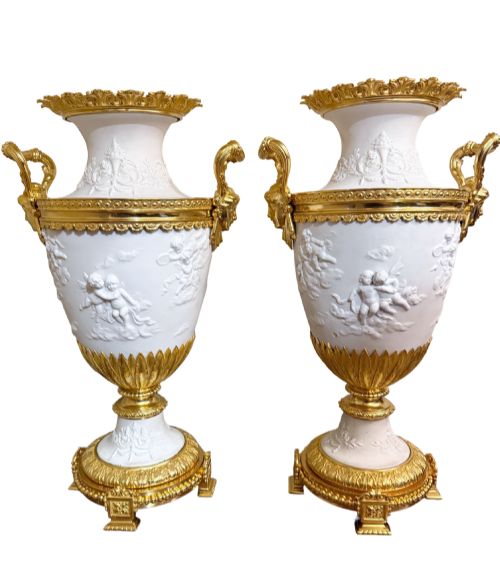
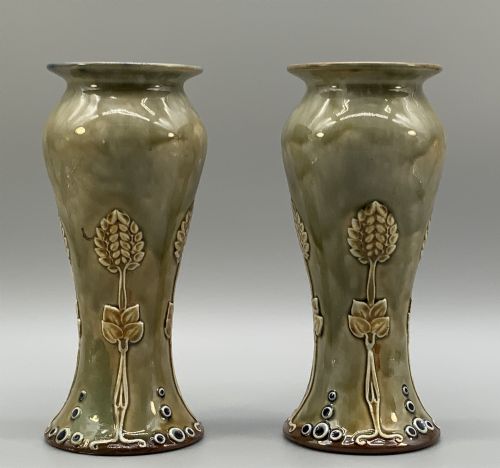
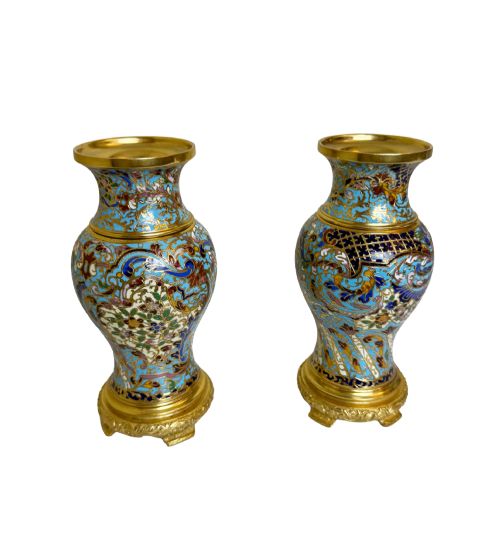
Ceramic and stoneware production involved high-temperature firing of clay bodies, finished with specialised glazes or left as white porcelain. These ceramic vessels were frequently paired with gilt bronze and ormolu mounts to elevate their decorative status.
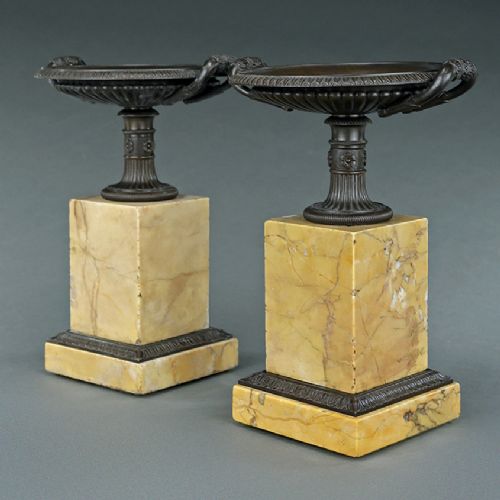
Natural stones such as white onyx and marble provided heavy, polished plinths and bodies that demonstrated skilled lapidary work. Artisans combined these cold, solid minerals with warm metallic accents to create strong visual contrasts.
Retail Price Guide 2026
Typical UK retail prices for pair decorative urns, calculated from the Sellingantiques database of over a million retail prices indexed since 2003. This retail price guide relies exclusively on Sellingantiques data; no external sources or auction records are used, so the figures do not describe the wider market.
Listings span periods from 1880 to 1920, incorporating materials such as gilt bronze, stoneware, porcelain, onyx, marble, ormolu, brass, cast iron, and wood.
Judging quality
The standard of a piece rests heavily on the crispness of its casting or carving, where sharp definition in foliage, handles, and fluting separates ambitious work from plain production. Metal mounts fitted with precision and stone turned with perfect symmetry demonstrate superior workshop competence.
Material choice dictates the baseline of refinement, moving from utilitarian cast iron gardenware up to delicate porcelain and finely chased gilt bronze or ormolu. The integration of mixed media, such as stone bodies joined seamlessly with metal hardware, marks the higher tier of execution.
Royal Doulton Lambeth·Sevres
The Pair Decorative Urns Glossary
- Campana
- A bell-shaped vessel with a flared rim and footed base, heavily favored in classical and neoclassical design. This silhouette forms the profile for many heavy metal garden and interior pieces.
- Cassolette
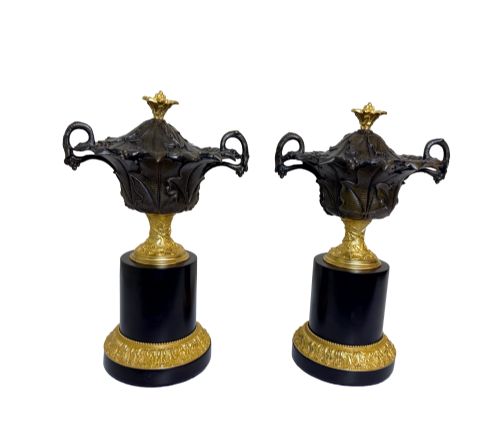
- A decorative vase or urn featuring a reversible lid that can function as a burner or seal the vessel entirely. These often appear in French empire and neoclassical groupings.
- Ormolu
- Finely ground high-carat gold applied to a bronze base through a mercury amalgamation process, or cast bronze finished to mimic gold. It provides the warm metallic highlight seen on finer nineteenth-century mounts.
- Baluster
- A vertical architectural form shaped with a swelled lower portion, lending a sturdy profile to larger ceramic and earthenware jars. The shape borrows from stair balusters to create monumental symmetry.
Frequently Asked Questions
What were pair decorative urns used for?
These vessels served purely ornamental purposes in historical interiors, designed to provide symmetry on mantelpieces, sideboards, and architectural ledges. They reflected classical antiquity and wealth without fulfilling a domestic storage function.
Larger iron examples were placed outdoors on terraces or flanking garden steps to establish formal sightlines. Indoors, smaller porcelain, stone, and bronze versions added sculptural weight and refined colour to formal rooms.
How do I style pair decorative urns?
Position the two pieces symmetrically on a large surface like a sideboard or mantelpiece to create a balanced focal point. Their strong vertical lines work well against plain walls or architectural panelling where their form stands out.
Keep the space around them clear so the silhouette of the handles and base remains visible. Mixing stone or metal textures with surrounding woodwork adds depth to a traditional interior scheme.
How do I identify French Empire style?
French Empire pieces display heavy classical influences inspired by ancient Rome and Greece, often featuring military motifs, laurel wreaths, and sphinxes. The aesthetic prioritises grand scale and strong architectural lines.
Materials like polished marble, onyx, and dark slate are frequently combined with bright gilt bronze mounts. This creates a striking contrast between dark stone and brilliant metallic detailing.
What is Art Nouveau style?
Art Nouveau rejects rigid classical symmetry in favour of organic lines, floral motifs, and flowing, natural asymmetry. Makers drew inspiration from plant stems, seed pods, and natural curves.
In stoneware and ceramics, this style manifests in muted, earthy glazes and sculpted plant forms rather than strict geometric moulding. It represents a distinct shift away from historic revival styles toward modern design.