

Nineteenth Century Urns
Nineteenth century urns bring classical form and enduring weight into a room, offering a distinct focal point for interior or garden schemes.
What nineteenth century urns are
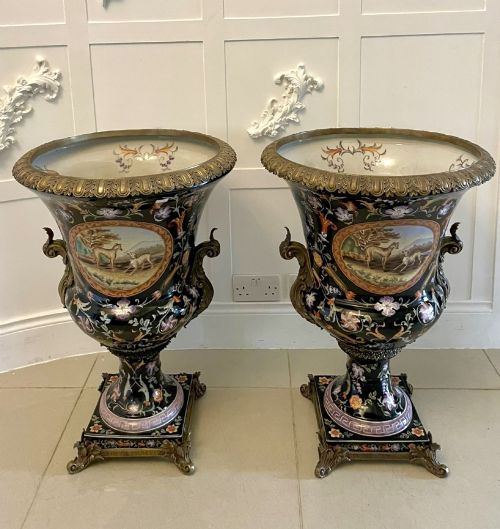
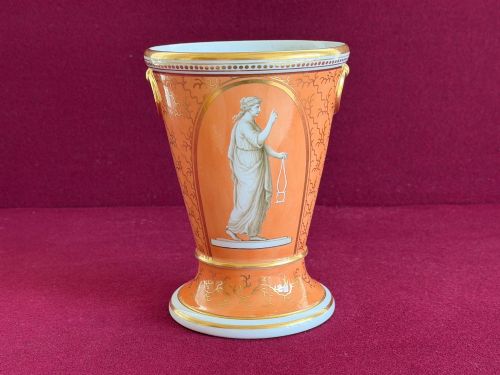
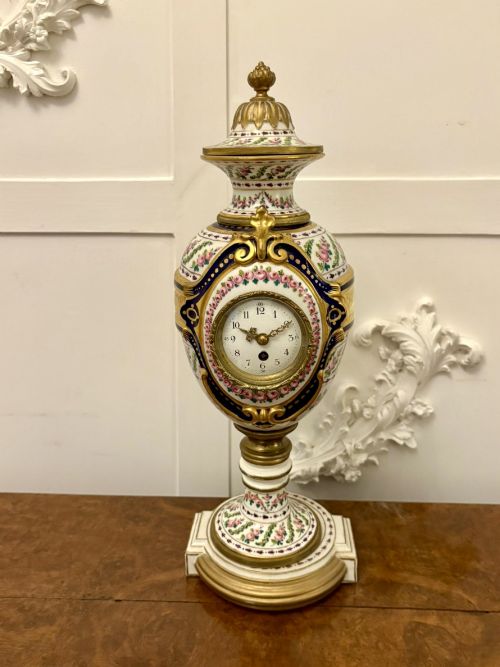
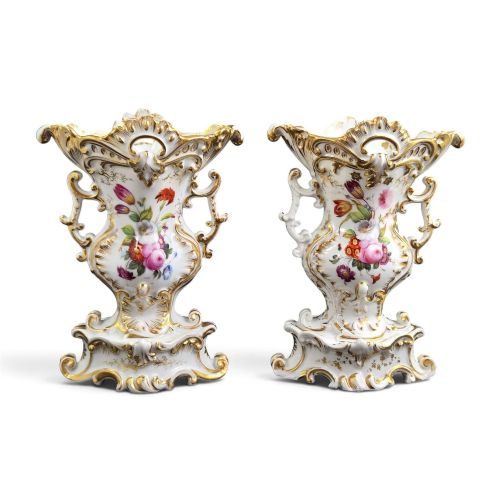
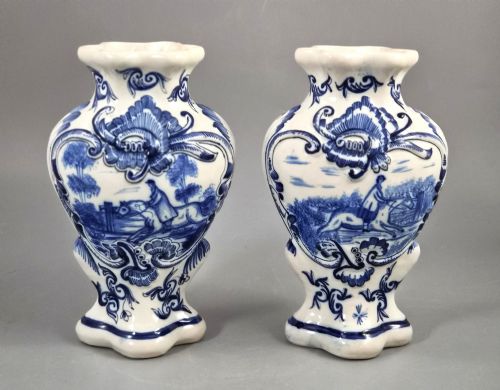
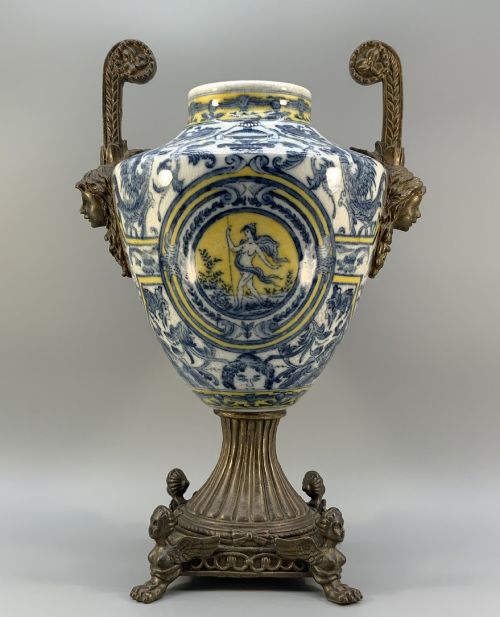
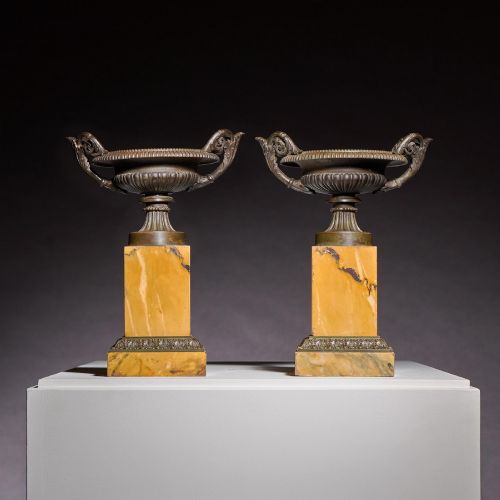
Nineteenth century urns encompass decorative vessels created across the nineteenth century, including the Victorian period and French empire eras. Buyers encounter these pieces shaped as garden urns, jardinieres, and campana vases.
The objects derive from classical revival and grand tour influences, taking forms such as Grecian style bronze models and shallow campana garden vessels. French neoclassical and Napoleon III aesthetics also appear frequently across the selection.
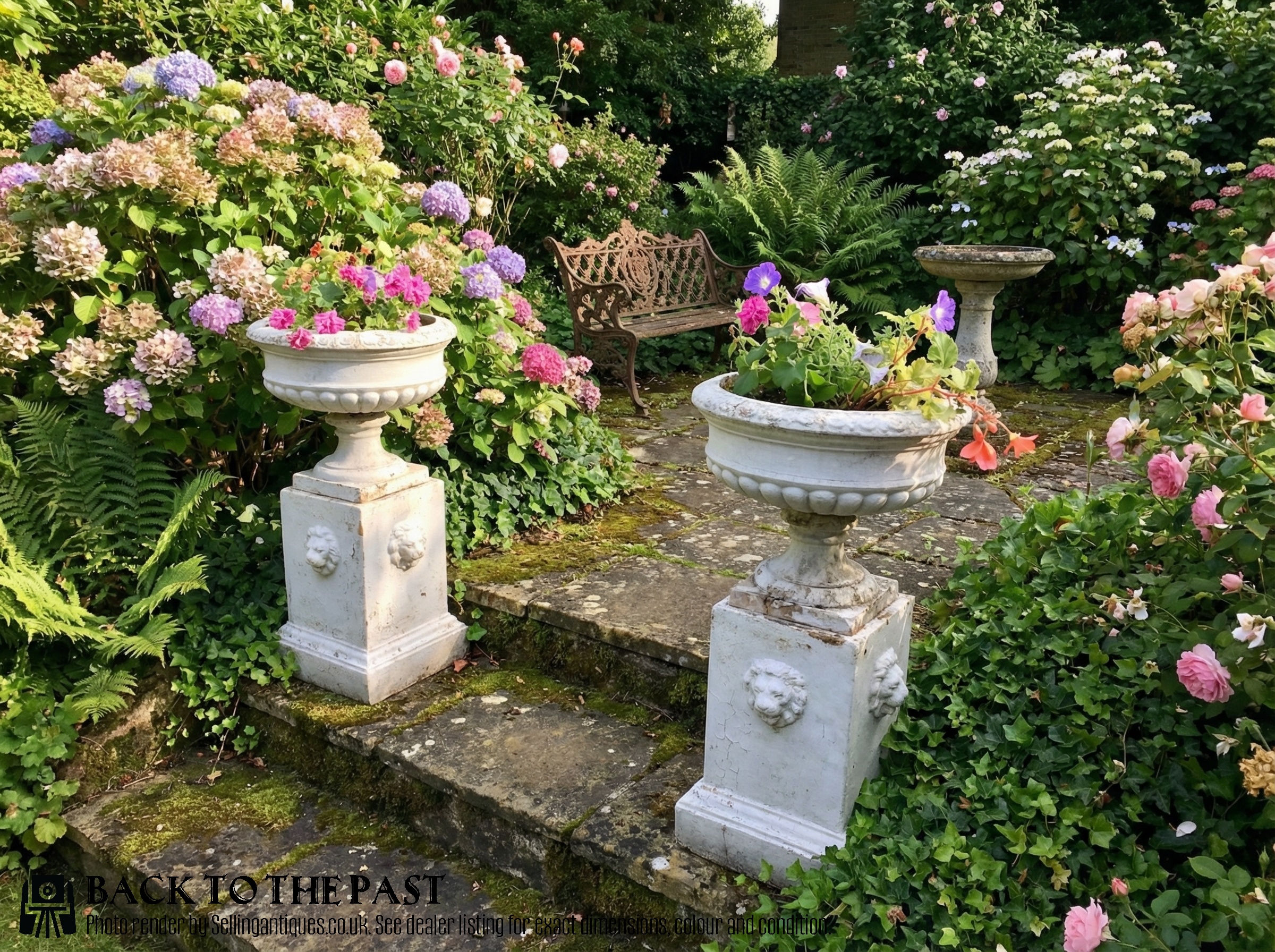
Indoor decorative urns sit alongside robust cast iron terrace urns meant for outdoor display. Pairs dominate the selection, offering symmetry for mantelpieces, pedestals, and terrace settings.
How they were made
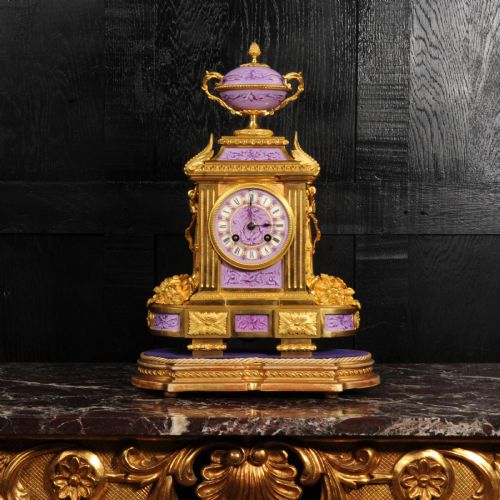
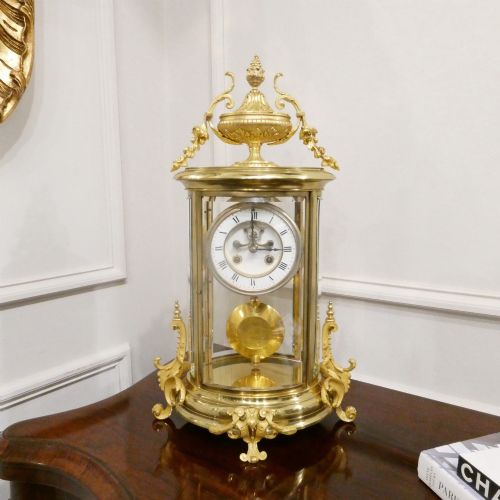
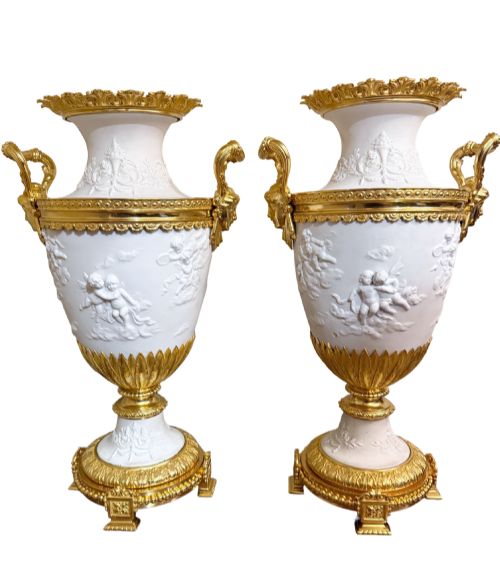
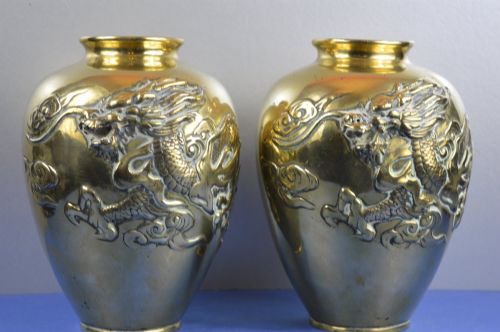
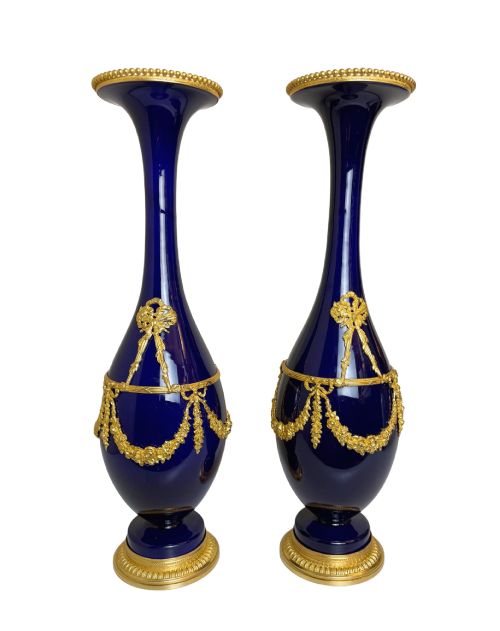
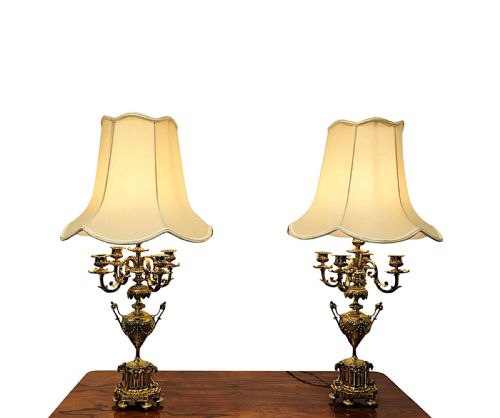
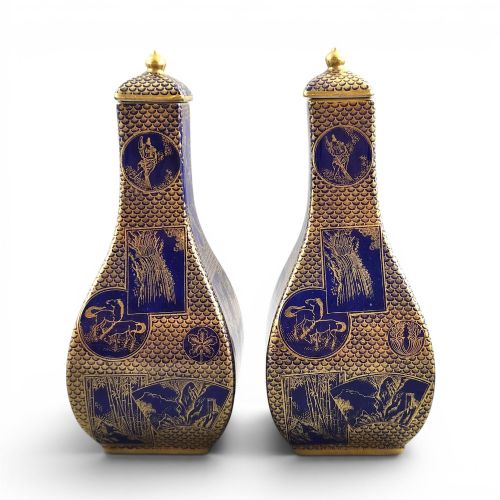
Makers utilised cast iron for heavy garden urns, while indoor examples relied on porcelain, bronze, spelter, and slate. Brass mounts and ormolu details frequently adorn the metal and ceramic bodies.
Surface finish involved gilding, enamelling, and silvering to enhance the decorative impact of the bronze and metal structures. Stepped plinth bases provide structural support for heavier campana urns.
Retail Price Guide 2026
Typical UK retail prices for nineteenth century urns, calculated from the Sellingantiques database of over a million retail prices indexed since 2003. This retail price guide relies exclusively on Sellingantiques data; no external sources or auction records are used, so the figures do not describe the wider market.
Campana urns take their bell shape from an ancient wine vessel found in Italian excavations.
What varies in quality
Quality rests in the crispness of the casting and the refinement of the classical detailing upon the bronze, spelter, or iron. Finer examples display meticulous chasing and balanced proportions across the handles and plinths.
The treatment of secondary materials, such as the application of ormolu, gilding, and enamel work, distinguishes standard production from superior pieces. Material weight and the structural integrity of pedestals also mark the tier of manufacture.
Ridgeways
The Nineteenth Century Urns Glossary
- Campana urn
- A bell-shaped vessel with a flared rim originating from classical antiquity. This form remains a standard silhouette for nineteenth century garden and decorative urns.
- Ormolu
- Gilded bronze used extensively for decorative mounts and classical ornaments on French and English urns. The technique involves applying a gold amalgam to the bronze surface.
- Jardiniere
- An ornamental pot or stand designed to hold plants or flowers. These vessels often match the form of classical urns.
- Spelter
- A zinc alloy utilised as a substitute for bronze in nineteenth century metalwork. It frequently receives bronze or painted finishes to mimic heavier metals.
- Grand Tour
- A cultural journey undertaken by wealthy Europeans that inspired the collection of classical antiquities and subsequent revival urns. Pieces from this context often incorporate bronze and marble elements.
Frequently Asked Questions
Where should I place a garden urn?
Cast iron garden urns suit terraces, lawns, and formal garden pathways, often mounted on stone or iron pedestals. Their robust construction allows them to weather outdoor conditions while anchoring landscape designs.
Indoor urns require stable surfaces such as side tables, mantelpieces, or dedicated pedestals where their decorative bronze, porcelain, or ormolu finishes remain safe from heavy foot traffic.
How do I care for bronze and ormolu urns?
Dust bronze and ormolu surfaces gently with a soft, dry cloth to prevent the accumulation of dirt within the fine chasing and classical details. Avoid commercial cleaning liquids or abrasive cloths, which can strip gilding and damage the metal.
Keep these pieces away from direct moisture and extreme temperature fluctuations to preserve the stability of the metal and any underlying structural elements.
How do I distinguish French and Victorian urns?
French urns from the empire and Napoleon III periods frequently incorporate ormolu, gilt bronze, and neoclassical motifs with an emphasis on decorative luxury. Makers in France often utilised spelter alongside bronze for campana shapes.
Victorian pieces in the selection include porcelain campana vases and robust cast iron garden urns. These English examples tend toward utilitarian garden utility or refined ceramic display.
Can these urns be used for planting?
Cast iron terrace and garden urns work well for live planting, provided adequate drainage is managed within the shallow campana bowl. Their heavy construction withstands soil and outdoor weather.
Indoor porcelain and bronze decorative urns function best empty as sculptural objects. Placing damp soil or water inside delicate metal or ceramic bodies risks staining and structural corrosion.