
Antique Mantel Urns
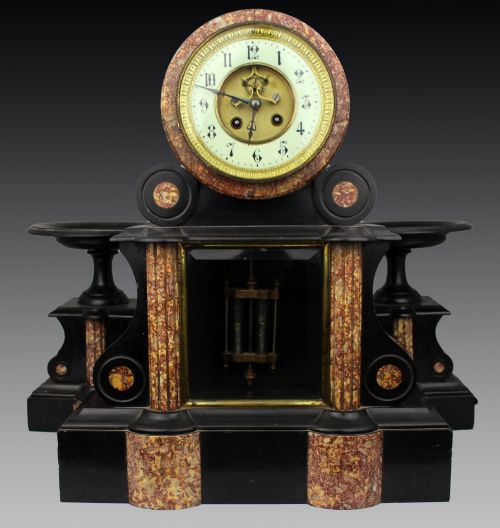
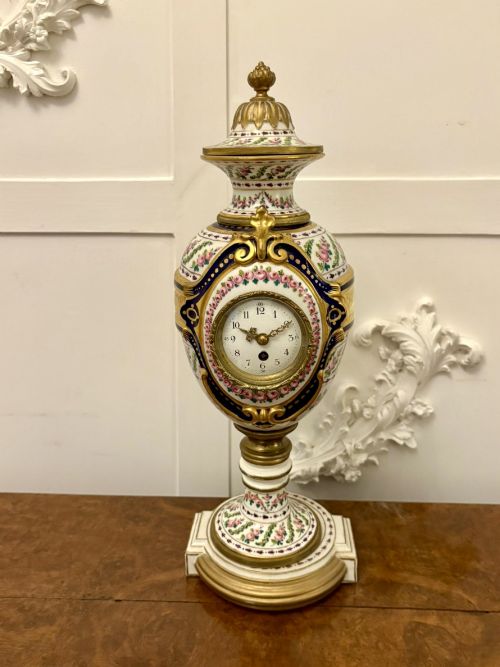
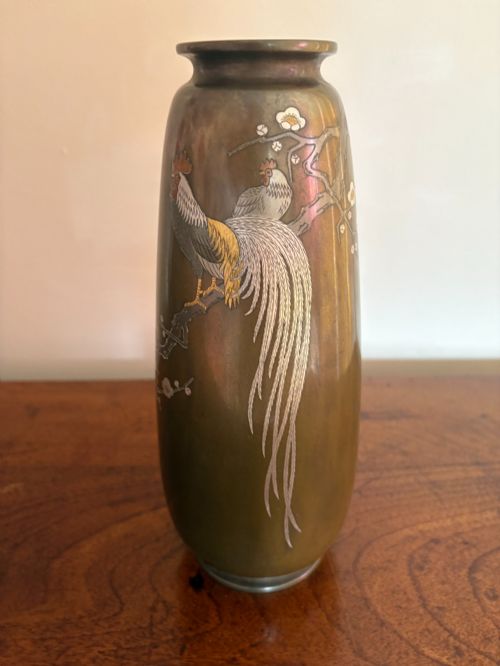
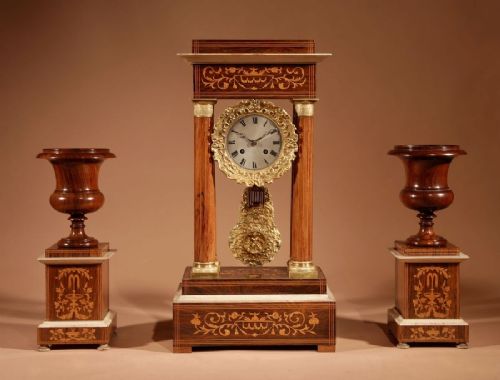
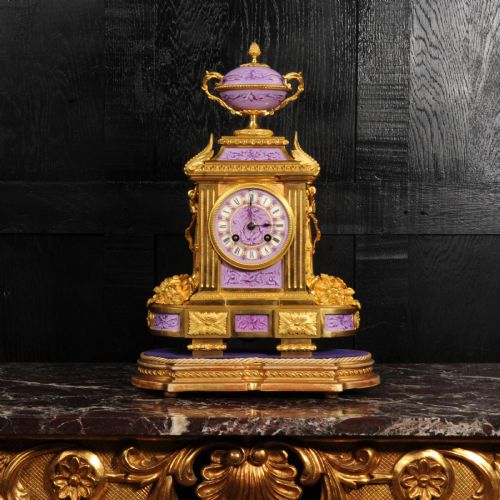
Antique mantel urns bring classical presence to a chimney piece, combining sculptural bronze, marble and porcelain in decorative forms shaped by nineteenth-century revival styles.
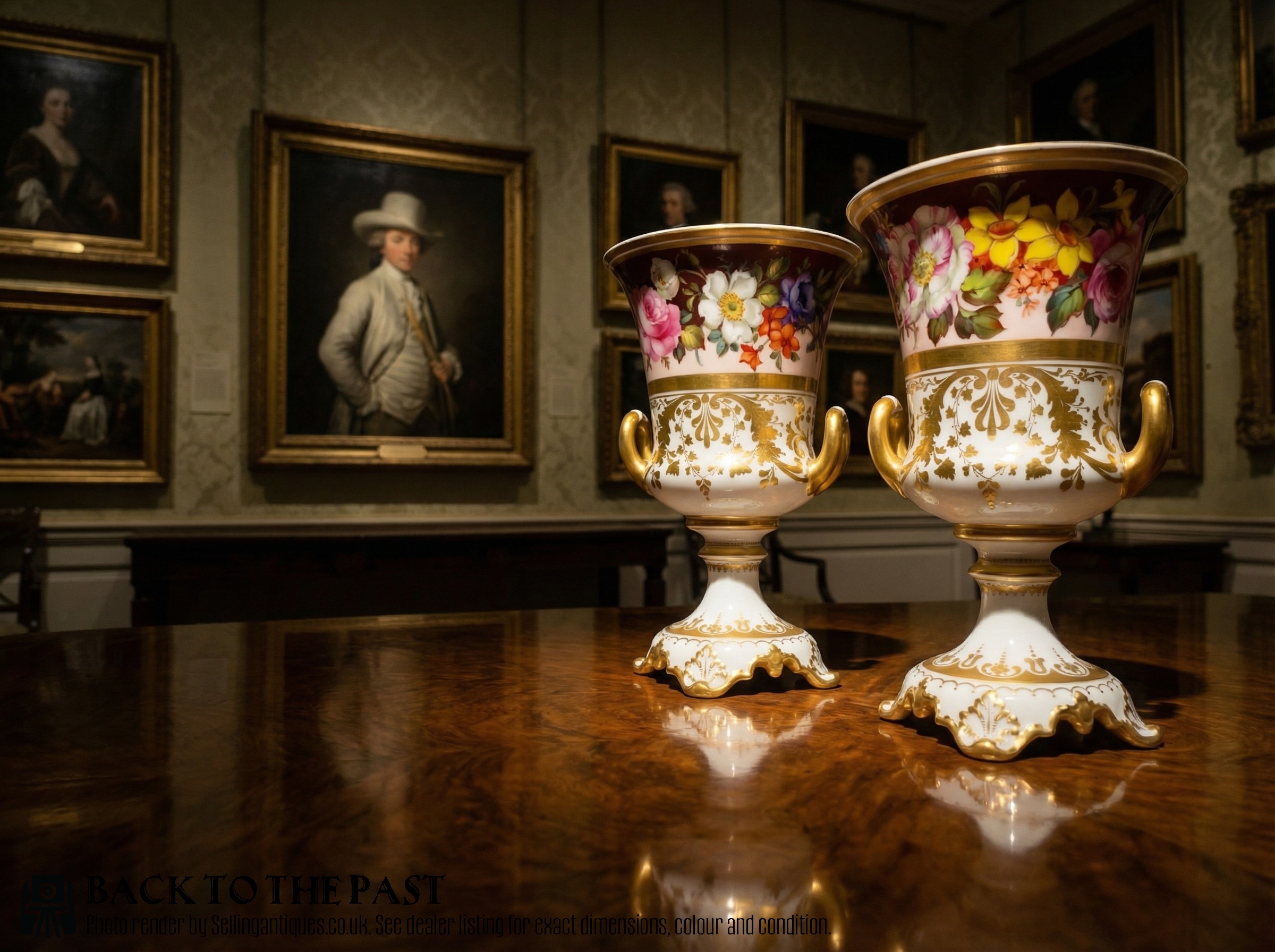
What antique mantel urns are
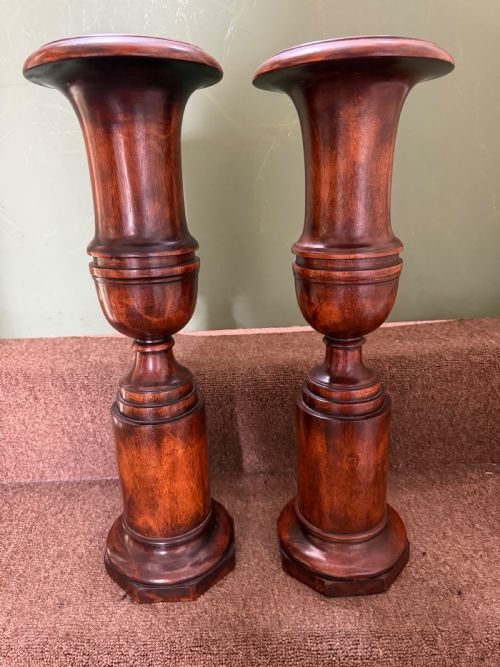
Antique mantel urns are decorative vessels designed primarily for display upon a fireplace mantel or shelf. They draw heavily on classical antiquity, taking architectural and sculptural forms that reflect nineteenth-century revival tastes.
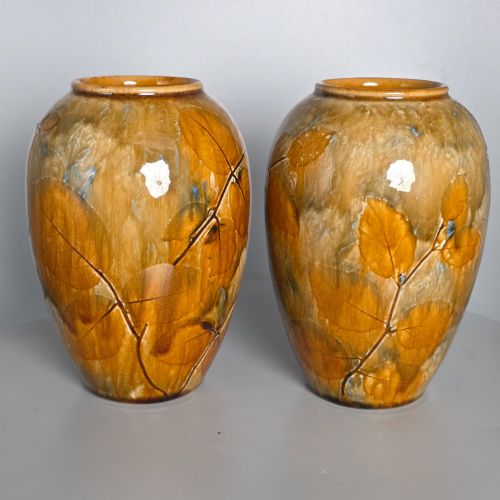
The versions most commonly met on this page date from the nineteenth century, including Victorian pieces alongside French Empire and Louis XVI styles. They appear as matched pairs or single decorative urns fashioned from stone and metal.
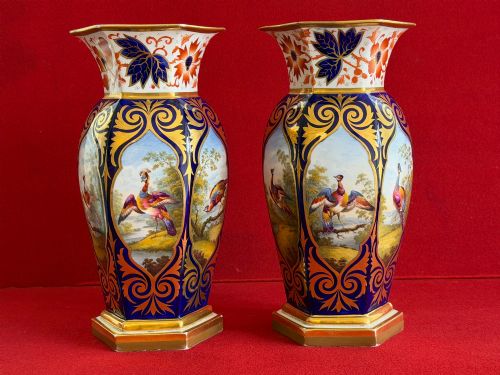
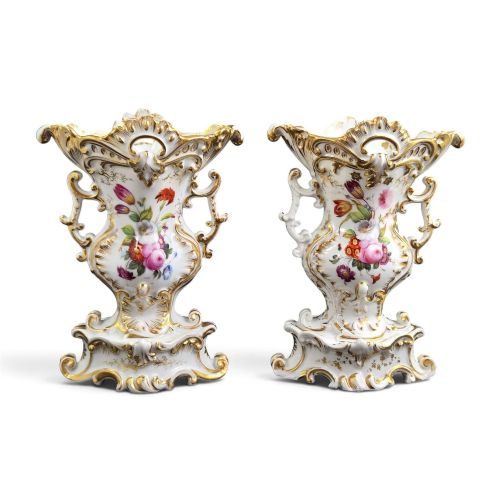
Makers ranged from major English potteries like Royal Crown Derby to French workshops working in gilt bronze, ormolu and marble. Forms vary from monumental classical revival designs to delicate porcelain painted by notable artists.
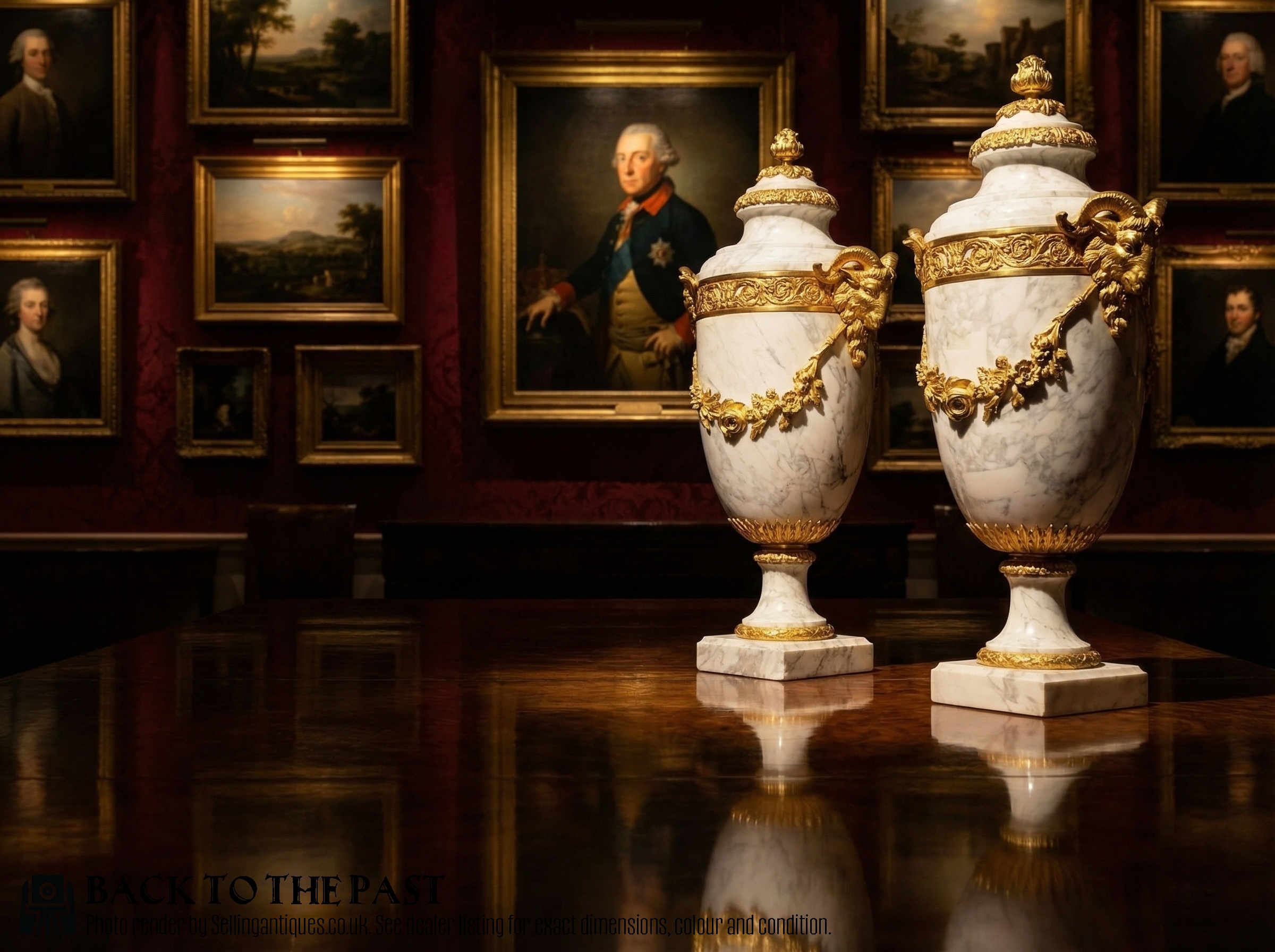
How they were made
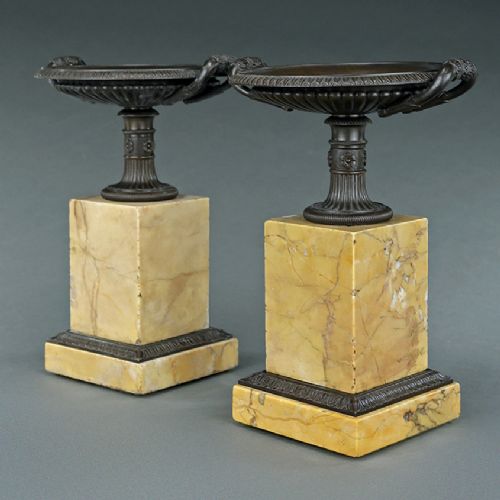
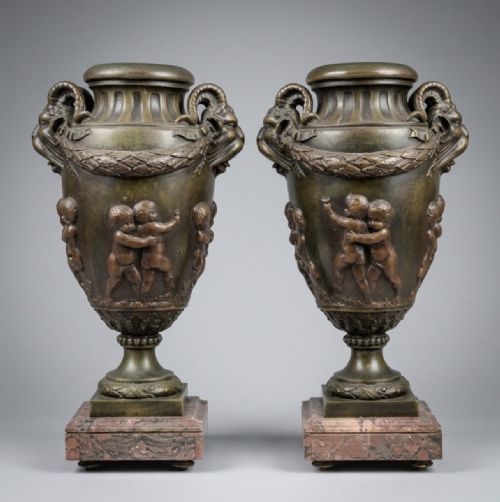
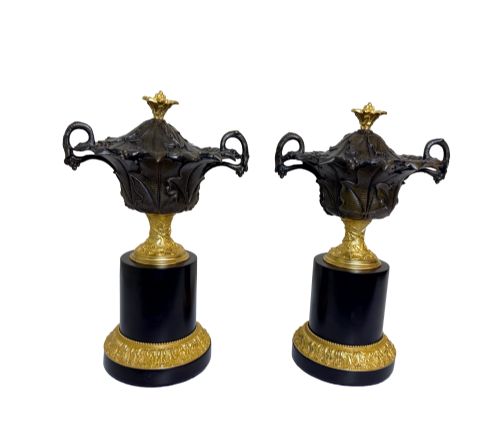
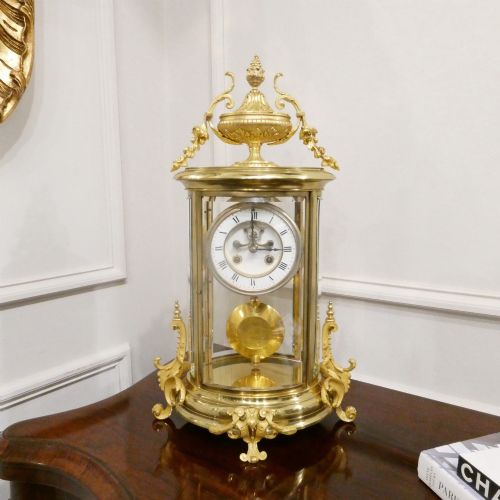
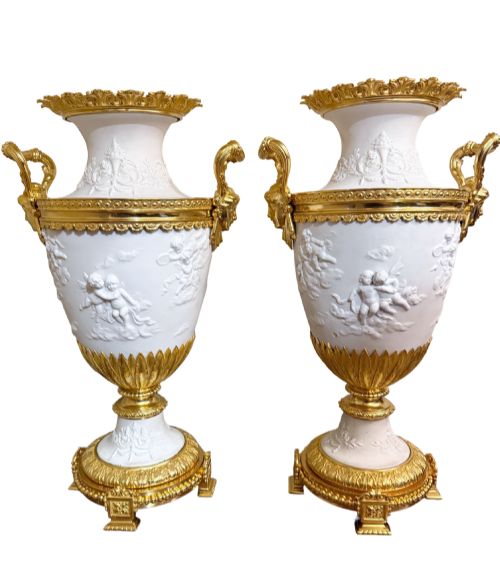
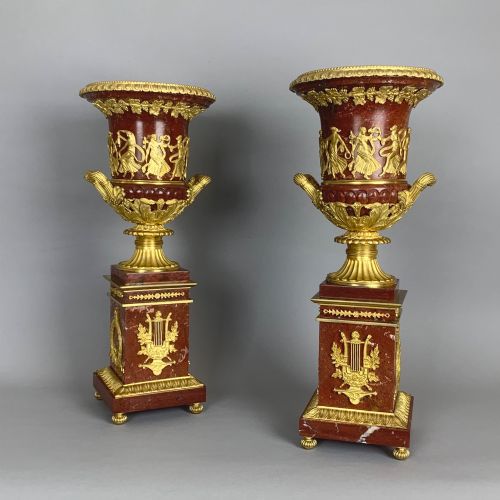
Construction relies on a combination of cast metals and carved stone, utilising gilt bronze, ormolu, bronzed spelter and patinated bronze alongside white and rouge marble. Metal components are cast and chased to achieve crisp classical detail, while stone bases and bodies are turned and polished.
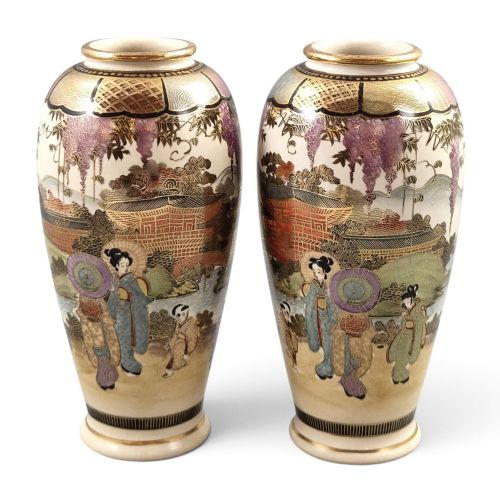
Ceramic examples employ porcelain bodies finished with hand-painted decoration and gold leaf gilding. Metal urns often incorporate sculptural mounts such as bacchic masks and putti fixed securely to marble plinths.
Retail Price Guide 2026
Typical UK retail prices for mantel urns, calculated from the Sellingantiques database of over a million retail prices indexed since 2003. This retail price guide relies exclusively on Sellingantiques data; no external sources or auction records are used, so the figures do not describe the wider market.
What varies in quality
Quality rests upon the crispness of the casting and the depth of the chasing in metal mounts, separating finely detailed ormolu from simpler bronzed spelter. The selection of materials also dictates standing, with rich rouge and white marble bodies commanding attention over standard stone.
Artistic execution distinguishes standard production from notable studio work, particularly in hand-painted porcelain where the skill of the designated painter elevates the piece. The harmony between the sculptural mounts and the stone or ceramic body determines the overall visual balance.
Royal Crown Derby·Albert Gregory
The Antique Mantel Urns Glossary
- Ormolu
- Gilt bronze produced by applying a mercury and gold amalgam to cast bronze before heating. This technique creates a rich, enduring golden surface seen on French Empire pieces.
- Spelter
- A zinc alloy used as a less costly alternative to bronze, often given a dark bronze-like finish. It allows for intricate sculptural casting like bacchic masks and putti.
- Cassolette
- A dual-purpose decorative vessel featuring a reversible lid that transforms the urn from a solid vase into a perfume burner or candle holder. These stone pieces often incorporate classical mounts.
- Bacchic mask
- A sculptural facial motif depicting figures associated with Bacchus, frequently incorporated into classical revival metalwork. These masks add mythological depth to handles and friezes.
- Putti
- Depictions of plump, winged infant figures, often styled as cherubs in classical sculpture and metal mounts. They appear clambering across nineteenth-century decorative urns.
Frequently Asked Questions
Where should I place mantel urns?
These decorative vessels suit placement upon a fireplace mantel, sideboard or console table where their sculptural height creates a focal point. Paired examples work effectively arranged symmetrically to frame a central mirror or clock.
Ensure the surface is stable and deep enough to support the substantial weight of marble and bronze bodies safely.
How do I clean bronze and marble?
Dust metal surfaces gently with a soft, dry cloth to protect delicate patination and gilding. Avoid chemical polishes that can strip the original finish from ormolu or bronzed spelter.
Marble bodies require only a damp cloth followed by immediate drying. Acidic cleaners must be avoided entirely to prevent surface etching.
Are these urns hollow inside?
Most decorative mantel urns are solid-bodied or house only a shallow internal cavity, as their purpose is purely ornamental rather than functional. Cassolette versions feature removable lids that reveal small wells designed originally for aromatics.
Ceramic examples may offer hollow interiors, though delicate porcelain construction means they are rarely used for holding liquids.
How do I identify French Empire style?
French Empire pieces display strict classical symmetry, military motifs and heavy reliance on gilt bronze and contrasting dark marble. The aesthetic draws directly from ancient Roman and Greek design vocabulary popular during the early nineteenth century.
Mounts often feature distinct mythological figures, laurel wreaths and refined palmette patterns executed with high precision.