


Collectible Porcelain Vases
Collectible porcelain vases bring intricate painted scenes and fine ceramic craftsmanship into a room.
Collectible Porcelain Vases
Collectible porcelain vases encompass refined vessels created across the nineteenth and twentieth centuries, including traditional English pieces and Edwardian or Art Deco examples. Buyers searching for collectible porcelain vases frequently encounter decorative urns, ginger jars, and baluster forms produced by prominent factories.
The pieces on this page span the Victorian era through the mid twentieth century, featuring works from periods such as the nineteen-twenties and nineteen-fifties. Traditional English and Victorian Aesthetic Movement styles appear alongside later twentieth-century decorative pieces.
How they were made
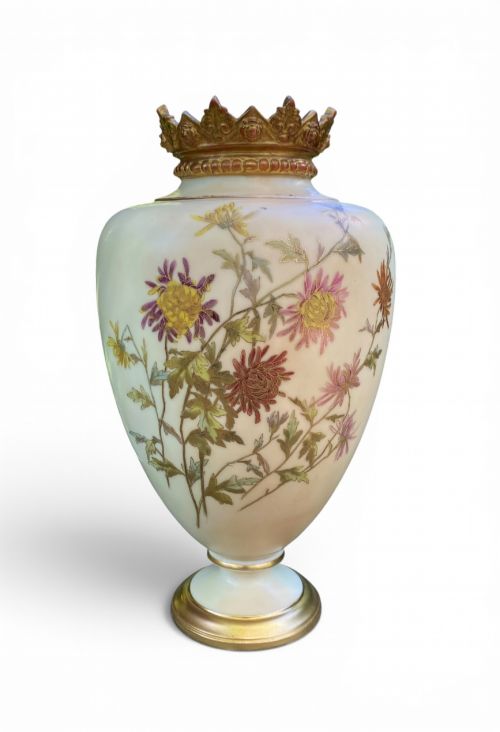
Makers shaped fine bone china and standard porcelain into balanced forms such as baluster vases and ginger jars. Artisans then applied detailed painted decoration, often depicting natural subjects and scenic compositions.
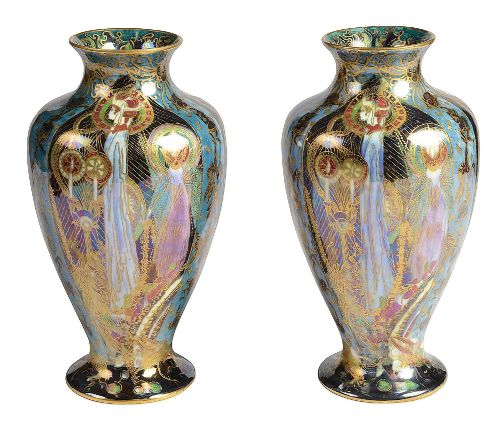
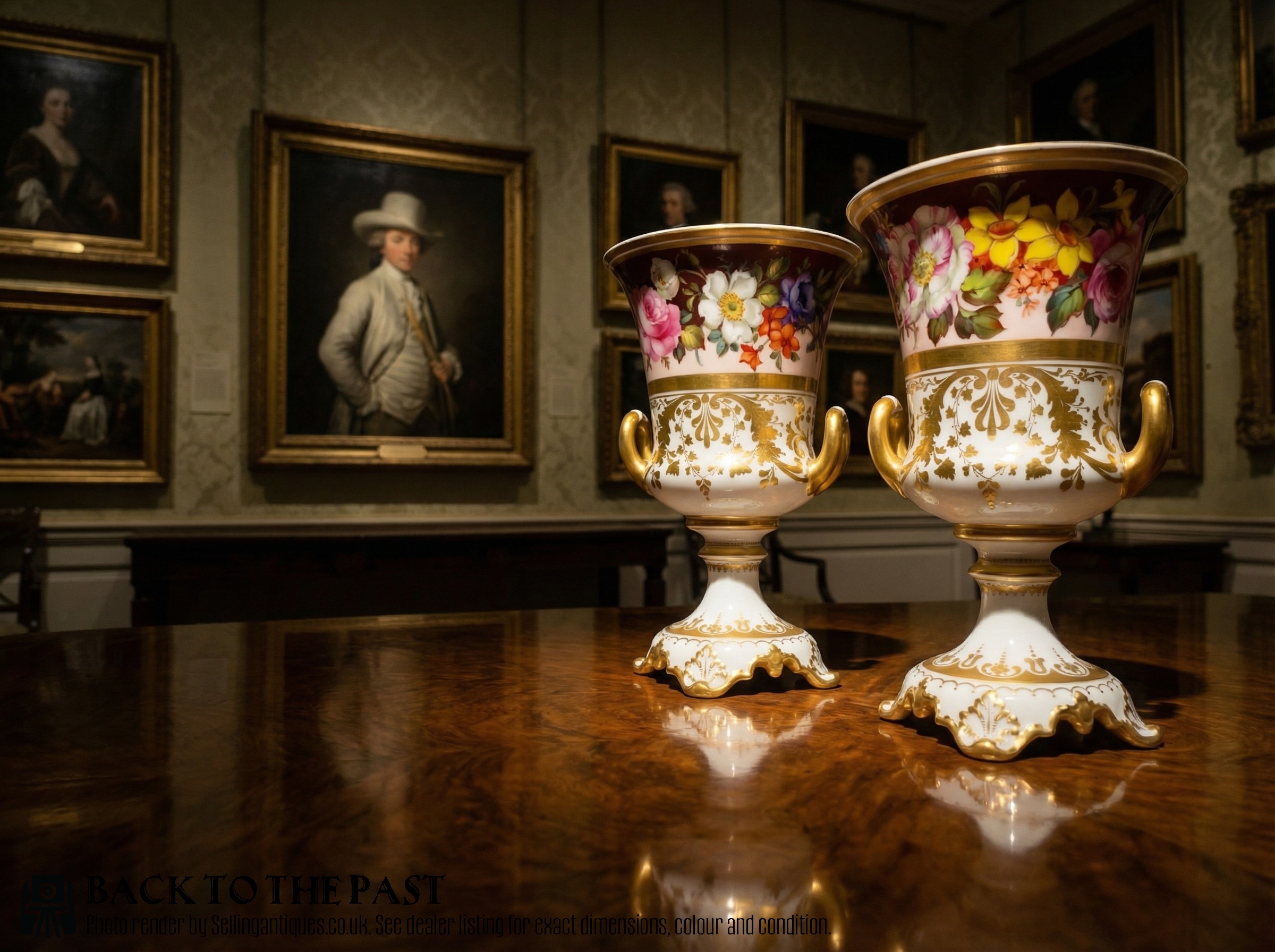
Finishing touches frequently involved rich gilding, gold leaf, and lustrous enamel or lustre glazes to accentuate the contours and surface patterns of each vessel.
Object forms span standard vases, baluster vases, ginger jars, urns, and pot pourri vessels created by traditional English potteries.
What varies in quality
Quality rests upon the skill of the hand-painted decoration, ranging from standard floral motifs to elaborate landscape scenes and animal studies executed by named artists. The refinement of the porcelain body and the precision of the gilding also distinguish finer specimens.
The presence of signature work by accomplished painters adds considerable distinction to a piece. Artisans who specialised in painted fruit, birds, or cattle elevate the artistic merit of the ceramic.
Wedgwood·Royal Worcester·Royal Crown Derby
The Collectible Porcelain Vases Glossary
- Baluster vase
- A tall vase shape characterised by a rounded body that tapers toward the base and swells near the lower centre, resembling an architectural baluster. This classic form provides a generous surface for detailed painted scenes.
- Ginger jar
- A ceramic vessel with a broad shoulders and a wide body, originally intended for spices but later adopted as a decorative display piece. These jars often include matching covers.
- Lustre glaze
- A type of ceramic glaze containing metallic oxides that produce an iridescent, reflective sheen upon firing. It catches the light differently depending on the viewing angle.
- Pot pourri vase
- A specialised lidded vessel designed to hold dried fragrant plant materials, featuring pierced or perforated sections to release scent. They combine decorative painting with functional design.
Collectible Porcelain Vases: Frequently Asked Questions
What periods do these porcelain vases come from?
The pieces span the nineteenth century through the mid twentieth century, covering Victorian, Edwardian, and Art Deco eras.
Specific production dates extend from the late eighteen-hundreds up to nineteen-sixty, capturing significant shifts in ceramic design and painting styles.
Who painted these porcelain vases?
Decorating was often executed by skilled artists working for major potteries, with many pieces bearing individual signatures.
Notable painters associated with these works include specialists in hand-painted fruit, highland cattle, and fantasy lustre designs.
How were these decorative vases used?
These vessels served primarily as decorative ornaments within formal domestic interiors and drawing rooms, displayed on mantelpieces or cabinets.
Some forms, such as pot pourri vases, had a functional purpose for holding scented dried herbs and petals.
What materials make up these ceramic items?
The bodies are formed from porcelain, bone china, or fine bone china, providing a smooth white ground for detailed pigments.
Surfaces are frequently enhanced with enamel colours, lustre glazes, gold leaf, and hand-applied gilding.