


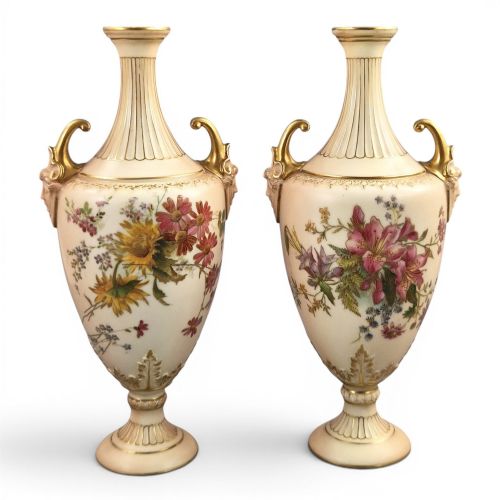
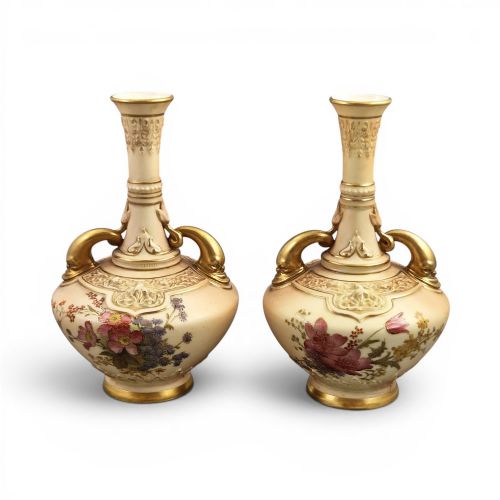
Gilded Ceramic Urn Pair
A gilded ceramic urn pair brings a striking sense of symmetry and metallic warmth to a mantelpiece or side table.
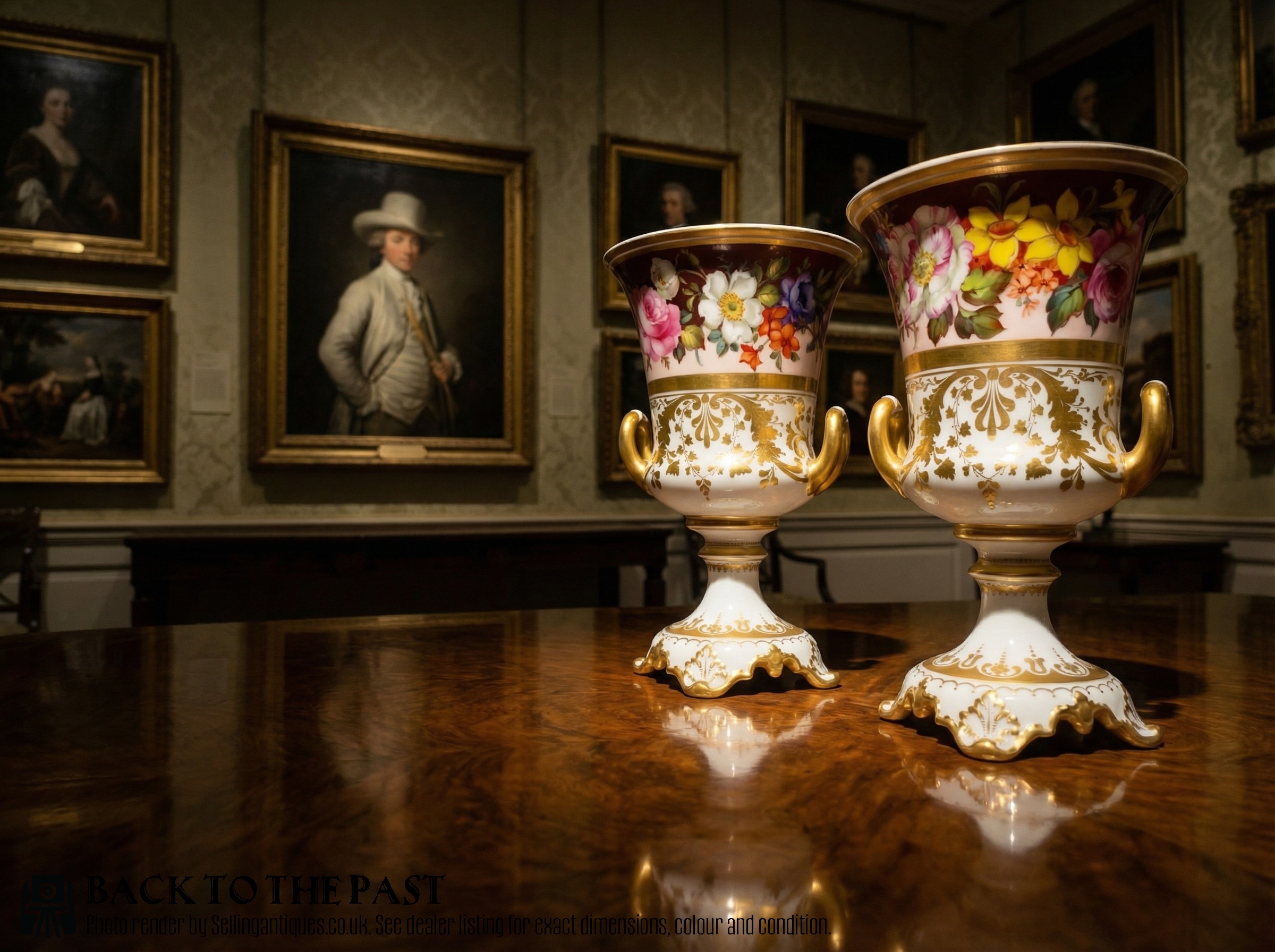
Gilded Ceramic Urn Pair
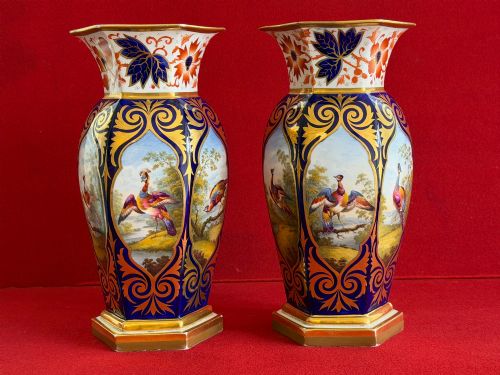
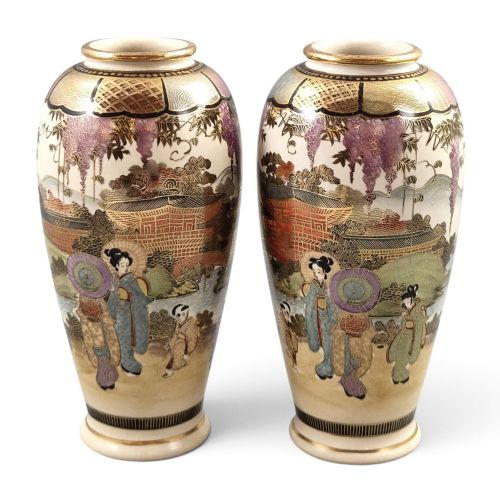
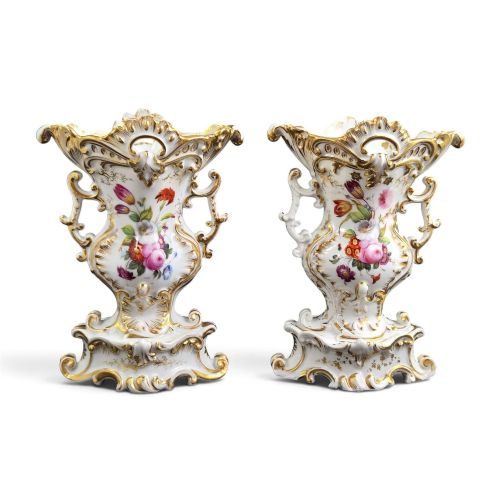
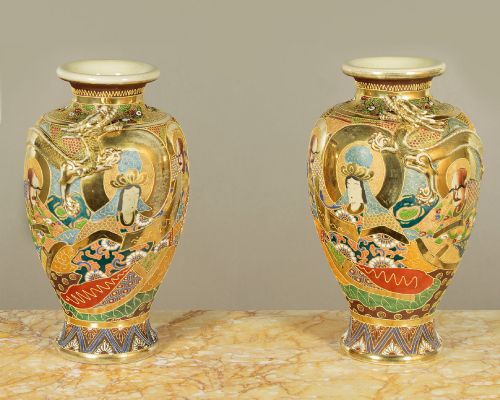
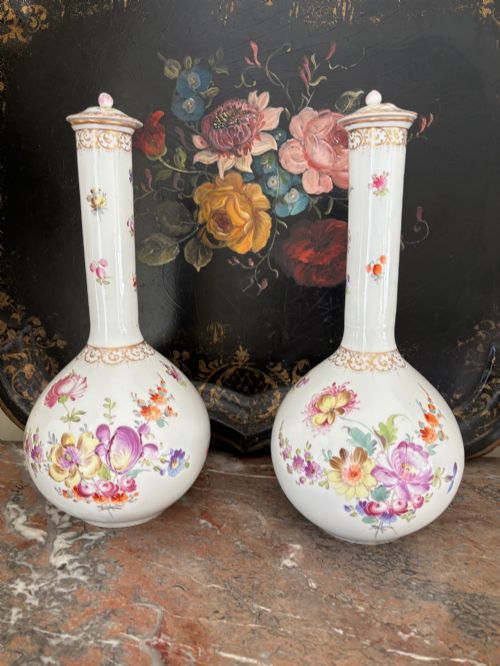
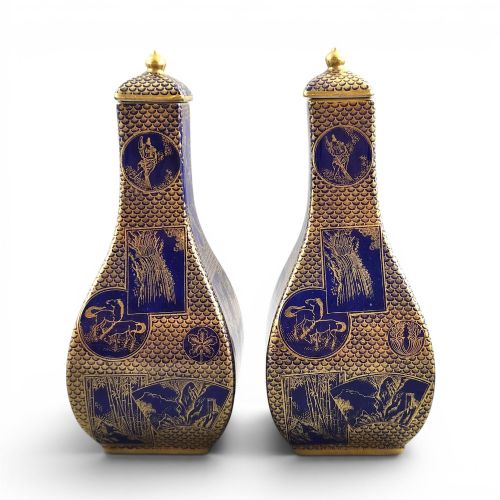
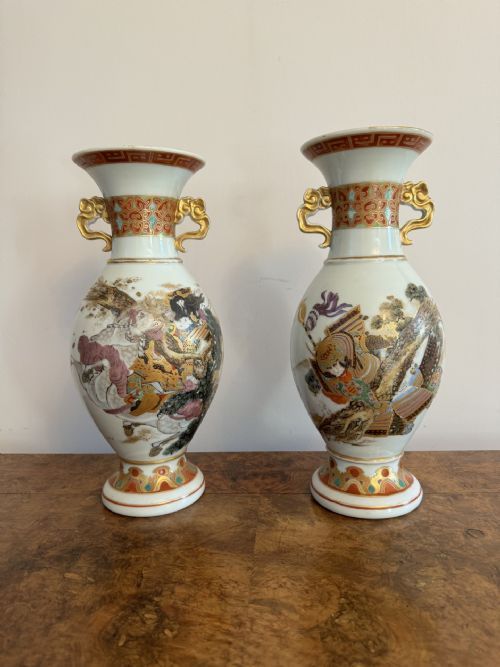
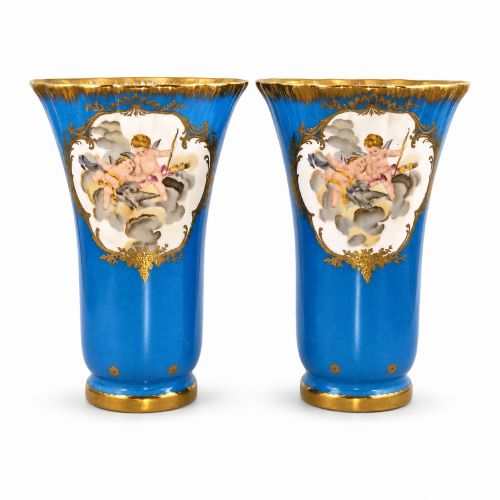
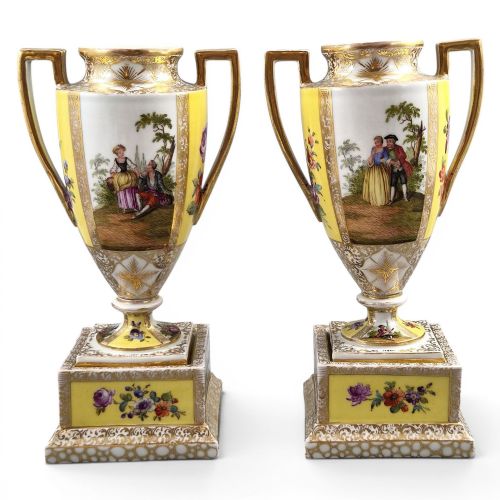
A gilded ceramic urn pair consists of matching decorative vessels shaped from porcelain, earthenware, or glazed ceramic and embellished with gold leaf or gilt paint. When searching for a gilded ceramic urn pair, collectors encounter forms ranging from classical campana shapes to large Japanese Satsuma and Chinese baluster vases.
The selections span the nineteenth and early twentieth centuries, encompassing European porcelain factories like Royal Worcester and Worcester alongside Japanese workshops such as Satsuma and Kutani. These pairs frequently served as decorative mantel ornaments, ice pails, or jardinieres within formal reception rooms.
How they were made
Potters shaped the clay bodies either by throwing on a wheel or moulding in sections, followed by high-temperature kiln firing to vitrify the ceramic. Artisans then applied enamel colours and gold leaf or liquid gilding by hand before a final low-temperature fixative firing.
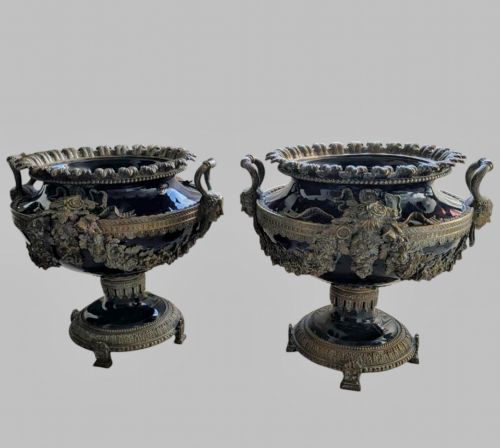
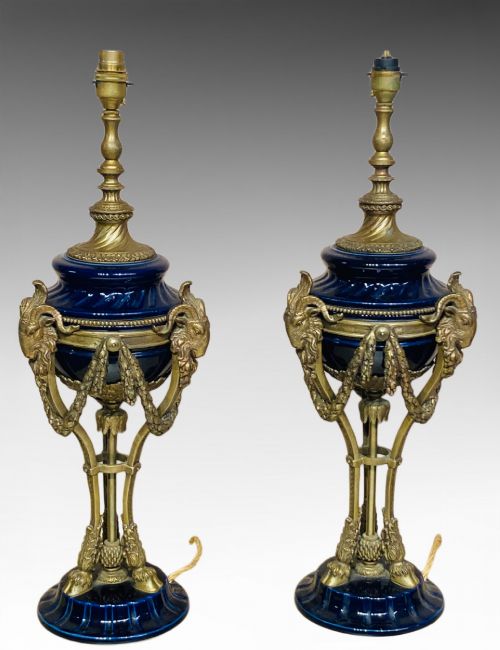
Surface ornamentation often combined hand-painted floral motifs or figural scenes with raised paste gilding and delicate ormolu mounts. The interplay between glossy glazed ceramic grounds and reflective metallic leaf defines the tactile presence of these pairs.
Some nineteenth-century artisan painters hid their personal monograms inside painted butterflies.
What varies in quality
The finesse of the hand-painted detailing and the crispness of the raised gilding distinguish standard production items from exhibition pieces. Superior examples exhibit precise brushwork in the enamel pigments and securely adhered gold leaf that retains its brilliant lustre without rubbing.
Balance and proportion across the matched pair also dictate quality, as studio potteries ensured that height, form, and decorative panels corresponded harmoniously. Factory markings and artist signatures add documented provenance that elevates the standing of individual pairs.
Flight Barr And Barr·Jacob Petit·Sitzendorf Pottery·Spode·Mason·Samson Paris·Helena Wolfsohn·Chamberlain Worcester·Royal Worcester·Ridgeways·Manpei·Kinzan·Kato Sanhei·Carlton Ware·Royal Vienna·Tagawa·Hododa·Tashiro
The Gilded Ceramic Urn Pair Glossary
- Gilding
- The application of gold leaf or powdered gold to the surface of a ceramic object. This technique accentuates rims, handles, and raised relief motifs.
- Campana
- A bell-shaped vase form popular in classical antiquity and revived during the Regency and Victorian periods. These vessels typically feature flared rims and pedestal bases.
- Satsuma
- Earthenware originating from the Satsuma province in Japan, characterised by a finely cracked ivory glaze and elaborate polychrome and gilt decoration. These wares were widely exported from the late nineteenth century.
- Imari
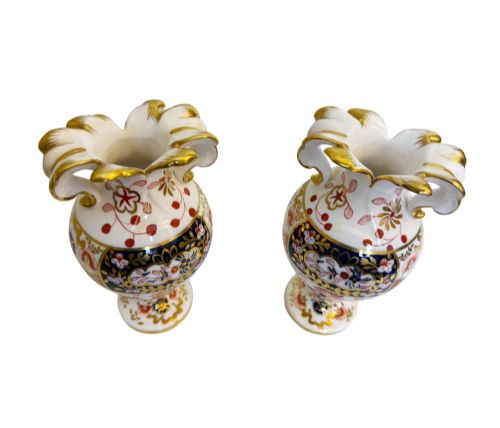
- Japanese porcelain decorated in underglaze blue, iron red, and gold. The palette creates a vibrant contrast suited to ornamental display.
- Ormolu
- Cast bronze mounted with a high-karat gold wash, frequently applied as handles, bases, or decorative rims on European ceramic urns and vases.
Gilded Ceramic Urn Pair: Frequently Asked Questions
How do I display a ceramic urn pair?
These matching vessels work best when placed symmetrically on either side of a fireplace mantel, cabinet, or console table. Their balanced forms create a strong focal point in a traditional interior.
Ensure they sit on stable surfaces away from high-traffic walkways to protect delicate handles and protruding gilding from accidental knocks.
Were these urns used for flowers?
Most antique decorative urns and vases served primarily as ornamental display pieces rather than functional flower holders. Many lack interior glazing suited to holding water for extended periods.
If you wish to use them for floral arrangements, placing a small glass liner inside protects the historic ceramic body from moisture damage.
How do I tell Japanese Satsuma from European porcelain?
Japanese Satsuma pieces typically feature a characteristic fine network of crackles across a warm ivory earthenware body. European porcelain is usually a denser, vitrified white material with smooth lead or tin glazes.
Examining the base often reveals distinct factory marks, Japanese Shimazu mon symbols, or handwritten artisan signatures that clarify the origin.
What is the difference between gilt and ormolu?
Gilt refers to a thin layer of gold leaf or paint applied directly to the ceramic or wooden surface of the object. Ormolu describes cast bronze hardware finished with a gold wash and attached to the piece.
Both finishes provide metallic highlights, but ormolu adds structural weight and tangible three-dimensional mounts to the composition.