


English Bone China Urns
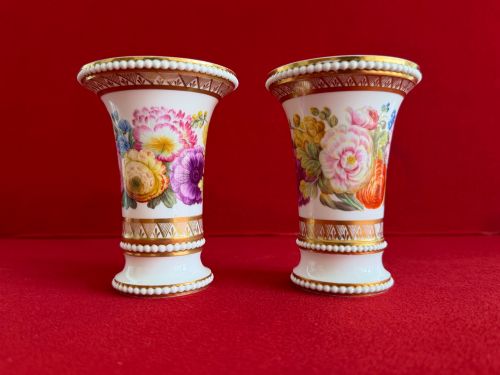
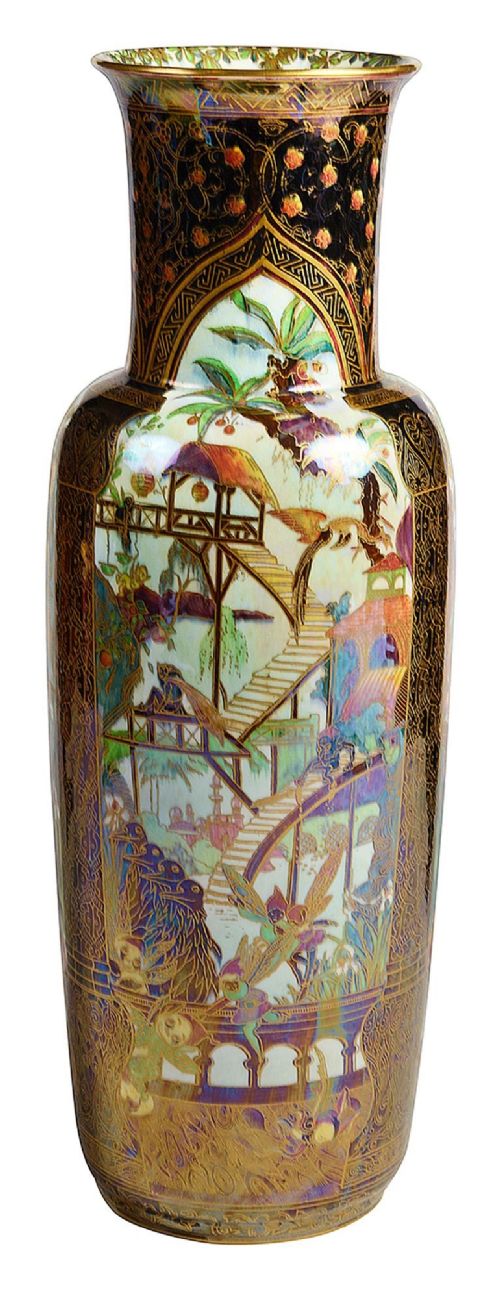
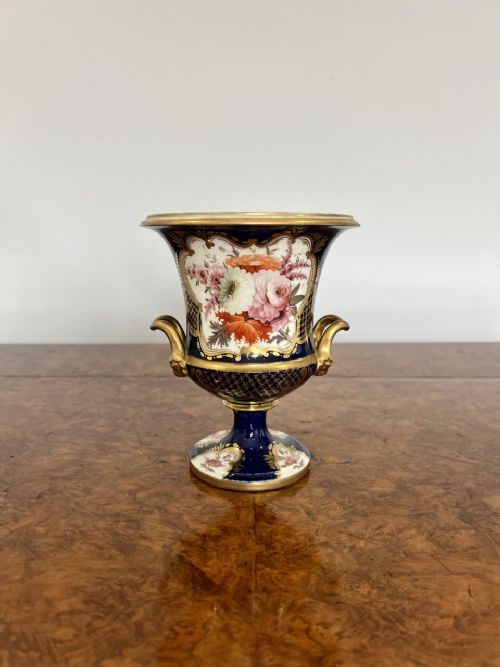
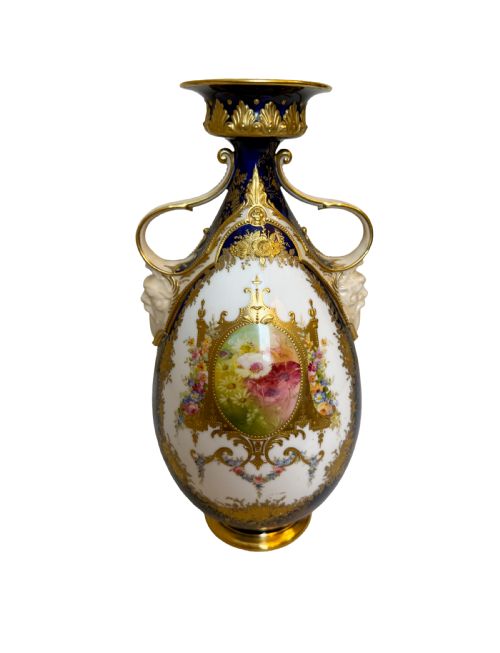
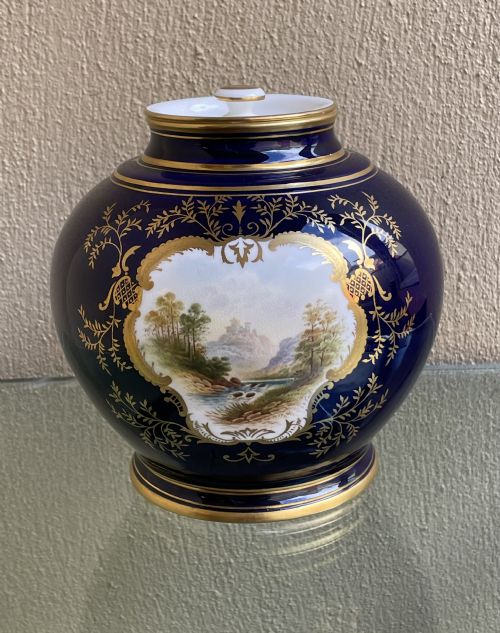
English bone china urns bring substantial decorative presence to a room, carrying intricate hand-painted fruit and floral scenes from major Staffordshire and Worcester potteries.
English Bone China Urns
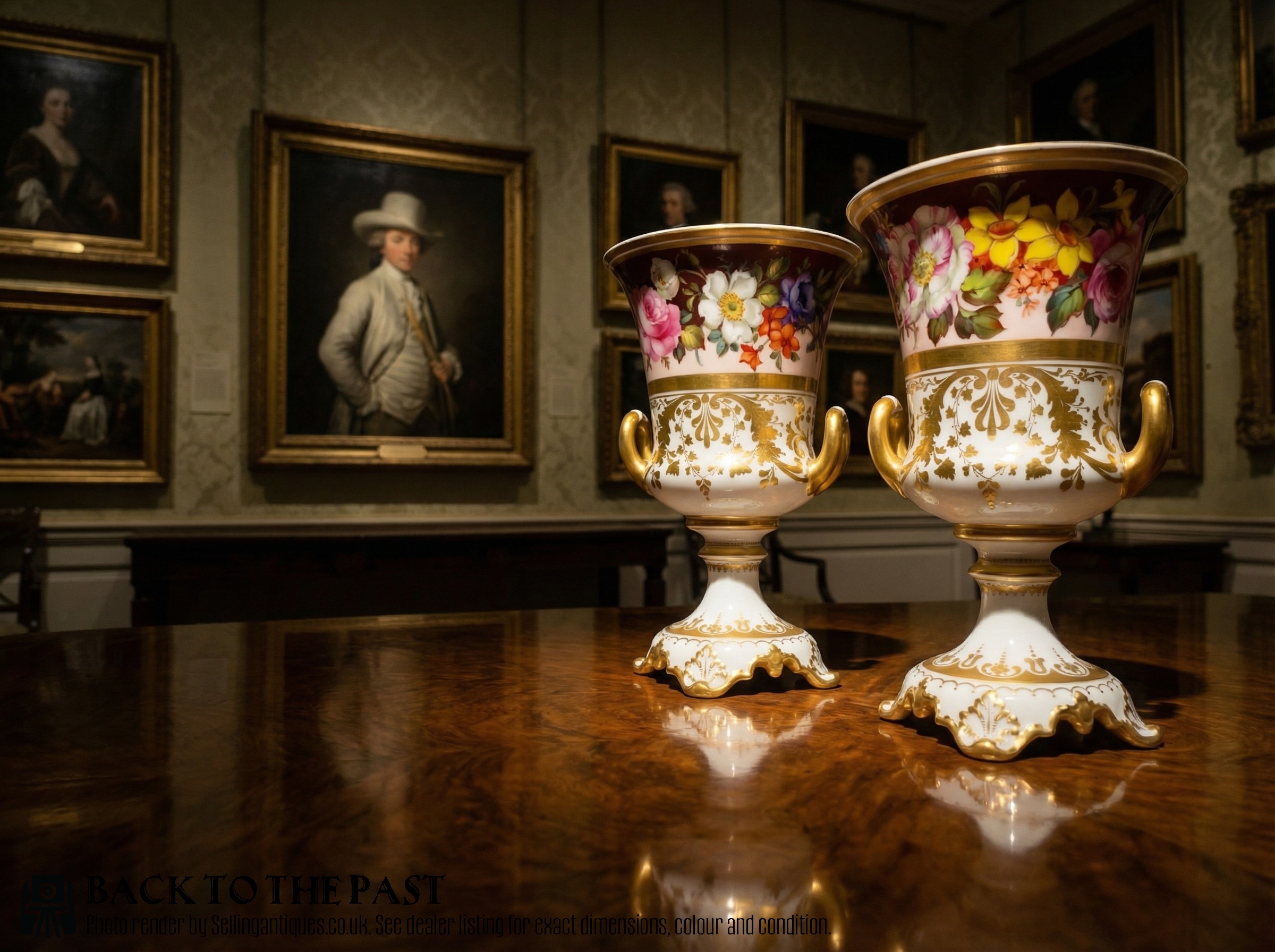
When searching for english bone china urns, buyers encounter covered vessels, ginger jars, and twin-handled vases produced across the Victorian, Edwardian, and mid-twentieth-century periods. These pieces serve primarily as decorative mantel or cabinet items rather than functional vessels, often taking classical campana or baluster forms.
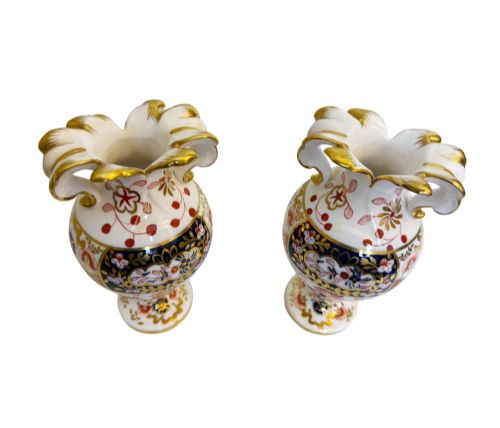
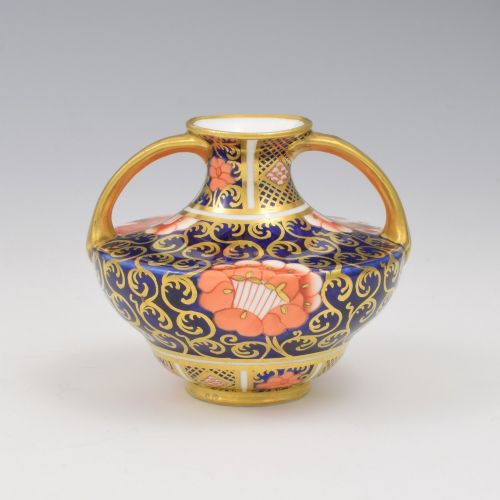
The selection on this page relies heavily on works from Royal Worcester, Royal Crown Derby, and Coalport, alongside Spode and Wedgwood productions. Edwardian and 1920s examples dominate the listings, showing both traditional floral motifs and distinctive Imari patterns.
Materials and methods
Potters built these vessels using fine porcelain and bone china bodies, shaping them on the wheel or slip-casting them in moulds before initial kiln firing. Artisans then applied detailed enamel colours by hand, frequently featuring signed pastoral scenes of fruit, sheep, or storks.
The final decorative stages involved applying gold leaf and gilt highlights to handles, rims, and bases, followed by a subsequent firing to fuse the metallic lustre and enamel pigments into the glaze.
Object forms span covered ginger jars, twin-handled campana urns, ewers, and miniature bud vases.
Judging quality in the range
Quality rests primarily on the skill of the artist and the complexity of the hand-painted subject matter. Signed works by noted painters like Walter Powell, Harry Davis, or William Ricketts command greater attention than standard factory output.
The crispness of the gilding and the precision of the enamel work separate superior items from simpler decorative wares. Form also plays a part, with covered urns and twin-handled vessels generally showing more ambitious studio craftsmanship than small bud vases.
Wedgwood·Spode·Royal Crown Derby·Royal Doulton·Coalport·Royal Worcester
The English Bone China Urns Glossary
- Bone china
- A type of soft-paste porcelain containing bone ash, which gives the body high strength and a milky translucency. It forms the standard base for fine British decorative vessels.
- Imari
- A traditional decorative style featuring deep cobalt blue and iron red combined with extensive gilding, originating in Japan but widely adopted by English factories. Royal Crown Derby pieces frequently utilise this palette.
- Pot pourri
- A decorative vase or jar featuring a pierced or perforated cover designed to let dried scented petals fragrance a room. These vessels often stand on dedicated pedestals.
- Gilding
- The application of gold leaf or gold paint to ceramic surfaces, particularly around handles and rims. High-quality pieces show burnished, light-reflecting metallic details.
- Ewer
- A large jug with a wide spout and scroll handle, often produced as a decorative display piece rather than for pouring liquids. Several nineteenth and twentieth-century examples appear in these materials.
English Bone China Urns: Frequently Asked Questions
What are these urns used for?
These pieces serve as ornamental display items for mantelpieces, sideboards, and display cabinets. They add colour and formal structure to traditional interior schemes.
While some feature removable covers and were originally designed to hold pot pourri or dried herbs, their primary function today is decorative.
How do I date an English urn?
Dating relies on factory backstamps underneath the glaze, alongside stylistic cues such as Victorian floral painting or mid-century fruit subjects. Maker marks often changed with the reigning monarch or corporate restructuring.
Associated artist signatures, when present, provide a narrower production window based on their known working years at the factory.
Are painted fruit scenes common?
Painted fruit panels appear frequently on twentieth-century pieces, particularly those originating from the Royal Worcester factory. Artists such as Freeman and Ricketts specialised in detailed studies against mossy backgrounds.
Earlier nineteenth-century pieces tend to feature floral sprays, birds, or traditional Imari patterns rather than realistic fruit compositions.
How should I clean my porcelain urn?
Dust the surface gently with a soft dry brush or feather duster to prevent particulate buildup. Avoid using water or chemical cleaning agents, particularly on gilded areas.
Harsh cleaning products can damage delicate enamel colours and wear away the fine gold leaf highlights applied during manufacture.