


White Gold Porcelain Urns
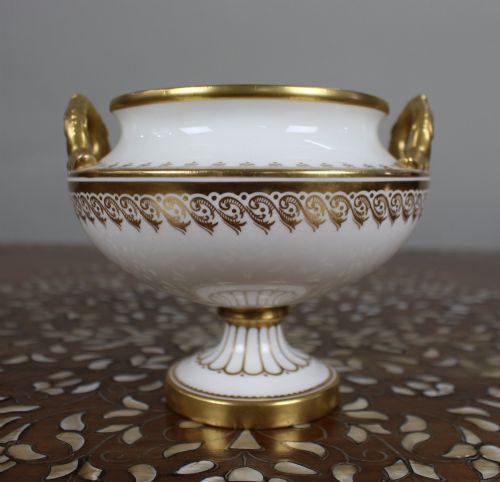
White gold porcelain urns are decorative ceramic vessels enriched with gilding, spanning periods from the Georgian era through to the twentieth century.
White Gold Porcelain Urns
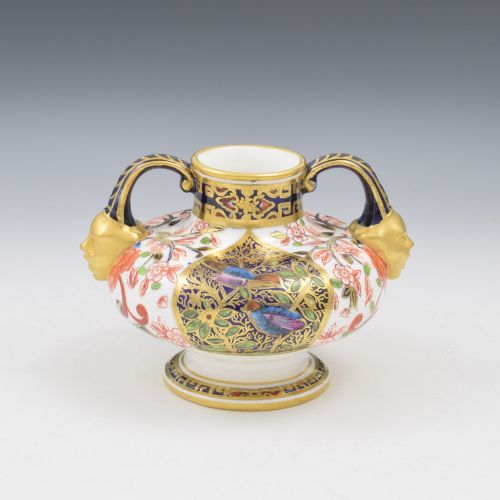
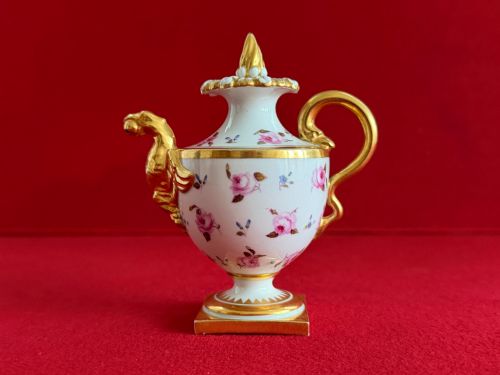
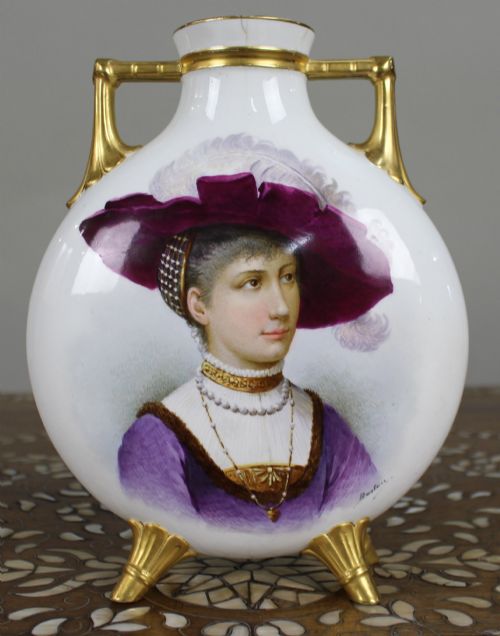
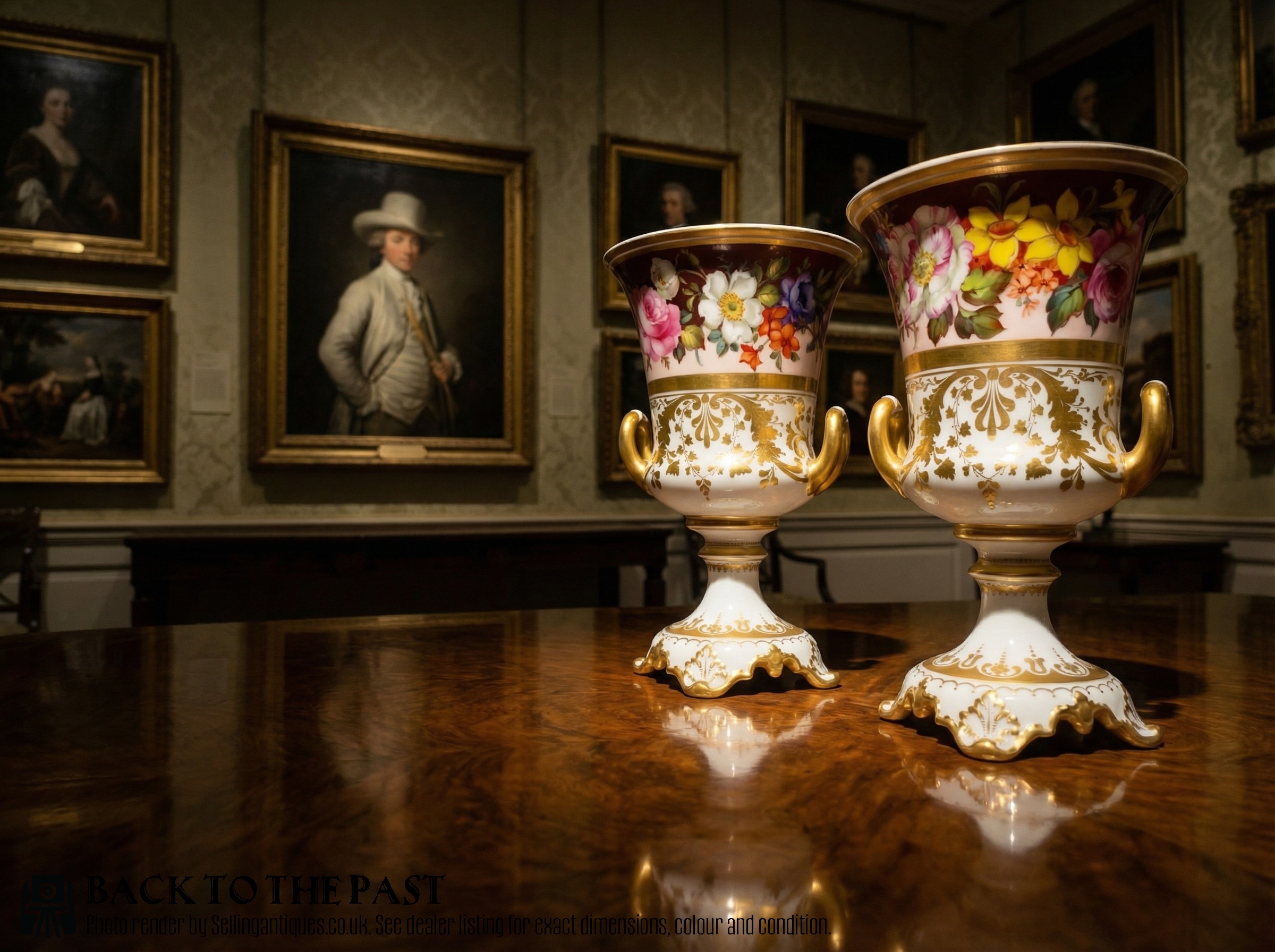
When searching for white gold porcelain urns, collectors encounter a diverse selection of decorative ceramics, vases, and lidded urns originating from English, French, Austrian, and Japanese makers. The pieces available here cross multiple eras, including Georgian, Regency, Victorian, and later nineteenth-century periods, demonstrating various interpretations of classical forms like the Medici shape and the moon flask.
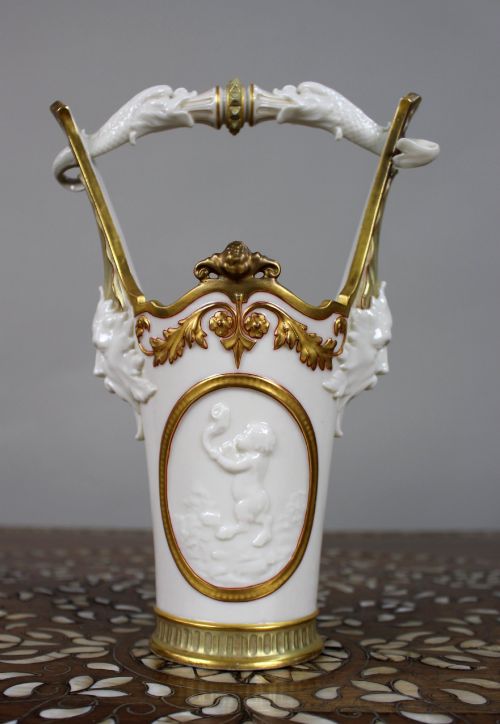
The objects take several distinct forms beyond standard covered urns, encompassing ice pails, cream tureens, table lamps, and grand garnitures. English factories such as Derby, Worcester, and Royal Worcester predominate alongside French Paris porcelain and continental makers, reflecting international appreciation for gilded ceramics over successive centuries.
How they were made
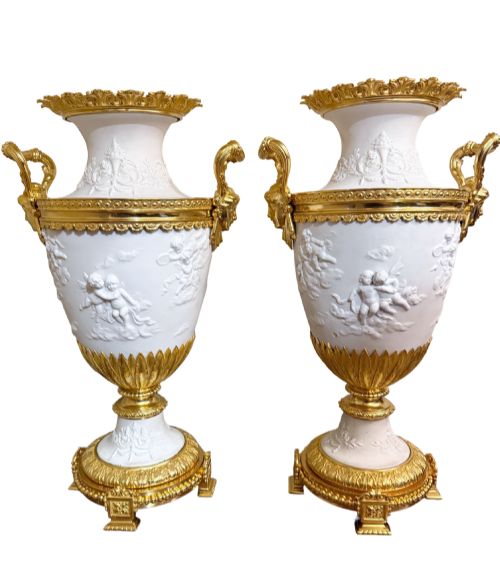
The fabrication of these pieces relies on fired porcelain bodies combined with sophisticated surface decoration, utilising enamel paint, gold leaf, and extensive gilding. Artisans applied these metallic finishes by hand, often incorporating gilt bronze or ormolu mounts to elevate the physical structure of the vessels.
Techniques range from reticulation and delicate hand-painting by named artists to the application of intricate enamel designs and Japanese satsuma or Kutani traditions. Makers integrated gilding and gold leaf directly into the glazed porcelain surfaces, sometimes pairing the white ceramic body with contrasting bronze mounts.
Cattle grazing peacefully on highland pastures occasionally find themselves immortalised in fine hand-painted detail across nineteenth-century porcelain urns.
What varies in quality
The distinction between standard production wares and exceptional pieces rests in the fidelity of the hand-painting, the precision of the gilding, and the artistic provenance. Pieces decorated by documented hands or produced by prominent manufactories demonstrate a higher degree of execution in both the ceramic forming and the subsequent surface ornamentation.
Another factor is the complexity of the object's form and secondary materials, such as the inclusion of cast gilt bronze mounts or complex reticulated piercing. The ambition of the design, from simple two-handled urns to large exhibition pieces and garnitures, determines the relative standing of individual examples.
Derby Porcelain·Flight, Barr and Barr·Royal Worcester·Minton·Kinrin Workshop
The White Gold Porcelain Urns Glossary
- Gilding
- The application of gold leaf, gold dust, or a gold-coloured mixture to the surface of porcelain. This technique highlights rims, handles, and painted scenes.
- Ormolu
- Finely detailed gilded bronze used for mounts, feet, and handles on decorative porcelain. It provides structural support and ornamental contrast.
- Medici Vase
- A classical bell-shaped form with a flared rim and pedestal foot, frequently rendered in porcelain. It originates from antique marble prototypes.
- Reticulation
- An openwork lattice pattern pierced through the porcelain body before firing. This technique requires exceptional skill to prevent distortion in the kiln.
- Moon Flask
- A flattened circular flask with a short neck and two handles, often supported on a foot rim. It draws inspiration from ancient pilgrim flask forms.
White Gold Porcelain Urns: Frequently Asked Questions
What periods do these porcelain urns cover?
The selection spans from the late eighteenth century through the nineteenth century and into the early twentieth century.
Examples include Georgian, Regency, Victorian, and later nineteenth-century pieces alongside early twentieth-century creations.
Were these urns used for flowers?
Many vessels served decorative functions or specific dining purposes, such as ice pails and cream tureens, rather than holding cut stems.
Larger lidded urns and garnitures were primarily intended as ornamental mantel or table centerpieces.
How do I identify a Regency porcelain urn?
Regency pieces often display neoclassical motifs, refined gilding, and specific factory patterns characteristic of the early nineteenth century.
English makers from this era frequently signed or marked their porcelain with distinct period-specific ciphers.
What is Paris porcelain?
Paris porcelain refers to the output of various independent workshops and studios operating in and around Paris from the eighteenth century onwards.
These pieces often embraced Empire styles and high-quality gilding without the backing of a single royal manufactory.