
Neoclassical Marble Urns
Neoclassical marble urns bring classical proportion and refined stone into a room, offering timeless decorative presence.
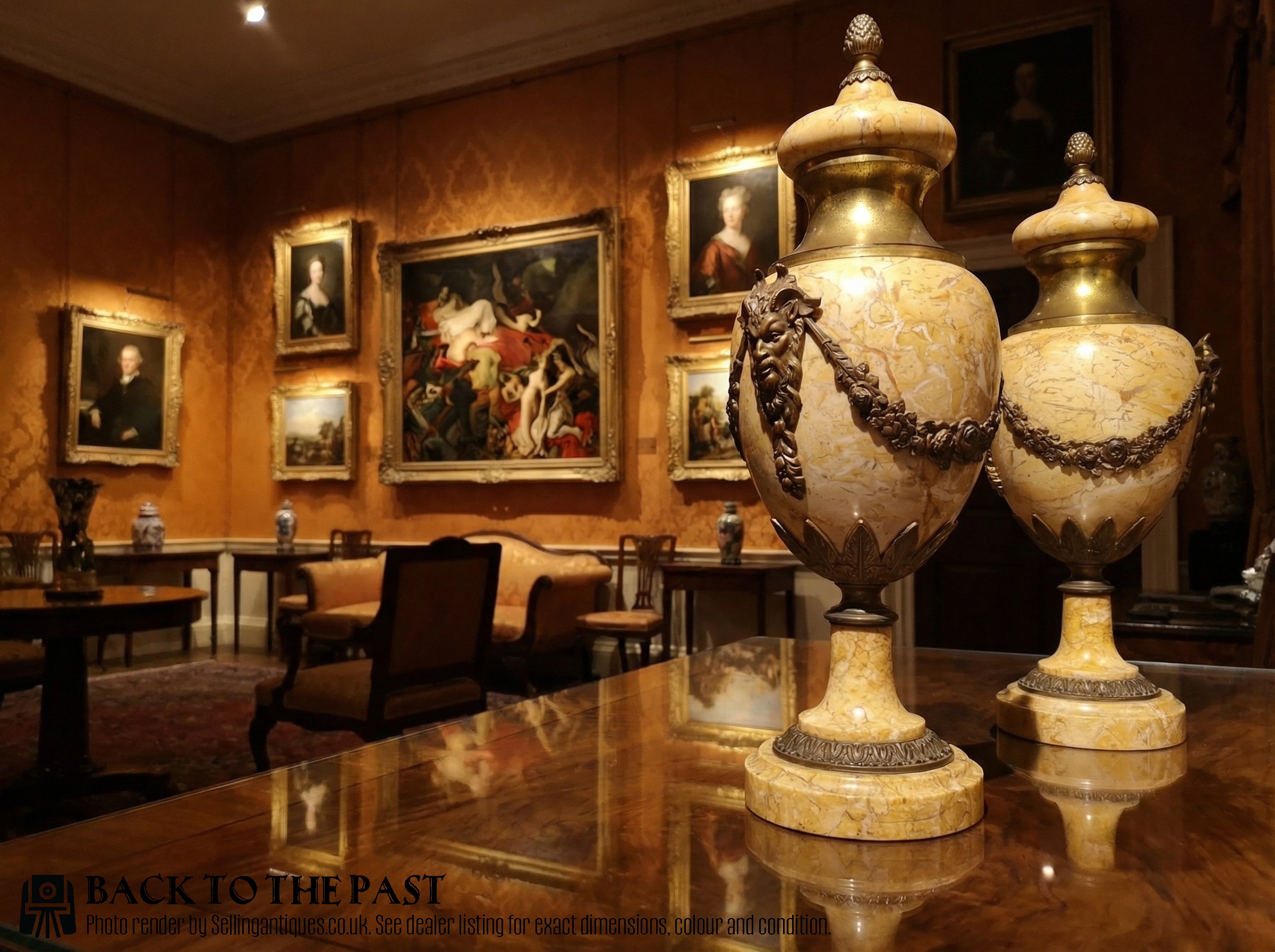
What neoclassical marble urns are
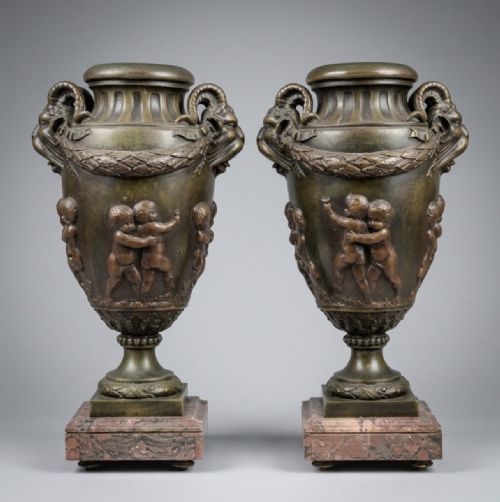
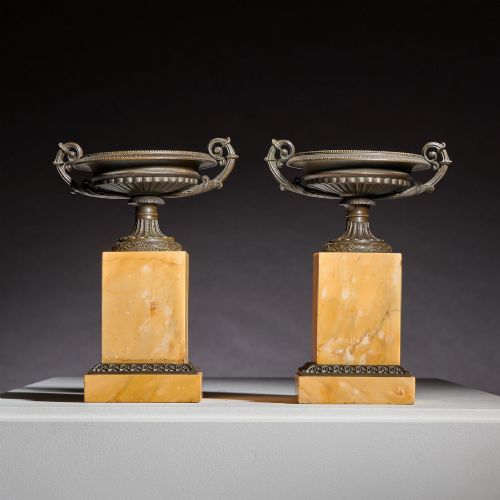
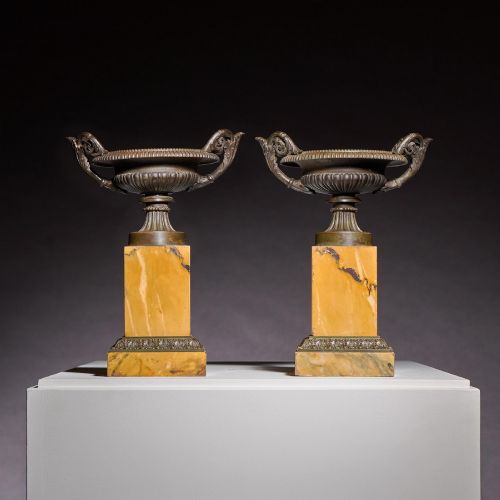
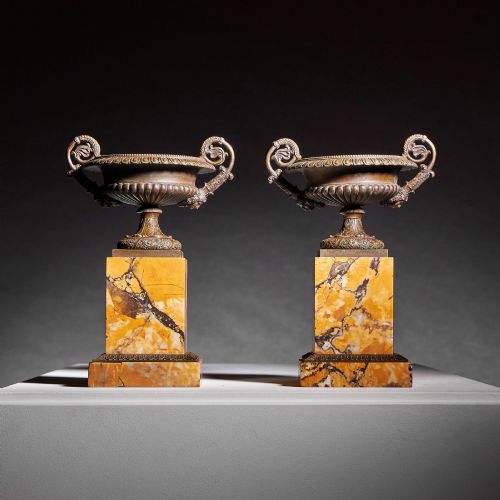
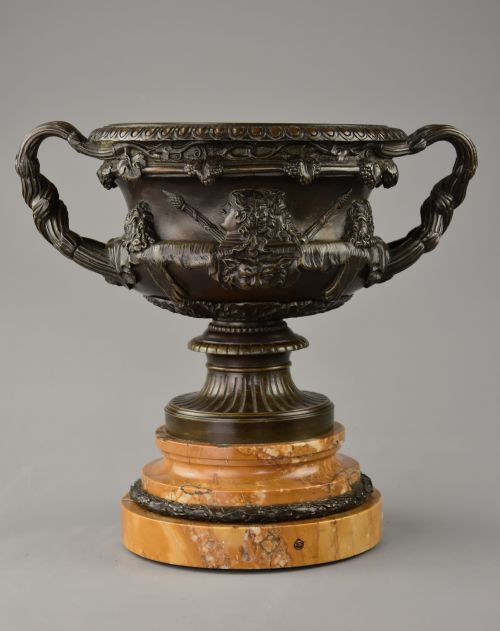
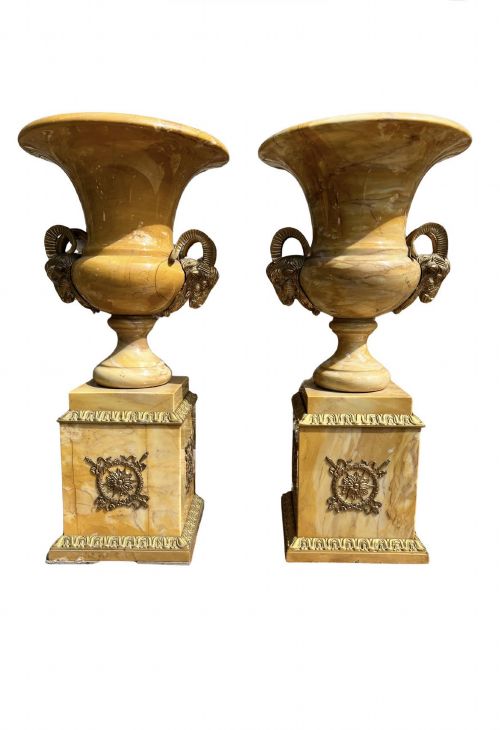
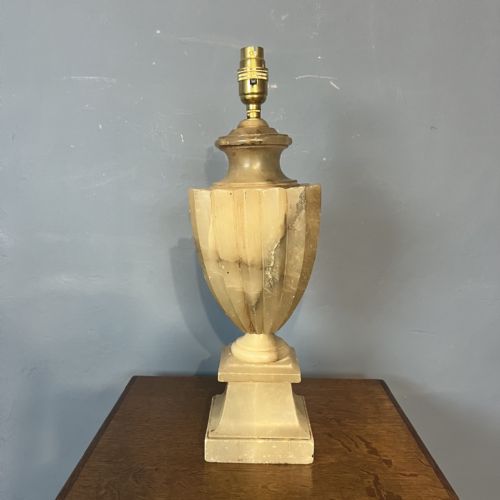
Neoclassical marble urns draw upon ancient Greek and Roman forms, reinterpreted through later European decorative movements. Buyers looking for neoclassical marble urns will find pieces designed primarily as decorative garnitures, mantel ornaments, or architectural focal points rather than functional vessels.
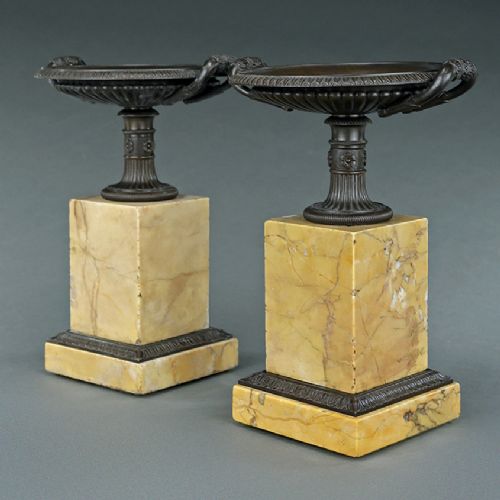
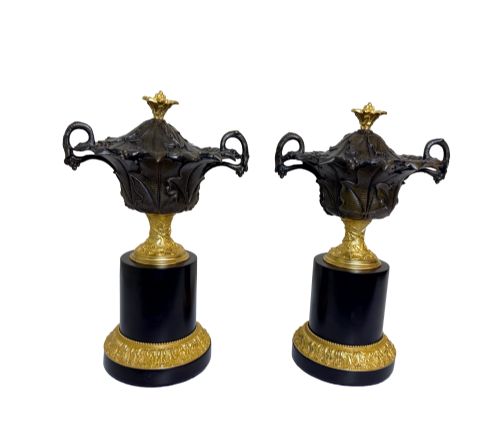
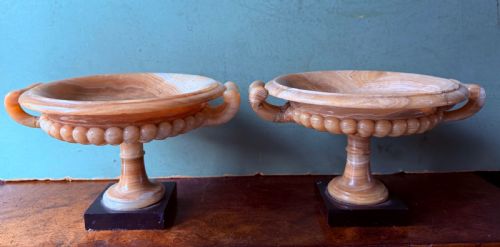
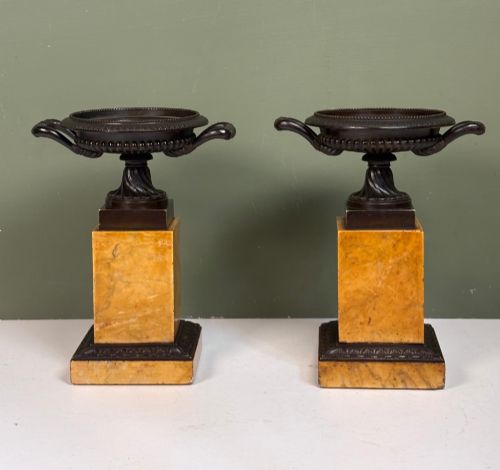
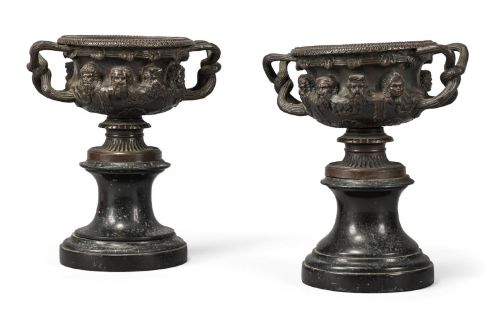
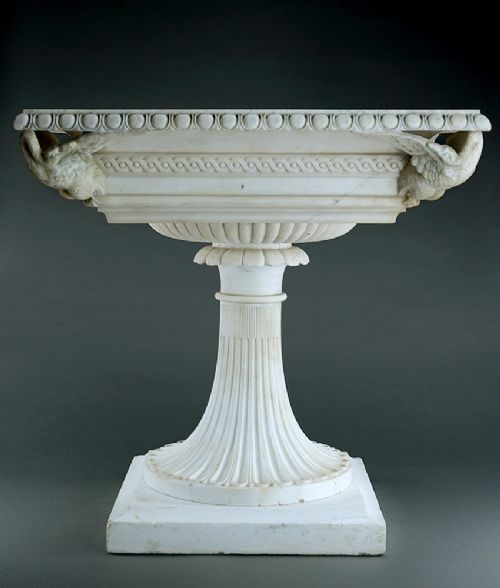
Forms include classic covered urns, convertible cassolettes with reversible lids, and low tazza urns. Pairs dominate the selection, making them suitable for symmetrical placement on mantelpieces or console tables.
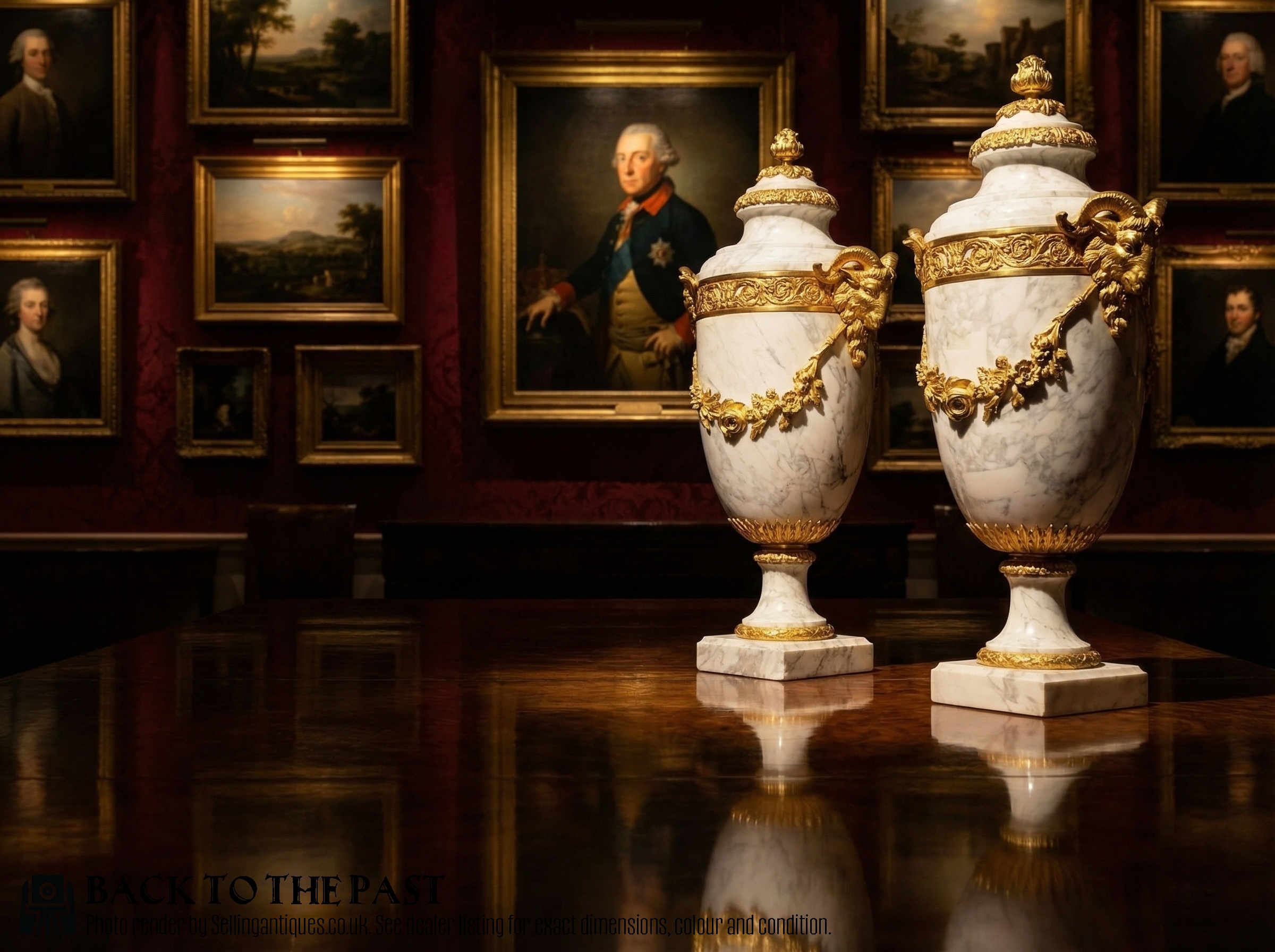
How they were made
The foundation of these pieces lies in turned and carved natural stone, utilising white, green, rouge, black, and Sienna marble varieties. Stonemasons shaped the mineral blocks on lathes or by hand to achieve smooth, symmetrical profiles and classical contours.
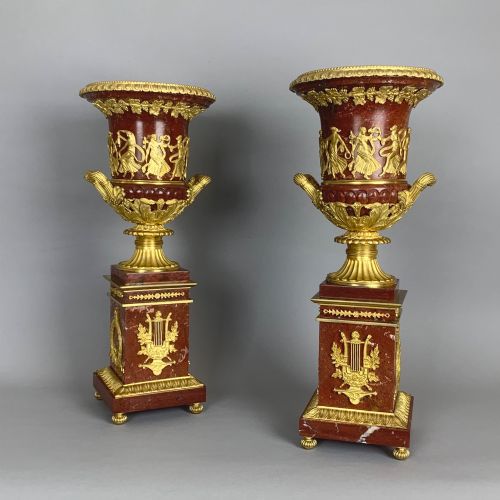
Metal ornamentation provides a sharp contrast to the polished stone surfaces, with gilt bronze and ormolu mounts fitted to collars, bases, and handles. Wood also appears within the structural assemblies of certain models to provide internal stability or base support.
Retail Price Guide 2026
Typical UK retail prices for neoclassical marble urns, calculated from the Sellingantiques database of over a million retail prices indexed since 2003. This retail price guide relies exclusively on Sellingantiques data; no external sources or auction records are used, so the figures do not describe the wider market.
Listings include pieces dated across the nineteenth century, specifically referencing the years 1870, 1890, and 1900.
What varies in quality
Quality in these decorative objects rests upon the grade of the stone and the crispness of the secondary mounts. Superior examples feature tightly figured marble with harmonious natural veining and precise turning.
The integration of the gilt bronze or ormolu defines the upper tier of the range. Finely chased metalwork that sits flush against the stone demonstrates a higher standard of manufacture than simpler, cast-only applications.
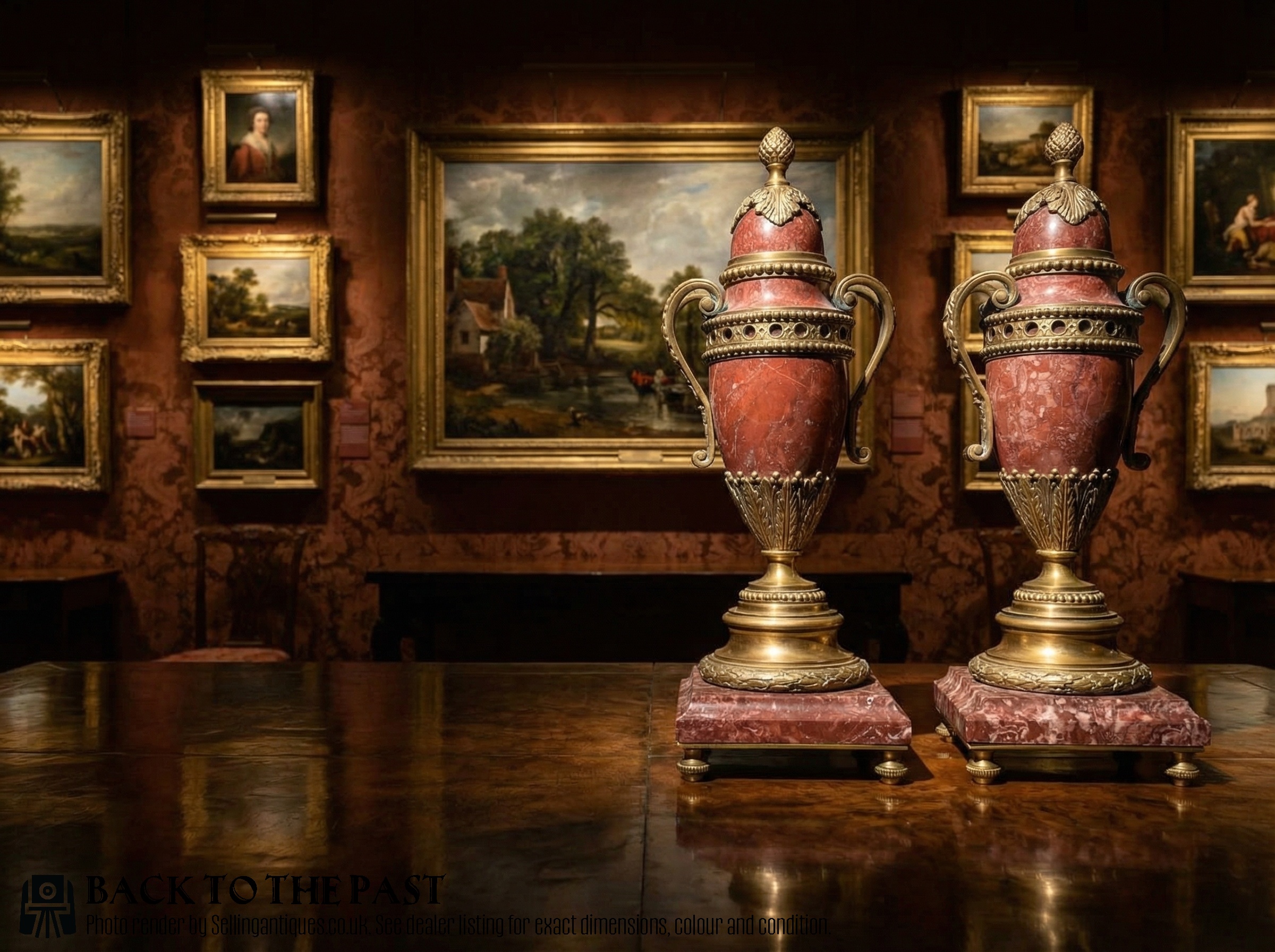
The Neoclassical Marble Urns Glossary
- Cassolette
- A decorative vessel with a reversible lid that functions either as an enclosed urn or a holder for perfume and incense. This dual purpose makes them versatile ornaments on nineteenth century mantelpieces.
- Tazza
- A shallow bowl or urn raised on a stem and foot, originating from ancient drinking vessels. In decorative art, these forms display the grain of the marble across a broad upper basin.
- Ormolu
- Finely ground high-carat gold mercury-gilded onto a bronze base, providing a durable golden finish. Makers utilised this technique to highlight handles, rims, and bases on stone bodies.
- Rouge marble
- A deep red, iron-rich limestone variety with contrasting white or grey calcite veins. This striking material was favoured by nineteenth century makers for dramatic decorative effect.
- French Empire style
- An architectural and decorative style inspired by the classical antiquity of Greece and Rome, popularised during the nineteenth century. It emphasises symmetry, restrained ornamentation, and martial motifs.
Frequently Asked Questions
What is a cassolette?
A cassolette is a dual-purpose decorative vessel featuring a lid that turns over to reveal a small burner or recess. They were designed to hold scented materials or simply to serve as ornamental garnitures.
In nineteenth century interiors, these pieces sat prominently on mantelpieces, often paired with matching candelabra or flanking a central clock.
How do you clean marble urns?
Marble requires gentle maintenance using a soft, dry cloth to remove dust from carved surfaces and crevices. Avoid harsh chemical cleaners or abrasive pads that can dull the polished stone finish.
Metal mounts require separate attention to avoid getting cleaning agents onto the porous marble body. A dry brush helps clear dust from gilt bronze chasing.
Where were these urns made?
The pieces recorded here originate primarily from French and Italian workshops active during the nineteenth century. These makers drew on classical traditions to supply domestic markets with decorative garnitures.
Italian pieces often showcase regional stones like Sienna marble, while French ateliers frequently combined white or rouge marble with detailed ormolu mounts.
How do you style marble urns?
Marble urns work best as symmetrical pairs on strong horizontal surfaces such as mantelpieces, sideboards, or console tables. Their classical proportions anchor a room and provide height and architectural structure.
Because they function primarily as decorative objects, placing them away from heavy foot traffic protects their delicate stone edges and gilt bronze mounts from accidental impact.