

Antique Campana Urns
Antique campana urns bring classical bell-shaped dignity to rooms and gardens through centuries of revival design.
Antique Campana Urns
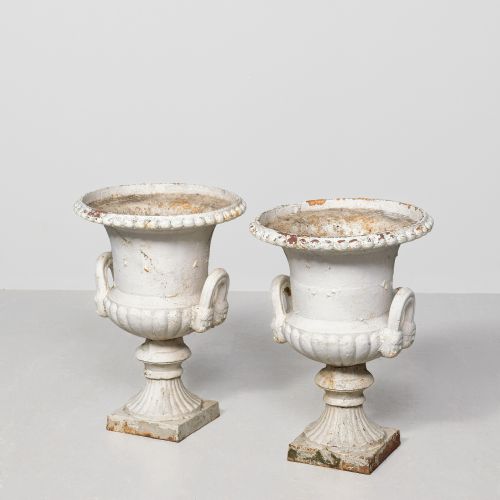
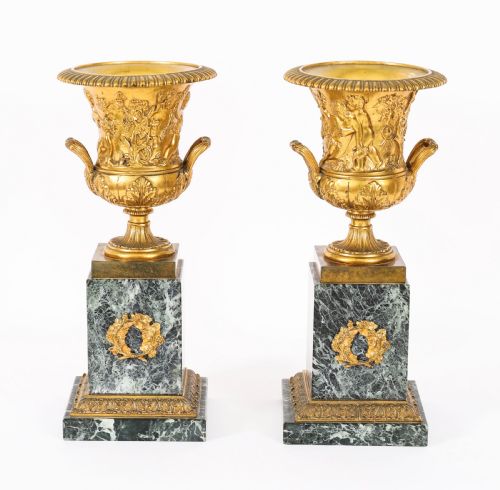
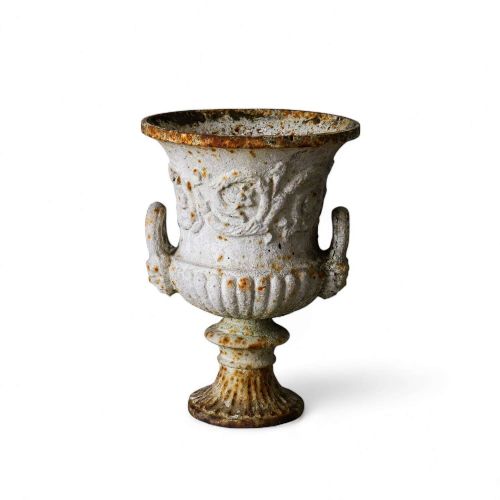
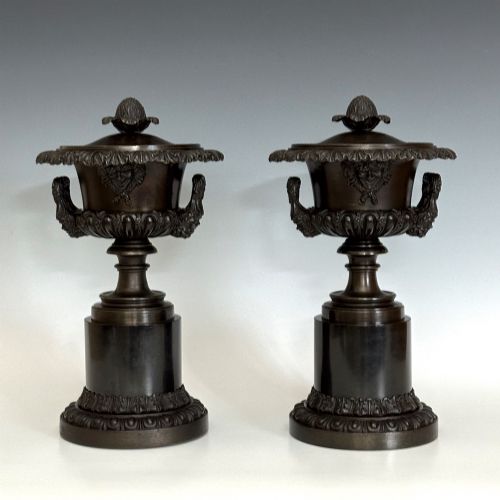
These pieces comprise classical krater vessels featuring a distinct bell shape, flaring rims, and lower footed bases. When searching for antique campana urns, buyers encounter heavy garden vessels alongside indoor cabinet decorative items.
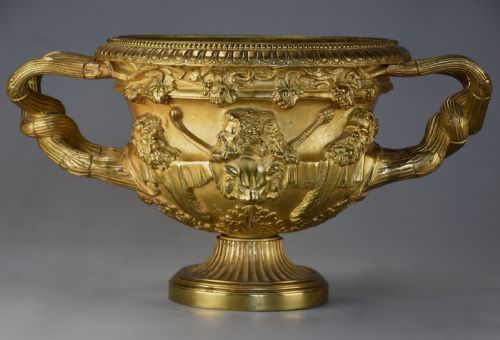
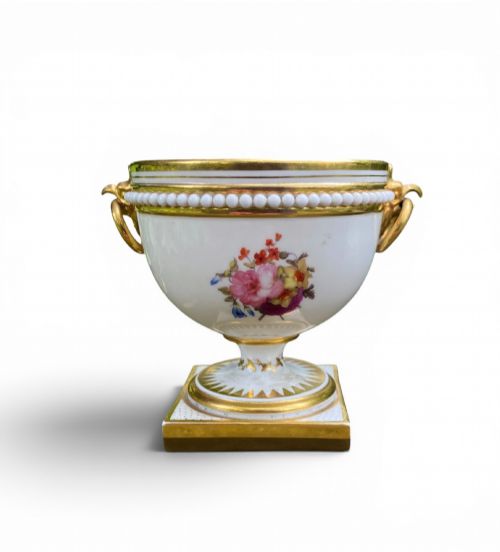
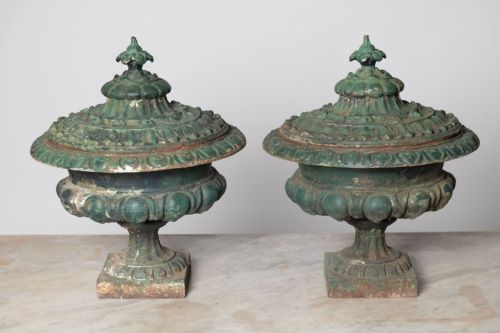
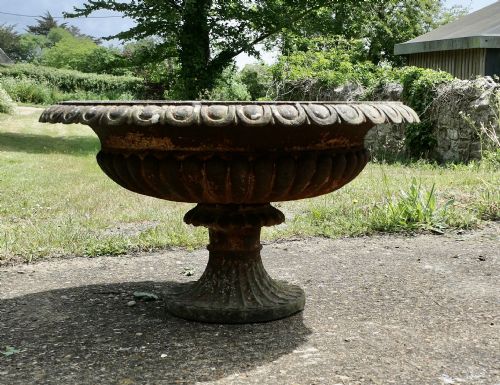
The material record spans robust cast iron for outdoor display, fine porcelain for interior mantelpieces, and warm metals for decorative table use. Examples range from large garden planters to small cabinet vases and wine coolers.
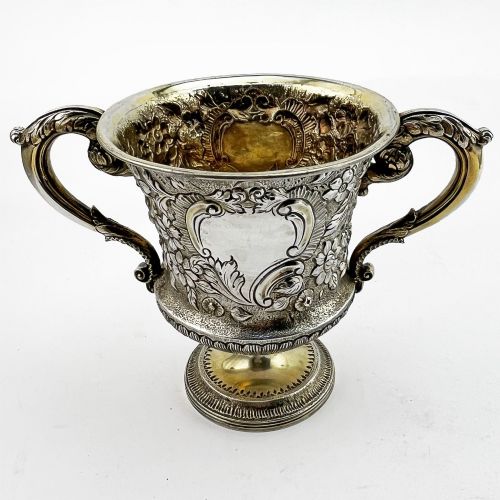
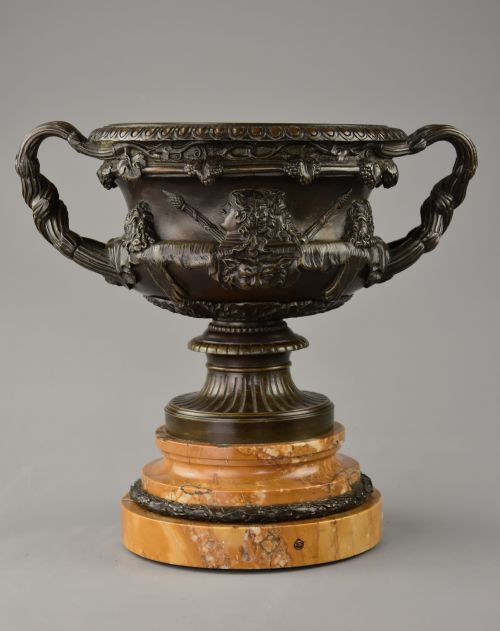
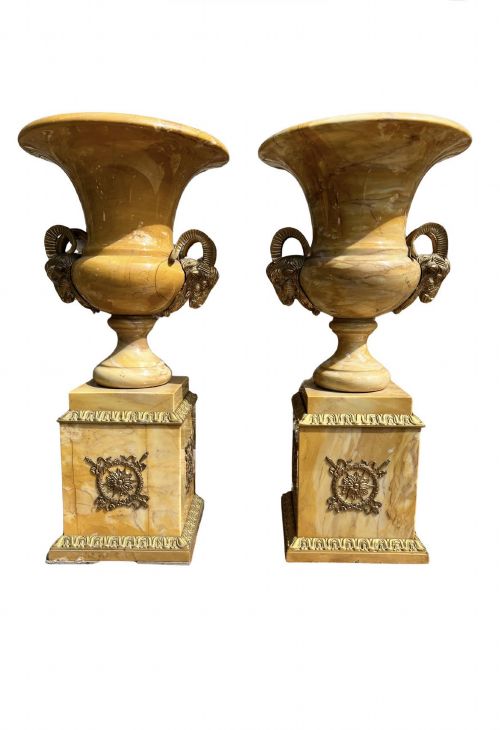
Origin points encompass English, French, and Italian workshops, with many items reflecting Grand Tour influences or classical revivals. Pieces take the form of paired garden jardinières, single decorative urns, and handled trophy cups.
Materials and production methods
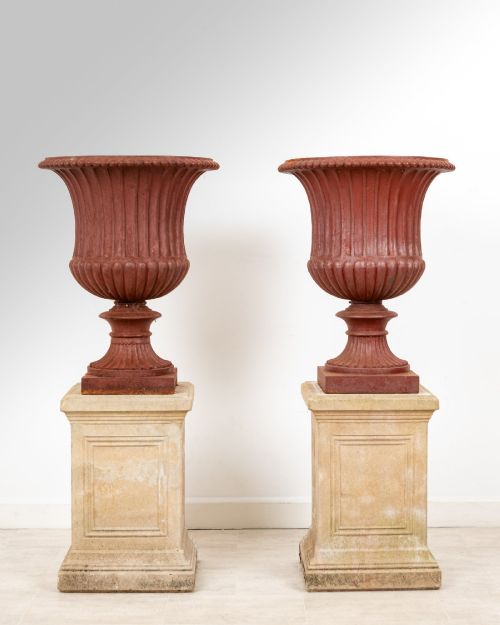
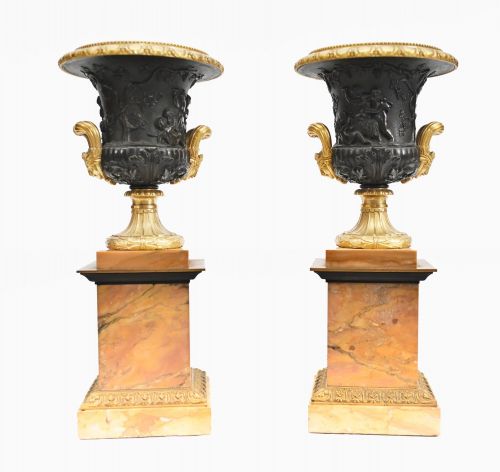
Metal vessels utilise bronze, cast iron, and silver plating, often cast in sections and combined with marble or stone bases. Manufacturers apply patination, gilt bronze, and original painted surfaces to metal and iron forms.
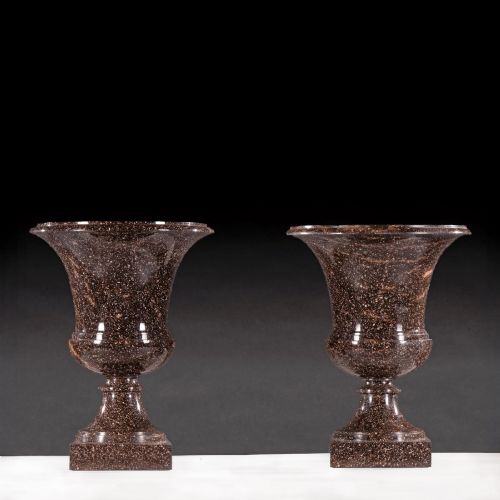
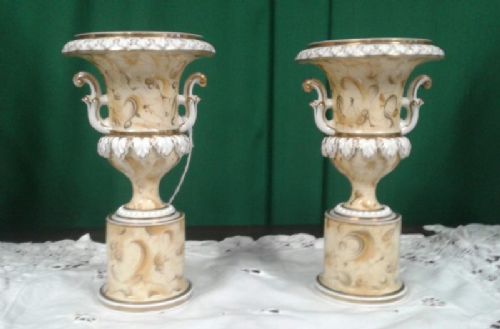
Ceramic examples employ porcelain, earthenware, and jasperware bodies decorated with hand-painted motifs or applied white bas-reliefs. Stonework incorporates porphyry, siena marble, Ashford marble, and alabaster shaped into classical profiles.
Listings feature items spanning the 18th, 19th, and early 20th centuries, rendered in bronze, cast iron, porcelain, and marble.
Distinguishing quality variations
Superior examples display crispness in cast relief work, particularly on classical figures, leaf motifs, and handle attachments. Finer bronze and marble pieces show precision in the joinery of stone bases and metal mounts.
Porcelain and earthenware versions depend upon the clarity of painted decoration and the precision of applied bas-relief details. Cast iron garden items derive distinction from the subtlety of surface weathering and the retention of original paint layers.
Andrew Handyside·BFB Worcester·Flight Barr and Barr·Selim Bright·Thomas Lowe·Wedgwood
The Antique Campana Urns Glossary
- Campana
- A classical bell shape resembling an inverted bell, characteristic of these specific antique urns and vases. This profile forms the defining silhouette for the category.
- Grand Tour
- A traditional educational trip through Europe undertaken by wealthy individuals who acquired art and antiquities. Souvenirs from these journeys heavily inspired nineteenth-century bronze and marble urn production.
- Jasperware
- A type of fine stoneware developed by Josiah Wedgwood featuring a matte unglazed body and contrasting applied white reliefs. Pieces frequently display classical figures in profile.
- Ormolu
- Finely ground high-carat gold cast and mercury-gilded onto a bronze object. This technique adds rich metallic highlights to decorative nineteenth-century mounts.
- Porphyry
- An extremely hard igneous rock containing large crystals, prized for its deep purple or red colour. Artisans carved this material into luxury decorative urns and pedestals.
Antique Campana Urns: Frequently Asked Questions
What is a campana urn?
A campana urn is a classical vessel shaped like an inverted bell with an everted rim, paired handles, and a pedestal base.
Originating in ancient pottery and metalwork, this classical form experienced major revivals during the Georgian, Regency, and Victorian periods.
Where were antique campana urns placed?
Large cast iron and stone examples historically occupied gardens, terraces, and parklands as ornamental planters or focal points.
Smaller bronze, porcelain, and marble versions served as interior decorative ornaments on sideboards, mantelpieces, and display tables.
How do I date a cast iron campana urn?
Dating relies upon the casting quality, the presence of seams, and the retention of early paint layers or natural outdoor weathering.
Nineteenth-century examples often feature heavier sand-casting techniques and distinct patination compared to modern reproductions.