


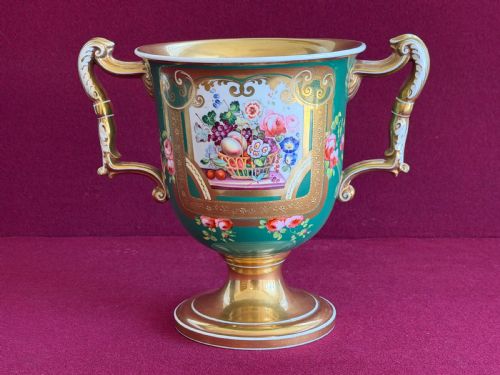


Georgian Porcelain Vases
Georgian porcelain vases bring cabinet-level refinement to any room through hand-painted scenes and classical forms.
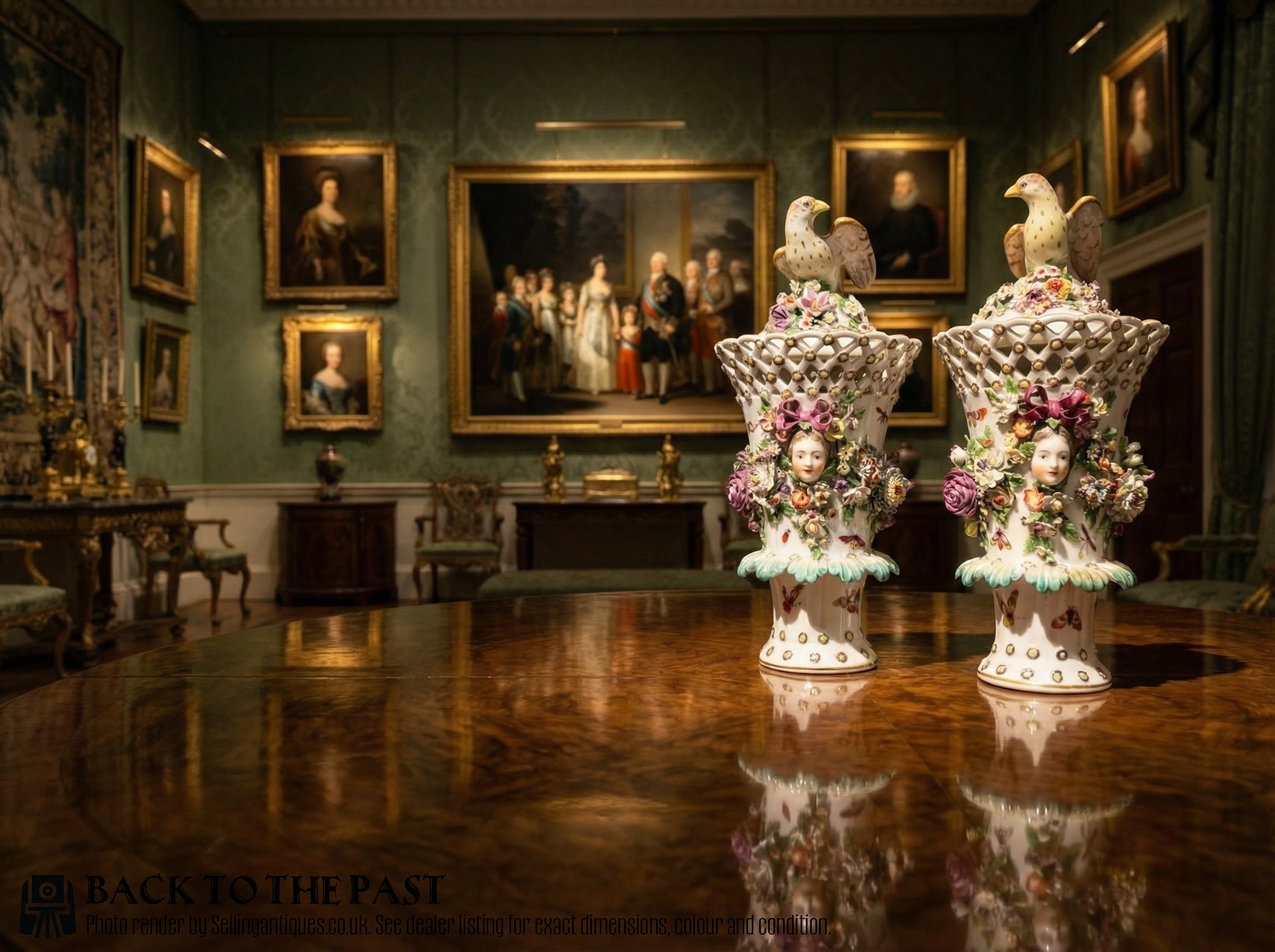
What Georgian porcelain vases are
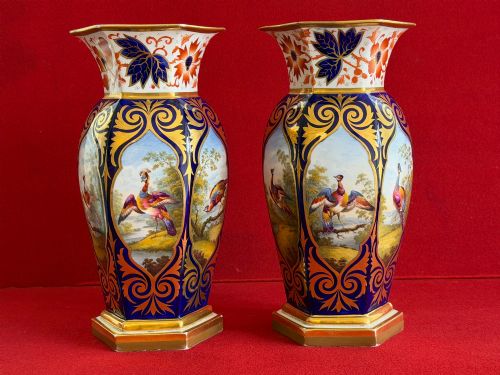
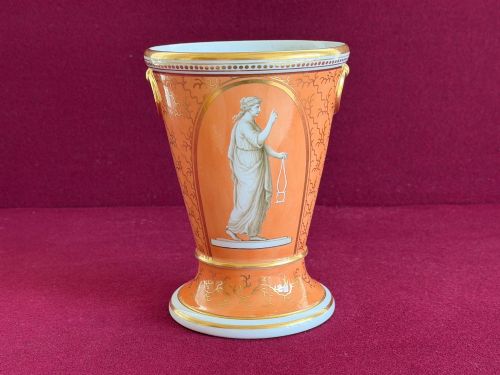
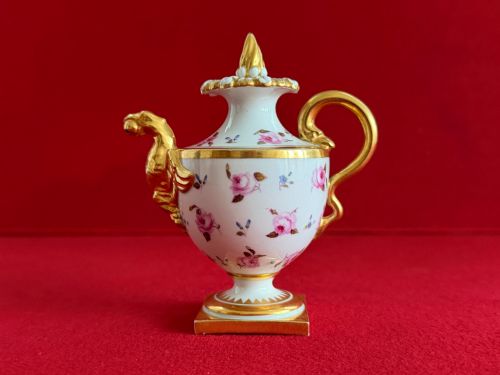
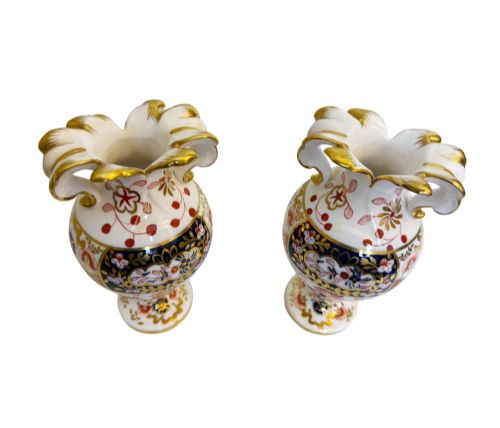
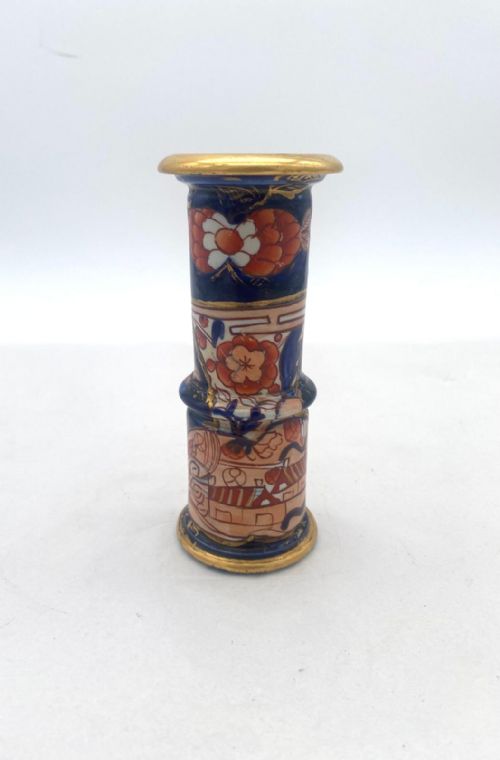
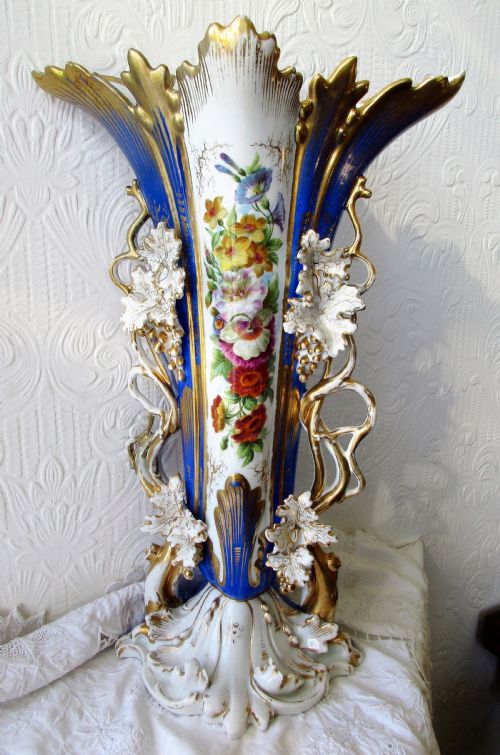
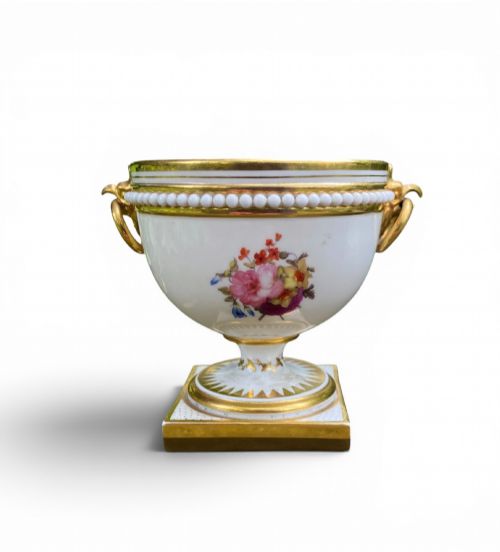
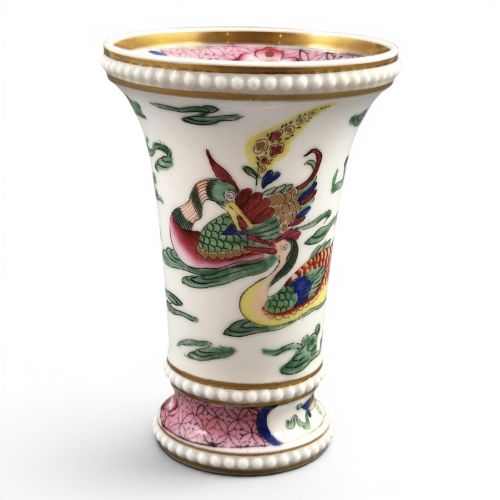
When you search for georgian porcelain vases, you encounter decorative vessels from the eighteenth and nineteenth centuries, including the Regency era. These pieces span distinct forms such as standard vases, topographical vases, ornate cornucopia, and frill vases.
The selections appearing here most frequently comprise pairs of matched vessels. They demonstrate periods from the eighteenth century through to Regency and the broader nineteenth century.
How they were made
Maker workshops utilised fine porcelain as the primary body for these objects. Potters shaped the clay before applying detailed hand-painted decoration.
Artisans enhanced the surfaces using gold leaf and rich gilding alongside colourful enamel work. These decorative additions elevate the visual depth of the porcelain.
Retail Price Guide 2026
Typical UK retail prices for georgian porcelain vases, calculated from the Sellingantiques database of over a million retail prices indexed since 2003. This retail price guide relies exclusively on Sellingantiques data; no external sources or auction records are used, so the figures do not describe the wider market.
Some nineteenth-century makers decorated vases with topographical scenes so specific you can spot the exact hill.
What varies in quality
The standard of painting sets the finest pieces apart from simpler examples. Detailed topographical scenes and precise hand-painted motifs require exceptional skill.
The application of gold leaf and gilding dictates the overall visual richness. Careful handling of enamel details marks the work of premier factories.
Flight Barr And Barr·Derby
The Georgian Porcelain Vases Glossary
- Porcelain
- A fine, hard white ceramic material fired at high temperatures. It forms the smooth body of these decorative vessels.
- Gilding
- The application of gold or gold leaf to the surface of the ceramic. This technique highlights rims, handles, and painted panels.
- Enamel
- Opaque glassy material fused to the porcelain during firing. It provides vibrant, lasting colour to hand-painted designs.
- Cornucopia
- A horn-shaped vessel symbolising abundance and plenty. Makers adapted this classical form into ornamental porcelain vases.
- Topographical
- Depicting specific real-world landscapes or buildings. Topographical vases feature hand-painted views of identifiable places.
Frequently Asked Questions
What are Georgian porcelain vases?
These pieces are ornamental ceramic vessels produced during the eighteenth and nineteenth centuries. They serve purely decorative functions rather than practical household uses.
Craftsmen shaped porcelain into urns, cornucopia, and standard vase forms, often embellishing them with landscapes and gilded accents.
How were they displayed originally?
Owners typically placed these vessels on mantelpieces, side tables, or cabinets in formal reception rooms. Matched pairs created a sense of symmetry in interior decoration.
Their vibrant hand-painted surfaces and gold leaf details caught the flickering light of candles and oil lamps during evening gatherings.
How do I identify Regency pieces?
Regency items often display classical architectural influences and precise topographical artwork. Makers during this period favoured clean lines combined with rich gilding.
Reference dates provided in listings help confirm the specific era of manufacture, typically spanning the early decades of the nineteenth century.
Are these vases always sold in pairs?
Many examples survive as matched pairs due to their original function as mantel garnitures. Symmetry governed much of the decorative arrangement in period interiors.
Single vessels do occur, but paired sets represent a significant portion of surviving pieces from major factories.