
Blue and Gold Porcelain
When you explore blue and gold porcelain, you encounter striking combinations of cobalt grounds and rich gilding across centuries of fine ceramics and horology.
Blue and Gold Porcelain
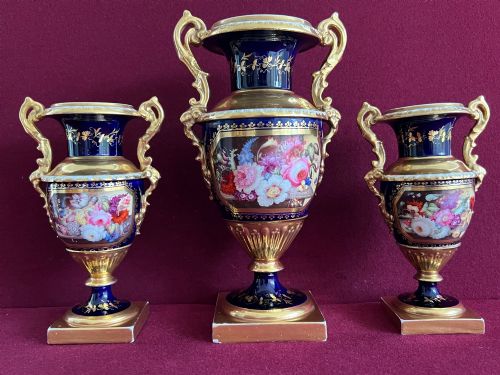
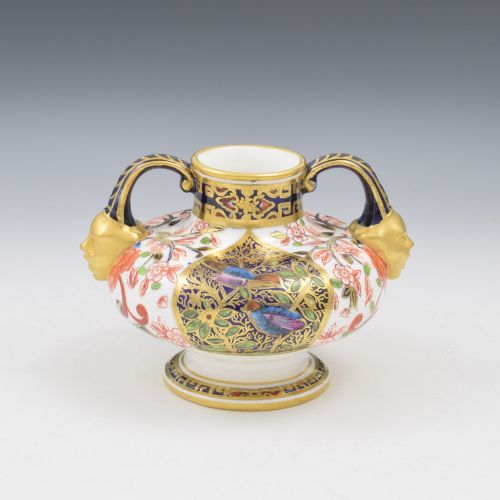
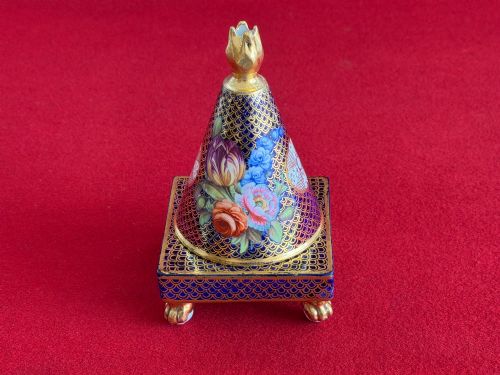
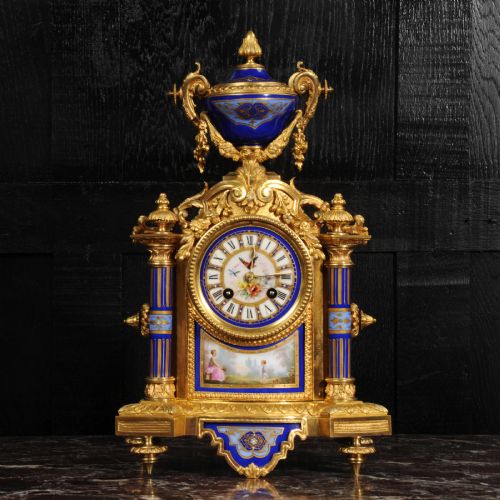
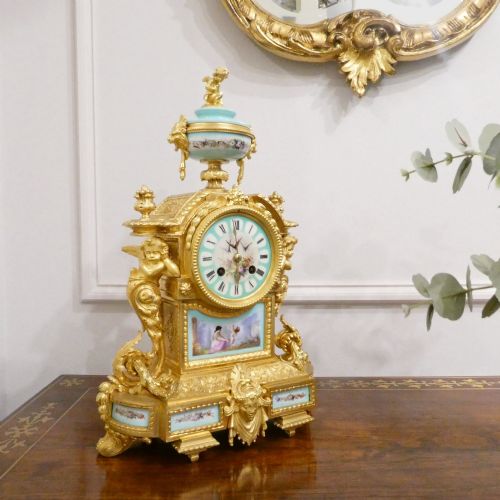
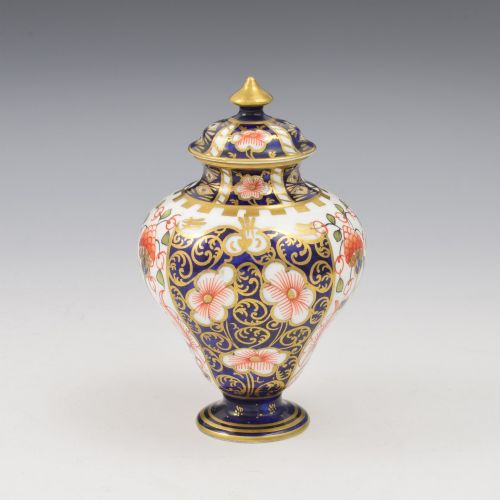
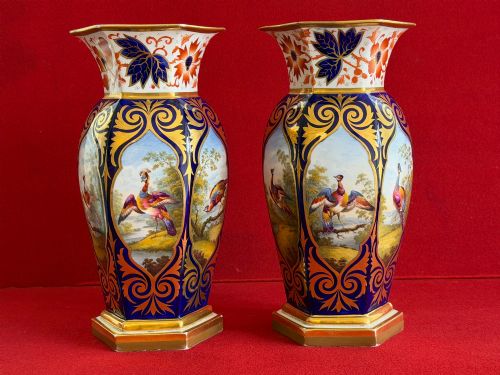
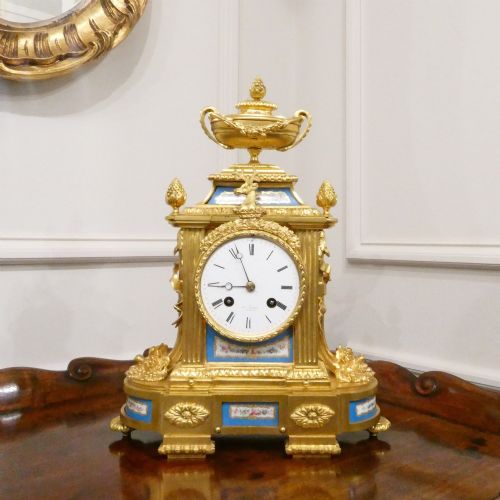
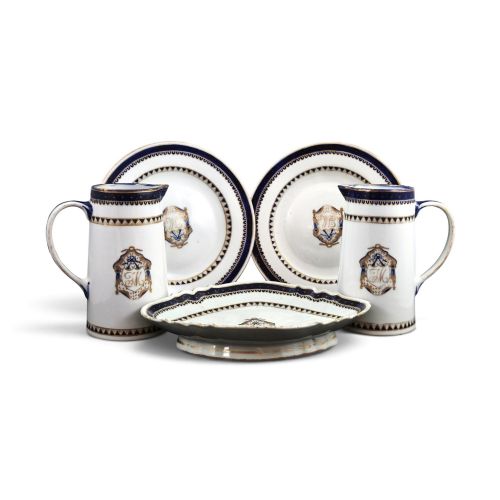
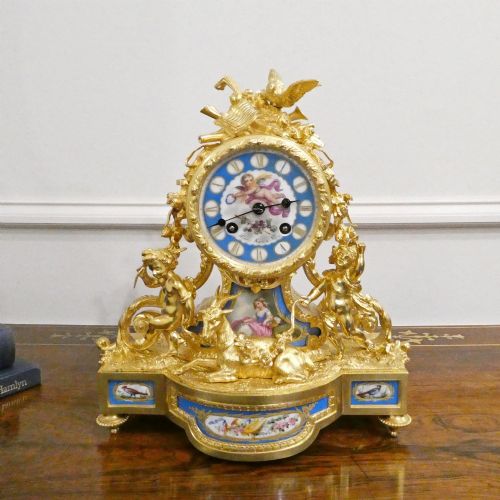
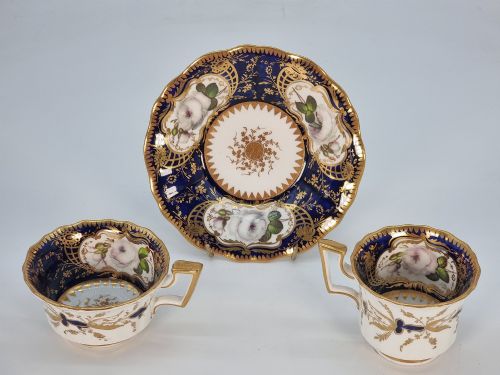
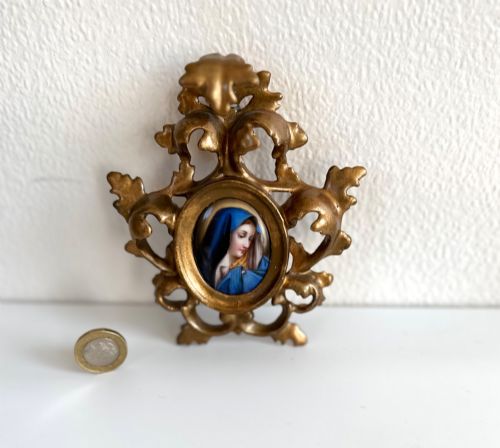
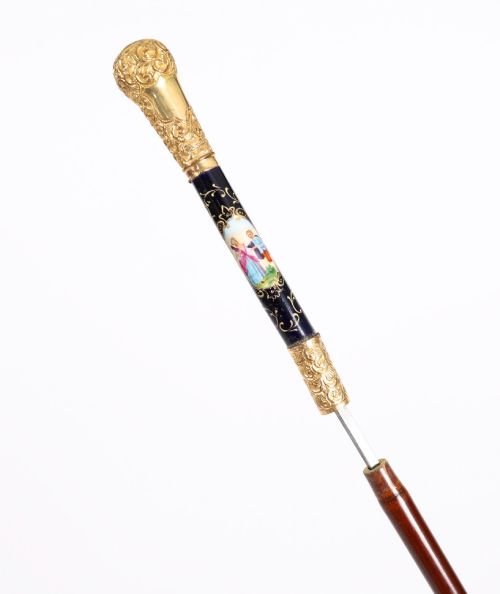
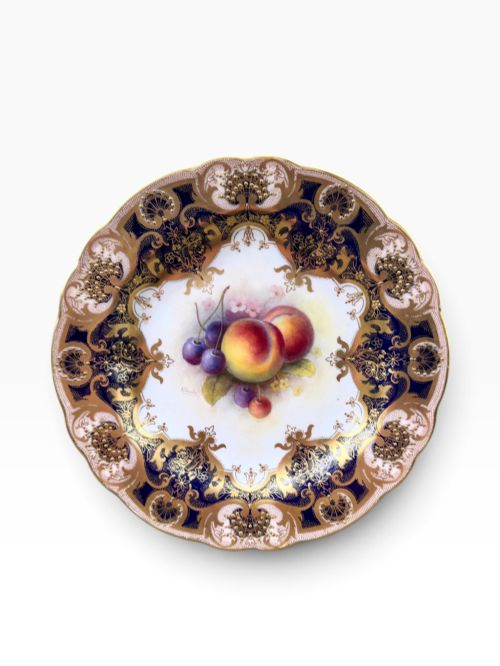
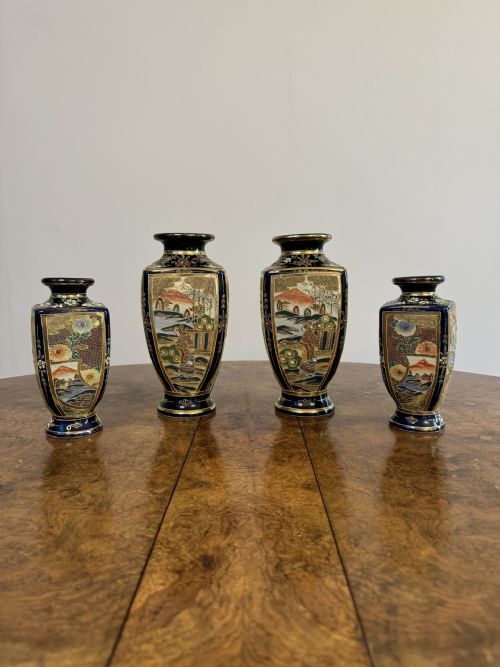
Blue and gold porcelain encompasses an array of decorative and utilitarian objects, defined by deep cobalt or mazarine grounds enriched with meticulous gilding. When looking at blue and gold porcelain, you find cabinet plates, garniture vases, tea services, and monumental mantel clocks housed in ormolu mounts.
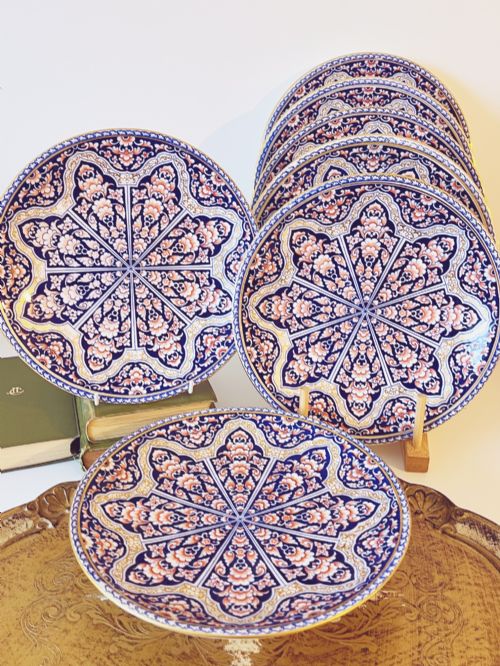
The objects span multiple periods, ranging from eighteenth-century English factories like Chelsea and Worcester to nineteenth-century French mantle clocks and Edwardian decorative pieces. On this page, you are most likely to meet nineteenth-century English and French vessels alongside decorative plates featuring hand-painted scenes.
Materials and Manufacture
Makers utilised high-grade porcelain, bone china, and ironstone as the structural bodies for these pieces, often applying deep cobalt or powder blue glazes before firing. Artisans then introduced enamel painting for central panels depicting fruit, figures, or botanical subjects.
Gilding was executed through the application of gold leaf, gilt bronze, or ormolu mounts that framed the ceramic body. Ormolu and gilt bronze components provided architectural support for heavier mantel clocks and garniture sets.
Object forms range from miniature vases and chocolate cups to monumental mantel clocks and multi-piece garnitures.
Factors of Quality
The distinction between standard production and top-tier pieces rests upon the precision of the hand-painting and the depth of the gilding. Cabinet plates signed by notable artists or featuring intricate reserves demonstrate superior craftsmanship compared to transfer-printed factory output.
Structural integrity also dictates quality, particularly in complex assemblages where porcelain meets ormolu or gilt bronze mounts. Fine-quality examples display seamless integration between the ceramic body and the metalwork, with crisp chasing on the bronze.
Royal Crown Derby·Royal Worcester·Japy Freres·Henry Marc·Flight Barr And Barr
The Blue and Gold Porcelain Glossary
- Ormolu
- Gilded bronze mounts used extensively on French clocks and vases of the eighteenth and nineteenth centuries. This decorative metalwork complements the blue porcelain bodies.
- Gilding
- The application of gold leaf or gold paint to ceramic surfaces to create decorative borders and highlights. It defines the golden accents characteristic of these wares.
- Cabinet Plate
- A decorative ceramic plate intended for display rather than dining use. These often feature hand-painted scenes and rich cobalt borders.
- Garniture
- A set of matching vases or urns designed to be displayed together on a mantelpiece or cabinet. They represent some of the most ambitious decorative ceramic forms.
- Imari
- A decorative style inspired by Japanese export wares, featuring cobalt blue, iron red, and abundant gilding. English factories frequently adopted this palette.
Blue and Gold Porcelain: Frequently Asked Questions
How do I care for antique gilded porcelain?
Dust these pieces gently with a dry, soft cloth to protect the delicate gold leaf and enamel surface layers. Avoid submerging antique porcelain in water, especially items with ormolu mounts or hand-painted reserves.
Keep pieces away from direct sunlight to preserve the vibrancy of the cobalt blue grounds and the integrity of the gilding over time.
What periods do these porcelain pieces come from?
The selection spans from the eighteenth century through the Georgian and Regency eras into the Victorian and Edwardian periods. Nineteenth-century French and English factories produced a significant portion of these decorative items.
Later examples extend into the early twentieth century, reflecting Art Deco and transitional design movements alongside traditional revivals.
Were mantel clocks made with porcelain?
Clockmakers frequently incorporated porcelain panels and urns into monumental ormolu and gilt bronze mantel clock cases. French makers like Henry Marc and Japy Freres utilised Sevres-style porcelain faces and plaques.
These timepieces combined the mechanical precision of nineteenth-century horology with the decorative appeal of blue and gold ceramic artistry.
How are hand-painted plates identified?
High-grade cabinet plates often feature artist signatures, factory date marks, and registration numbers inscribed or painted on the reverse. Examining the surface under magnification reveals the brushstrokes characteristic of hand-applied enamels.
Famous porcelain houses employed accomplished painters whose botanical and figurative works distinguish standard production from exceptional pieces.