
Worcester Porcelain
Worcester porcelain brings centuries of fine ceramic artistry into domestic spaces through delicate painted tableware and decorative vessels.
Worcester Porcelain
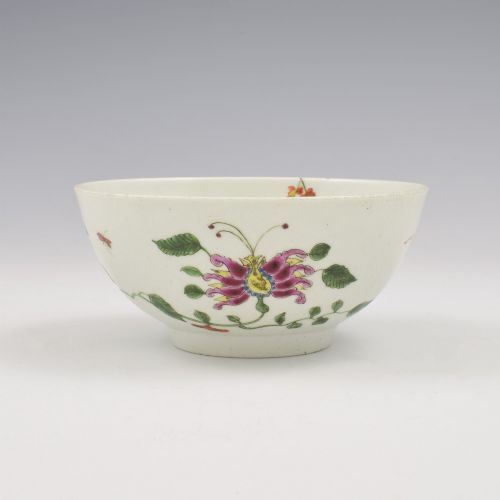
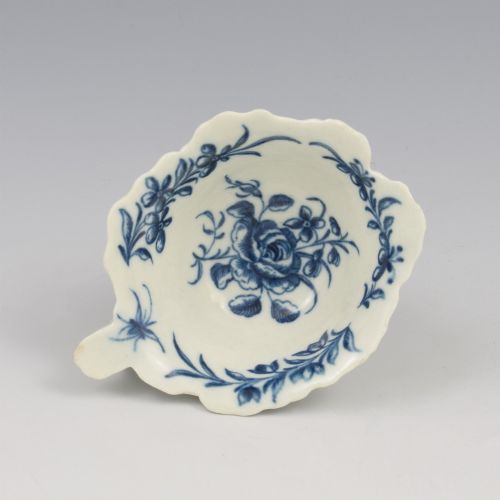
When searching for worcester porcelain, buyers encounter a diverse range of historic items spanning the eighteenth, nineteenth, and early twentieth centuries. The selection encompasses functional tableware alongside purely decorative pieces, reflecting the evolving output of the famed Worcestershire kilns.
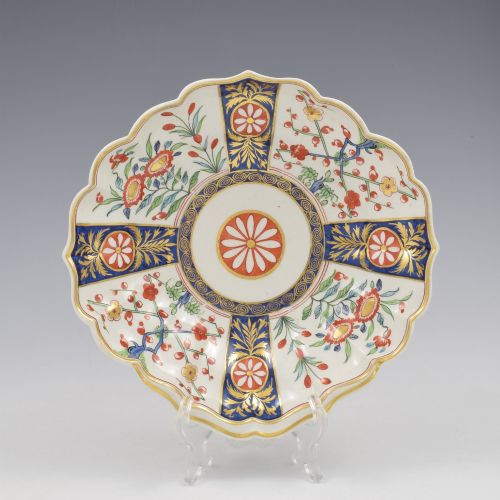
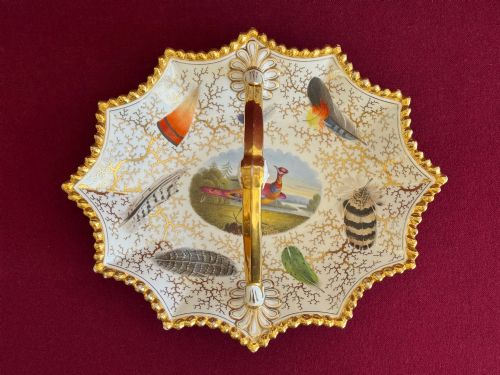
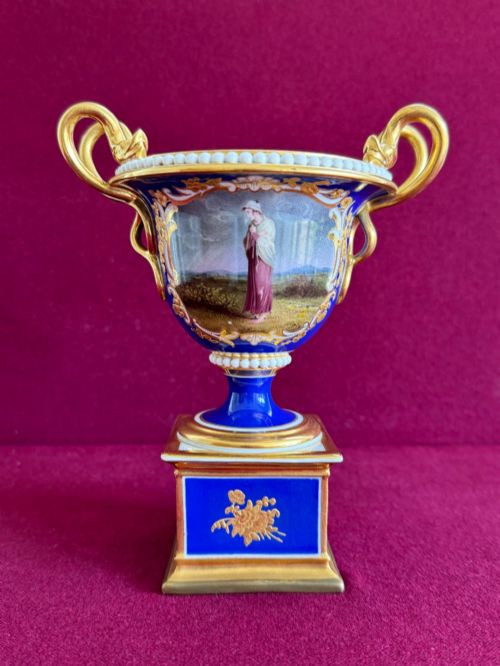
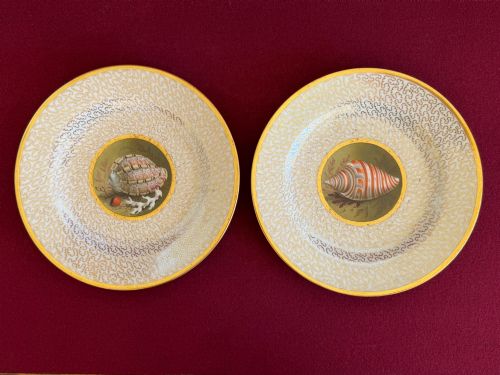
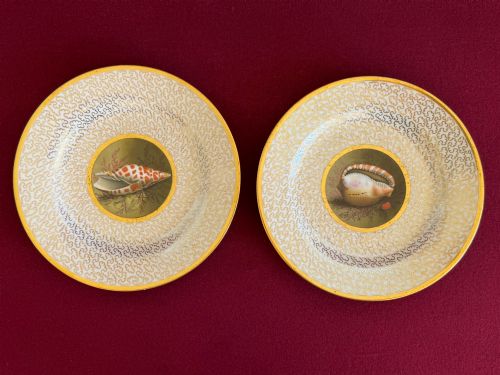
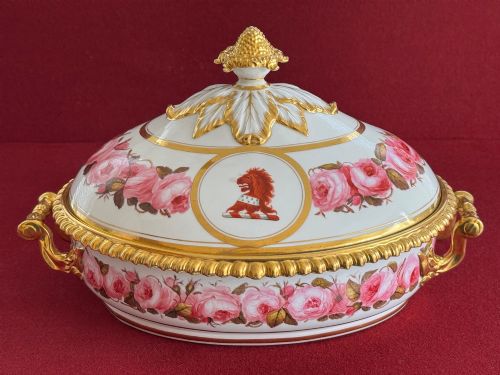
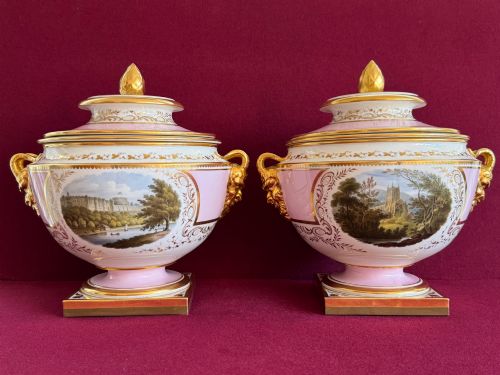
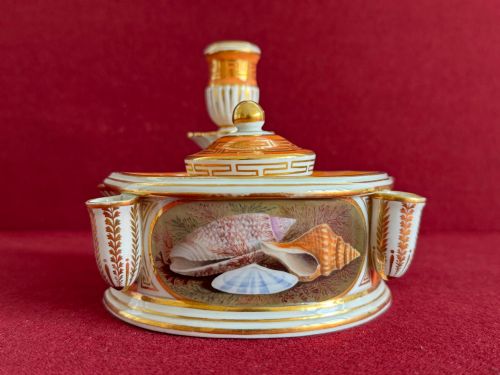
Cabinet plates, vases, and ornate dishes dominate the earlier periods, particularly the eighteenth century under Dr Wall and the subsequent Regency eras. Buyers frequently meet items shaped as baskets, tureens, and intricate inkstands, demonstrating the versatility of the manufactory.
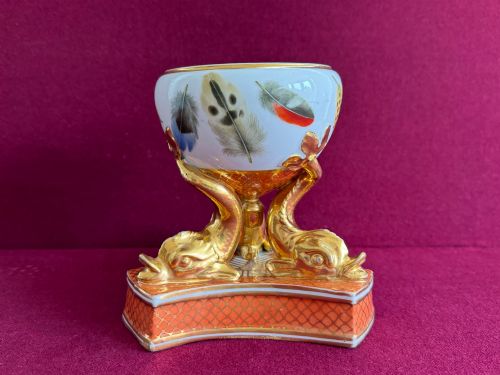
Later Victorian and Edwardian examples shift toward elaborate painted scenes and sculptural forms such as figural salts and large exhibition vases. This broad chronological spread ensures that collectors find everything from early tea canisters to mid-nineteenth-century dessert services.
Materials and Technique
Early pieces rely on soft-paste porcelain, a vitreous composition that lent itself to delicate moulding and rich glaze absorption. Over time, manufactories incorporated bone china alongside refined glazes to achieve brighter white surfaces and greater structural durability.
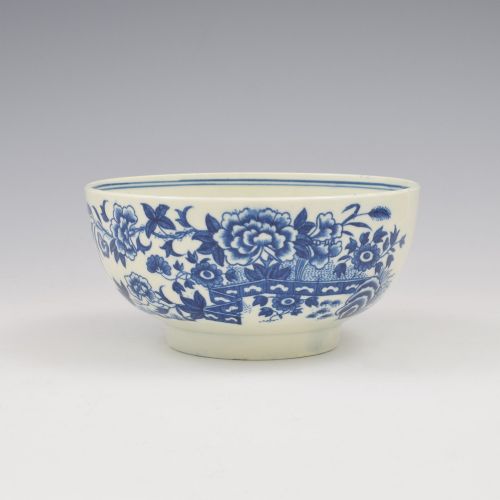
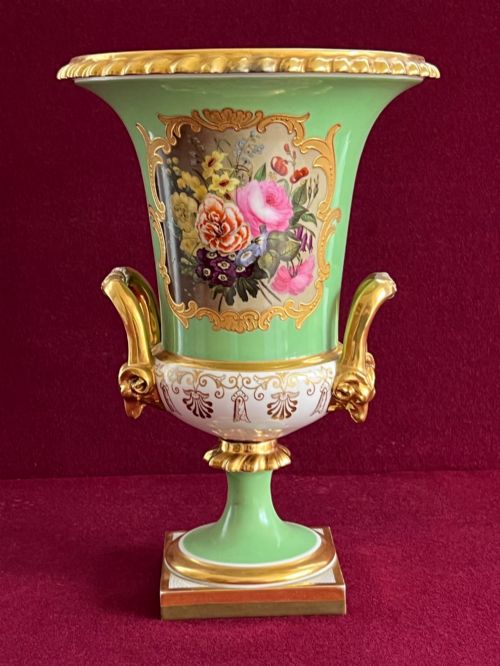
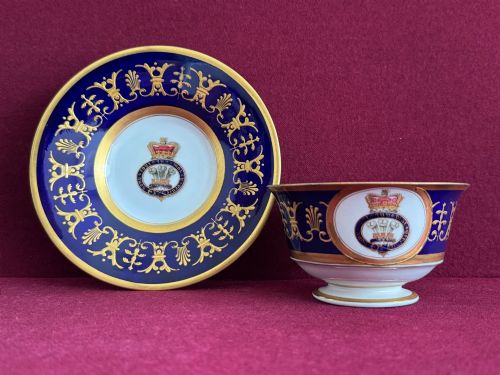
Decoration typically involves handpainted floral motifs, armorial crests, and intricate gilding using gold leaf. Artisans applied cobalt underglazes and enamel colours before firing, often combining moulded textures like the famous blind earl pattern with crisp painted details.
Early Worcester painters occasionally hid tiny crescent marks inside elaborate floral borders like playful signatures left for future finders.
Assessing Quality
The standard of painting and the precision of the gilding set the finest items apart from standard production pieces. Handpainted details, such as complex botanical studies or exotic birds, reveal the artisan's individual skill level compared to simpler transfer-printed designs.
The clarity of the glaze and the crispness of the moulded body indicate the care taken during the initial firing processes. Superior pieces maintain sharp relief work and balanced proportions without distortion from kiln heat.
Dr Wall·Flight And Barr·Flight Barr And Barr·Barr Flight And Barr·Chamberlain Worcester·Grainger Lee And Co·Royal Worcester·John Pennington
The Worcester Porcelain Glossary
- Soft-paste porcelain
- An early ceramic composition of clay, glass frit, and ground minerals fired at lower temperatures than hard-paste. This material gives eighteenth-century pieces their characteristic warm, creamy translucency.
- Underglaze
- A method of applying pigments to a ceramic body before the glaze is fired over top. Cobalt blue is the most common pigment used in this technique.
- Armorial
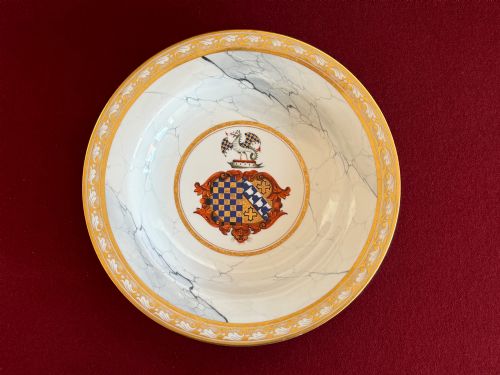
- A ceramic design featuring a family coat of arms or heraldic crest. These bespoke services were commissioned by wealthy patrons.
- Bough pot
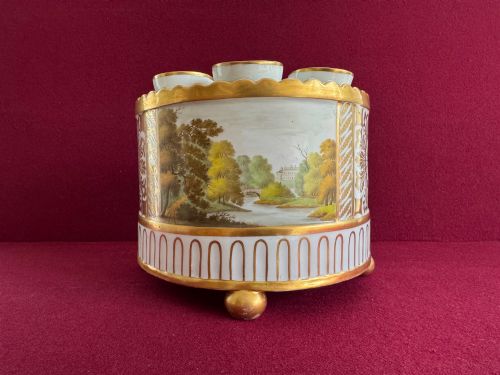
- A decorative ceramic vessel designed to hold cut branches or flower arrangements for interior display. They often feature pierced covers and painted landscape views.
- Pastille burner
- A small ceramic container used to burn aromatic pastilles for perfuming rooms. These pieces typically include a pierced lid to release the scented smoke.
Worcester Porcelain: Frequently Asked Questions
How do I date early Worcester porcelain?
Dating relies heavily on identifying factory marks, paste types, and stylistic periods such as the Dr Wall era. Examining the underside for crescent marks, square seal marks, or later script signatures provides precise chronological context.
Changes in glaze texture and the introduction of bone china during the nineteenth century further help narrow down the production decade.
What is First Period Worcester?
First Period Worcester refers to porcelain produced under the management of Dr John Wall from the inception of the factory until the late eighteenth century. This foundational era is celebrated for soft-paste bodies and vibrant underglaze blue decorations.
Pieces from this time often display delicate oriental patterns or intricate scale grounds that collectors highly prize.
Can I use antique tea wares?
Using antique tea wares is generally discouraged due to the fragility of soft-paste bodies and historic enamel decorations. Thermal shock from hot liquids can cause hairline fractures in century-old ceramic structures.
These delicate items are best preserved for display in cabinets or on decorative stands rather than daily dining.