





Hand Painted Bird Vase
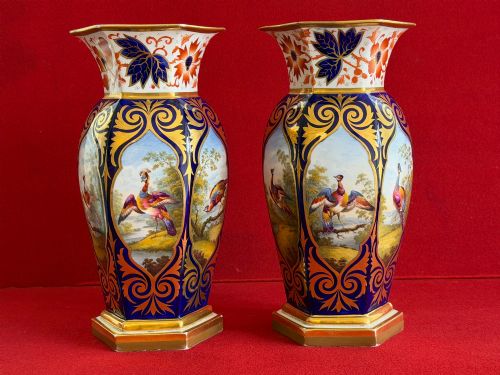
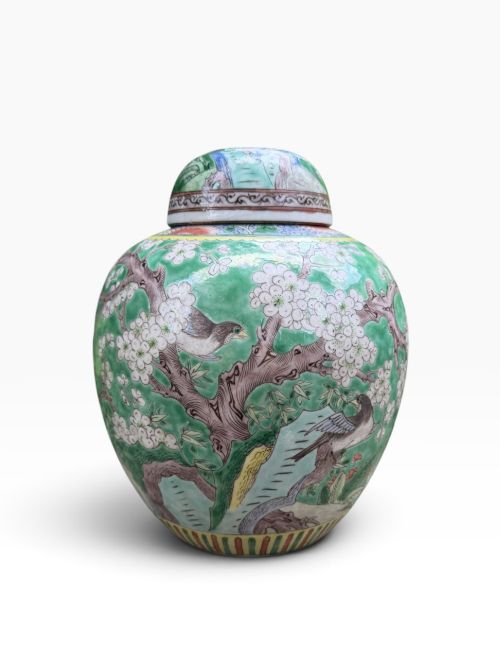
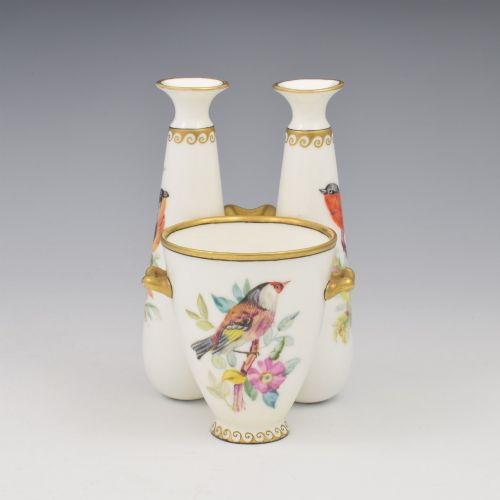
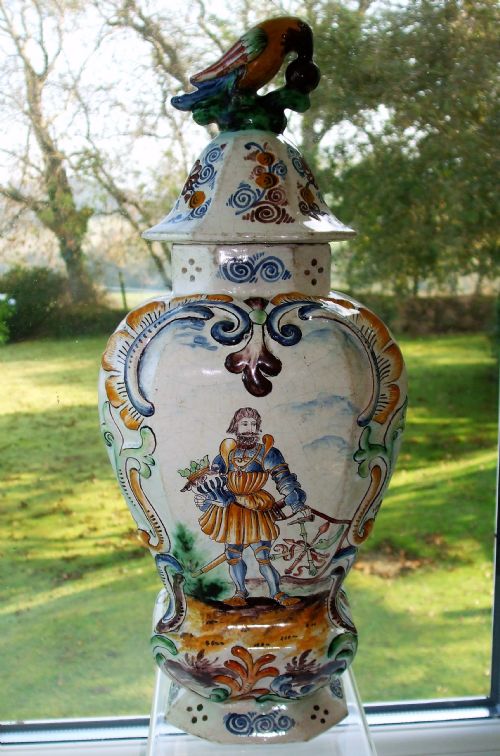
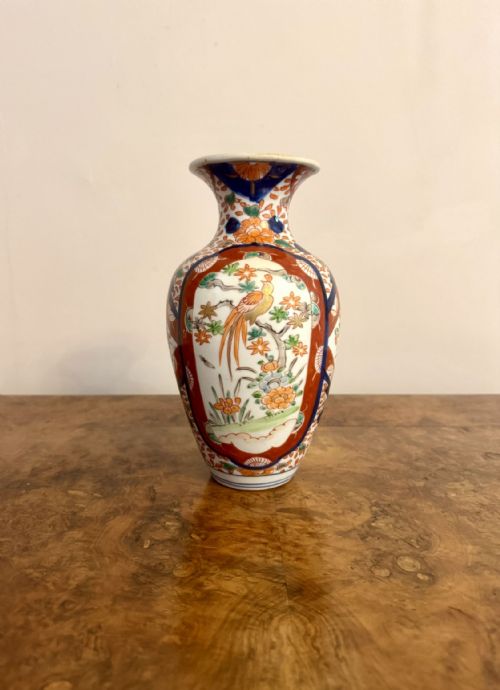
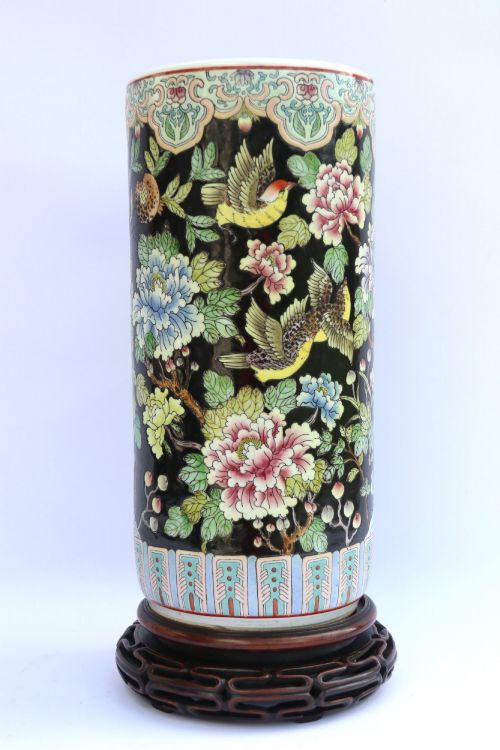
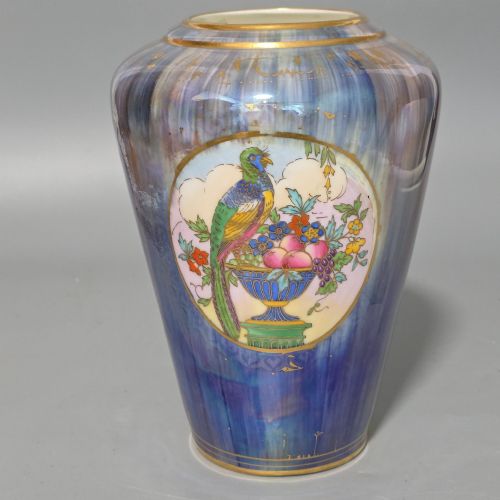
These hand painted bird vase examples bring together avian subjects and ceramic artistry across English porcelain, Dutch delftware, and Asian wares.
Hand Painted Bird Vase
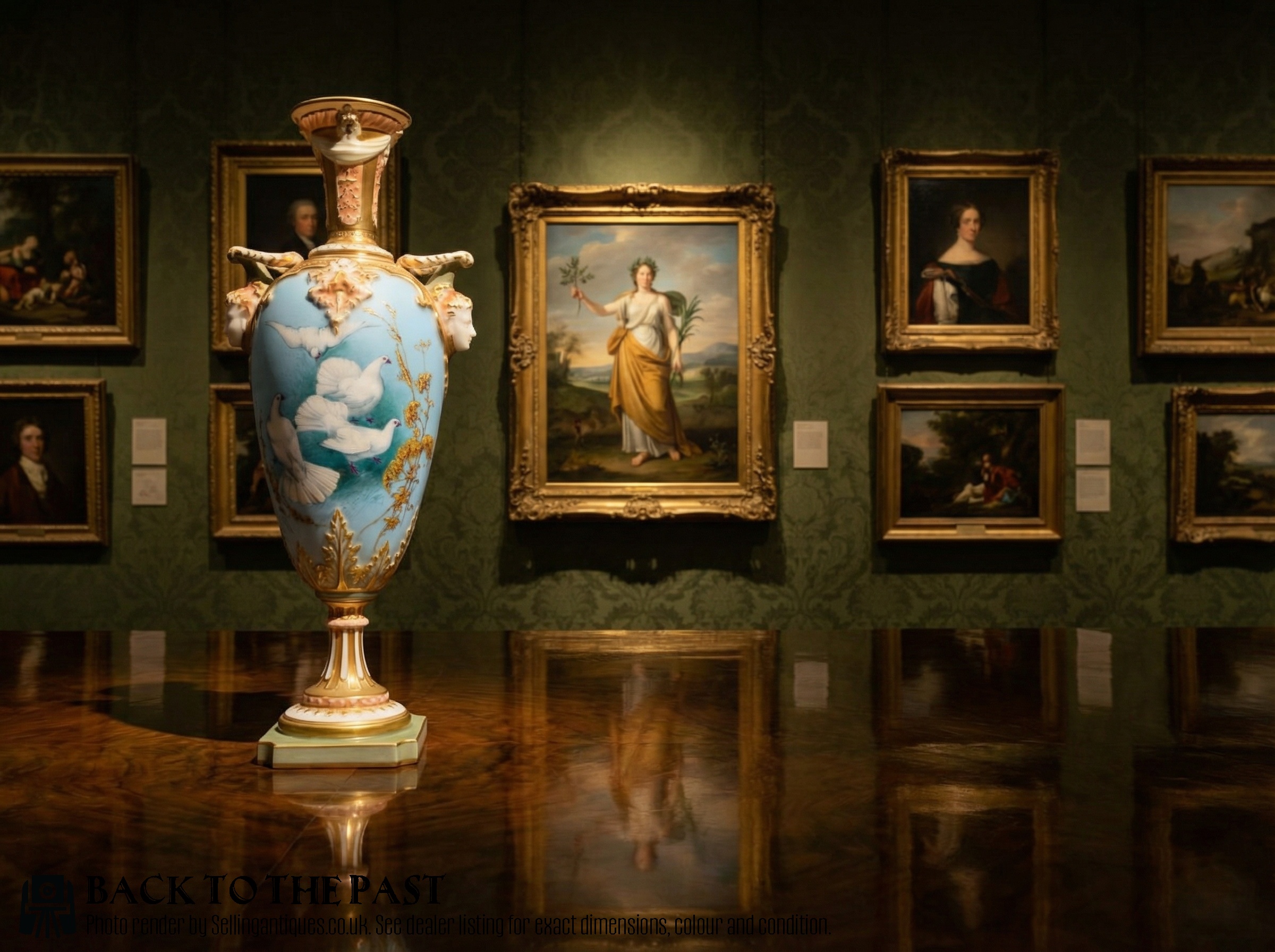
A hand painted bird vase spans centuries of production, appearing in forms such as ginger jars, jardinieres, urns, and cabinet vessels. English porcelain factories like Worcester dominate the offerings alongside Japanese Satsuma and Chinese export ceramics.
Makers utilise various bodies, from tin-glazed earthenware and bone china to opaque glass, shaping domestic display items intended for mantelpieces and parlours. Collectors encounter traditional pairs alongside individual centerpieces bearing ornithological decoration.
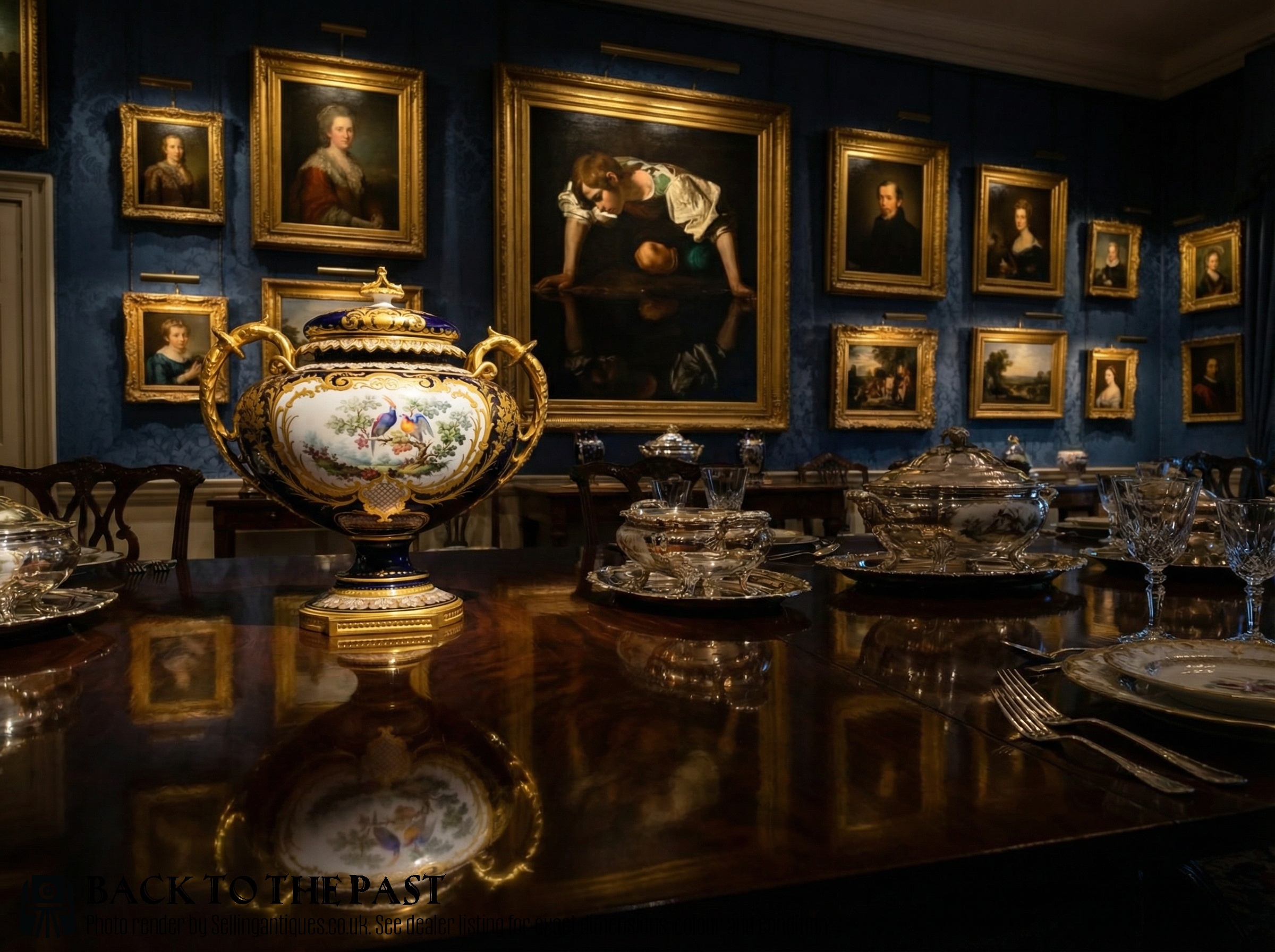
How they were made
Craftsmen apply enamel pigments and glaze directly onto fired porcelain and earthenware bodies, often incorporating gold leaf or gilding to highlight borders. Painters render avian subjects by hand, using brushwork that captures fine plumage before subjecting the piece to a final kiln firing.
Moulding and throwing create the underlying vessel forms, while specialised decorators sign individual panels depicting storks, pheasants, and exotic birds. Tin-glazed pieces receive opaque mineral washes prior to pigment application, producing the characteristic surface finish seen on Dutch delftware.
Hand Painted Bird Vase Retail Price Guide 2026
Typical asking prices for hand painted bird vase among the pieces listed under this phrase on Sellingantiques today, from the lower quarter to the upper quarter. They describe what is for sale here now, not the wider market.
Storks and pheasants stare out from these porcelain surfaces with an intensity that suggests they know they outlasted the drawing room.
What varies in quality
The precision and detail of the painted bird subjects dictate the standing of a hand painted bird vase, distinguishing standard factory output from master-decorated pieces. Signed works by known painters demonstrate superior brush control and anatomical accuracy in the rendering of feathers and foliage.
The purity of the porcelain body and the richness of the enamel palette influence desirability. Vessels retaining crisp gilding and uniform glaze coverage reflect higher standards of kiln management and artistic execution.
Flight Barr And Barr·Royal Worcester·Royal Crown Derby·Rozenburg·Doulton Lambeth·Hododa
The Hand Painted Bird Vase Glossary
- Jardiniere
- A large decorative ceramic pot designed to hold a live plant or floral arrangement. These vessels often match the decorative schemes of smaller mantel vases.
- Enamel
- Opaque glass mixture fused to ceramic or metal surfaces under heat to create coloured decoration. Artisans apply these pigments by hand to build up detailed avian plumage.
- Imari
- A style of Japanese export ceramics featuring underglaze blue and overglaze iron red and gold. Pieces utilise this palette to frame natural motifs.
- Delftware
- Tin-glazed earthenware produced in the Netherlands and England, typically featuring white surfaces painted in blue or polychrome. The tin glaze provides an opaque background for bird and floral designs.
- Mon
- A Japanese emblem or crest used to decorate traditional objects and identify ruling families or clans. These crests appear on fine Satsuma pottery.
Hand Painted Bird Vase: Frequently Asked Questions
How do I identify a painted bird vase?
Examine the surface under magnification to check for hand-applied brushstrokes rather than printed transfers. Look for artist signatures near the base or within the painted scene.
Check the foot rim and base for factory marks, impressed stamps, or pattern numbers that correspond to known ceramic houses.
Who painted these ceramic birds?
Specialist ceramic artists working for factories such as Royal Worcester decorated many of these vessels by hand. Signatures or initials on the painted panel often identify masters of avian portraiture.
Other pieces originate from overseas workshops where skilled artisans executed traditional bird and flower compositions.
Are these vases meant for flowers?
Most antique decorative vessels served primarily as mantel ornaments or cabinet pieces rather than functional flower holders. Placing water inside antique porcelain or earthenware can damage porous bodies and historic interior glazes.
Use protective liners if displaying fresh stems inside older ceramic containers.
How should I clean my antique vase?
Dust the surface gently with a soft, dry brush to remove particles without disturbing delicate enamel or gilding. Avoid immersing antique ceramics in water, particularly pieces with tin glaze or fragile gold leaf.
Professional conservation advice is recommended for pieces with accumulated grime or surface wear.
What periods do these pieces span?
The selection covers items from the seventeenth century through to the early twentieth century, including Georgian, Victorian, and Edwardian examples. Different eras brought distinct stylistic influences, from Dutch Chinoiserie to Art Nouveau.
Factory marks and body composition help determine the precise era of manufacture.