
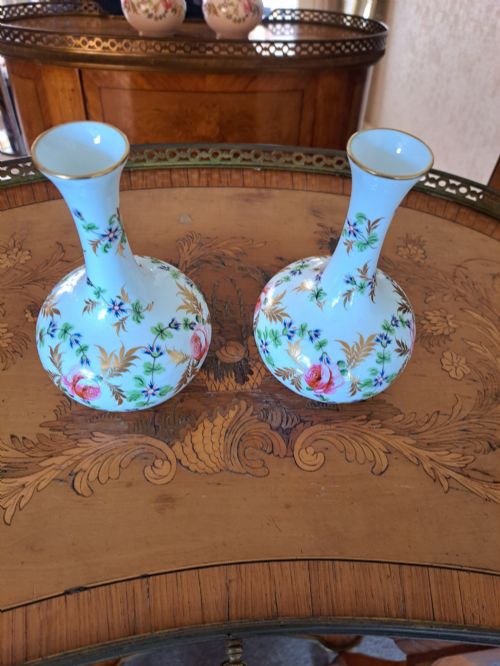


Royal Crown Derby Porcelain
Royal crown derby porcelain brings together rich enamel palettes and intricate gold leaf, offering collectors centuries of fine British ceramic artistry.
Royal Crown Derby Porcelain
Royal crown derby porcelain spans decorative and functional forms, featuring cabinet plates, vases, ewers, and tea wares that reflect changing domestic tastes from the late nineteenth century through to the mid-twentieth century. Buyers searching for royal crown derby porcelain regularly encounter Victorian and Edwardian examples alongside pieces from the nineteen-forties, showing steady stylistic evolution across decades.
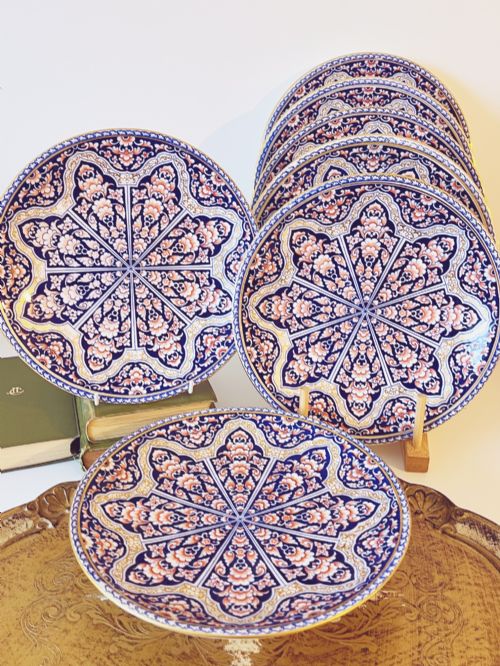
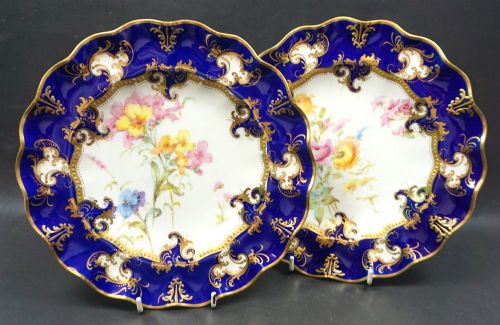
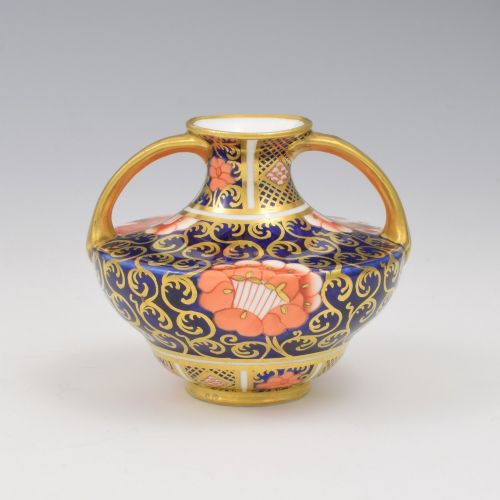
The objects preserved in collections range from cabinet plates and service fish plates to miniature spill vases, tea cups and saucers, and decorative dishes. Specific forms like hexagonal tea canisters, heart-shaped jewellery boxes, and figural jockeys demonstrate the breadth of production found within this category.
Origins stretch across distinct eras including the eighteen-eighties, nineteen-hundreds, nineteen-tens, and nineteen-forties. Aesthetic movement influences appear alongside traditional English styles and Victorian ornamentation, anchoring each piece firmly in its period of manufacture.
Materials and Techniques
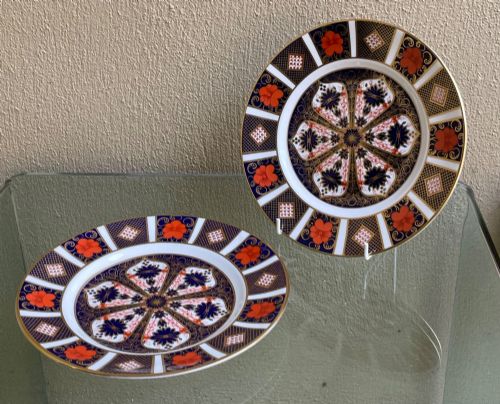
Makers utilised bone china and fine bone china as the primary ceramic bodies for these wares, providing a smooth white base suited to detailed painting. Enamel colours were applied by hand to build up complex patterns such as traditional Imari designs and botanical motifs.
Gilding, gold leaf, and gold gilding were incorporated to highlight raised decorative elements and borders, requiring careful kiln firing to bond the precious metals permanently to the glaze. Hand painted details by named artists further demonstrate the meticulous studio practices of the period.
Retail Price Guide 2026
Typical UK retail prices for royal crown derby porcelain, calculated from the Sellingantiques database of over a million retail prices indexed since 2003. This retail price guide relies exclusively on Sellingantiques data; no external sources or auction records are used, so the figures do not describe the wider market.
Listings feature bone china and fine bone china bodies decorated with enamel, gold leaf, and extensive gilding across multiple eras.
Judgments of Quality
The distinction between standard production and superior pieces rests on the precision of hand painting and the complexity of the enamel work. Pieces featuring artist signatures, such as work by F Garnett or Albert Gregory, command attention for individual artistic input.
The application of raised gold decor and extensive gilding marks the upper tier of manufacturing ambition. Preservation of delicate enamel colours and crisp edges on patterns like the Imari styles determines the enduring standing of individual vessels and sets.
F Garnett·Albert Gregory
The Royal Crown Derby Porcelain Glossary
- Bone China
- A type of porcelain incorporating calcined bone ash, creating a durable and brilliantly white body. This material allows for thin-walled vessels that retain notable strength.
- Imari Pattern
- A decorative scheme inspired by Japanese export wares, utilising deep cobalt blue, iron red, and abundant gold gilding. This palette became a signature aesthetic for the pottery.
- Gilding
- The application of gold leaf or gold paint to ceramic surfaces for ornamental effect. Skilled artisans often used raised gilding techniques to add tactile depth.
- Ewer
- A large jug with a wide spout and elaborate handle, designed originally for pouring water. In porcelain production, these serve primarily decorative functions.
- Garniture
- A matched set of ornamental vases or vessels intended for display together on a mantelpiece or sideboard. Sets typically comprise three or more graduated pieces.
Frequently Asked Questions
What is royal crown derby porcelain?
Royal crown derby porcelain consists of decorative and functional ceramics produced in Derby, England, known for intricate enamel work and rich gilding. These items encompass tea wares, cabinet plates, and ornamental vases created across multiple stylistic periods.
Production spans from Victorian and Aesthetic movement eras through to the twentieth century, reflecting shifting artistic influences. Each piece demonstrates specific manufacturing standards associated with the historic English pottery.
How do I identify periods?
Identifying periods relies on stylistic markers such as Victorian ornamentation, Edwardian delicacy, and the distinct geometry of the Aesthetic movement. Comparing decorative motifs against documented production dates helps narrow down the era of manufacture.
Backstamps and painted pattern numbers found on the underside provide further chronological clues. Examining the specific shade of enamel and the style of gilding also assists in dating individual pieces.
How were tea cups used?
Tea cups and saucers formed part of larger cabaret sets and tea services utilised during formal social gatherings in the home. They reflected the refined domestic rituals of Victorian and Edwardian society.
While occasionally employed for actual dining, many surviving sets were preserved as display items. Their delicate bone china construction meant they required careful handling during use.
How do I display vases?
Vases and spill vases suit placement on mantelpieces, sideboards, and dedicated display cabinets where their painted surfaces catch the light. Grouping garnitures together creates a balanced visual focal point in a room.
Protecting them from direct sunlight helps preserve the vibrancy of hand painted enamels over time. Placing them away from high-traffic edges prevents accidental knocks to fragile handles and rims.