


English Bone China Vase
An english bone china vase brings delicate ceramic artistry into a room, offering refined forms and hand-painted motifs that collectors prize.
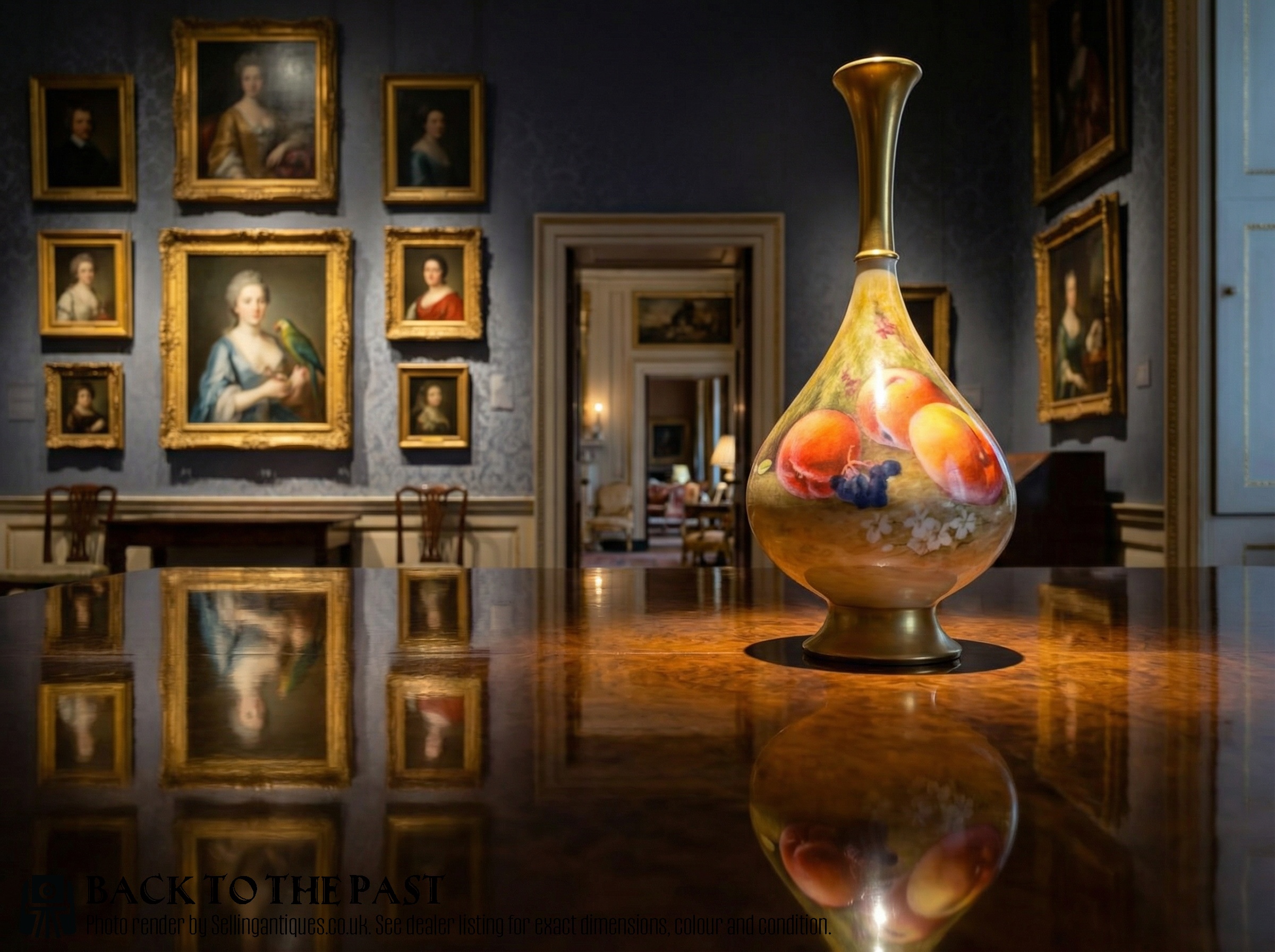
What these pieces are
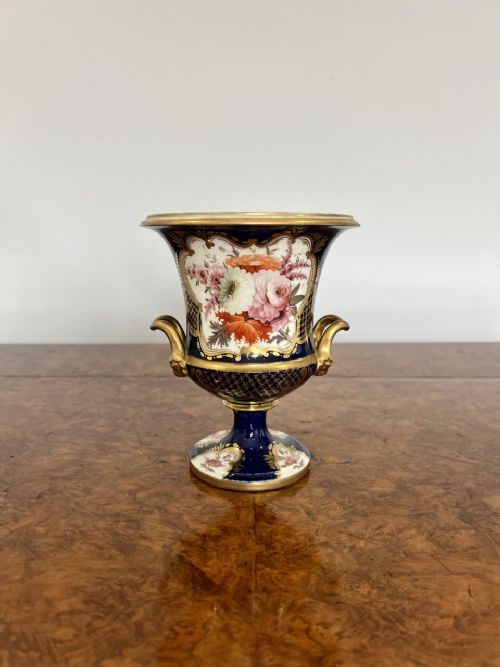
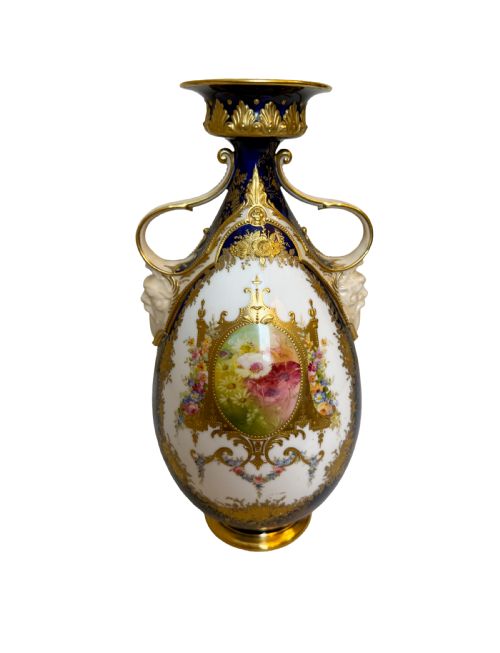
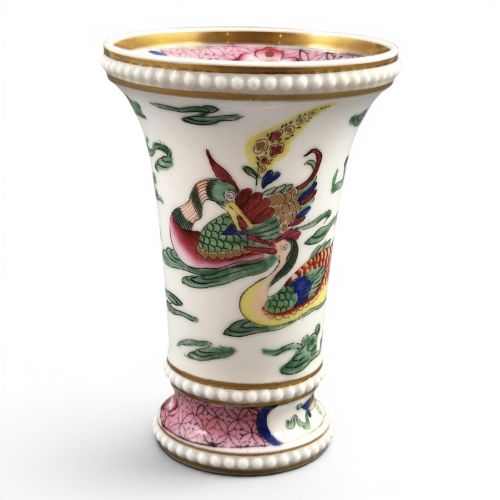
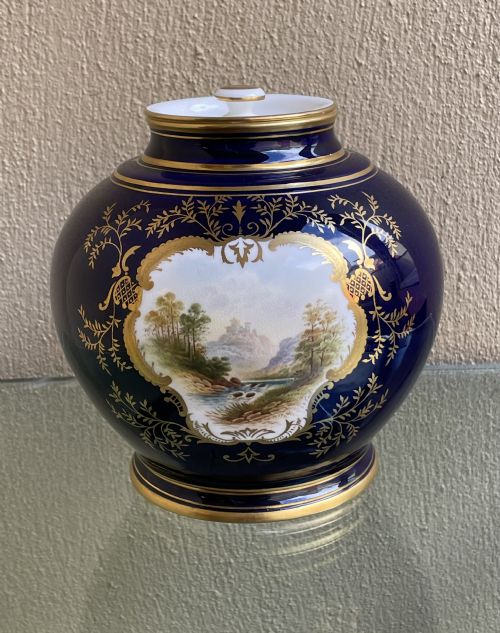
An english bone china vase spans several distinct eras, stretching from Georgian spill vessels to mid-twentieth-century pot pourri lidded pieces. These decorative objects take various vessel forms, including bud vases, covered urns, and pot pourri containers designed to hold dried flowers and aromatics.
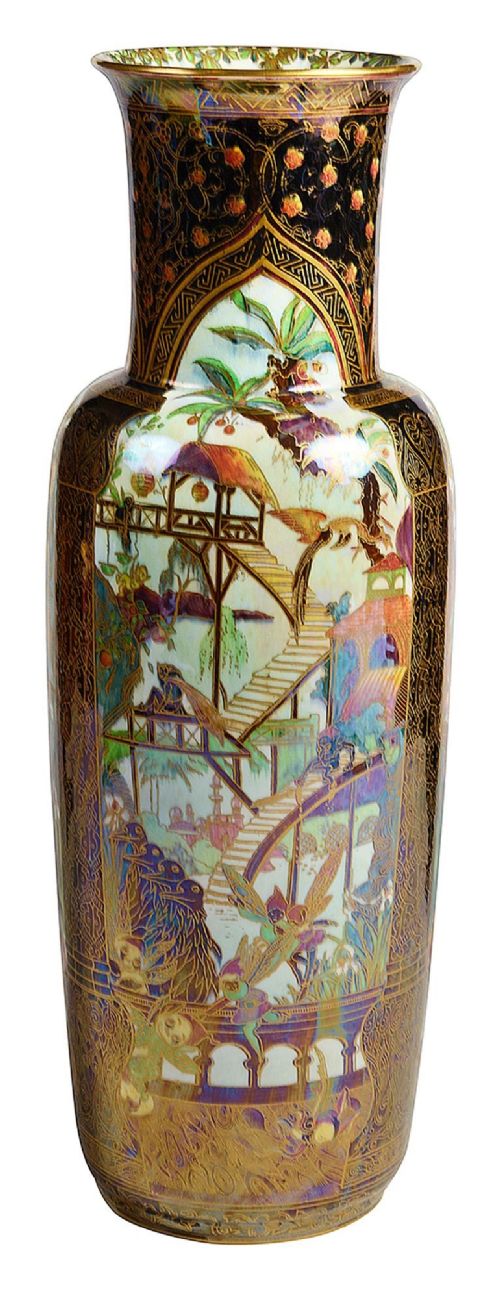
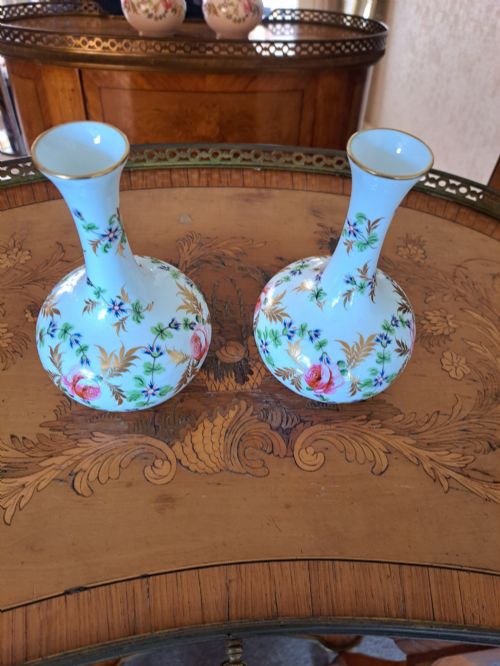
The versions most commonly met on this page range from nineteenth-century porcelain and bone china creations to twentieth-century hand-painted botanical and fruit studies. Makers utilise classic profiles influenced by Regency, Victorian, and Edwardian aesthetic movements to shape these ceramic vessels.
How they were made
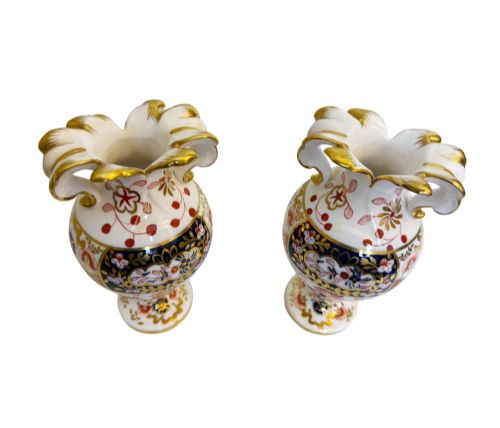
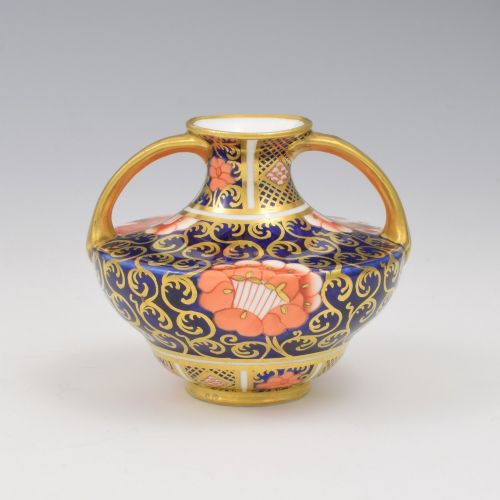
The creation of these pieces relies on fine bone china and porcelain bodies formed into traditional vessel shapes. Artisans then apply detailed enamel work and intricate gold leaf, gilding, or gold gilt highlights to enhance the surface decoration.
Many examples feature hand-painted imagery, such as floral motifs or fruit studies executed by notable decorators. Firing techniques fix these pigments and metallic accents to the glazed ceramic surface for lasting durability.
Retail Price Guide 2026
Typical UK retail prices for english bone china vase, calculated from the Sellingantiques database of over a million retail prices indexed since 2003. This retail price guide relies exclusively on Sellingantiques data; no external sources or auction records are used, so the figures do not describe the wider market.
Materials recorded across the inventory include fine bone china, porcelain, enamel, and gold leaf gilding.
What varies in quality
Quality differences stem from the precision of the hand-painted artistry and the complexity of the gilt ornamentation. Pieces featuring detailed pictorial work by named decorators command greater attention than standard transfer-printed or simply glazed wares.
The refinement of the porcelain paste and the crispness of the moulding also distinguish finer items. Superior examples maintain intact gilding and balanced proportions across the foot, body, and rim.
Spode·Stevenson and Hancock·Royal Worcester·Royal Crown Derby
The English Bone China Vase Glossary
- Bone China
- A type of porcelain incorporating bone ash that produces a strong, translucent white body. This material allows for thin-walled vessel construction.
- Spill Vase
- A tall, narrow vessel historically used to hold wooden spills for lighting candles or fires. These cylindrical forms represent early functional tabletop items.
- Pot Pourri
- A vessel designed with a pierced cover to release the scent of dried flower petals and spices. These covered jars often feature elaborate painted decoration.
- Gilding
- The application of gold leaf or gold gilt onto the ceramic surface to accent rims, handles, and panels. This metallic embellishment catches the light.
- Imari
- A decorative style characterised by underglaze blue and overglaze iron red, green, and gold. It reflects traditional Japanese porcelain designs adopted by British factories.
Frequently Asked Questions
How are these vases cleaned?
Dust these ceramic pieces gently with a soft, dry cloth to protect delicate gilt surfaces and enamel painting. Avoid using water or chemical cleaners that might damage aged glazes and gold leaf.
Keep them away from direct sunlight and damp conditions to preserve the integrity of the porcelain body and hand-painted details over time.
What periods do these pieces represent?
The selection spans multiple eras, including Georgian, Victorian, Edwardian, and mid-twentieth-century decades. Each period brings distinct aesthetic choices in form, glaze colour, and decorative style.
Examining the base marks and stylistic traits helps identify the specific era of manufacture for each ceramic vessel.
How do I identify a maker?
Makers mark their porcelain wares with printed, impressed, or hand-written factory symbols on the underside. These factory marks often include pattern numbers or decorator signatures that indicate the origin.
Reference marks against historical factory records to confirm the exact workshop and approximate date of production.
Where were they displayed?
These decorative vessels sat on mantelpieces, side tables, and cabinets within period drawing rooms and parlours. Covered pot pourri jars served both a functional aromatic purpose and a visual one in polite interiors.
Spill vases occupied hearths to provide a ready supply of tapers for lighting lamps and coal fires.