


Blue and Gold Vase
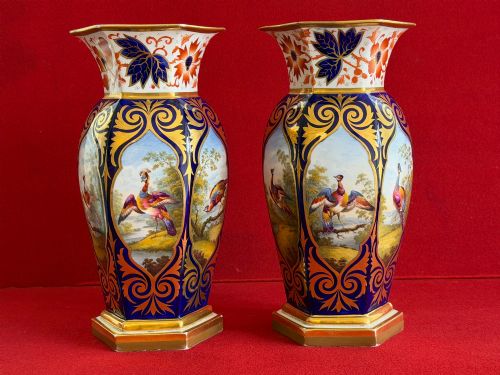
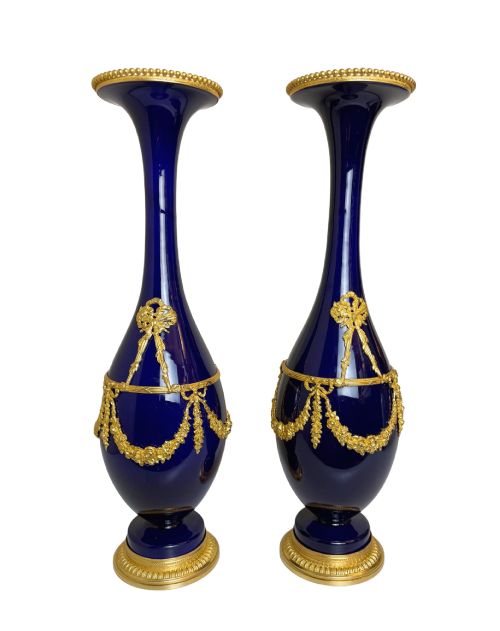
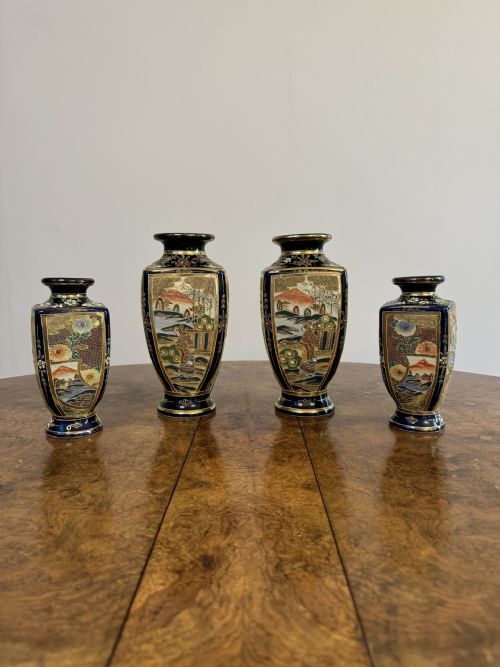
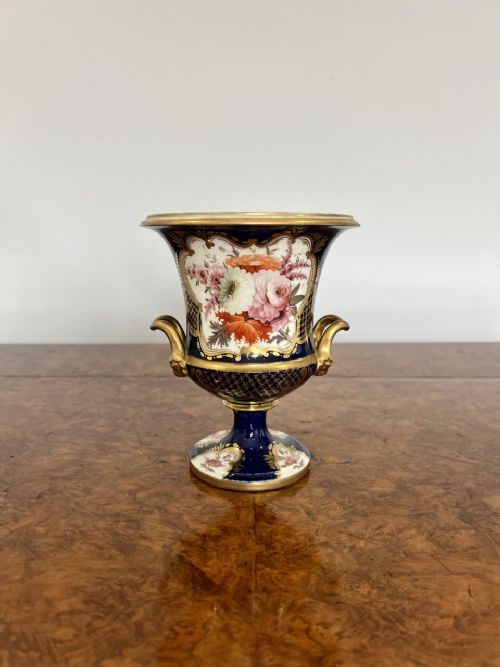
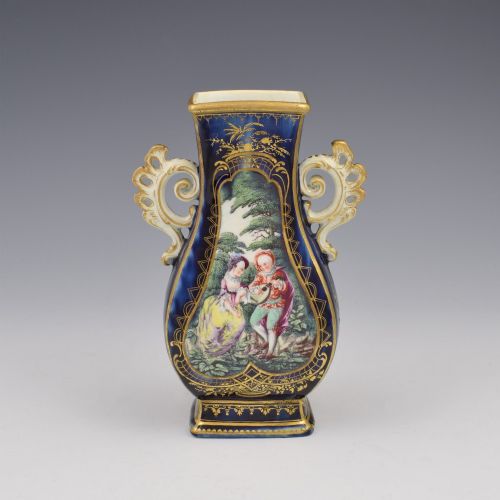
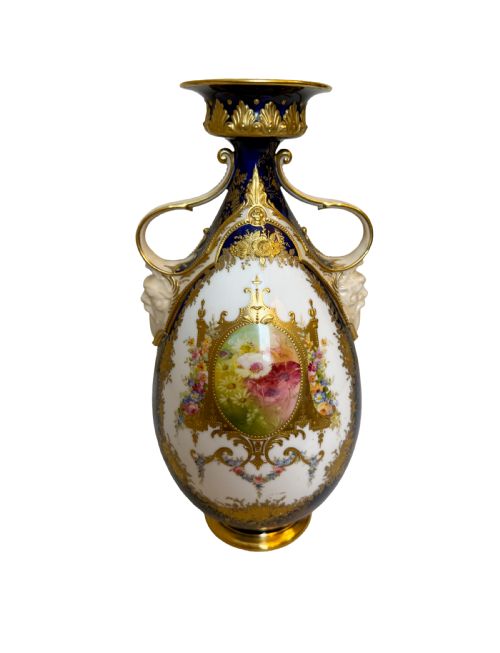
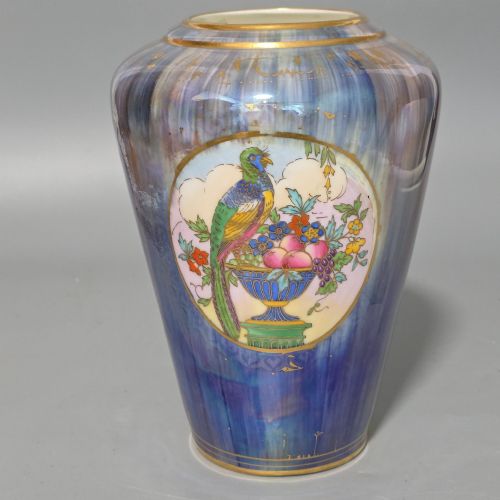
A blue and gold vase brings intense cobalt and gleaming metal together, offering a striking display piece for any room.
What these blue and gold vase pieces are
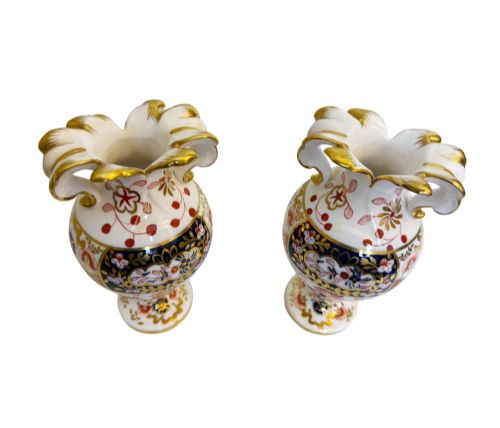
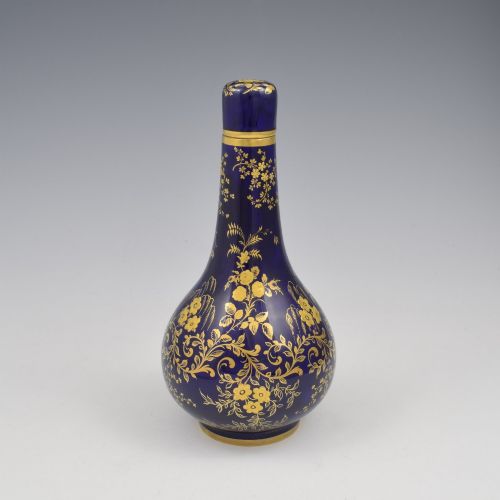
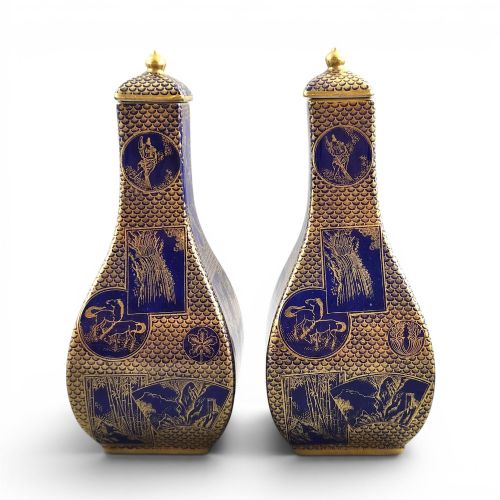
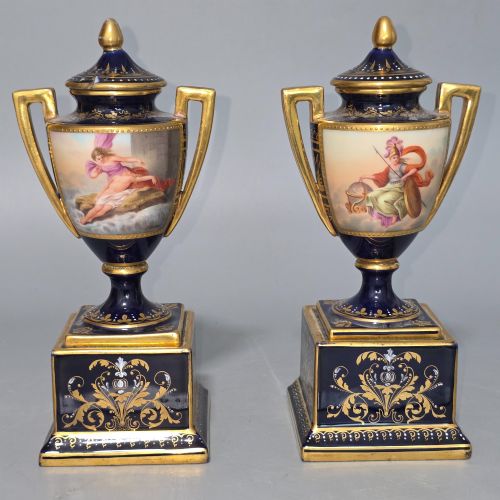
When you search for a blue and gold vase, you encounter decorative vessels ranging from late Victorian examples to pieces from the nineteen twenties. These items include urns, centrepieces, and traditional vase forms originating from major English factories.
Makers represented in these listings include Minton, Royal Crown Derby, Carlton Ware, and Wedgwood. Each workshop applied its own interpretation to the enduring appeal of blue and pottery decoration.
How they were made
Potters shaped these vessels using porcelain and earthenware bodies before applying foundational glazes. Enamel colours and underglaze blues were then fired into the ceramic body to achieve lasting depth.
Finishing touches involved the application of gold leaf, gilding, and hand enamelling. Artisans painted intricate details by hand, often mounting certain pieces on ebonised wood bases for added stability.
Retail Price Guide 2026
Typical UK retail prices for blue and gold vase, calculated from the Sellingantiques database of over a million retail prices indexed since 2003. This retail price guide relies exclusively on Sellingantiques data; no external sources or auction records are used, so the figures do not describe the wider market.
Listings for a blue and gold vase span from the Victorian era through the nineteen twenties, featuring earthenware and porcelain bodies.
What varies in quality
The distinction between standard production items and exceptional pieces lies in the precision of the hand painting and the quality of the gilding. Master decorators achieved finer line work and richer enamel saturation on superior vessels.
Signatures from notable artists or specific factory ciphers elevate the standing of a piece. The crispness of the moulded ceramic form and the brilliance of the gold leaf also dictate the overall refinement of the work.
Minton·Royal Crown Derby·Carlton Ware·Wedgwood
The Blue and Gold Vase Glossary
- Earthenware
- A porous pottery body fired at lower temperatures than porcelain. It requires an opaque glaze to hold liquids and forms the base for many decorative nineteenth century pieces.
- Porcelain
- A dense, vitreous ceramic fired at high temperatures. It rings when struck and provides a smooth, white surface ideal for intricate blue and gold decoration.
- Gilding
- The application of gold leaf or gold powder to a surface. On these vases, it highlights handles, rims, and painted motifs.
- Lustre
- A type of ceramic glaze containing metallic oxides that produce an iridescent sheen when fired. It catches the light differently depending on the viewing angle.
- Chinoiserie
- A European artistic style reflecting Chinese motifs and techniques. Victorian makers often applied these fantastical landscapes and floral patterns to blue vases.
Frequently Asked Questions
How do I date a blue and gold vase?
Dating relies on factory marks stamped or painted on the base, alongside stylistic clues such as the transition from Victorian ornamentation to art deco geometry.
Comparing the specific shade of blue glaze and the method of gilding against known factory periods helps narrow down the exact decade of manufacture.
Where were these vases made?
These decorative vessels originate primarily from historic English potteries operating during the Victorian and early twentieth century eras.
Factories based in Stoke-on-Trent and other ceramic centres produced the porcelain and earthenware bodies found in this collection.
Can I use these vases for fresh flowers?
While these vessels were originally designed as decorative art pottery or centrepieces, many can hold water if they are made of fully vitrified porcelain.
Earthenware versions with older glazes require more care, so many collectors prefer to display them dry to protect the delicate enamel and gilding.
How should I clean my vase?
Dusting gently with a soft, dry cloth is the safest way to maintain the surface of hand enamelled and gilt ceramics.
Harsh chemical cleaners and abrasive sponges must be avoided entirely, as they will quickly wear away the delicate gold leaf and overglaze decoration.