






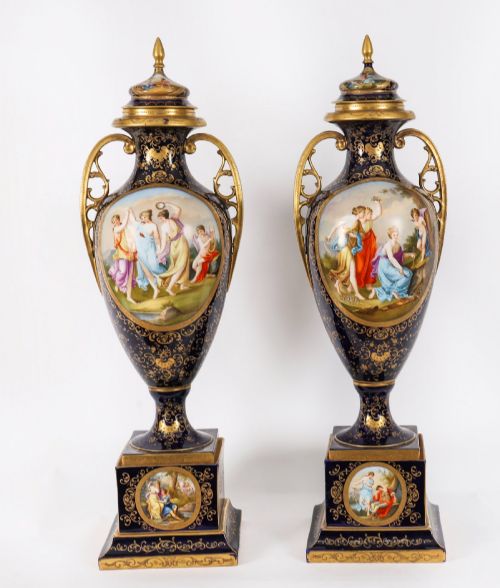
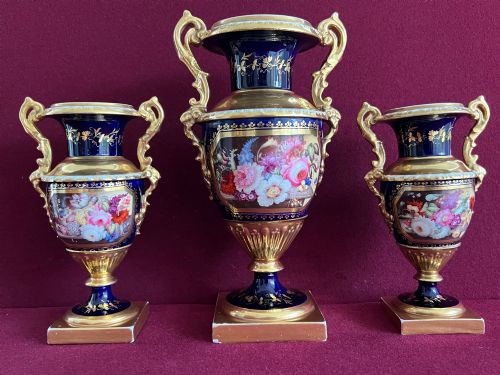
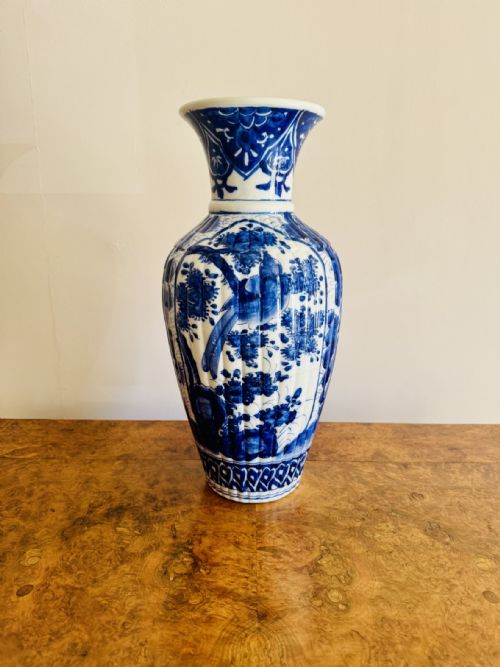
Cobalt Blue Porcelain Urn
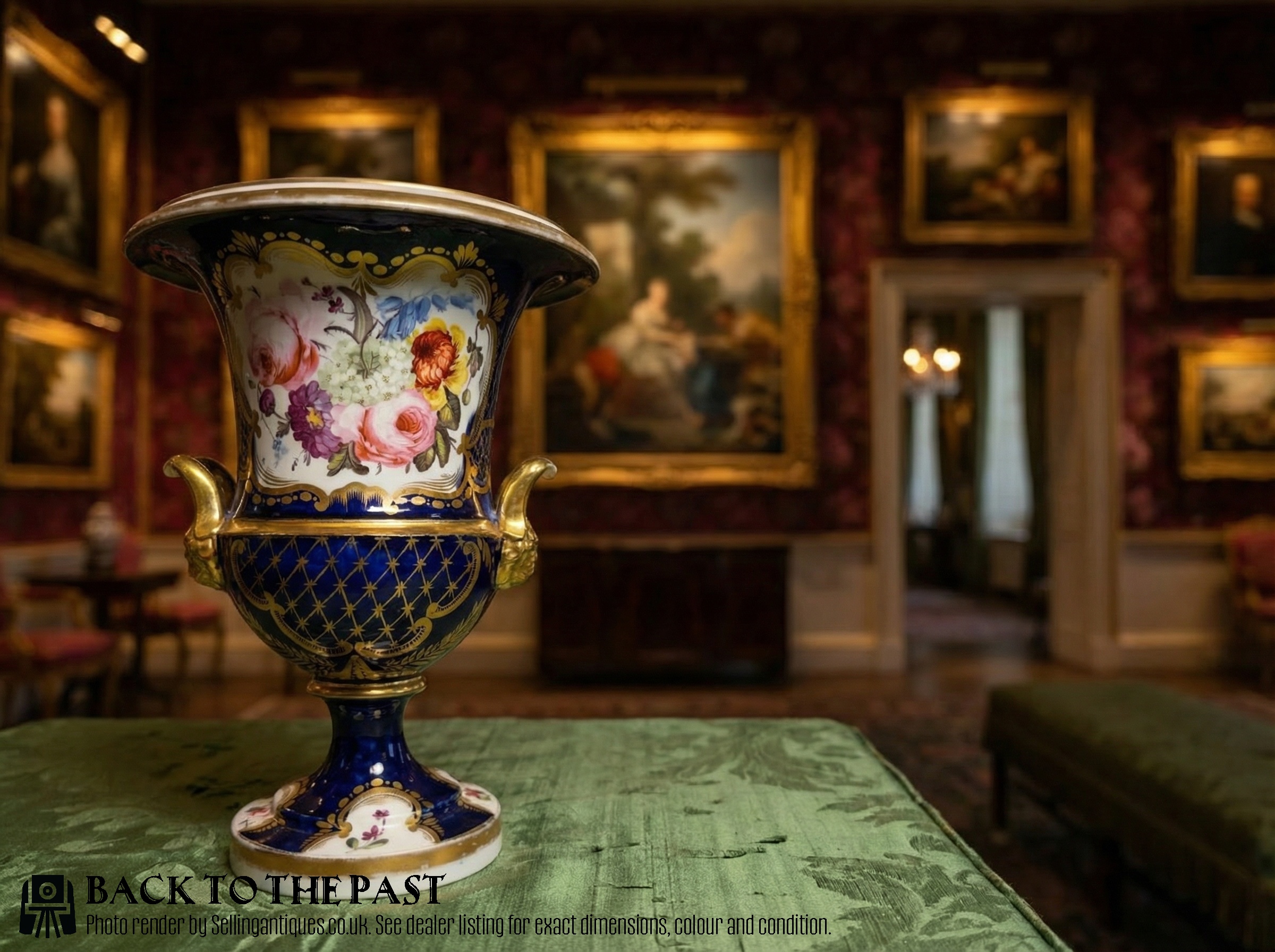
A cobalt blue porcelain urn commands attention in a room through rich pigment and form, bringing centuries of ceramic tradition directly into your interior.
Cobalt Blue Porcelain Urn
A cobalt blue porcelain urn brings together deep blue ceramic bodies and sculptural vessels designed for display rather than utility. When searching this phrase, you encounter pieces that range from grand Japanese floor standing vases to delicate English cabinet urns and French porcelain lamps.
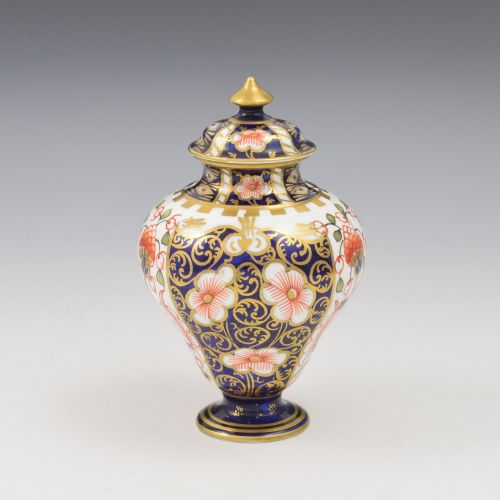
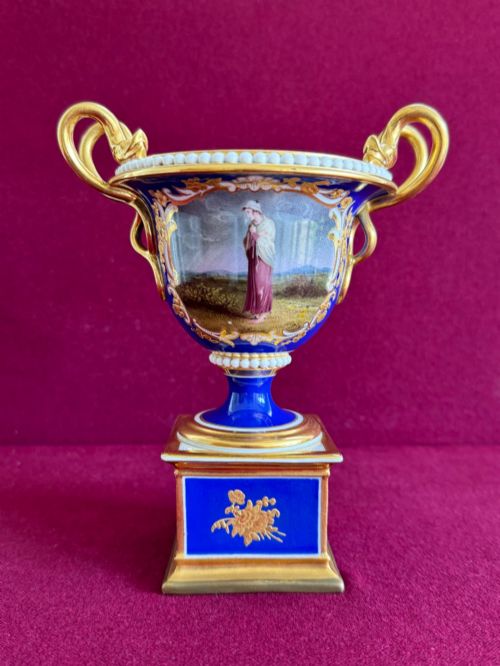
The selections span production from the eighteenth century through the Edwardian period, encompassing Georgian English factories, Meiji period Japanese works, and nineteenth-century continental interpretations. Forms vary from lidded jars and campagna urns to amphora shapes and double gourd vases.
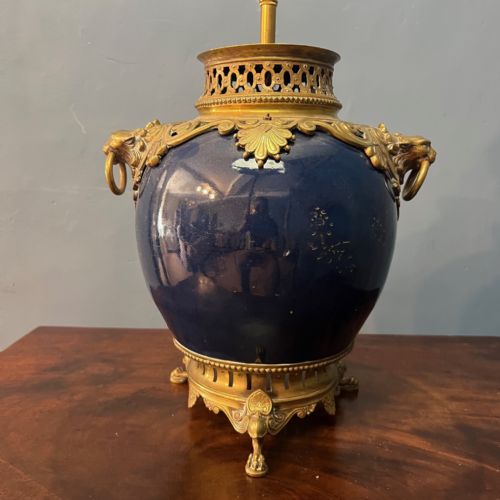
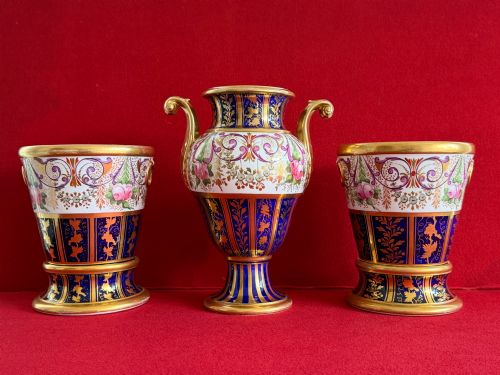
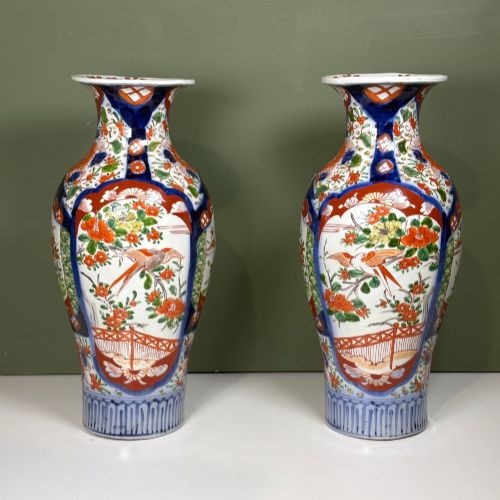
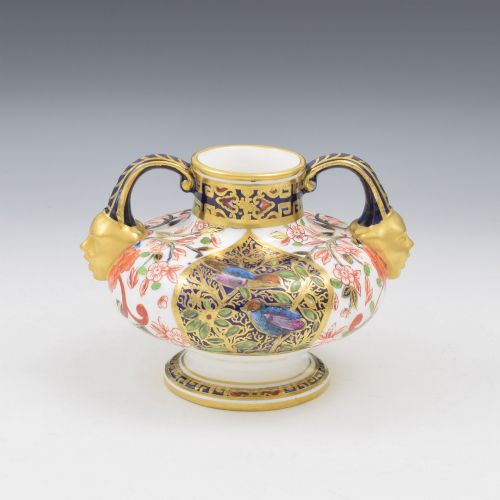
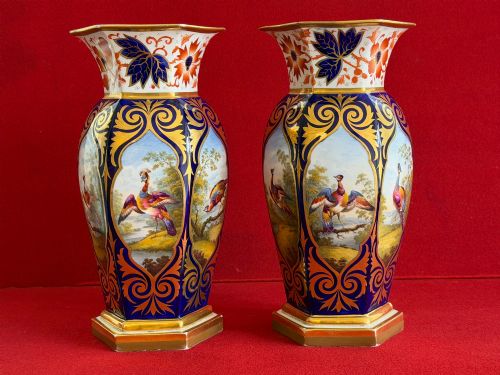
You are most likely to meet nineteenth-century examples, particularly Japanese Imari pieces alongside English porcelain from makers working in the Regency and Victorian eras. These items often feature contrasting gilt highlights, enamel decoration, or bronze mounts.
How they were made
The foundation of these pieces relies on porcelain or earthenware bodies shaped by hand or mould, then coated with cobalt glaze or enamel to achieve the characteristic deep blue ground. Artisans applied cobalt oxide under the glaze before firing at high temperatures to secure the rich colour.
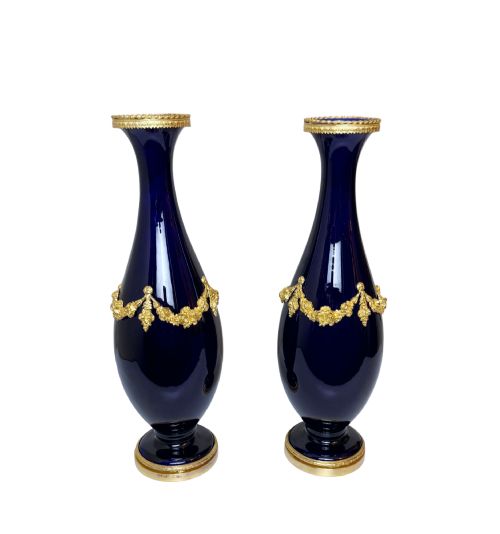
Many items incorporate applied surface details such as gold leaf, gilt, and hand-painted enamel scenes. French and English pieces frequently integrate cast metal mounts, using gilt bronze or ormolu to frame the porcelain bodies.
Decorative techniques extend to raised moriage work and intricate pattern painting, aligning with Japanese traditions from Arita and European manufactories inspired by Sevres styles.
Cobalt Blue Porcelain Urn Retail Price Guide 2026
Typical asking prices for cobalt blue porcelain urn among the pieces listed under this phrase on Sellingantiques today, from the lower quarter to the upper quarter. They describe what is for sale here now, not the wider market.
Some miniature vases measure small enough to sit in the palm of your hand, yet carry full hand-painted Imari patterns.
What varies in quality
Quality separates standard production from masterworks through the depth and evenness of the cobalt glaze, alongside the precision of the hand-painted enamel and gilding. Superior pieces display crisp brushwork in figural or floral scenes rather than mechanical transfers.
The sophistication of the secondary materials, such as finely chased ormolu mounts or well-fitted porcelain covers, distinguishes finer examples. Heavier, more substantial potting and balanced proportions elevate pieces from simple vessels to sculptural statements.
Royal Crown Derby·Flight Barr And Barr·Chamberlain Worcester·Mason S Patent Ironstone·Coalport·Spode·Chelsea Porcelain·Crown Staffordshire
The Cobalt Blue Porcelain Urn Glossary
- Cobalt glaze
- A blue ceramic colourant applied under or over the glaze that remains stable at high kiln temperatures. It provides the deep, enduring blue characteristic of these wares.
- Ormolu
- Gilded bronze mounts applied to the base, rim, or handles of porcelain vessels. This French technique adds decorative weight and architectural structure.
- Campagna urn
- A bell-shaped classical vessel form with a flared rim and footed base. English factories frequently adopted this classical shape during the Georgian and Victorian periods.
- Imari
- A traditional Japanese style of ceramic decoration featuring cobalt blue, iron red, and gold. Export wares from the Meiji period widely utilised this palette.
- Garniture
- A set of three or more matching vases or jars designed to be displayed together on a mantelpiece or cabinet. These sets share decorative motifs and proportional sizing.
Cobalt Blue Porcelain Urn: Frequently Asked Questions
How were these urns originally used?
These vessels served primarily as ornamental display items rather than utilitarian containers for cut flowers or liquids. Grand examples stood on pedestals or floor areas, while smaller lidded jars and garnitures decorated mantelpieces.
Many nineteenth-century pieces were later adapted into table lamps, incorporating electrical wiring while retaining their original ceramic bodies.
How do I distinguish Japanese Imari from European copies?
Japanese Imari porcelain, particularly from the Meiji period, typically exhibits characteristic iron red and cobalt blue painting enhanced with gold on a dense body. The paste, brushwork, and kiln marks differ noticeably from European factories that imitated the style.
European interpretations, such as those from English or French makers, often apply the palette to distinct local shapes like campagna urns or Sevres-style bottle vases.
What periods do these pieces represent?
The listings span from the eighteenth-century gold anchor period through the Regency, Victorian, and Edwardian eras up to the early twentieth century. Georgian and Regency pieces showcase early English porcelain developments.
Later nineteenth-century examples reflect the high output of Japanese export wares and French revival styles during the Victorian period.
How should I display an urn in my home?
Place larger floor-standing vases where their height and rich cobalt ground can be appreciated without obstruction. Mantelpieces and side tables suit smaller lidded jars, garnitures, and twin-handled cabinet vases.
Ensure table lamps retain stable placement if fitted with ormolu mounts, allowing the gilt bronze and blue glaze to catch ambient room light.