

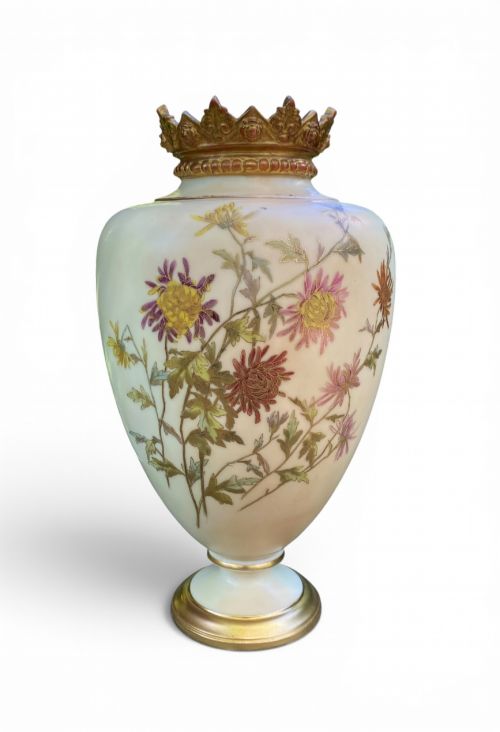


Gilt Porcelain Vessel
A gilt porcelain vessel brings metallic shine and painted colour to a room, offering the weighty presence of nineteenth-century ceramic work.
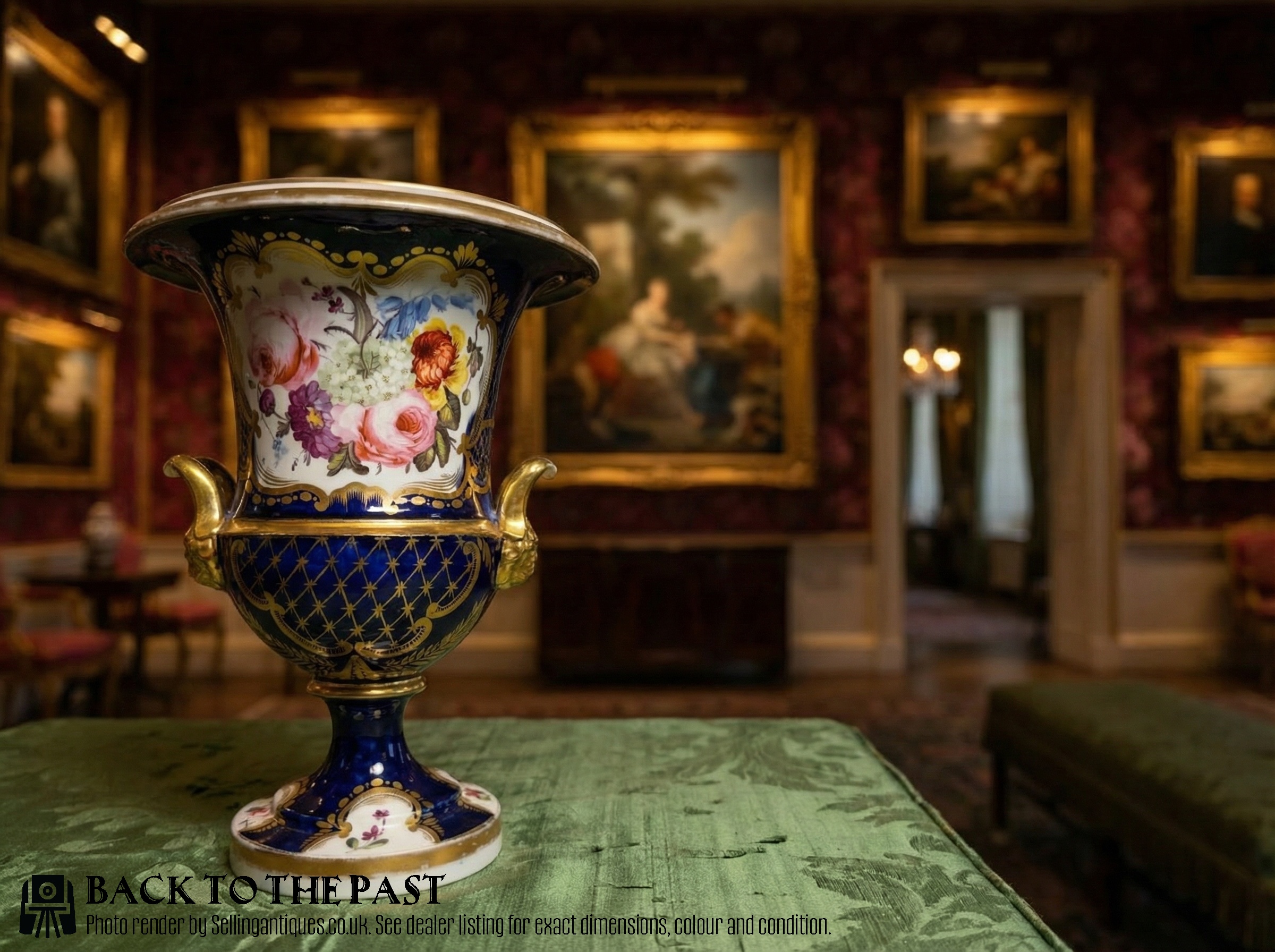
What these pieces are
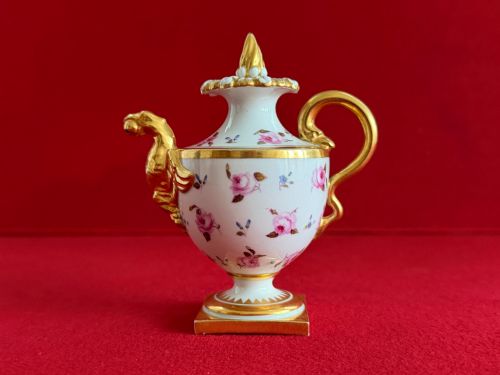
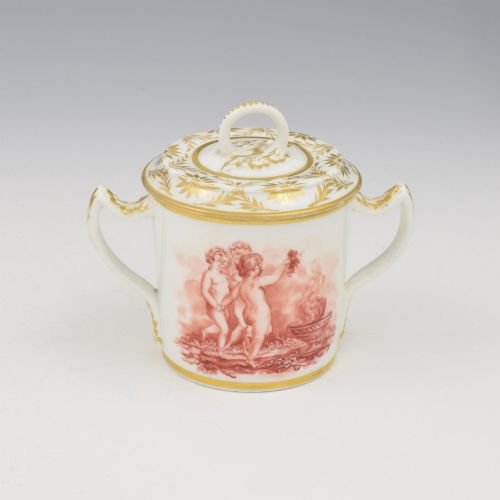
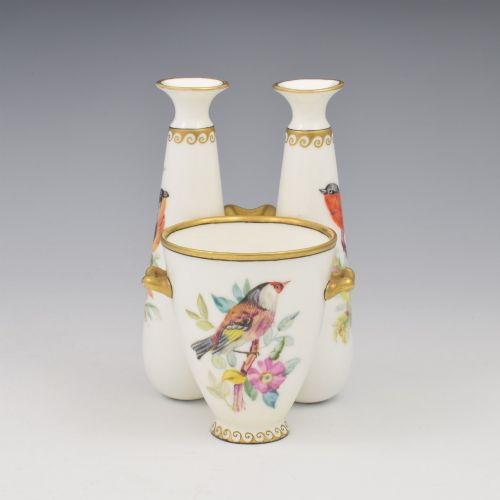
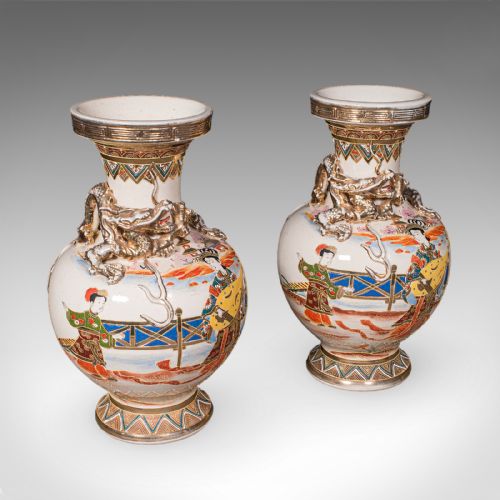
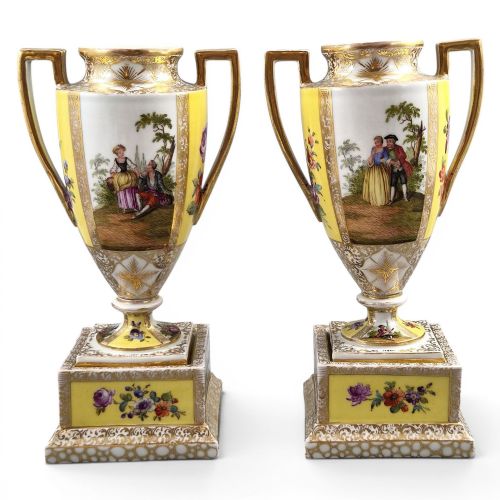
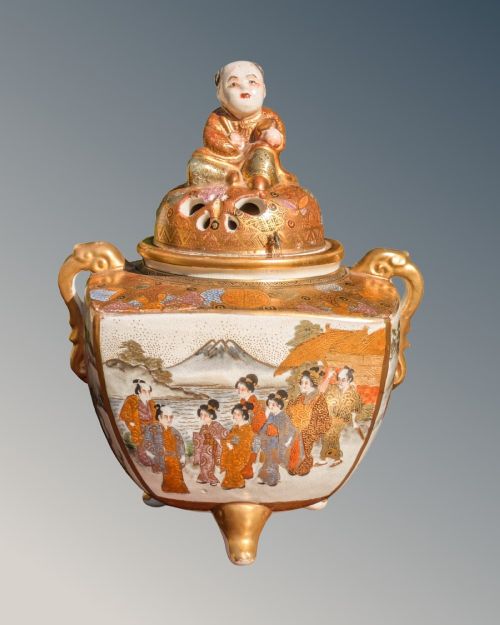
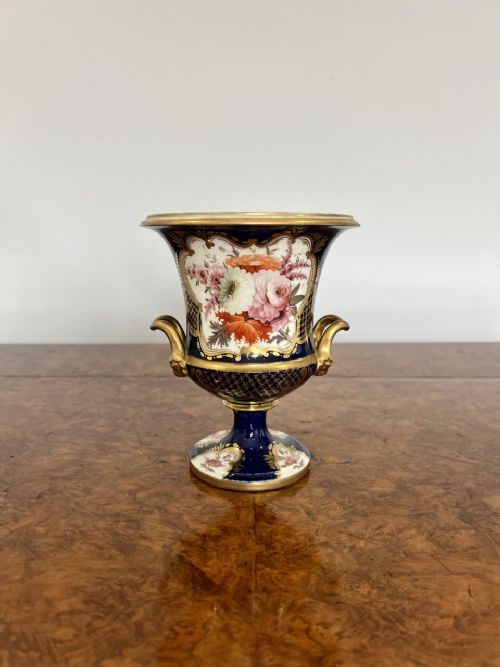
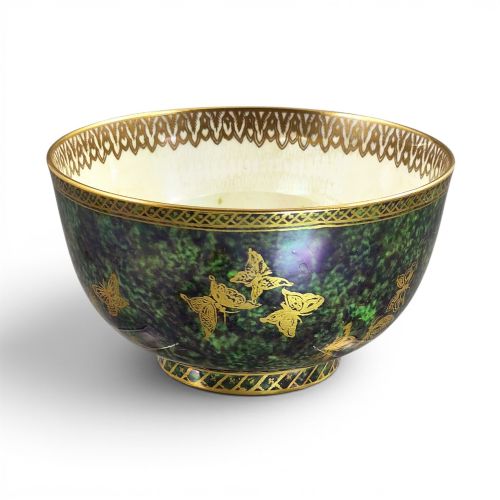
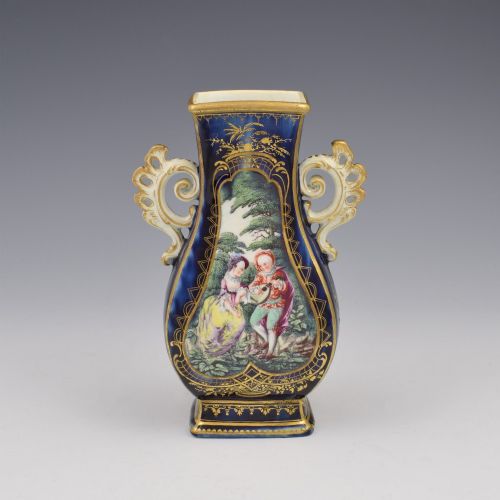
A gilt porcelain vessel covers decorative vases, urns, and loving cups produced primarily during the nineteenth century across British, European, and Japanese workshops. Buyers seeking a gilt porcelain vessel encounter forms ranging from campagna urns to bottle vases, reflecting styles from Victorian Neo-Classical and Rococo Revival to the Meiji period.
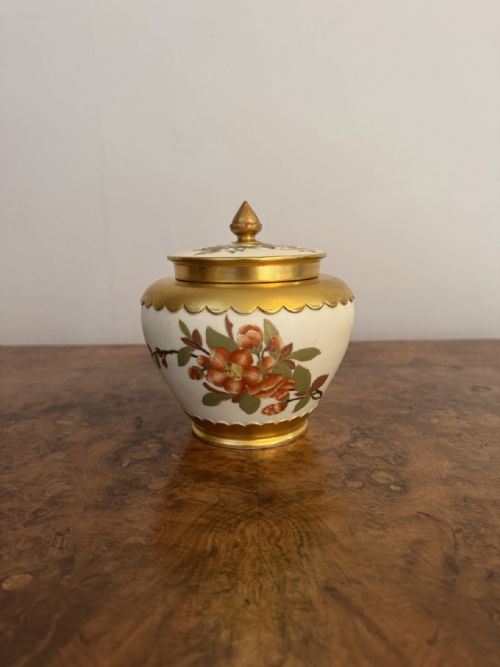
The selection on this page centres heavily on nineteenth-century production, alongside pieces from nineteen-ten, utilising hard-paste porcelain and standard porcelain bodies. Makers such as Royal Worcester, Helena Wolfsohn Dresden, Coalport, and Naples Capodimonte dominate the selection, often bearing retail marks or artist signatures.
Vases and urns form the core of the available objects, serving historically as mantelpiece ornaments and cabinet pieces rather than functional containers. Their presence combines ceramic potting traditions with rich surface decoration.
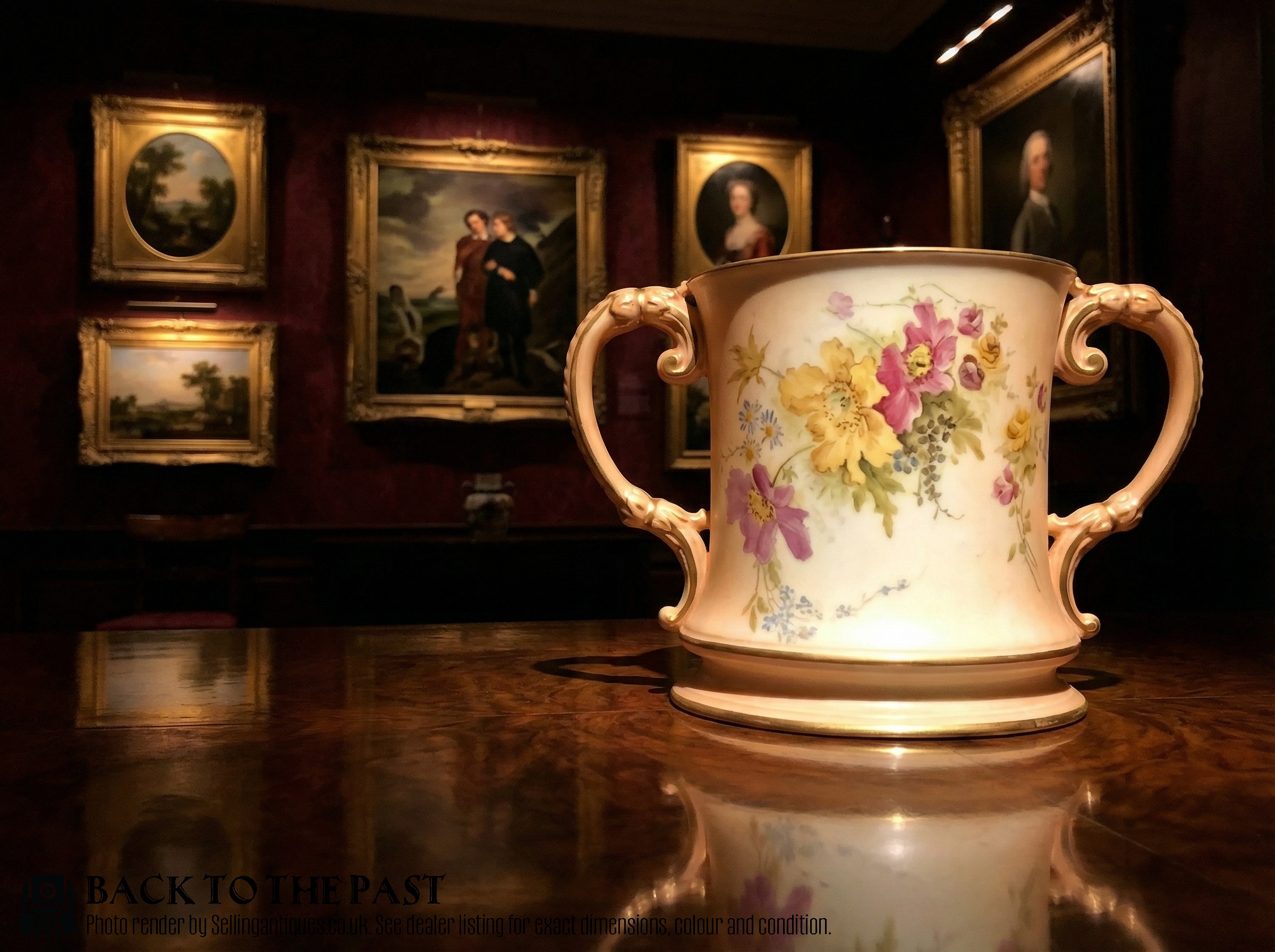
How they were made
Potters shaped these pieces using hard-paste porcelain and traditional porcelain bodies, firing them at high temperatures to achieve a dense, vitrified base. Artisans then applied enamel paints and gold leaf or liquid gilding to the glazed surfaces before a subsequent low-temperature firing to bond the metals and colours.
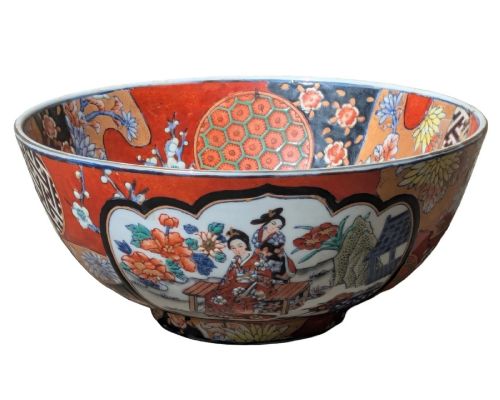
Surface ornamentation involved hand-painting, transfer printing, and meticulous gilding applied to raised paste or directly onto the porcelain glaze. Makers combined blush ivory grounds, royal yellow glazes, and Imari palettes with heavy gold trim to define handles, rims, and pictorial panels.
Retail Price Guide 2026
Typical UK retail prices for gilt porcelain vessel, calculated from the Sellingantiques database of over a million retail prices indexed since 2003. This retail price guide relies exclusively on Sellingantiques data; no external sources or auction records are used, so the figures do not describe the wider market.
Certain nineteenth-century makers achieved royal yellow by firing specific mineral oxides twice.
What varies in quality
The distinction between standard production and exceptional work rests on the precision of the hand-painting and the depth of the gilding. Pieces featuring named artists or specific retail houses demonstrate superior workshop standards compared to unmarked commercial output.
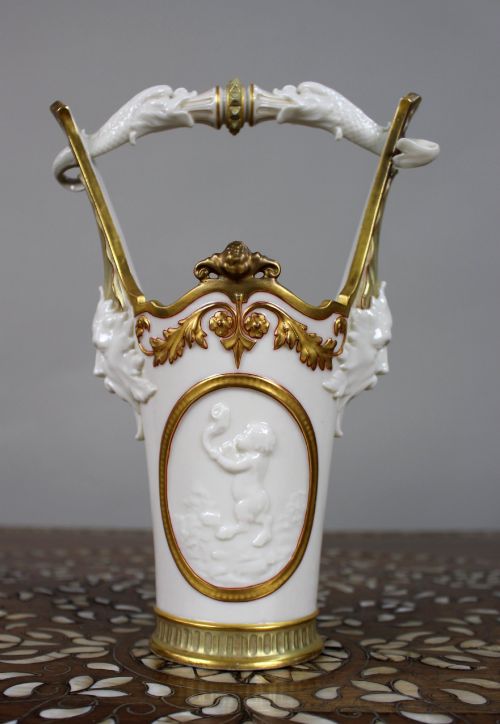
The integrity of the porcelain body and the crispness of moulded details such as handles and neoclassical feet dictate the overall refinement of the vessel. Heavier, more secure application of gold leaf and enamel work elevates the visual weight and longevity of the piece.
Royal Worcester·Helena Wolfsohn Dresden·Coalport·Naples Capodimonte·A.B. Daniell And Son
The Gilt Porcelain Vessel Glossary
- Campagna urn
- A bell-shaped classical urn form mounted on a pedestal base, popular in nineteenth-century decorative ceramics. This shape mimics ancient stone garden vessels translated into porcelain.
- Blush ivory
- A soft, matte cream-coloured porcelain ground developed by Royal Worcester in the late nineteenth century. It provides a warm background for floral and pastoral hand-painting.
- Imari
- A style of Japanese export porcelain featuring underglaze blue, iron red, and abundant gold highlights. Meiji period makers produced these for international markets.
- Hard-paste porcelain
- A durable ceramic material composed of kaolin and petuntse, fired at very high temperatures. It yields a hard, bright white body that resists scratching.
- Raised paste gilding
- A technique where liquid gold is applied over a built-up base of slip or enamel, creating a three-dimensional metallic effect. This method adds tactile richness to the surface.
Frequently Asked Questions
How do I display a gilt porcelain vessel?
Position these pieces on secure mantelpieces, sideboards, or enclosed cabinets away from high-traffic areas to protect their delicate gilded surfaces. Ensure they sit out of direct sunlight to prevent fading on enamel painted panels.
Allow adequate space around urns and large vases so their classical proportions and handles remain visible from multiple angles in the room.
Can I use these vessels for flowers?
Most antique pieces function primarily as decorative objects rather than utilitarian flower holders due to age and delicate gilding. Water can sometimes compromise nineteenth-century interior glazes or weaken historical repairs.
Use dried stems or display the vessel empty to preserve the ceramic body and surface metalwork without moisture exposure.
How do I clean a gilt porcelain vessel?
Dust the surface gently with a soft, dry ostrich feather duster or a clean, dry artist's paintbrush. Avoid chemical cleaning products, abrasive cloths, or immersion in water, which can strip away vulnerable gold leaf.
Consult a professional ceramic conservator if deep cleaning is required to address accumulated grime on textured or raised paste areas.
How do I identify the period of an urn?
Examine the base for factory backstamps, impressed numerals, or retailer signatures that correlate with known nineteenth-century operational dates. Stylistic cues like Neoclassical or Rococo Revival moulding also point to specific decades of manufacture.
Compare the quality of the paste, enamel palette, and gilding methods against documented examples from makers like Royal Worcester or Coalport.