




English Porcelain Vessel
An English porcelain vessel brings centuries of ceramic artistry into your home, offering both decorative beauty and a tangible connection to traditional craftsmanship.
Understanding the English porcelain vessel
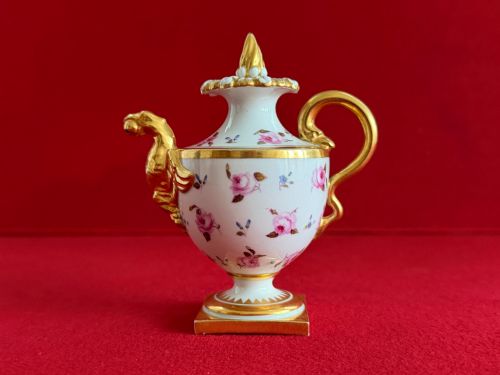
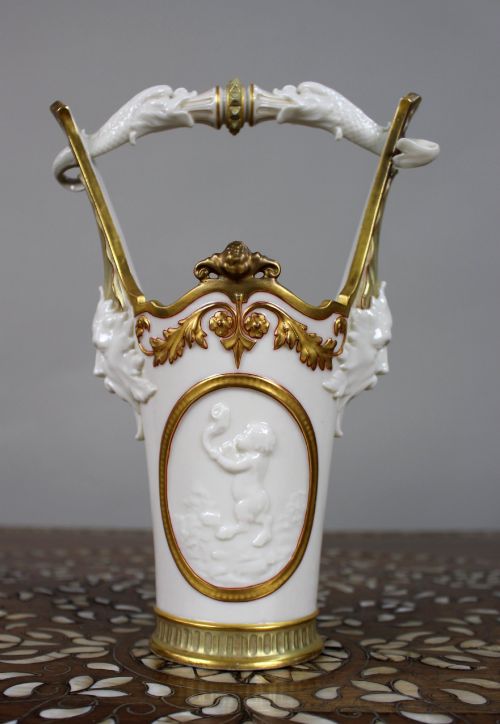
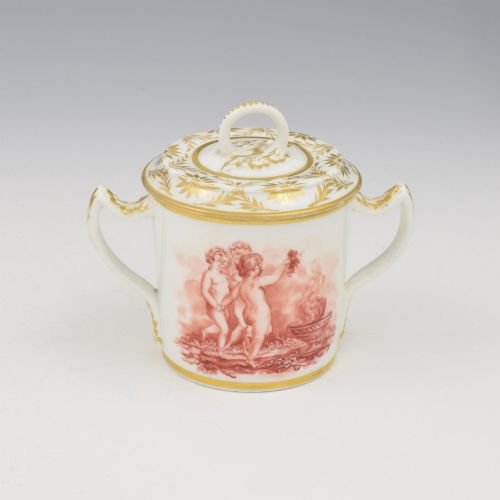
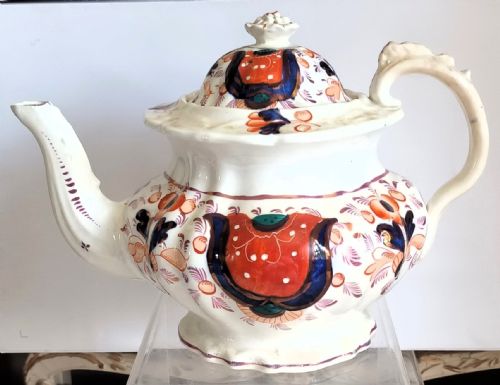
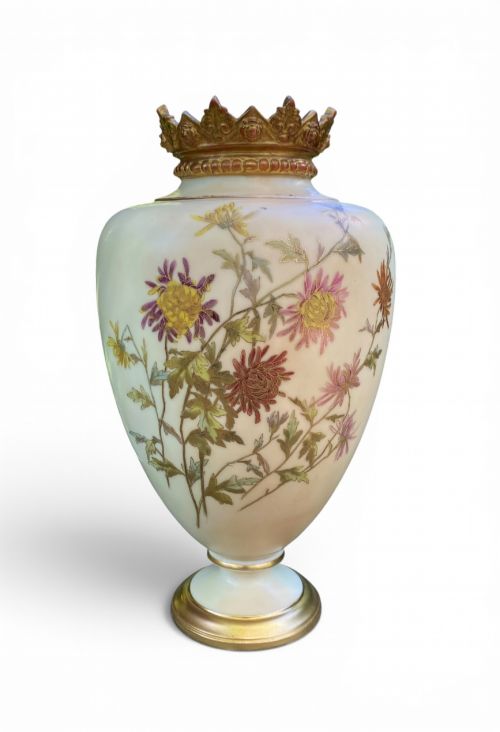
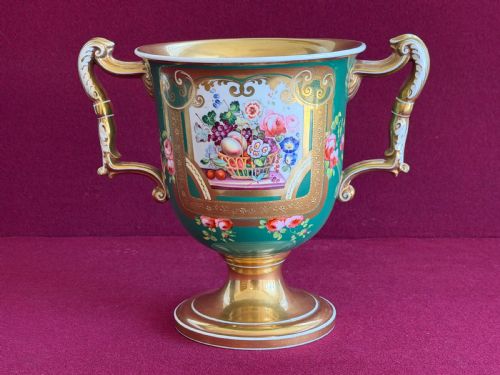
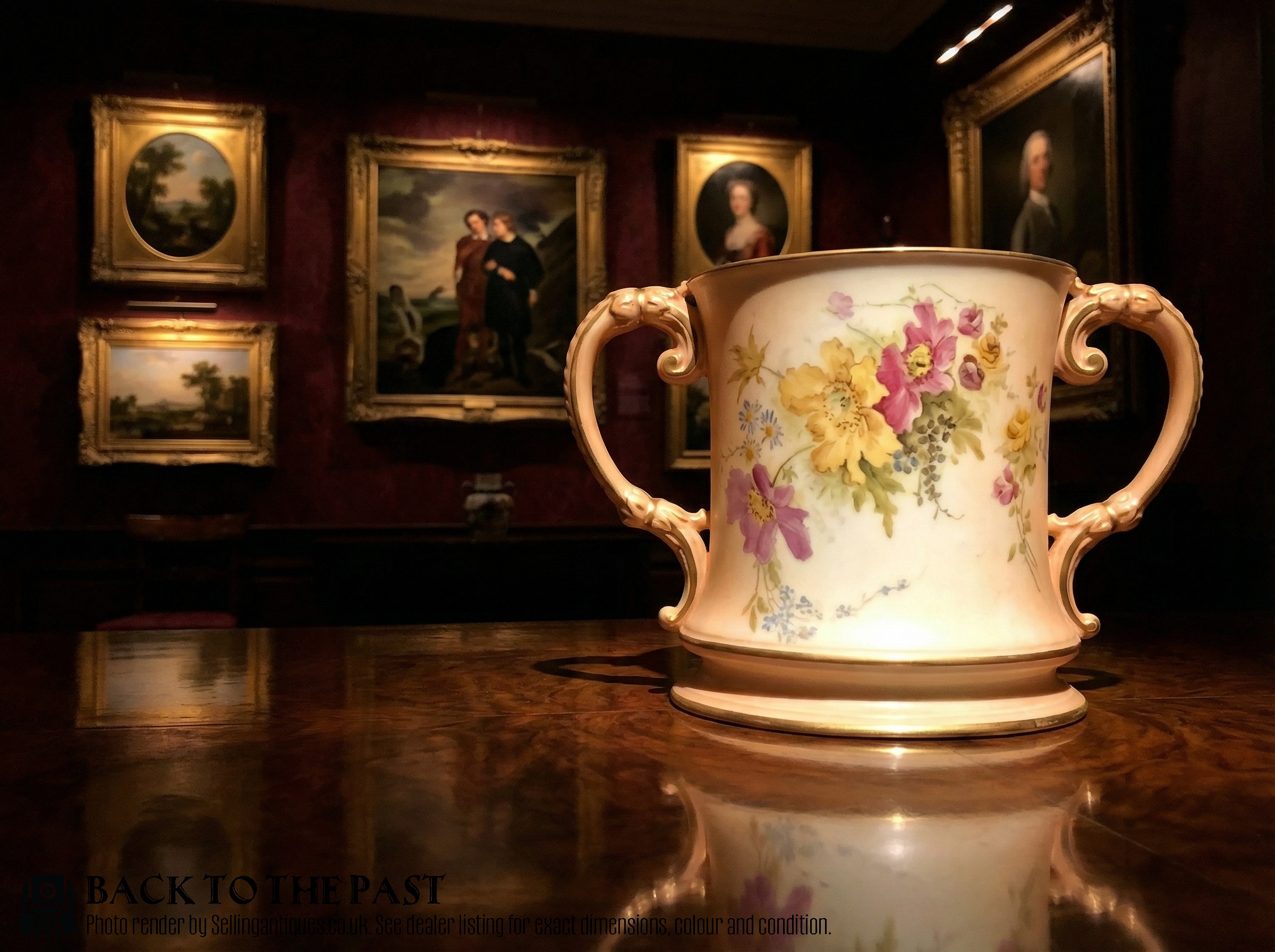
An English porcelain vessel encompasses a refined group of decorative and utilitarian forms, ranging from lidded potpourri pots to loving cups and vases. These objects represent diverse eras of British ceramic production, capturing the evolving tastes of Victorian and Regency households.
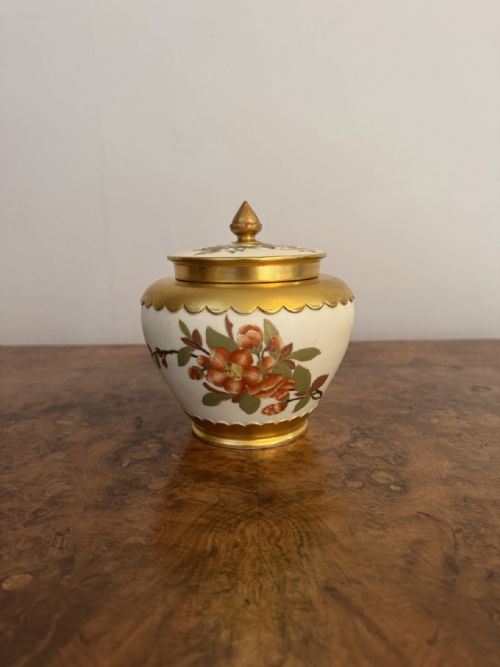
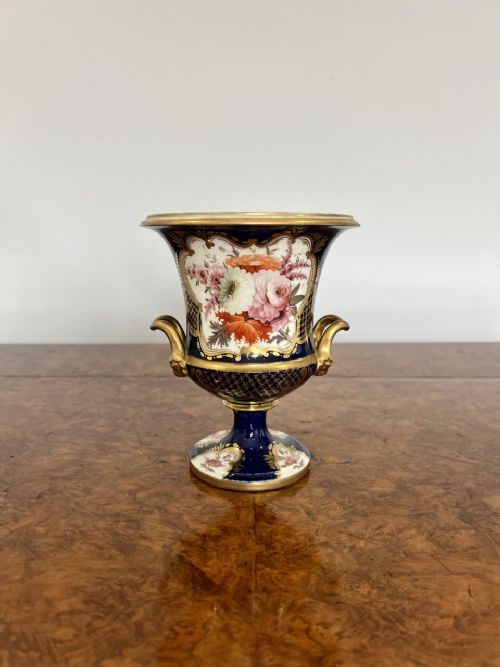
The most common form you will encounter on this page is the classic vase or potpourri jar, often associated with the renowned Royal Worcester manufactory. These pieces showcase traditional English porcelain styles that have survived through the centuries in various states of preservation.
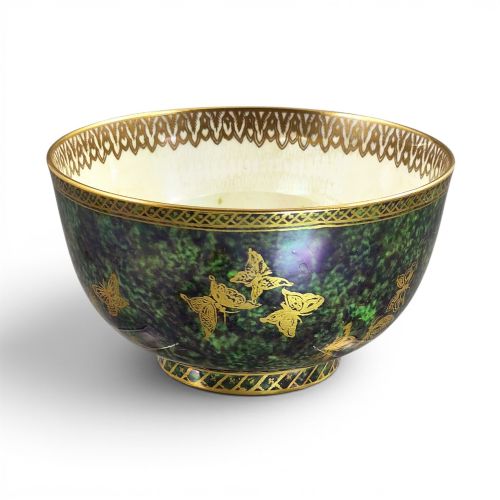
Examples span from the Regency period through the Victorian era and into the mid-twentieth century. Each piece reflects the specific decorative conventions of its decade, utilising distinct motifs and glazing techniques.
Materials and construction
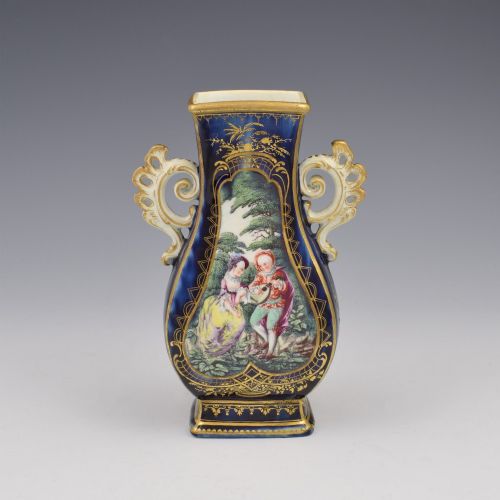
The foundation of every English porcelain vessel is fine ceramic paste, shaped into vessels and fired to achieve a smooth, durable body. Artisans then applied detailed enamel paintings, often featuring floral or fruit subjects rendered with precise brushwork.
Gilding and gilt accents frequently enhance the surface decoration, applied to rims, handles, and borders to catch the light. Blush ivory treatments and rich hand-painted details further define the tactile and visual qualities of these ceramics.
Retail Price Guide 2026
Typical UK retail prices for english porcelain vessel, calculated from the Sellingantiques database of over a million retail prices indexed since 2003. This retail price guide relies exclusively on Sellingantiques data; no external sources or auction records are used, so the figures do not describe the wider market.
H Ayrton spent his days painting microscopic fruit onto porcelain at Royal Worcester, proving that even a teacup could hold an entire orchard.
Assessing quality and craftsmanship
Quality in an English porcelain vessel rests primarily on the sophistication of the hand-painting and the crispness of the moulded form. Pieces featuring signed artist work or intricate polychrome enamelling represent the upper echelon of historic ceramic production.
The finesse of the gilding and the evenness of the glaze application distinguish superior specimens from simpler commercial wares. Makers who employed skilled decorators achieved a depth of colour and finish that elevates the object beyond ordinary pottery.
Royal Worcester·H and R Daniel
The English Porcelain Vessel Glossary
- Porcelain
- A hard, fine-grained ceramic material made from clay and other minerals, fired at high temperatures to produce a vitreous, non-porous body. It forms the essential base for all the vessels shown here.
- Gilding
- The application of gold leaf or powdered gold to the surface of ceramic pieces. This technique highlights rims and decorative borders.
- Enamel
- Opaque vitreous material fused to the surface of porcelain through firing, creating bright and lasting colours. Painters use enamels to render detailed fruit and floral scenes.
- Blush ivory
- A soft, matte cream-coloured ceramic ground popular during the late nineteenth century. It provides a warm background for delicate floral decoration.
- Potpourri pot
- A decorative lidded vessel pierced to allow scented dried plant materials to fragrance a room. These objects combine functional design with ornate exterior painting.
Frequently Asked Questions
What is an English porcelain vessel used for?
Many of these pieces served specific domestic functions, such as holding potpourri for scenting rooms or serving drinks during communal toasts from loving cups. Others functioned strictly as decorative vases to display floral arrangements or stand as ornaments on mantelpieces.
Over time, their roles shifted from practical household items to cherished display pieces collected for their artistic merit and historical association with major English potteries.
How do I date an English porcelain vessel?
Dating relies on identifying factory marks, stylistic traits, and the specific type of body and glaze used during manufacture. Regency pieces often exhibit classical revival forms, while Victorian examples lean toward more ornate polychrome decoration and blush ivory finishes.
Examining the signature of known painters or decorators also helps narrow the production era, particularly for mid-twentieth-century works bearing specific artist attributions.
How should I display my vessel?
Place your vessel in a stable location away from direct foot traffic and vibrations to protect its delicate ceramic body and gilded surfaces. Ensure it sits out of direct sunlight to prevent the hand-painted enamel colours from fading over the years.
Grouping pieces by period or maker creates a striking visual display that highlights the evolution of English ceramic design within your living space.