


Hand Painted Ceramic Pot
These hand painted ceramic pot selections span centuries of global pottery, offering functional vessels and decorative jars shaped by diverse cultural traditions.
Hand Painted Ceramic Pot
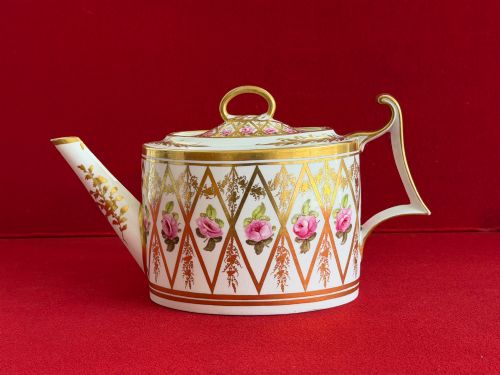
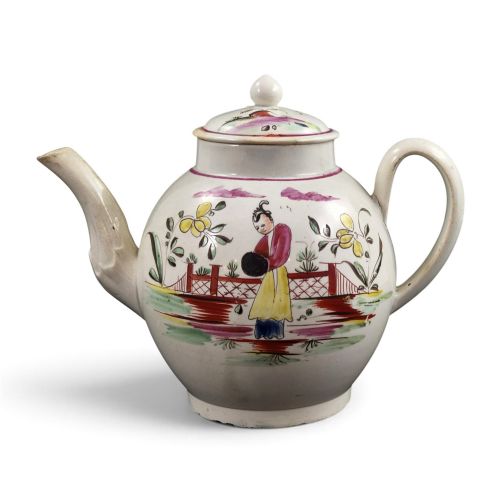
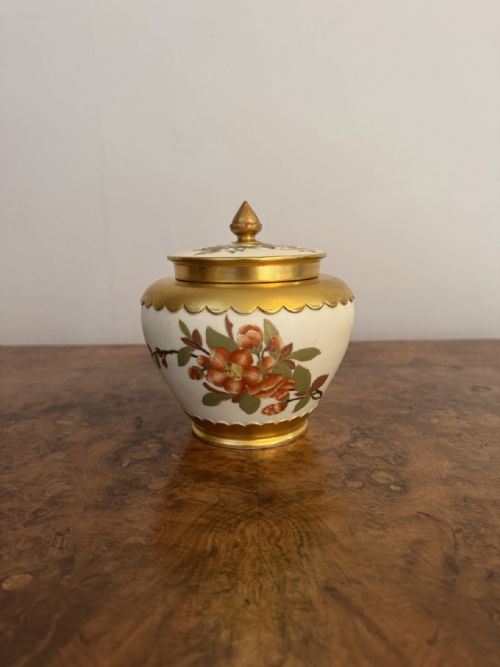
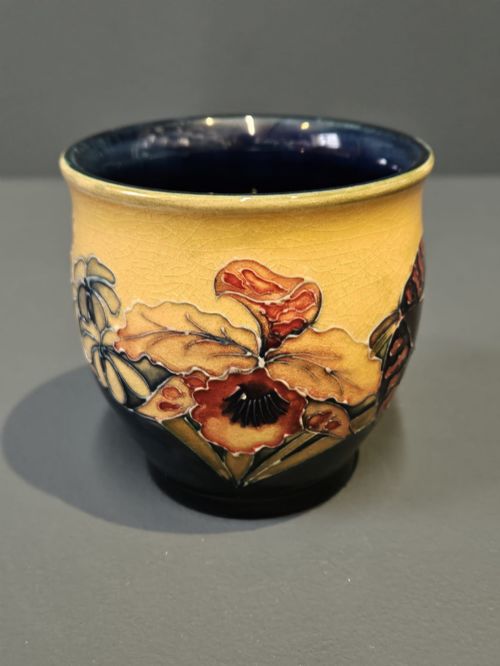
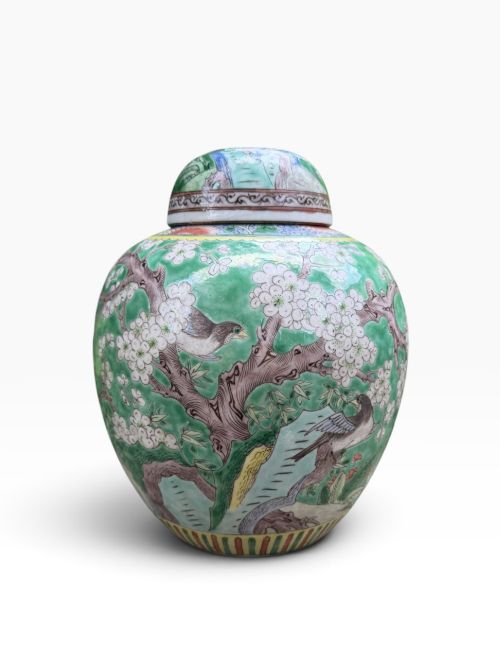
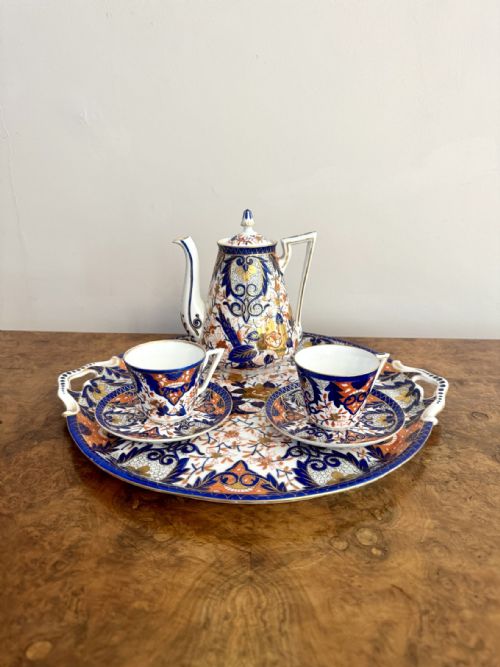
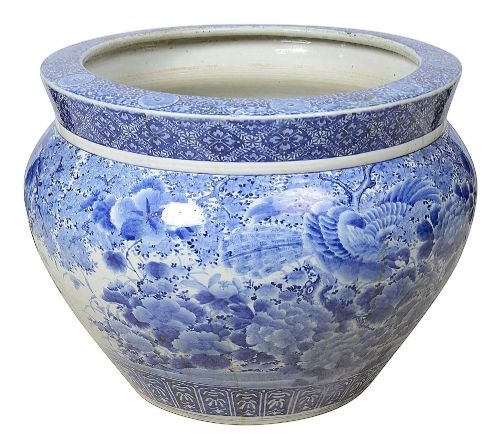
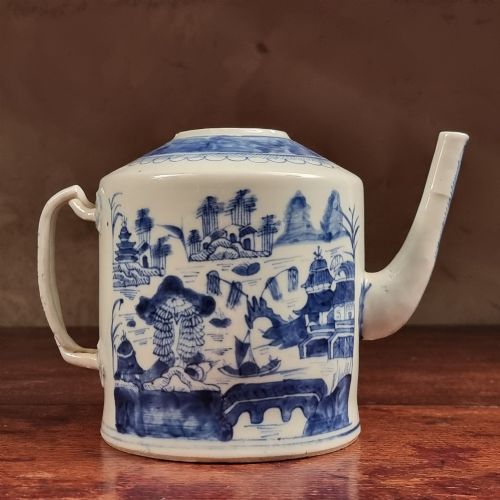
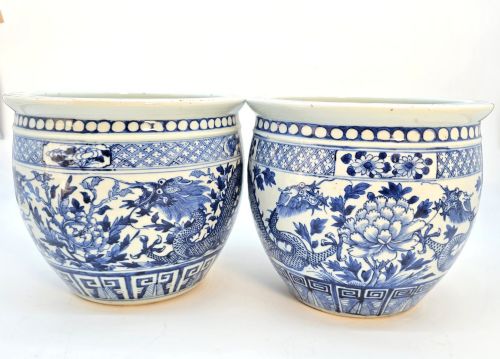
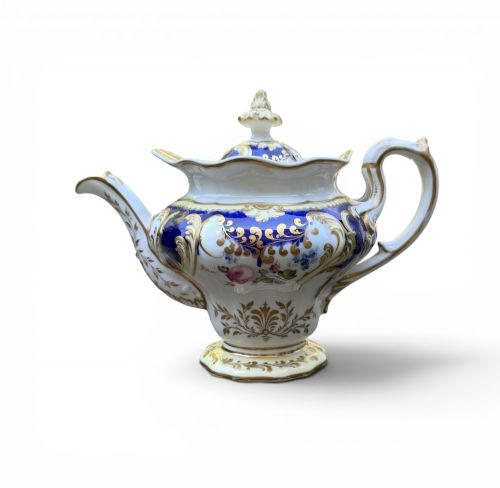
A hand painted ceramic pot encompasses a broad range of vessels, from Georgian teapots and Victorian potpourri jars to expansive Japanese jardinières and Chinese ginger jars. Buyers searching this phrase meet everything from domestic English tableware to intricate East Asian planters and lidded receptacles.
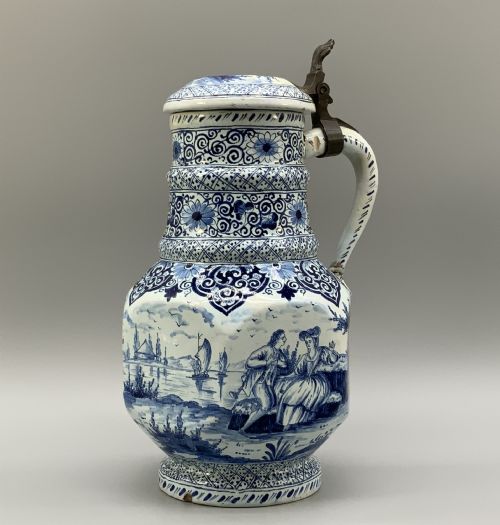
The objects originate across the eighteenth, nineteenth, and early twentieth centuries, drawing on European factories like Worcester, Spode, and Royal Worcester, alongside Asian export wares and Dutch Delft pottery. Forms include tea wares, coffee sets, pounce pots, and large garden urns designed for both utility and display.
How they were made
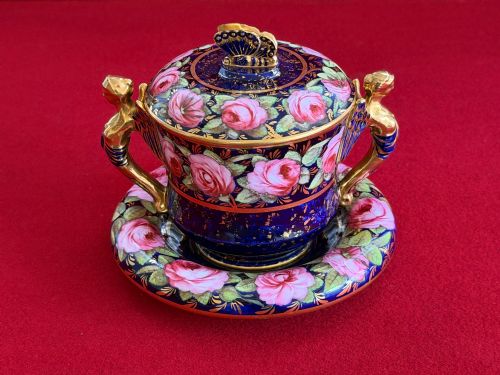
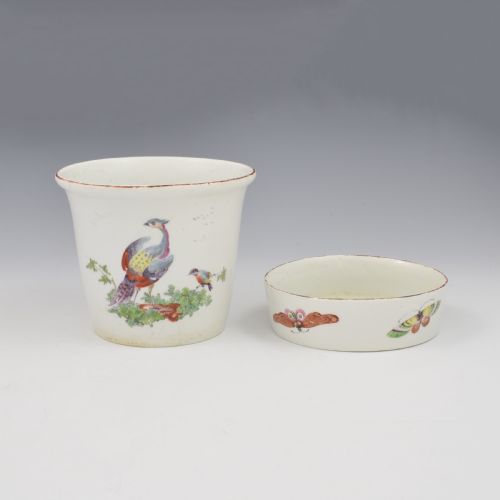
Potters shaped these vessels using porcelain, earthenware, creamware, and pearlware, often sealing the body with tin glaze or standard ceramic glazes before applying hand-painted pigments. Artisans integrated gold leaf, gilding, and enamel to accent floral scenes, birds, and intricate patterns across the surface.
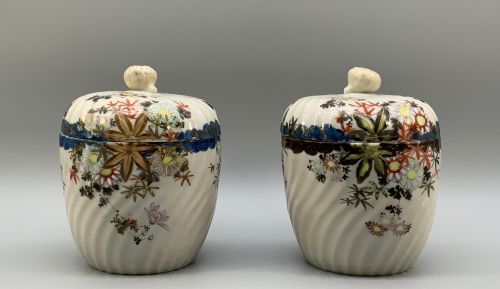
Firing techniques varied by origin, from the high-heat kilns producing durable nineteenth-century English porcelain to the traditional methods behind Japanese Satsuma koro and Chinese Famille Rose jars. Metal components such as pewter lids and silver-plated mounts occasionally complemented the ceramic bodies on jars and biscuit barrels.
One tiny pounce pot was painted simply with lily of the valley to help dry wet ink on historic letters.
What varies in quality
The standard of a hand painted ceramic pot rests upon the precision of the brushwork and the clarity of the underlying glaze, separating mass production from master-painted display pieces. Details such as delicate floral motifs, crisp enamel application, and intact gilding elevate certain teapots and jardinières above simpler utilitarian wares.
Maker provenance and period authenticity further define the upper tier, particularly with signed Royal Worcester fruit vessels or documented factory patterns from Worcester and Spode. The harmony between the ceramic form, the weight of the piece, and the preservation of the painted surface dictates the overall desirability.
Derby Porcelain·Spode·Royal Worcester·Barr Flight And Barr·Kinkozan·Minton
The Hand Painted Ceramic Pot Glossary
- Jardiniere
- A large ceramic pot or planter designed to hold growing plants or floral arrangements. These pieces frequently feature hand-painted botanical or landscape scenes.
- Famille Rose
- A major palette of Chinese ceramic glazes introduced in the eighteenth century, distinguished by opaque pink or rose enamel colours. This style decorates many export jars and planters.
- Tin Glaze
- A white, opaque lead glaze containing tin oxide, characteristic of Delft pottery and faience. It provides a smooth background for hand-painted blue and white designs.
- Potpourri
- A jar or vase featuring a pierced lid designed to diffuse scent from dried flower petals and spices. Victorian examples often showcase blush ivory porcelain and painted fruit.
- Creamware
- A refined earthenware developed in eighteenth-century England, noted for its pale buttery hue. It formed the body for many early painted teapots and domestic vessels.
Hand Painted Ceramic Pot: Frequently Asked Questions
How do I identify an eighteenth-century pot?
Eighteenth-century pots typically show specific paste compositions, such as soft-paste porcelain or creamware, alongside hand-painted underglaze blue or early enamel palettes typical of Georgian manufacture.
Examining the base for unglazed foot rims and factory markings helps separate these early pieces from later nineteenth-century revivals.
What is the difference between a jar and a jardiniere?
Jars are enclosed vessels featuring fitted lids, originally utilised for storing dry goods, ginger, or potpourri within domestic interiors.
Jardinieres are open-topped pots designed specifically to house plants, standing larger and deeper to accommodate soil and roots.
How should I clean a hand painted ceramic pot?
Painted ceramic pieces require gentle dusting with a soft, dry cloth to protect delicate enamel work and surface gilding from abrasion.
Water and chemical cleaning solutions should be avoided unless necessary, as moisture can damage aged glazes or fragile nineteenth-century repairs.
Can these antique pots still be used daily?
While many historic teapots and coffee pots retain their functional cavities, frequent thermal shock from hot liquids risks cracking aged ceramic bodies.
Most collectors prefer to display these pieces as decorative objects rather than utilising them for active food and beverage service.