



English Pearlware Pottery
English pearlware pottery brings together crisp blue transfer prints, bright enamel palettes and figures that reflect the domestic and rural life of the Georgian era.
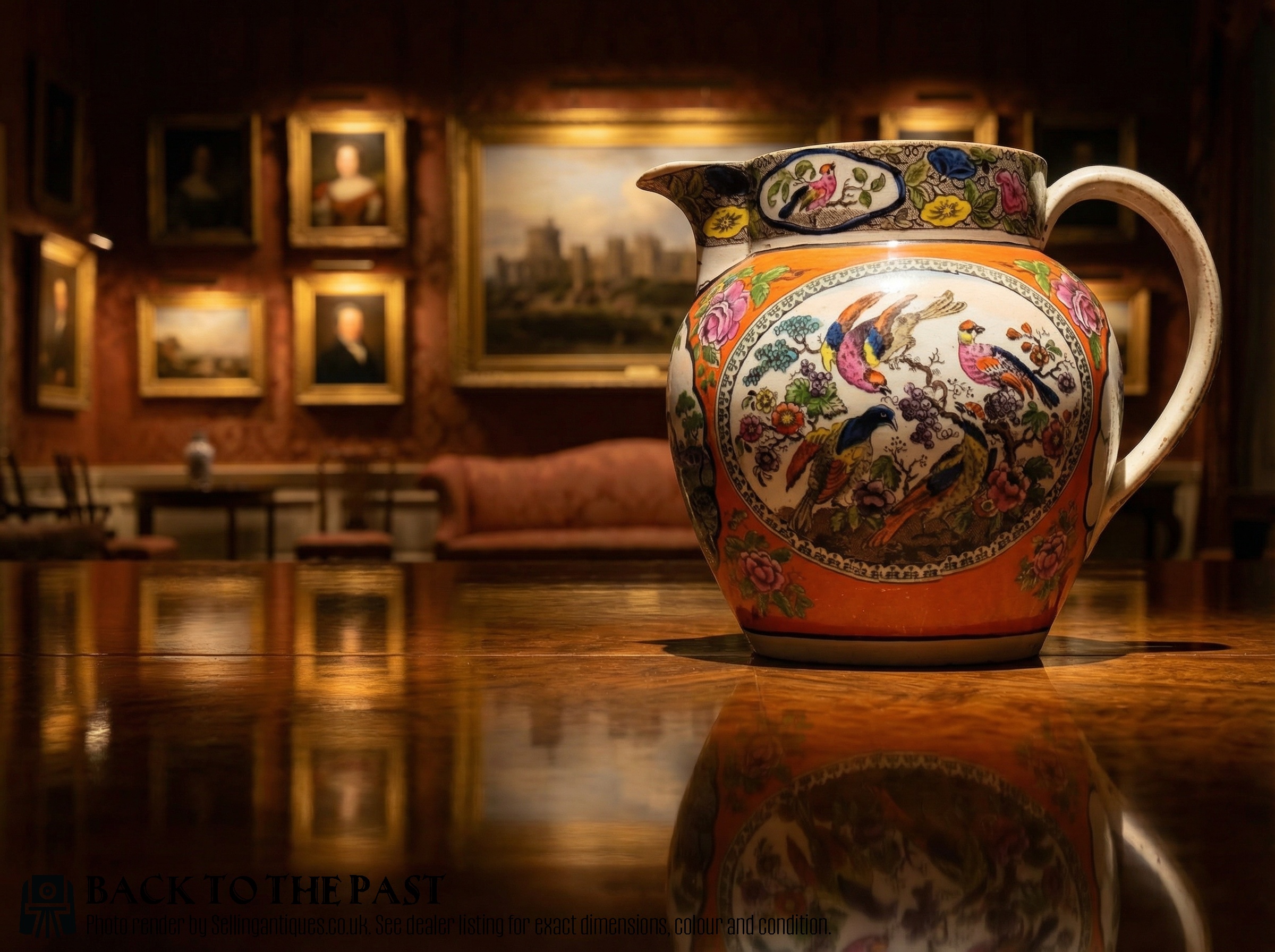
English Pearlware Pottery
When searching for english pearlware pottery, collectors examine a body of ceramic wares spanning the late eighteenth and early nineteenth centuries. The material bridges the gap between earlier salt-glazed stonewares and later refined whitewares, distinguished by a subtle bluish tint where the clear lead glaze pools in crevices.
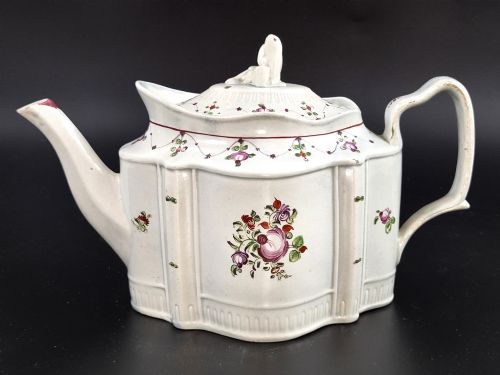
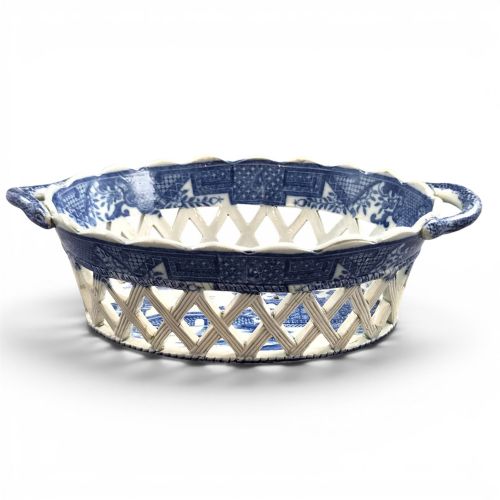
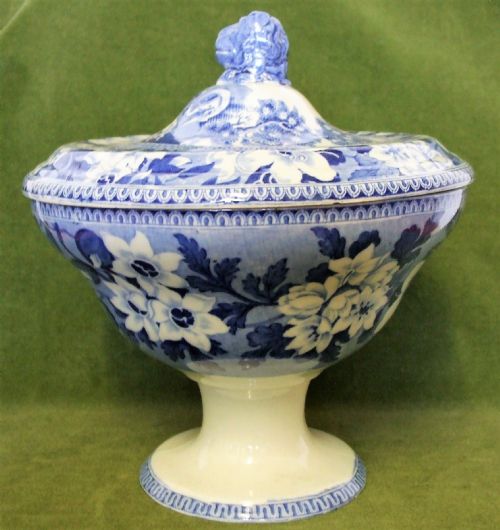
The objects on this page range from utilitarian tableware such as plates, tureens and frog mugs to decorative figures, animals and architectural groups. Most date from the Georgian and Regency periods, originating primarily from Staffordshire potteries and associated English regional works.
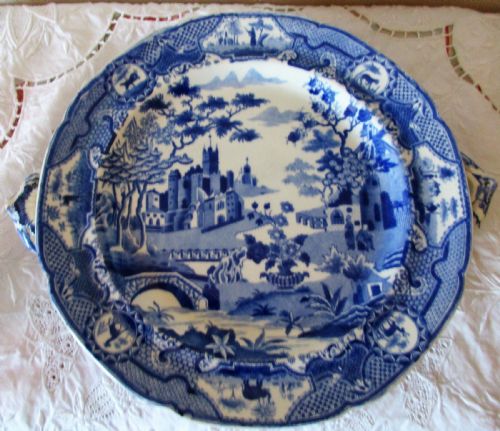
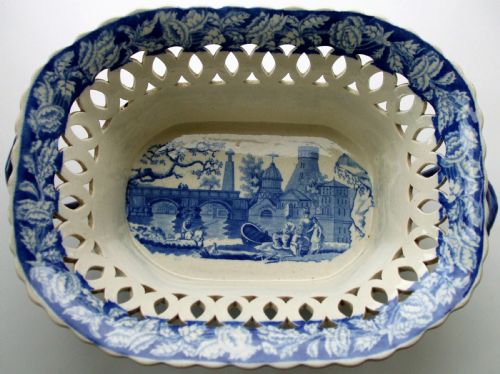
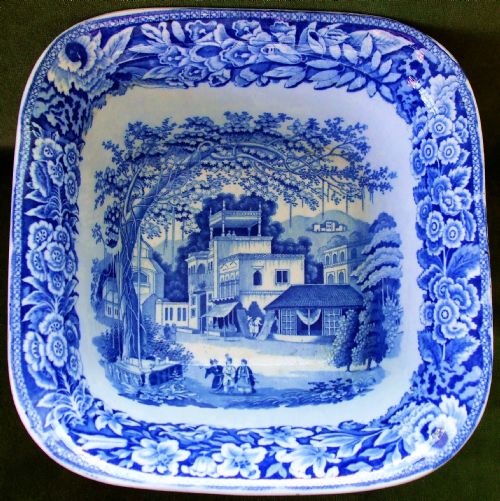
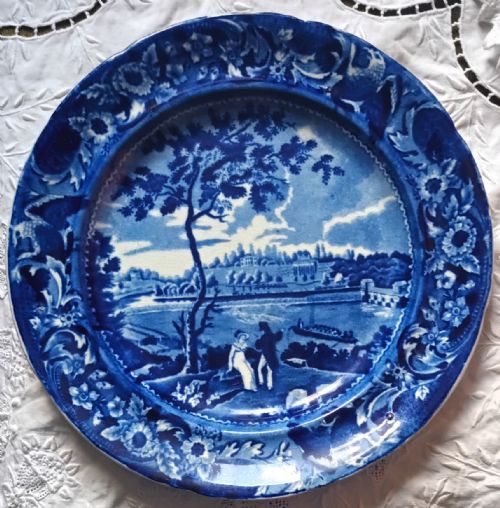
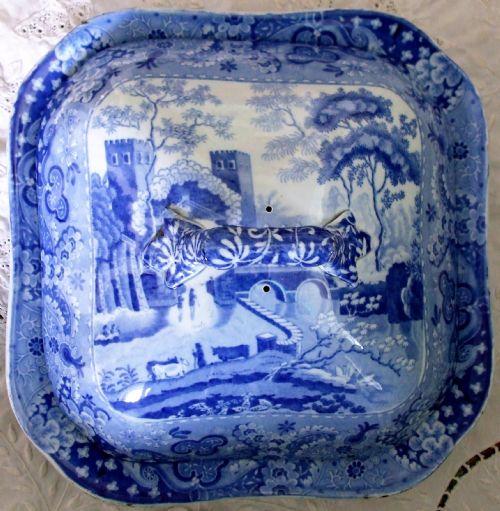
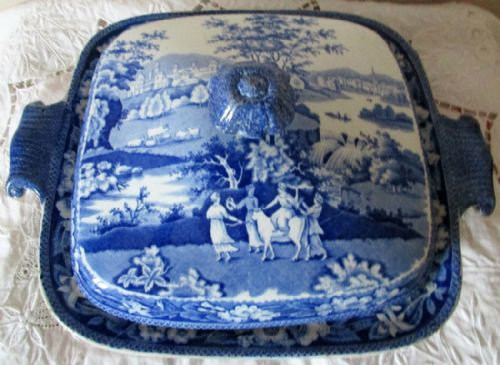
Buyers frequently encounter blue and white transfer-printed dishes depicting topographical scenes, classical ruins and chinoiserie patterns. Alongside these lie hand-painted wares, lustre jugs and moulded earthenwares that capture the everyday tastes of the era.
Materials and methods
Potters produced these pieces using a refined earthenware body that incorporated small amounts of cobalt into the transparent glaze to mask the natural cream colour of the fired clay. This glaze application created the characteristic pale blue pooling that defines genuine examples.
Decoration relied heavily on underglaze blue transfer printing pulled from copper plates, alongside hand-applied enamel colours, sponge decoration and metallic lustre additions. Artisans also utilised moulded reliefs, such as cabbage leaf patterns and figural modeling, before firing the pieces in kilns.
Listings feature earthenware and pearlware forms spanning the late eighteenth century through the Regency period.
Assessing quality and execution
Quality in these ceramics rests on the crispness of the transfer printing, the delicacy of the modeling in figural groups, and the control shown in hand-painted enamel highlights. Finer pieces maintain sharp lines in their printed scenes and balanced proportions in moulded forms.
The depth and evenness of the glaze pool also indicate the maker's skill, distinguishing carefully potted tableware from utilitarian output. Additionally, the clarity of impressed or painted maker marks adds distinction to specific factory attributions.
Spode·J. and R. Clews·John and Richard Riley·Stubbs·John Rogers and Son·Sewell
The English Pearlware Pottery Glossary
- Pearlware
- A refined earthenware developed by Josiah Wedgwood and adopted widely by other potteries, featuring a whitish body under a slightly blued lead glaze.
- Transfer printing
- A decoration technique where an engraved copper plate transfers a design onto tissue paper, which is then stamped onto the ceramic body before glazing.
- Frog mug
- A drinking vessel featuring a small ceramic frog moulded inside the base, designed to surprise the drinker as the liquid drained.
- Lustreware
- Pottery decorated with a metallic film that produces an iridescent sheen, often applied in copper, silver or pink tones during an additional low-temperature firing.
- Prattware
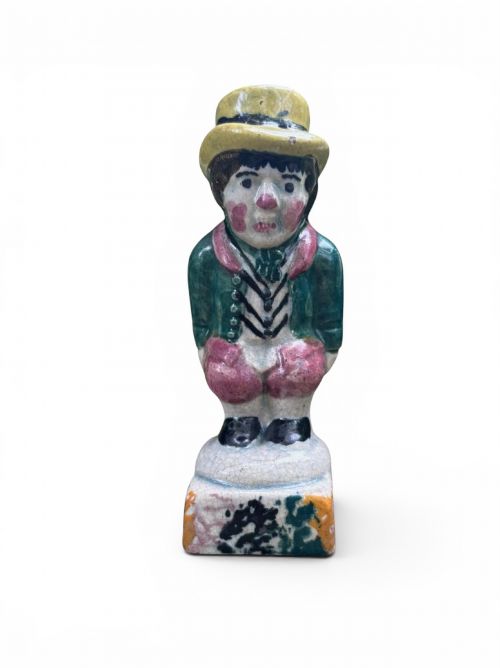
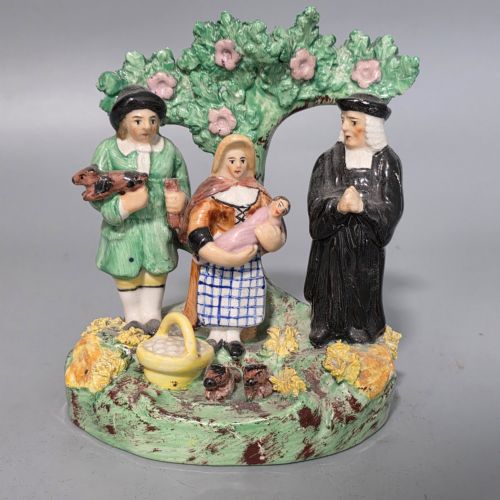
- Earthenware decorated under the glaze with typical muted oxide colours like blue, ochre, green and brown, frequently used for figures and jugs.
English Pearlware Pottery: Frequently Asked Questions
How do I spot genuine pearlware?
Authentic pieces generally show a subtle bluish pooling of the glaze around handles, rims and foot rings where the liquid accumulated before firing. Examining the weight, paste and underglaze decoration helps confirm the period.
Fakes and later reproductions lack the specific handling marks and chemical composition of late eighteenth and early nineteenth-century earthenware bodies.
What is the blue tint on pearlware?
Potters added small amounts of cobalt oxide to the transparent lead glaze to counteract the yellowish hue of the fired clay body. This resulted in a cleaner, whiter appearance that imitated Chinese export porcelain.
The tint settles most visibly in recessed areas, providing a reliable diagnostic feature for collectors.
How were transfer printed scenes made?
Engravers etched intricate designs onto copper plates, which were then inked and transferred onto thin paper sheets. Artisans pressed these paper sheets onto the biscuit fired clay to leave the ink impression before glazing and final firing.
This method allowed potteries to mass-produce detailed topographical and narrative patterns with remarkable consistency.
Can I use pearlware for dining?
While these items served as functional tableware during the Georgian period, historic ceramics require careful handling today. Age, historical wear and potential lead content in the glaze make modern use inadvisable.
Collectors generally display and preserve these pieces rather than returning them to active service at the dining table.