
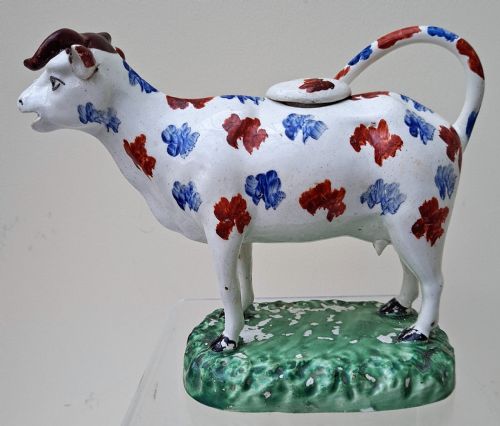


Georgian Pearlware Pitcher
A georgian pearlware pitcher brings robust earthenware utility and early ceramic artistry to the table, prized for distinctive glaze effects and vivid folk narratives.
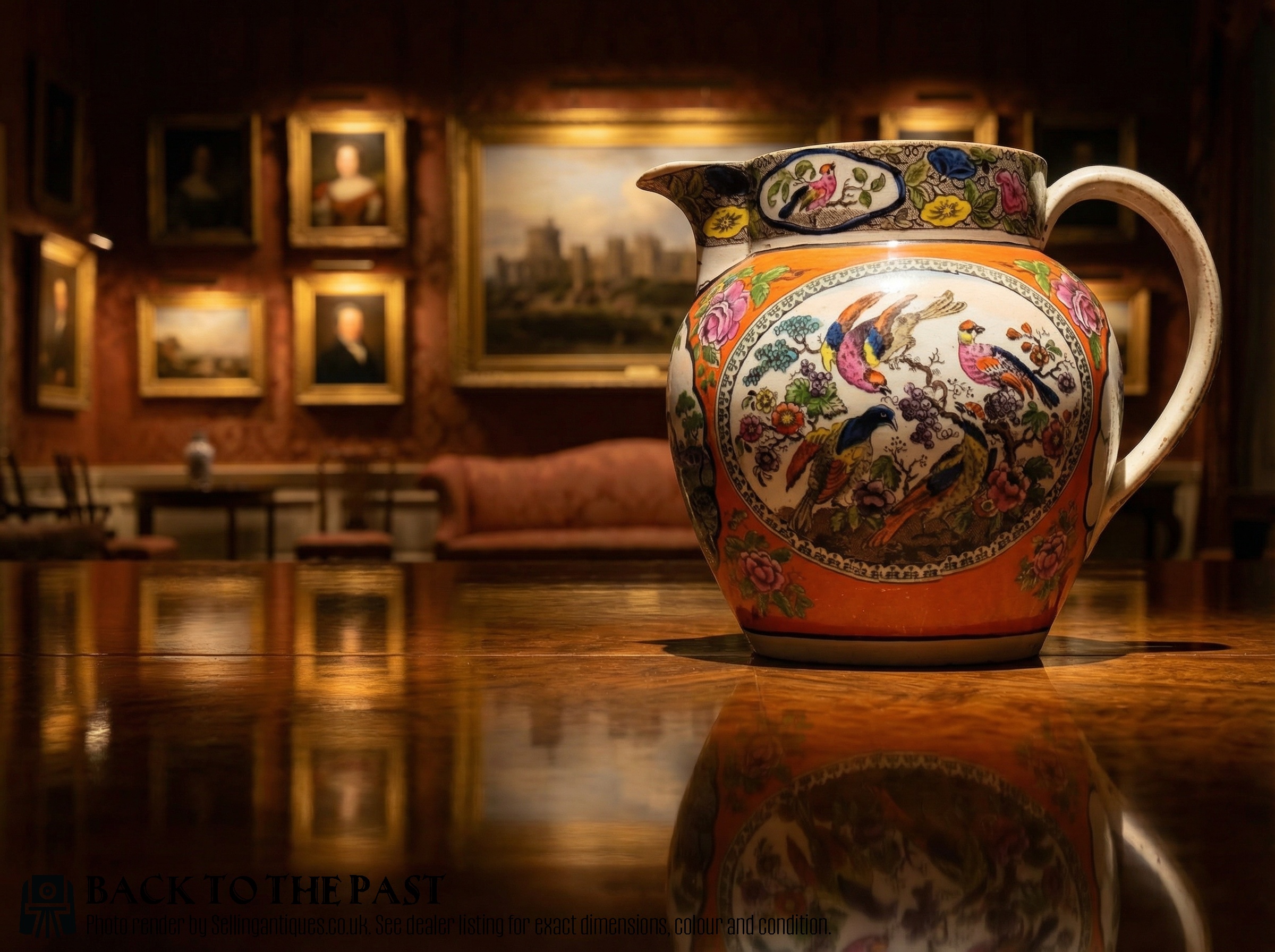
Georgian Pearlware Pitcher
When you search for a georgian pearlware pitcher, you encounter domestic pottery forms spanning the late eighteenth century through the early nineteenth century. These vessels range from everyday jugs and creamers to characterful Toby jugs, cow creamers, and large Sunderland lustre presentation pieces.
The objects appearing on this page originate primarily from English and Welsh workshops, including regional Staffordshire and Yorkshire traditions. Common functional forms include Dutch jugs, cabbage leaf moulded pitchers, and narrative pieces featuring poetic panels or transfer decoration.
The dominant aesthetic combines the refined pale body of pearlware ceramic with robust folk art character. Collectors seek these pieces to capture a tangible domestic history rooted in Georgian daily life and early industrial pottery production.
How they were made
Potters built these vessels using earthenware clay bodies finished with a subtle bluish glaze that distinguished pearlware from earlier creamware. Artisans utilised cabbage leaf moulding to create raised botanical textures on the body of the pitcher.
Decoration relied heavily on metallic lustre glazes, enamel pigments, and purple transfer printing to apply poetic panels and pictorial scenes. Workshops shaped specialised forms like cow creamers and Toby jugs through intricate hand modelling combined with press moulding techniques.
A cow creamer forces you to pour cream directly from an animal's mouth while gripping its tail.
What varies in quality
Quality in a georgian pearlware pitcher depends on the crispness of the moulded detail and the control of the glaze application. Pieces featuring sharp cabbage leaf moulding or carefully struck transfer decoration stand apart from simpler utilitarian wares.
The depth and brilliance of the metallic lustre glaze and the finesse of hand painted enamel details distinguish standard production items from exceptional artistic examples. The complexity of the form, such as multi figure bull baiting scenes or detailed character jugs, also elevates the standing of a piece.
The Georgian Pearlware Pitcher Glossary
- Pearlware
- A refined earthenware ceramic developed by British potters to rival porcelain by using a subtle cobalt additive in the glaze to create a bluish-white appearance. This material serves as the foundational body for the pitchers found in this category.
- Lustre Glaze
- A metallic surface treatment applied to ceramics to produce a reflective, iridescent sheen. Potters frequently utilised copper or silver metallic compounds to achieve this distinctive metallic finish on presentation jugs.
- Transfer Decoration
- A mechanical printing method that applied complex pictorial or textual designs onto ceramics using an engraved copper plate and tissue paper. This technique allowed workshops to produce detailed poetic panels and narrative scenes consistently.
- Cow Creamer
- A hollow ceramic vessel in the form of a cow, designed to dispense milk or cream from its mouth while the user lifted the tail as a handle. These whimsical forms frequently appeared in Welsh and Staffordshire potteries.
- Toby Jug
- A pottery jug fashioned as a stout, jovial man wearing eighteenth-century attire, typically holding a mug of beer or a pipe. These character jugs combined sculptural modelling with functional pouring utility.
Georgian Pearlware Pitcher: Frequently Asked Questions
What is a pearlware pitcher?
A pearlware pitcher is a ceramic vessel made from refined earthenware and finished with a characteristic bluish-white glaze during the Georgian period.
These pieces encompass utilitarian jugs, decorative creamers, and commemorative lustreware featuring transfer printed or hand painted designs.
How were these jugs used?
Historically, these pitchers served practical roles in domestic settings for pouring milk, cream, beer, or water at the table. Larger lustre examples often functioned as commemorative display pieces or presentation items celebrating specific poems or sentiments.
Today, collectors primarily display them as decorative historical objects rather than utilising them for daily service.
How do I date a pearlware pitcher?
Dating relies on examining the characteristics of the ceramic body, the tint of the pearlware glaze, and the specific style of decoration. Earlier pieces from around 1790 often feature organic moulded motifs like cabbage leaves, while 1830 examples frequently incorporate purple transfer printing and metallic lustre.
Comparing the form and manufacturing technique against documented regional styles helps narrow the production window.
Where were these pitchers made?
The majority of these pieces originated in the prolific pottery districts of Staffordshire and Yorkshire, which served as the manufacturing hubs of Georgian ceramics. Regional potteries in Wales also produced distinct figurative forms such as cow creamers.
Local workshops developed their own variations in moulding, glazing, and decorative subject matter.