

Antique Floral Water Pitcher
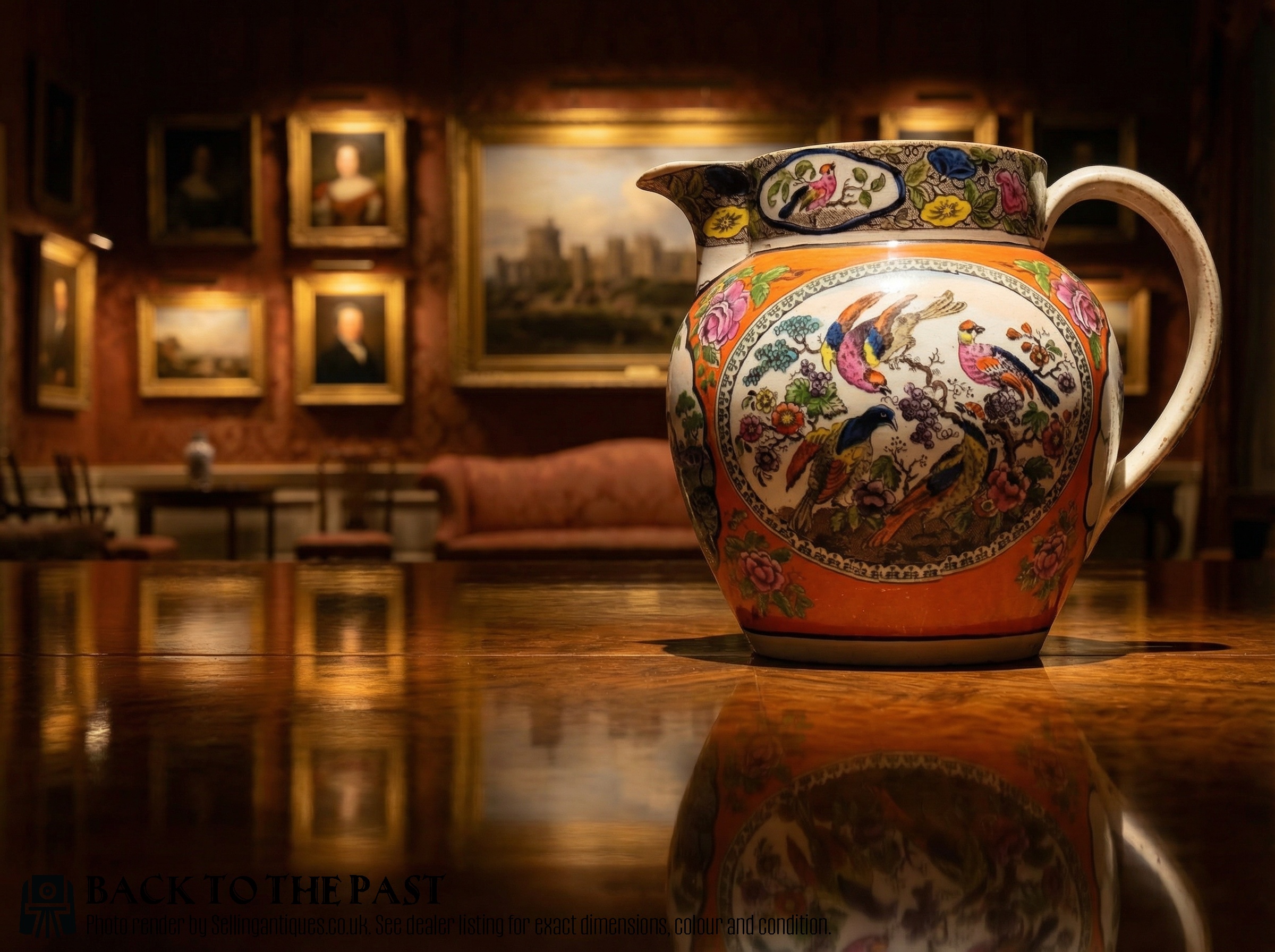
An antique floral water pitcher brings utility and hand-painted charm into daily rooms, spanning earthenware, porcelain, and copper.

Antique Floral Water Pitcher
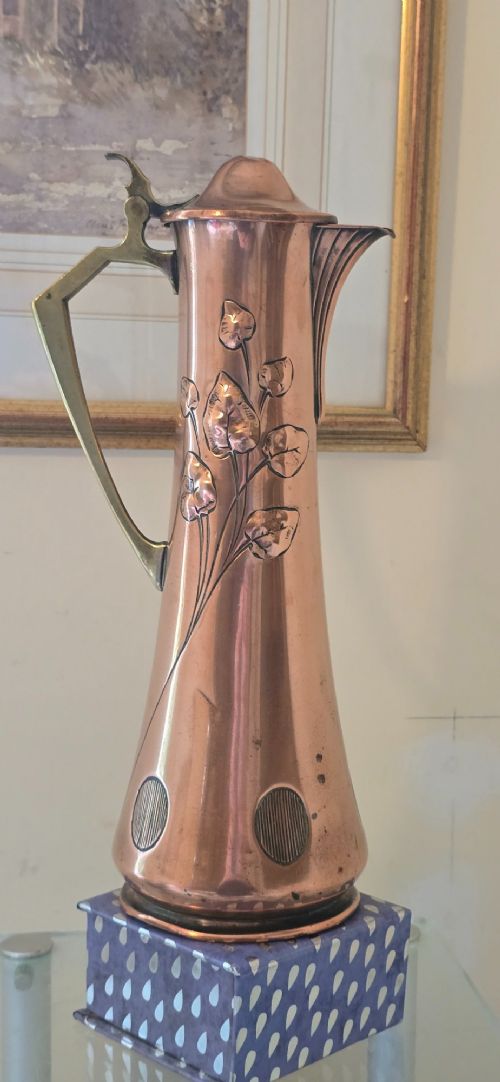
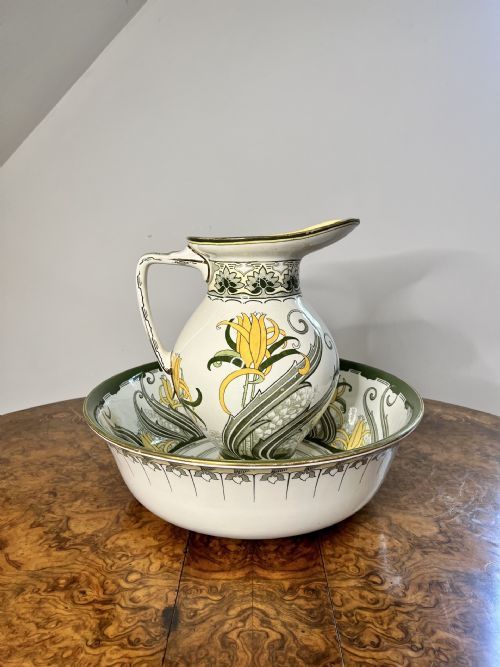
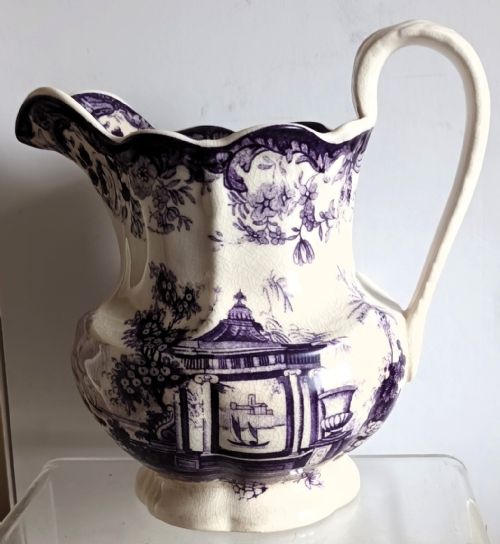
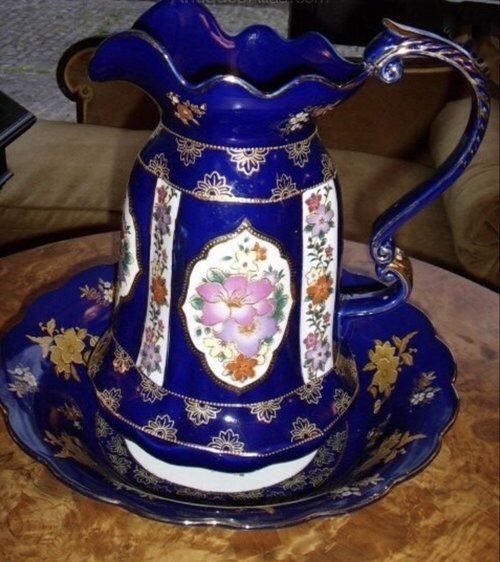
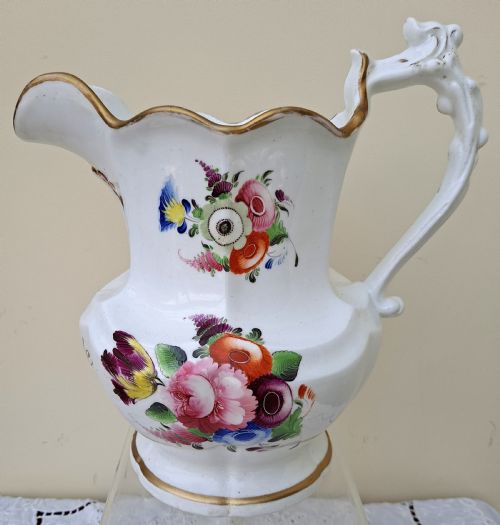
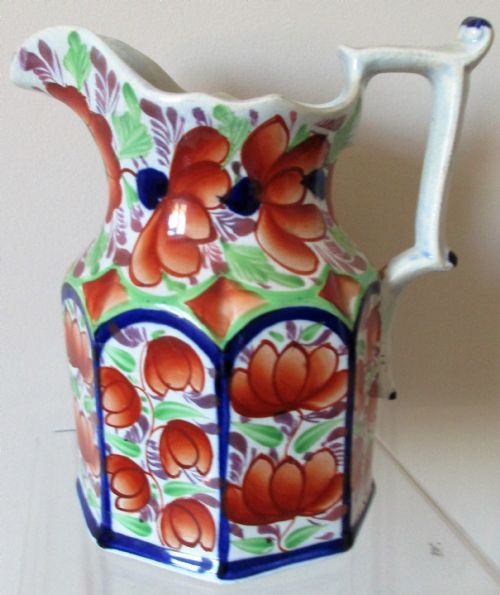
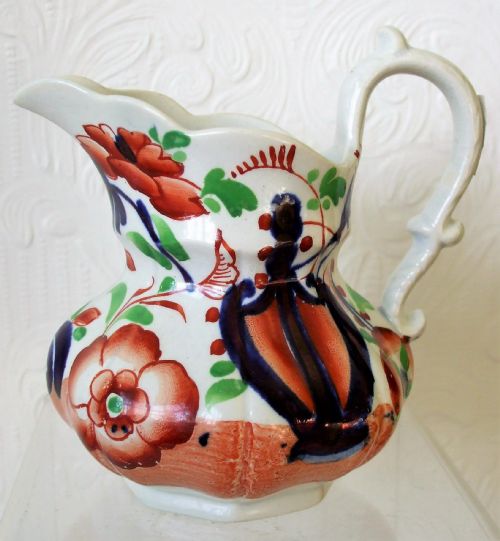
An antique floral water pitcher functions primarily as a vessel for liquid or washing, appearing across various forms including standalone jugs, ewers, and parts of large jug and bowl sets. When searching for an antique floral water pitcher, a buyer encounters domestic vessels produced during the Victorian, Edwardian, and Georgian periods, alongside pieces from around nineteen hundred.
The evidence shows these objects taking shape as earthenware, porcelain, and copper vessels, frequently decorated with hand-painted or transfer-printed floral patterns. Makers such as Royal Worcester, Mason's Ironstone, and Doulton Burslem produced these utilitarian and decorative items across the nineteenth and early twentieth centuries.
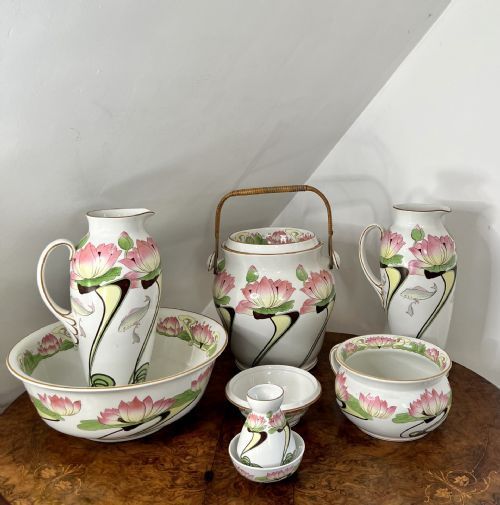
Most specimens on this page emerge from Victorian and Edwardian domestic settings, often surviving as individual jugs or complete wash sets with matching basins. These items reflect the domestic hygiene and decorative standards of their eras, utilising ceramic glazes and metallic finishes to display botanical motifs.
How They Were Made
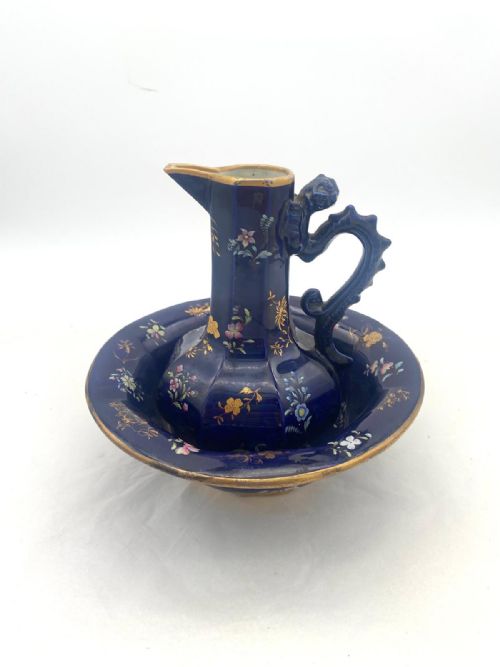
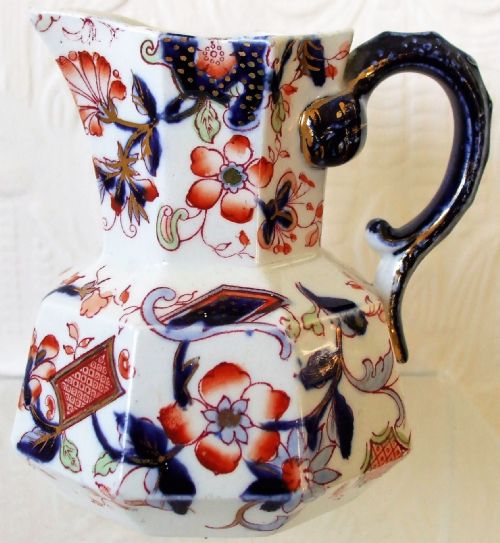
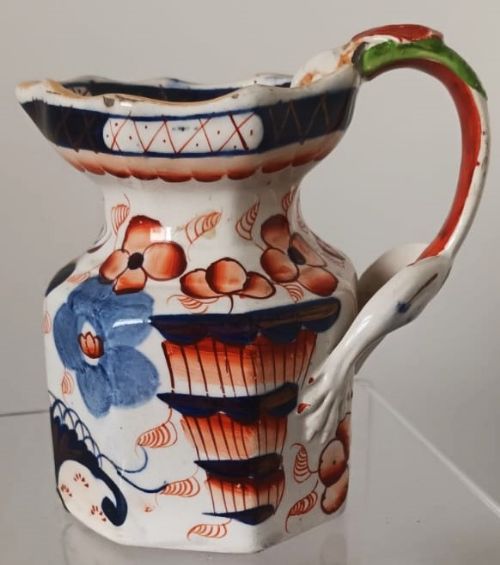
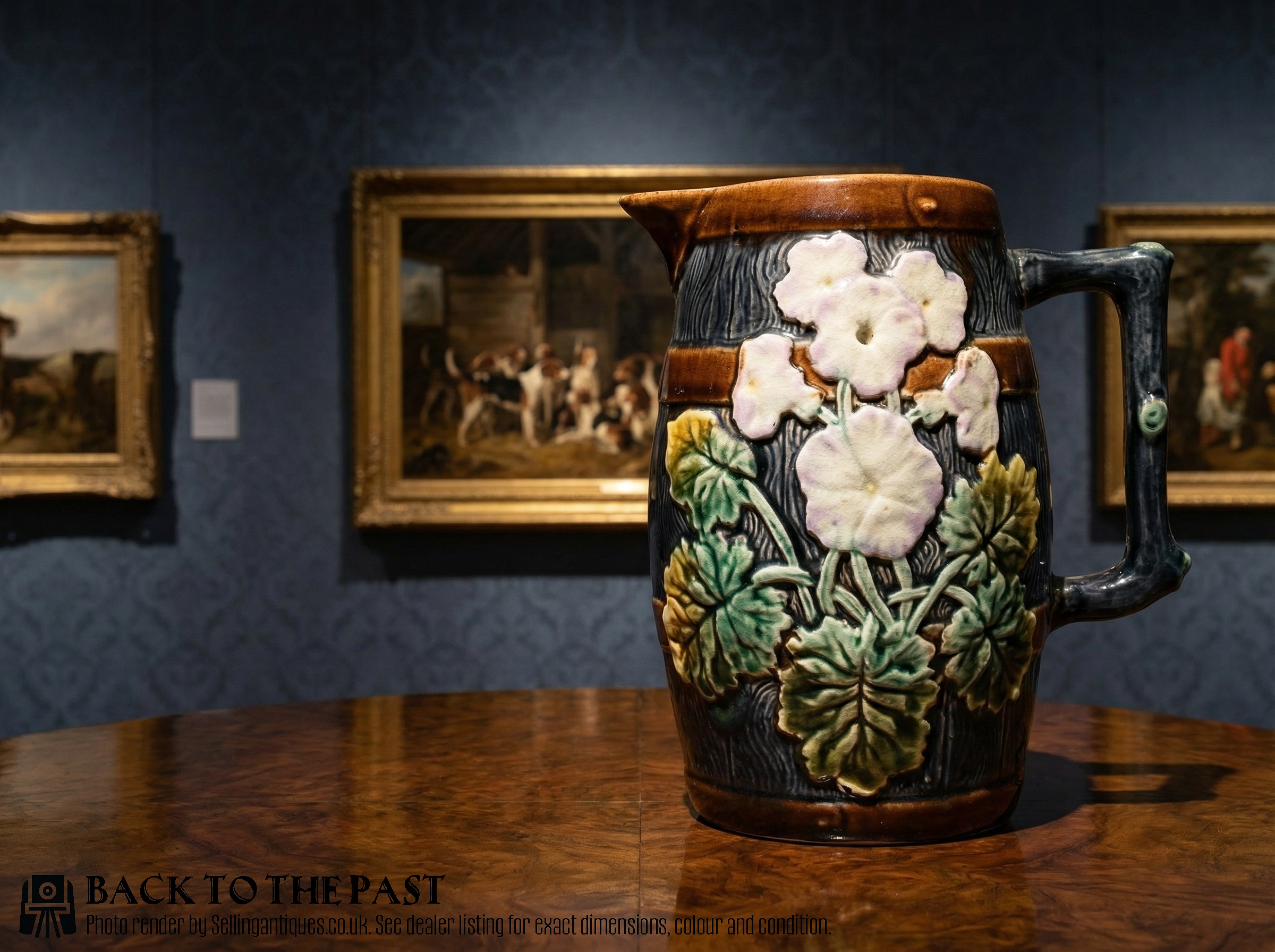
Potters shaped these vessels from earthenware, ironstone, and porcelain, frequently employing moulds such as cabbage leaf designs or octagonal forms before applying glaze. Cobalt blue glazes, enamel paints, and transfer printing brought botanical and floral motifs onto the ceramic surfaces.
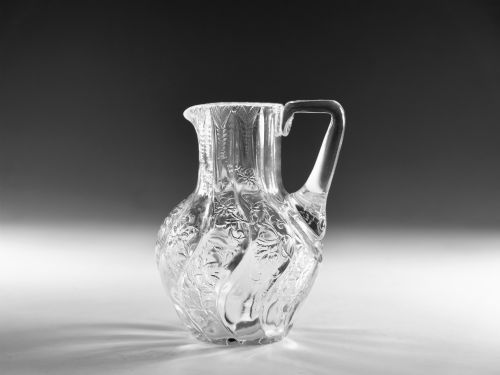
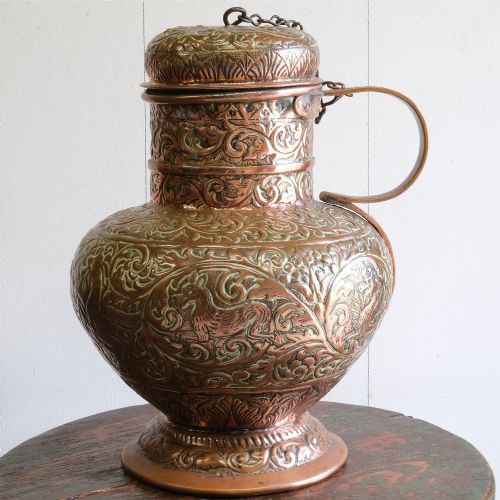
Metal versions utilise copper, brass, and silver plate, shaped with raised floral relief or hand-engraved details and sometimes paired with woven handles. Glass pieces incorporate enamel painting and gilding directly onto the blown material.
Factories utilised specialised marks, such as puce stamps on porcelain or patent stamps on ceramic bodies, to indicate the origin and period of manufacture.
Some Victorian jugs double as fierce-looking dragons, using mythical hydra heads and scaly bodies just to serve water at breakfast.
What Varies In Quality
Quality rests on the crispness of moulding and the skill behind hand-decorated floral motifs, distinguishing factory standards across periods. Pieces bearing recognised factory marks or specific named patterns show superior artistic oversight during production.
Material choice and finishing methods determine durability and aesthetic depth, separating standard earthenware from refined porcelain or heavy copper relief work. The preservation of delicate hand-painted enamel, gold leaf, and cobalt glaze integrity preserves the piece's original visual impact.
WMF·Stevens and Williams·Doulon Burslem·Masons Ironstone·Keeling and Co·Joseph Sankey·Royal Worcester·Caughley Coalport·Christofle
The Antique Floral Water Pitcher Glossary
- Earthenware
- A porous pottery fired at lower temperatures, commonly used for utilitarian jugs and pitchers. It requires a vitreous glaze to hold water effectively.
- Ewer
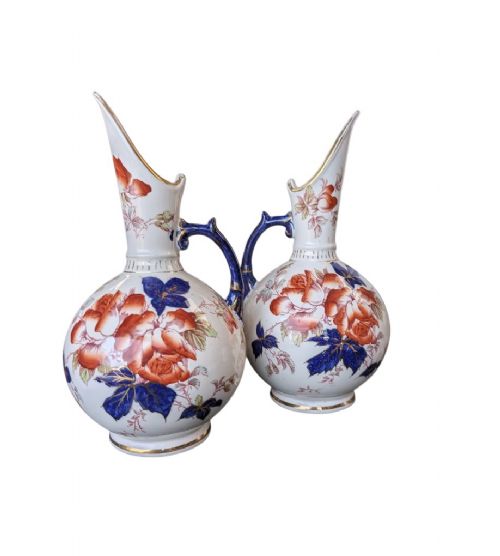
- A large pitcher with a wide spout and flared base, traditionally used for washing alongside a matching basin. These decorative vessels often display prominent handles.
- Transfer Printing
- A method of applying pre-printed patterns onto ceramics from an engraved copper plate using tissue paper. This technique allowed consistent floral and landscape designs across multiple vessels.
- Copper Lustre
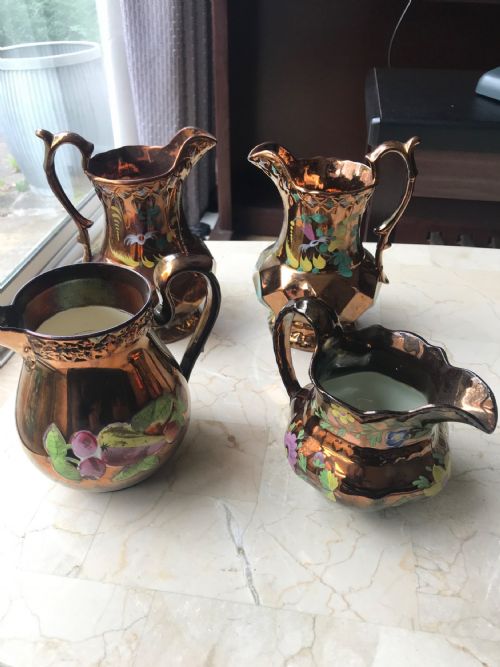
- A metallic glaze technique producing a reflective, iridescent surface finish on pottery. Staffordshire pieces frequently utilised this finish alongside hand-decorated fruit and floral bands.
- Pearlware
- A refined fine earthenware developed in the late eighteenth century featuring a thin bluish glaze that pooled in recesses. It bridges the gap between creamware and true porcelain.
Antique Floral Water Pitcher: Frequently Asked Questions
How were water pitchers used?
These vessels served daily washing and serving needs in bedrooms and dining spaces before modern indoor plumbing became universal. They held water for hand washing or table use, often paired with a matching basin.
Larger examples functioned as bedroom wash set components, while smaller jugs handled table service or milk and water duties.
Are these pitchers waterproof?
Most ceramic and metal examples retain their ability to hold water safely for display or light domestic use. Glazed earthenware and porcelain form impermeable barriers against liquid.
Earthenware pieces with minor hairline cracks require care to prevent seepage during use.
How do I clean an antique jug?
Gentle washing with warm water and mild soap maintains the glaze and hand-painted or gilded decorations. A soft cloth prevents scratching on delicate enamel surfaces.
Harsh chemical cleaners and abrasive scouring pads damage historic copper patinas and ceramic glazes.
How do I identify the period?
Makers' marks stamped or painted on the base offer direct evidence of the manufacturing era and pottery origin. Style indicators like Art Nouveau organic lines or Georgian transfer patterns narrow down the date.
Body materials such as pearlware point toward the late eighteenth century, while porcelain puce marks indicate Victorian production.