
Antique Earthenware Jug
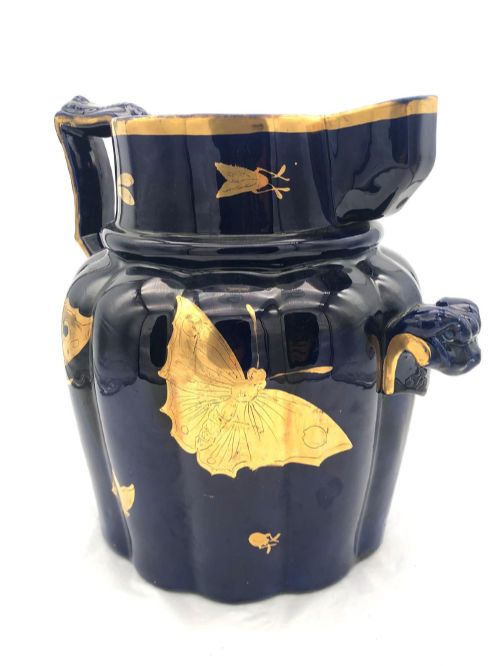
An antique earthenware jug brings tactile weight and narrative decoration to a room, ranging from robust Georgian transferware to vibrant Victorian majolica.
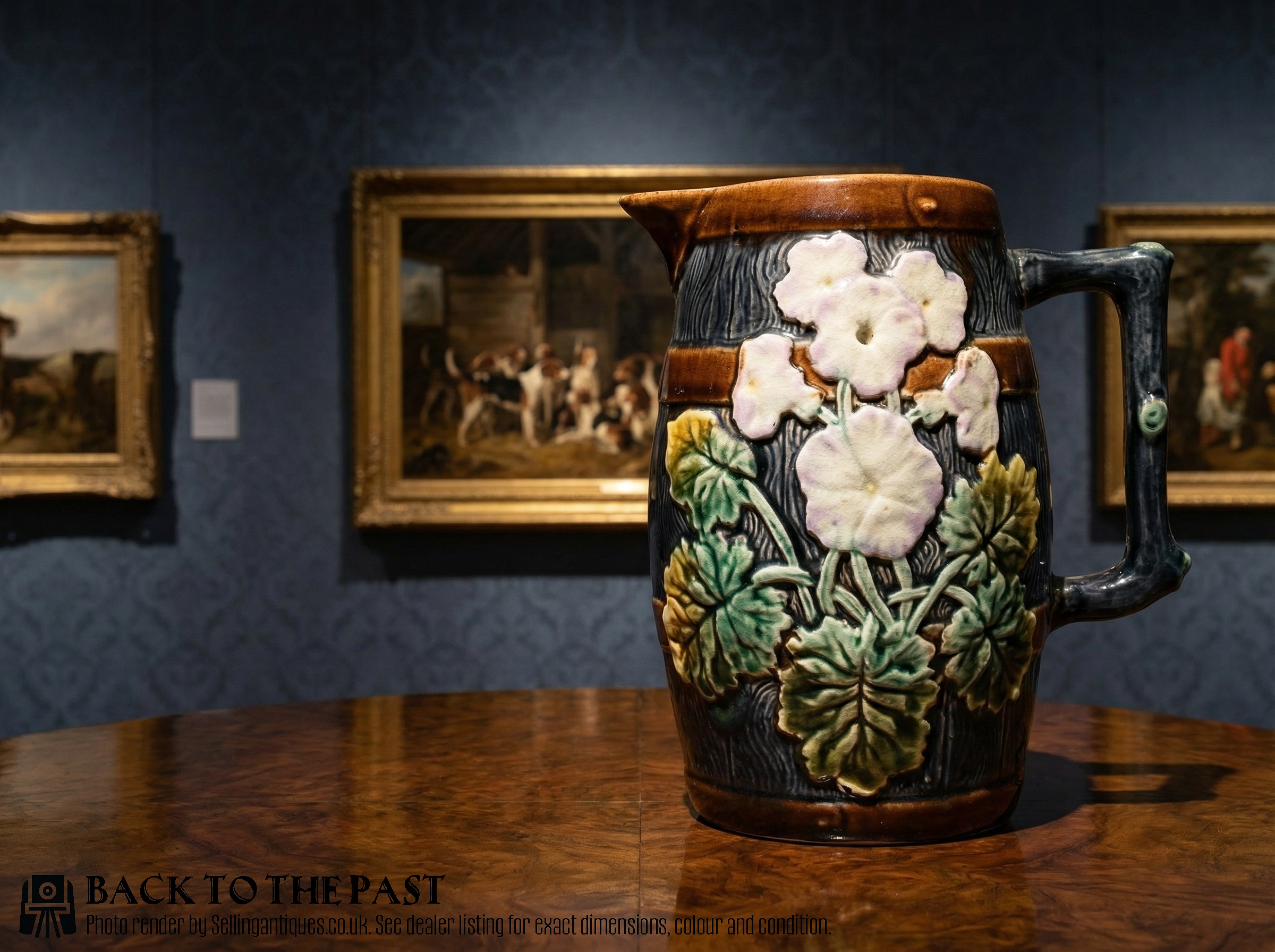
Antique Earthenware Jug
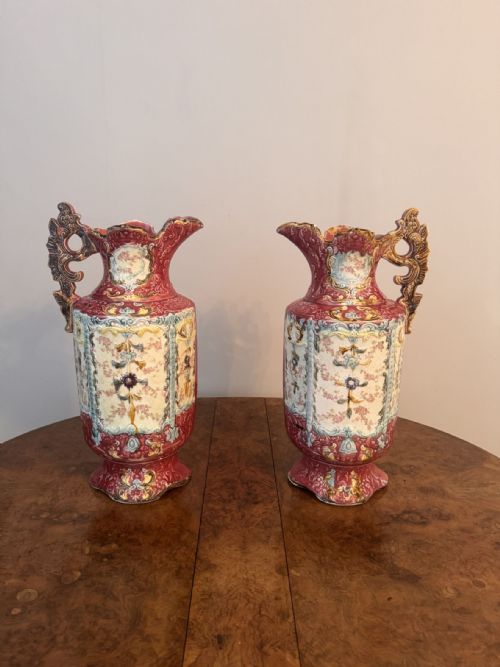
An antique earthenware jug encompasses porous ceramic vessels shaped for pouring liquids, spanning utilitarian pitchers and decorative display pieces. Collectors encounter forms ranging from hefty Georgian creamware jugs to ornate Victorian majolica ewers and Toby jugs.
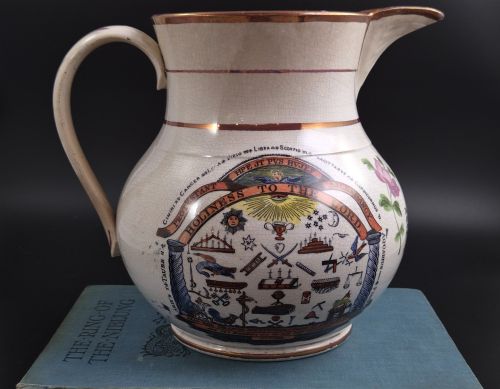
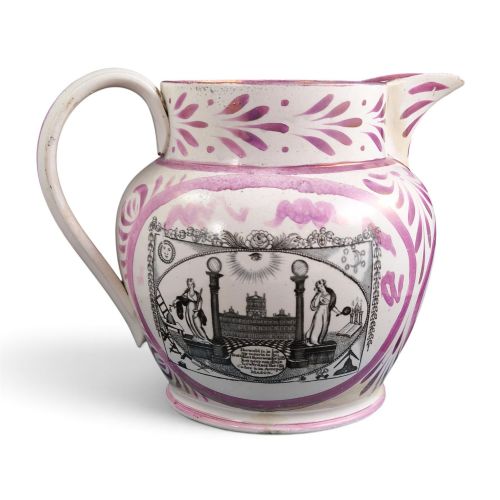
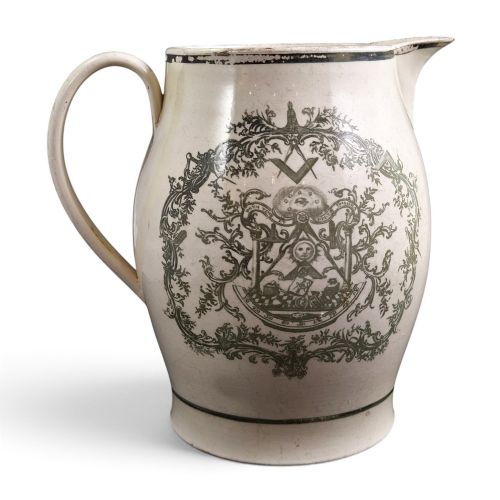
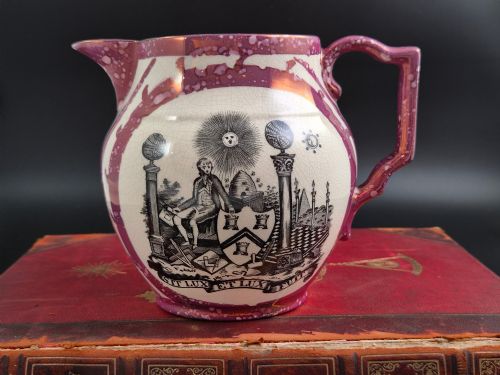
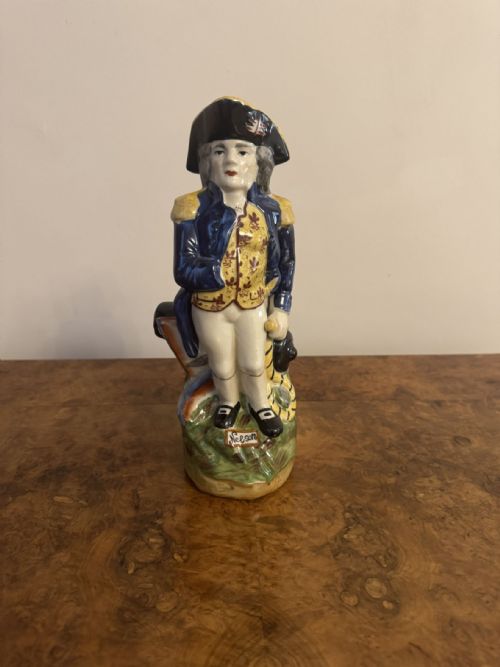
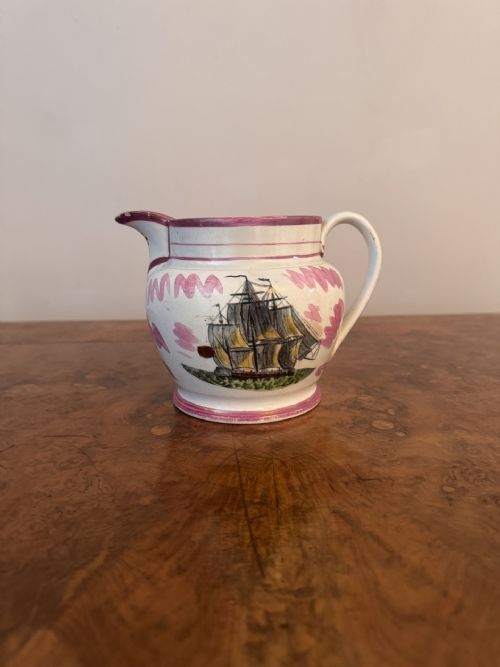
The material profile covers standard earthenware, creamware, and tin glaze, decorated through transfer printing, hand-painting, and metallic lustre. These pieces frequently celebrate maritime themes, masonic symbols, historical figures, or botanical patterns.
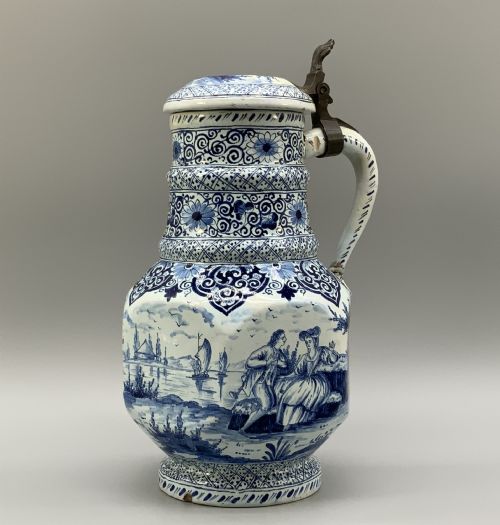
Origins stretch across English potteries in Staffordshire and Sunderland, alongside Dutch Delftware production centres and continental workshops. Examples date primarily from the eighteenth and nineteenth centuries, reflecting domestic pouring habits and commemorative traditions.
Materials and construction methods
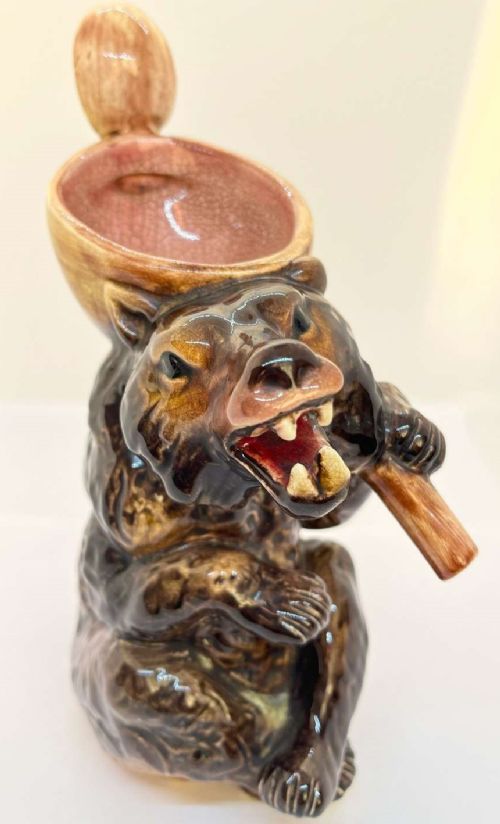
Potters shaped porous earthenware bodies on the wheel or pressed clay into moulds to achieve figural forms like cow creamers and Toby jugs. Firing set the clay before artisans applied tin glaze, creamware slips, or metallic lustre coatings.
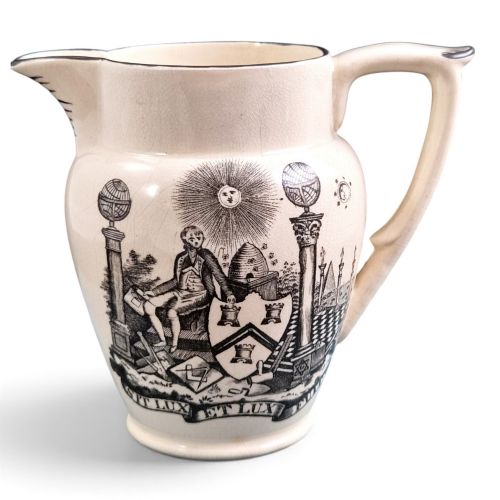
Decoration relied on hand-painted polychrome enamel, transfer printing in black, blue, or magenta, and rich coloured glazes. Some pieces incorporated pewter lids hinged to the upper handle for practical beverage service.
Secret puzzle jugs baffle drinkers by featuring hidden perforations in the neck that spill ale unless covered with a thumb.
Assessing craftsmanship and finish
Quality rests upon the crispness of transfer-printed details and the depth of hand-painted polychrome enamels. Superior items exhibit smooth glaze coverage, balanced proportions, and well-defined relief moulding on figural and majolica pieces.
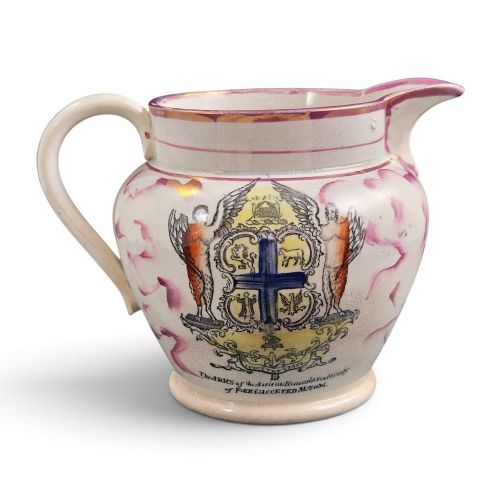
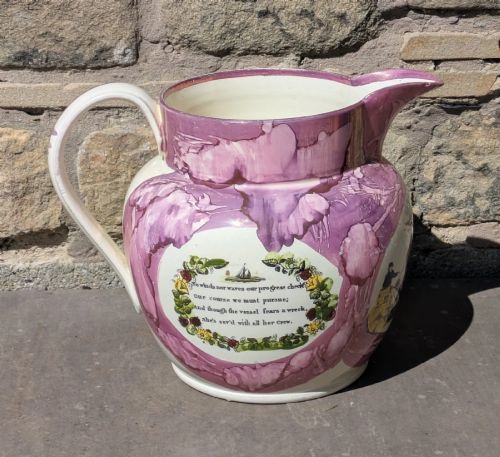
The complexity of the narrative design and the vibrancy of lustre effects separate standard utility vessels from exhibition-grade commemorative pieces. Intricate additions such as pewter lidded mounts or multi-layered pink splash lustre indicate higher manufacturing ambition.
Garrison Pottery·Minton·Cantagalli Florence·Keeling & Co.
The Antique Earthenware Jug Glossary
- Creamware
- A refined light-coloured earthenware developed in eighteenth-century England. Its pale yellow tone served as a smooth canvas for transfer-printed designs.
- Lustre
- A metallic glaze technique imparting a reflective sheen to the ceramic surface. Pink splash and copper variants appear frequently on Sunderland pieces.
- Transfer printing
- A method of applying engraved paper designs to pottery using metallic oxides. This technique allowed intricate historical scenes and masonic emblems to be replicated reliably.
- Toby jug
- A pottery pitcher modelled as a stout seated eighteenth-century figure holding a mug and jug of beer. These character vessels served both functional and humorous display roles.
Antique Earthenware Jug: Frequently Asked Questions
What were antique earthenware jugs used for?
These vessels functioned primarily for pouring liquids such as water, milk, or beer during domestic meals and social gatherings. Many examples also served commemorative roles, recording political loyalties, fraternal memberships, or maritime events.
Over time, utilitarian vessels transitioned into decorative display items, valued for their narrative transfer prints and sculptural forms on mantelpieces or dressers.
How do I distinguish Georgian from Victorian jugs?
Georgian pieces often feature restrained creamware bodies with delicate black or magenta transfer prints, reflecting neoclassical tastes. They tend to have simpler, functional silhouettes.
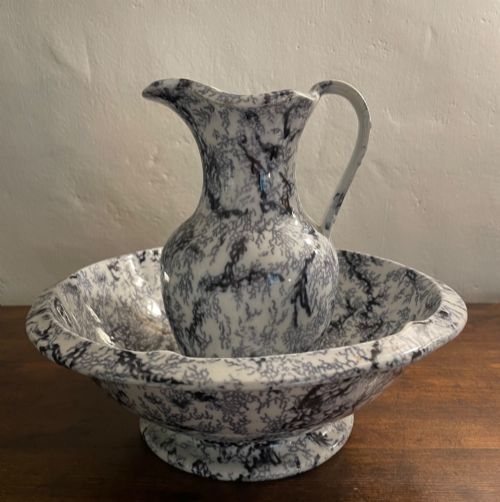
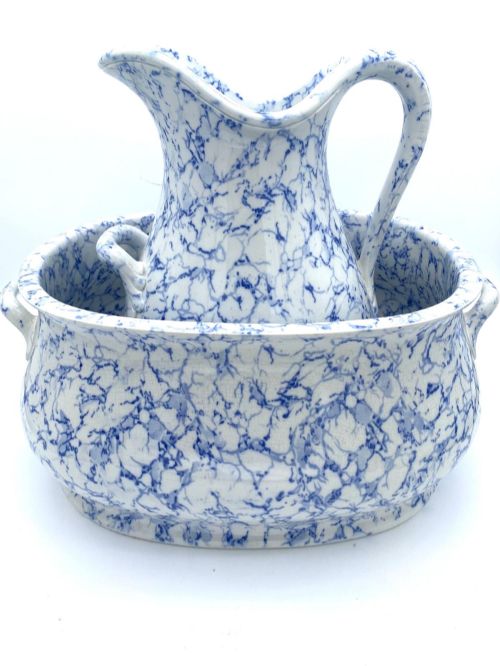
Victorian examples frequently display bolder colours, heavy relief moulding, and metallic lustre finishes. The era introduced vivid majolica glazes and figural Toby jugs alongside industrial flow blue patterns.
Can I use an antique jug for daily pouring?
Porous earthenware bodies and historic glazes require careful handling to prevent staining or crazing from liquids. Most collectors choose to display these vessels rather than subject them to modern washing routines.
If utilised, hand washing in lukewarm water without harsh detergents protects the fragile transfer prints and metallic lustre surfaces from wear.
What is Sunderland lustre pottery?
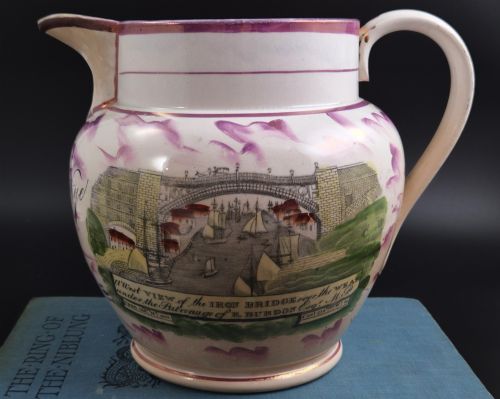
Sunderland lustre pottery originates from North East England potteries active during the nineteenth century. It is characterised by a distinctive pink metallic sheen created through chemical application during firing.
These jugs often feature multiple transfer prints depicting maritime themes, the Iron Bridge over the Wear, or masonic verses alongside pink splash decoration.