


19th Century Pottery
19th century pottery brings robust character to any interior through diverse functional vessels and expressive ceramic figures.
What 19th century pottery includes
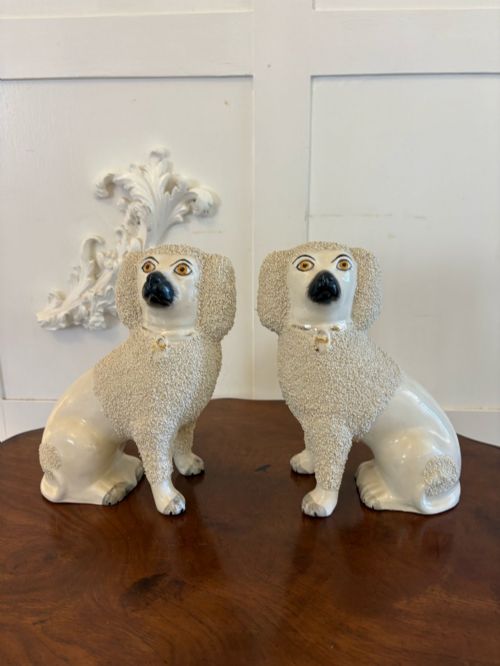
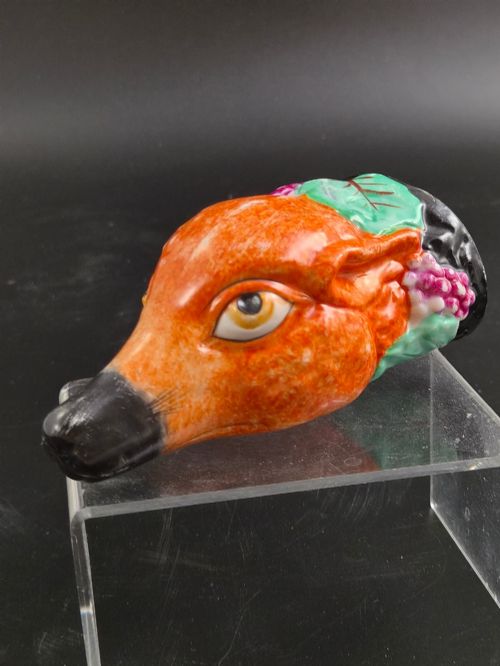
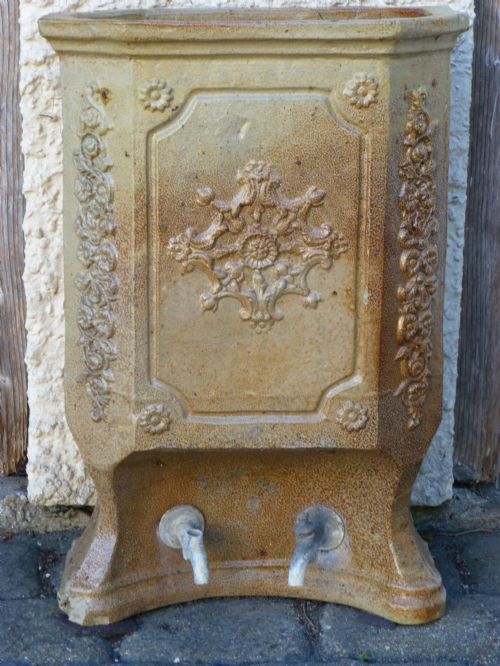
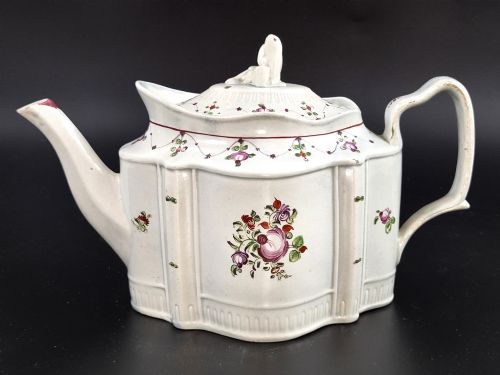
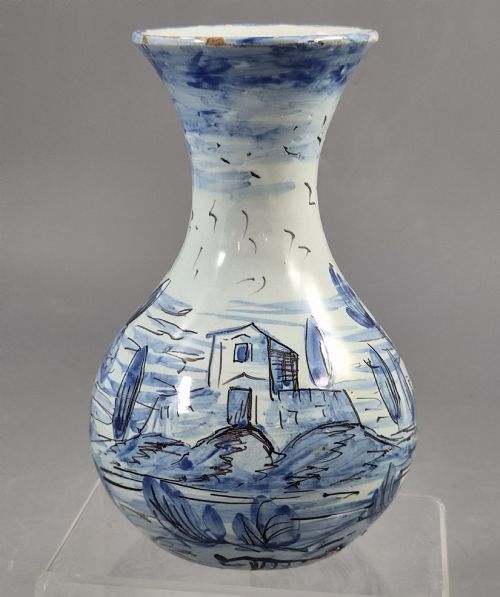
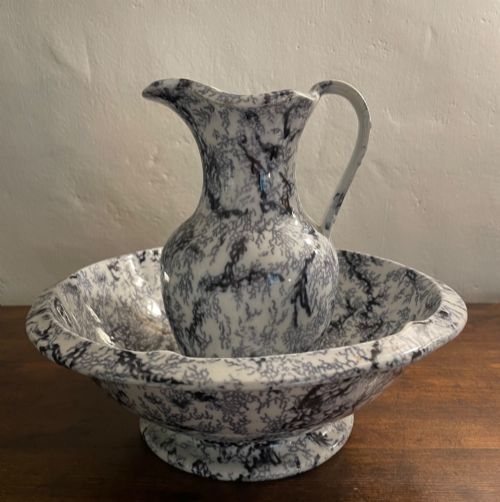
19th century pottery spans a remarkably broad assortment of domestic items, decorative figures and architectural elements created across Europe and beyond. Buyers encounter everything from utilitarian dairy vessels and spirit barrels to whimsical animal figurines and brightly painted jugs.
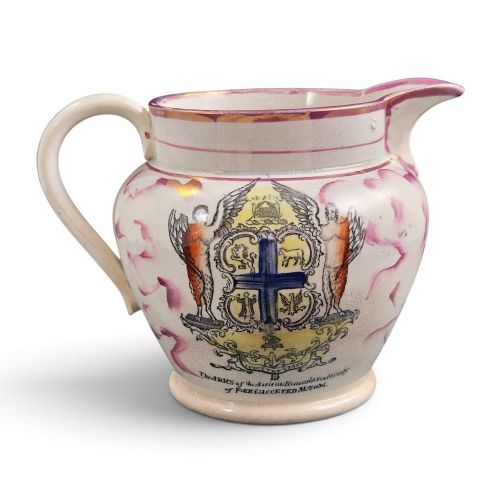
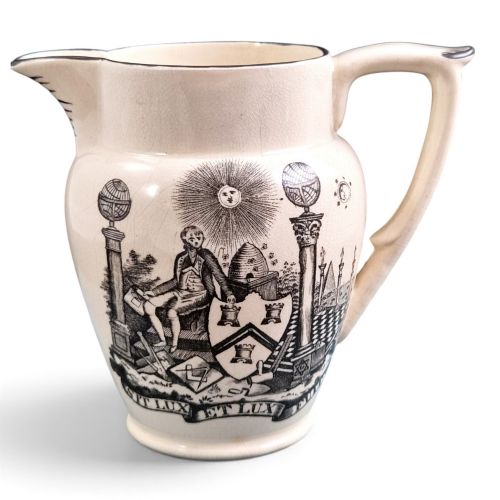
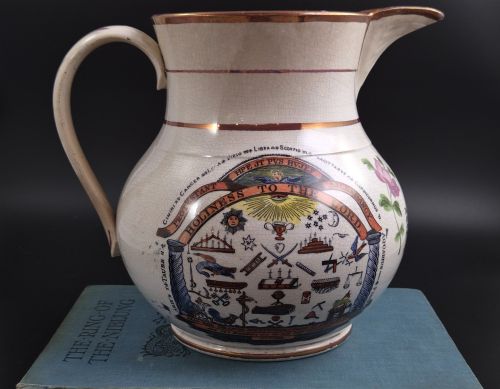
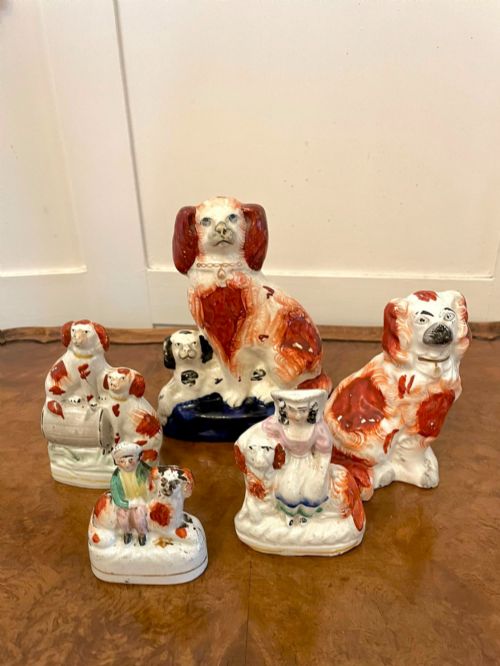
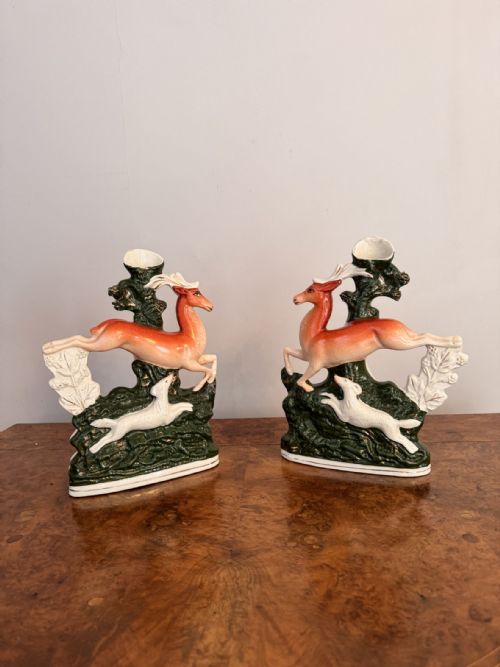
The pieces represented in current and archived selections heavily feature Staffordshire earthenwares alongside regional British wares such as Torquay and Gaudy Welsh. Continental pieces, Mediterranean folk art and occasional Asian vessels also appear, offering varied forms from jugs and mugs to large garden seats and foot baths.
Materials and construction
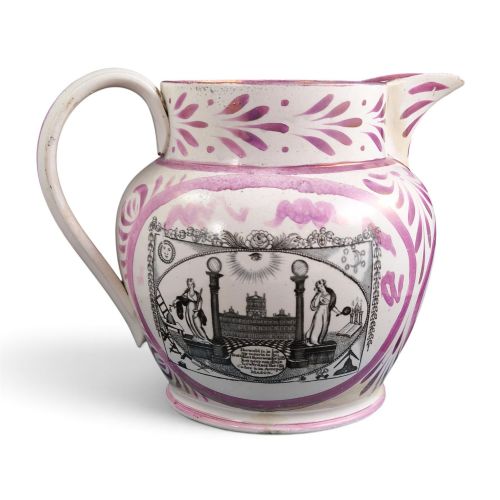
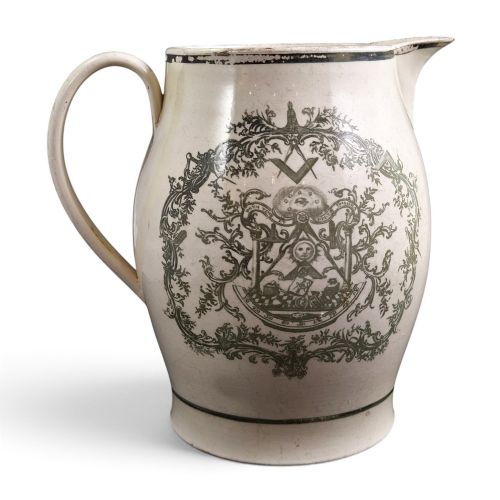
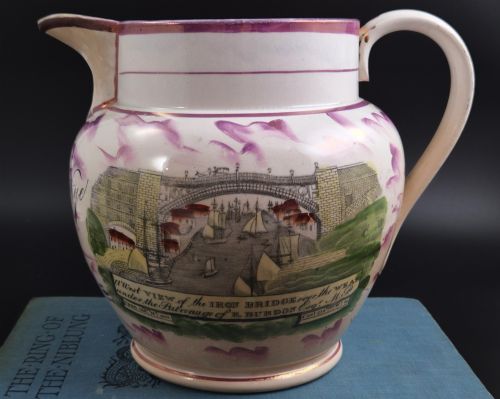
Makers utilised earthenware, pearlware, terracotta, clay and basalt, shaping them into functional and decorative forms on the potter's wheel or via moulds. Surfaces frequently received glazes, copper lustre, silver resist or transfer printing to add colour and pattern.
Hand-painted details appear across many items, from Mediterranean vessels to Staffordshire figures. Specialised techniques like encaustic work and tin-glazing also feature among the heavier service pieces and decorative bowls.
Retail Price Guide 2026
Typical UK retail prices for 19th century pottery, calculated from the Sellingantiques database of over a million retail prices indexed since 2003. This retail price guide relies exclusively on Sellingantiques data; no external sources or auction records are used, so the figures do not describe the wider market.
Current and past listings feature robust selections of earthenware, terracotta and pearlware spanning decorative vessels, figurines and utilitarian dairy items.
Markers of quality
Quality rests heavily on the crispness of moulded detail and the precision of hand-painted or transfer-printed decoration. Finer pieces maintain clean glaze coverage and balanced proportions without heavy distortion from the kiln.
Artistic expression distinguishes standard utility wares from superior display pieces, particularly in figurative subjects like animals or human figures where hand-modelling brings distinct personality.
The 19th Century Pottery Glossary
- Pearlware
- A refined earthenware developed with a bluish glaze that pools in crevices, appearing whiter than creamware.
- Transfer printing
- A decoration technique where an engraved metal plate transfers a design onto paper and then onto the pottery body.
- Copper lustre
- A metallic glaze finish imparting a coppery, reflective sheen to the surface of earthenware.
- Frog mug
- A drinking vessel featuring a small ceramic frog modelled inside, designed to surprise the drinker as the liquid lowers.
- Terracotta
- An unglazed or glazed fired clay body possessing a characteristic brownish-red earthy tone.
Frequently Asked Questions
How do I clean antique pottery safely?
Wash pieces gently by hand using lukewarm water and mild soap, avoiding abrasive scrubbers or soaking.
Dry them immediately with a soft cloth to protect aged glazes and painted surfaces.
Can I use these antique jugs for serving drinks?
Many historical jugs served functional purposes like holding water, milk or beer in period households.
Inspect the interior glaze and overall stability first, as hairline cracks or historic repairs make some items better suited for display.
What is Staffordshire pottery?
Staffordshire pottery refers to wares produced in the cluster of towns in Staffordshire, England, known for prolific ceramic manufacturing.
This tradition produced famous animal figures, spill vases and transfer-printed tableware found frequently in collections today.
How do I date 19th century ceramics?
Dating relies on identifying maker marks, stylistic traits, material types like pearlware versus later ironstone, and manufacturing techniques.
Comparing known archived pieces and decorative motifs helps narrow down the decade of creation.