




Antique Devotional Figure
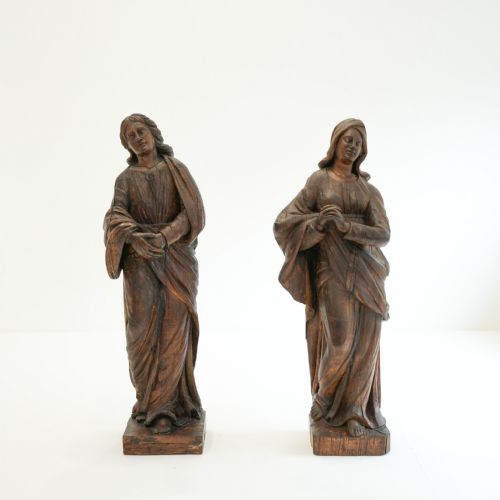
An antique devotional figure brings centuries of private worship into the room, most commonly found as a carved wooden saint or Madonna.
Antique Devotional Figure
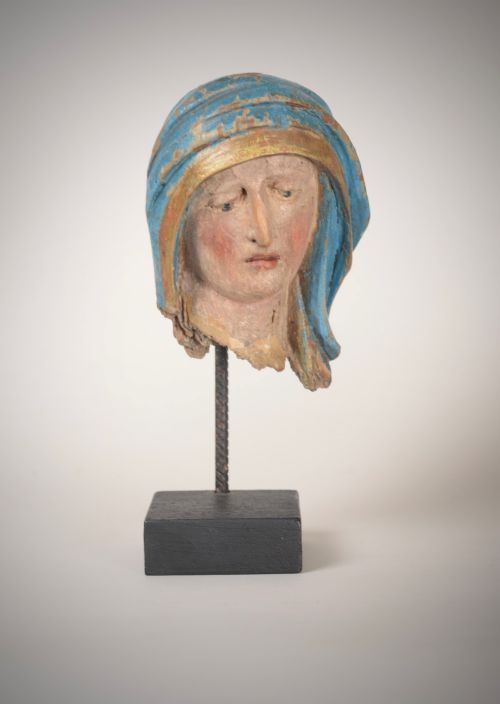
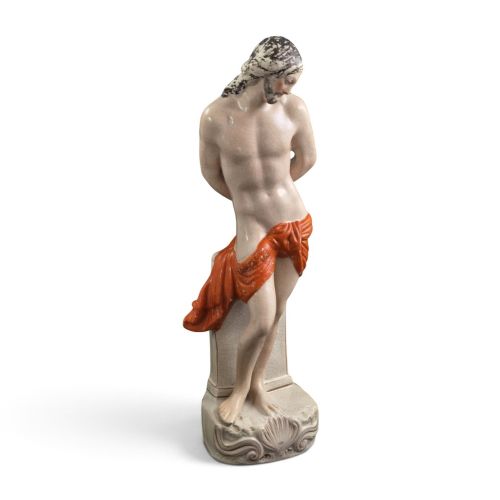
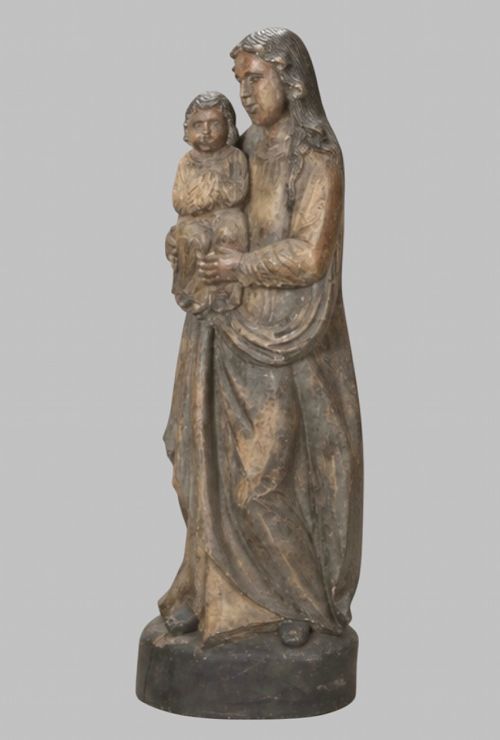
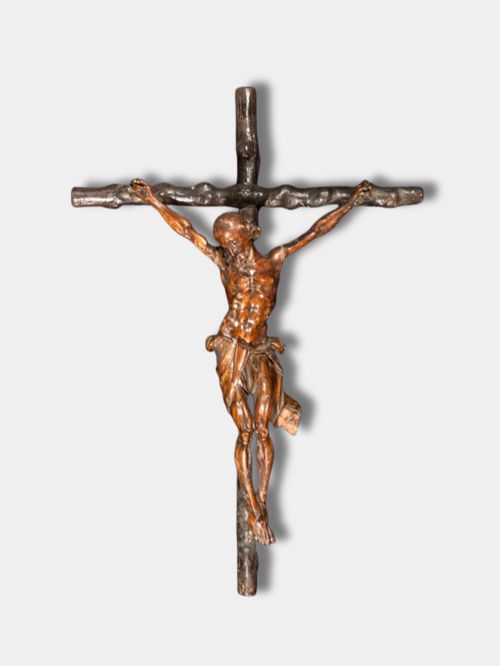
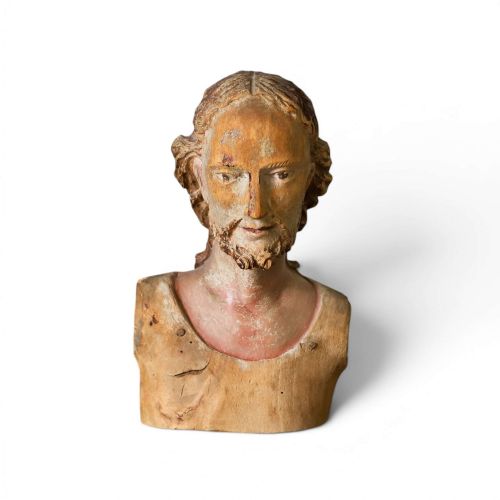
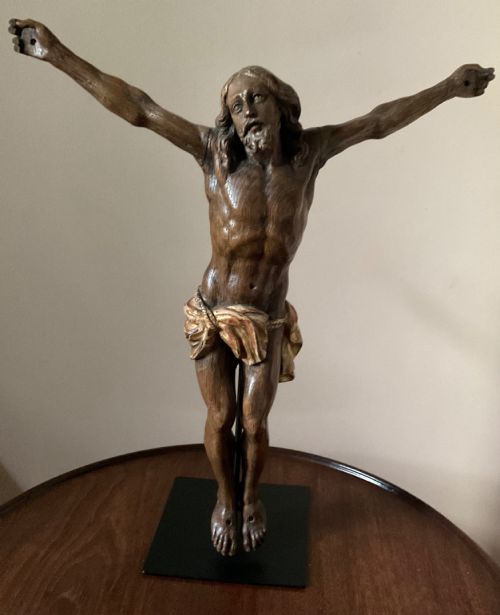
An antique devotional figure represents holy personages and biblical scenes intended for contemplation, prayer, or domestic shrine use. When looking through these selections, a buyer encounters representations such as the Madonna and Christ Child, corpus christi crosses, and various saints carved or modelled across multiple centuries.
The material record spans from pre-sixteenth century Gothic oak carvings to nineteenth-century terracotta, plaster, and earthenware. Pieces emerge from distinct European traditions, including Spanish, Italian, South German, and French workshops, encompassing both refined Baroque styling and simpler Italian folk art.
Forms range from full-length processional statues and shadow boxes with glass figures to isolated portrait busts and fragments. The nineteenth century yields numerous figures alongside earlier seventeenth and eighteenth-century survivals.
How They Were Made
Carving formed the primary method of creation, utilising woods such as oak, olive wood, hardwood, and lindenwood. Artisans shaped these timbers directly, sometimes adding gesso layers to smooth surfaces before painting.
Many works received polychrome finishes, applying detailed paint and gold leaf to heighten the visual impact of garments and flesh tones. Alternative mediums include terracotta, earthenware, plaster, and carved stone, each requiring distinct moulding or chiselling techniques.
Antique Devotional Figure Retail Price Guide 2026
Typical asking prices for devotional figure among the pieces listed under this phrase on Sellingantiques today, from the lower quarter to the upper quarter. They describe what is for sale here now, not the wider market.
Listings feature works spanning from pre-sixteenth century Gothic oak to the early twentieth century, incorporating carved wood, terracotta, and plaster.
What Varies in Quality
The preservation of original surface treatments, such as early polychrome pigment and gold leaf, distinguishes pieces that retain their intended character from those heavily altered by later repainting. Age-related wear on wood and gesso alters the visual balance, yet intact regional details elevate the integrity of the object.
The Antique Devotional Figure Glossary
- Corpus Christi
- The body of Jesus Christ depicted on a cross. This term specifically refers to the sculptural figure rather than the wooden cross itself.
- Santos
- A carved or articulated religious figure used in processions and domestic devotions. Originating in Spanish and Portuguese traditions, these figures often wore real fabric garments.
- Gesso
- A plaster mix applied to a wooden base to create a smooth surface for painting or gilding. It provided a stable ground for detailed polychrome work.
- Pieta
- A representation of the Virgin Mary holding the dead body of Christ. This subject frequently appeared in European devotional sculpture.
Antique Devotional Figure: Frequently Asked Questions
How were devotional figures used?
These figures served as focal points for private prayer, domestic contemplation, and religious processions. Owners placed them in household shrines, chapels, or carried them during seasonal festivals.
Over time, many transitioned from active liturgical tools to cherished items of historic and artistic appreciation within domestic interiors.
How do I care for wooden carvings?
Keep carved wooden figures away from direct sunlight and fluctuating heat sources to prevent the wood and gesso from cracking. Maintain a stable indoor environment.
Dust gently with a soft, dry brush and avoid applying liquid cleaners, oils, or waxes to historic polychrome or gilded surfaces.
How can I tell the period?
Dating relies on stylistic clues, tool marks, and the ageing characteristics of the material. Gothic pieces display rigid drapery and architectural framing, while Baroque examples favour dramatic movement and emotional expression.
Examination of the underlying wood, preparation layers, and pigment types further clarifies the century of manufacture.
What is a shadow box?
A shadow box is a deep, enclosed frame designed to protect and display delicate miniature scenes or figures. They frequently housed glass figurines and devotional arrangements.
This format kept fragile components safe from dust and physical damage while creating a focused, theatrical view of the subject.