
Antique Religious Sculpture
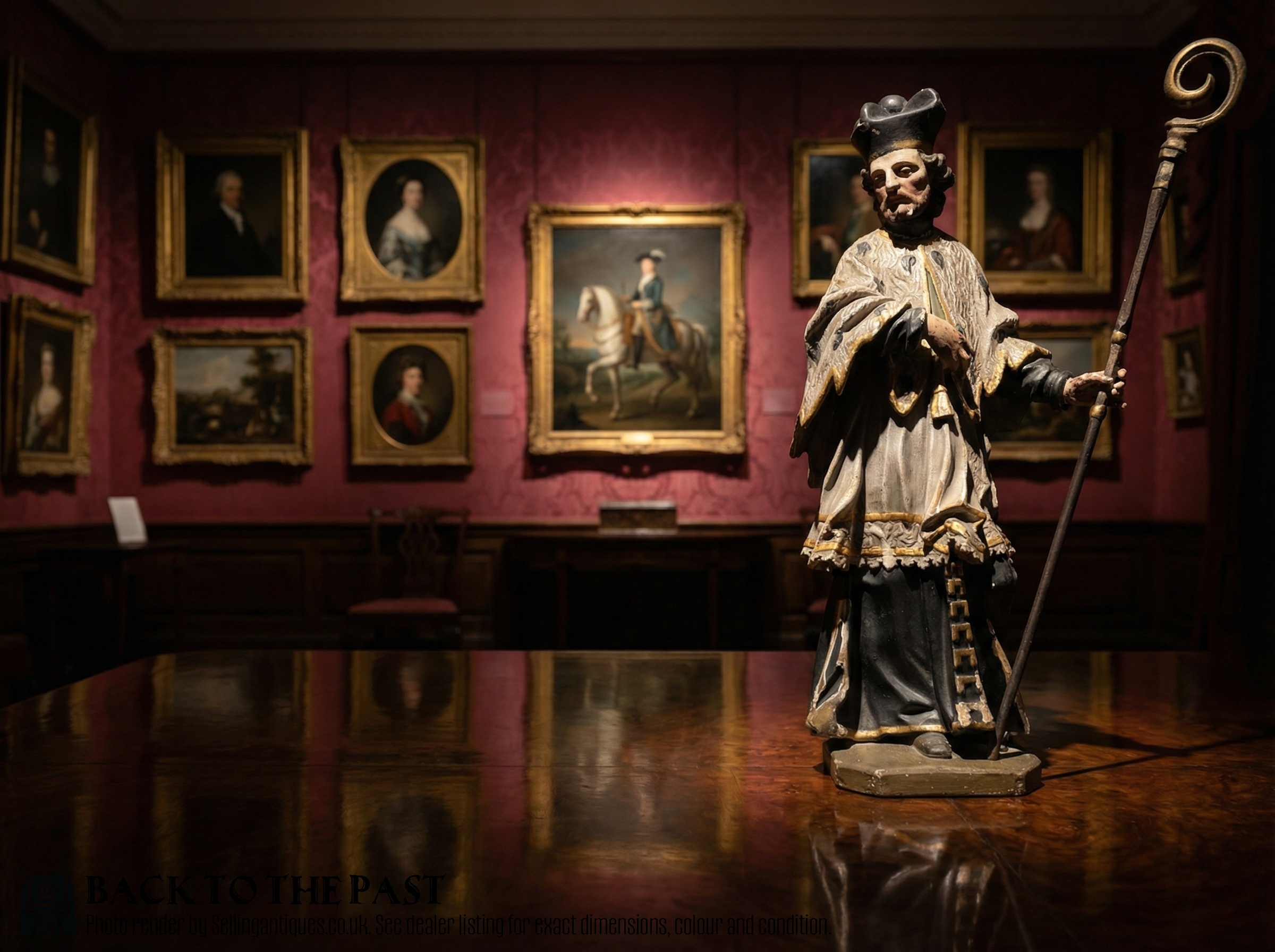
These pieces of antique religious sculpture bring centuries of devotion, craftsmanship, and historic iconography directly into your home.
Antique Religious Sculpture
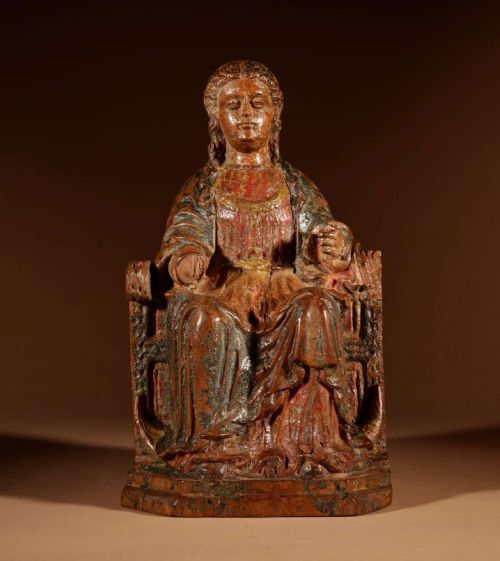
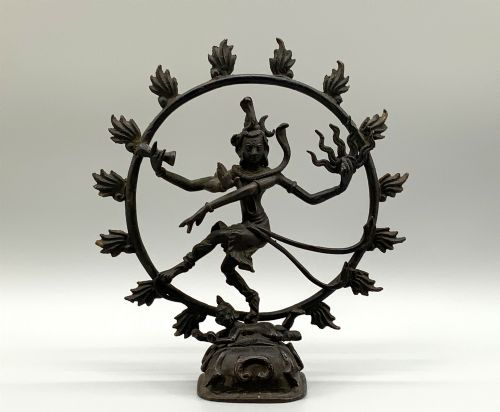
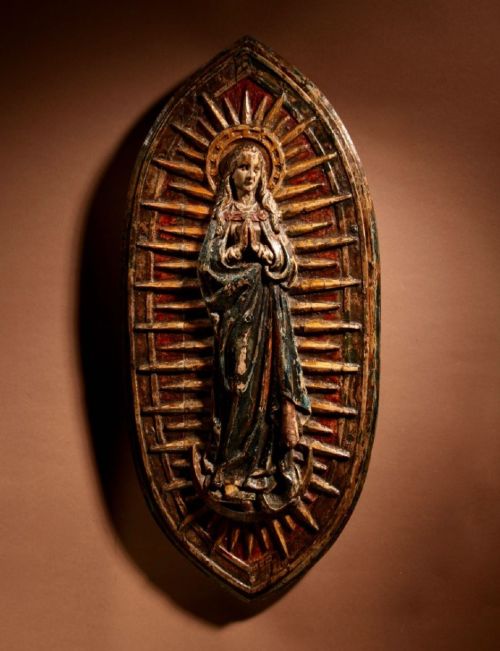
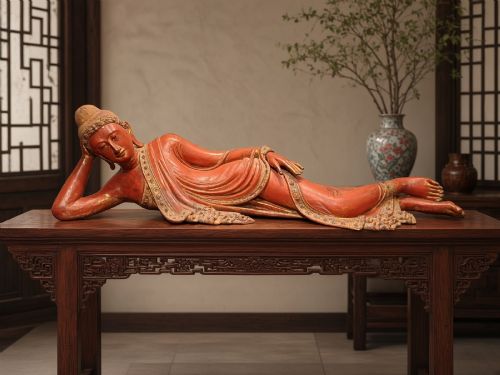
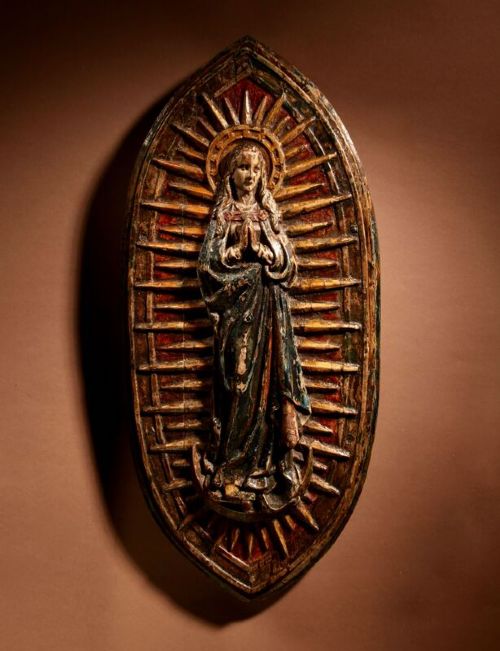
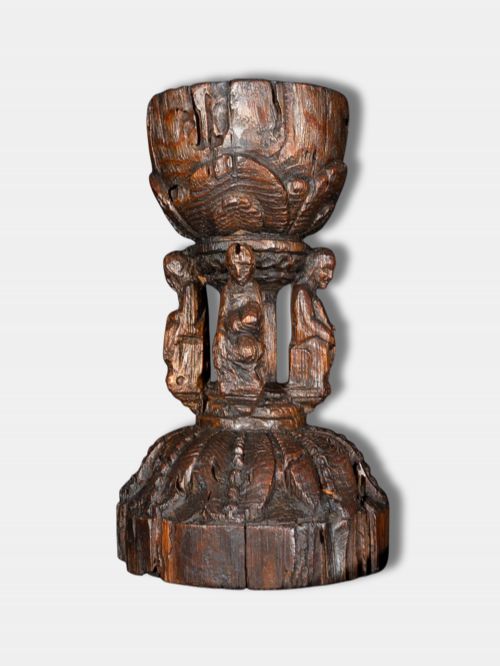
When searching for antique religious sculpture, buyers encounter works ranging from sixteenth-century devotional panels to nineteenth-century figures of saints, deities, and biblical scenes. The inventory spans European traditions alongside examples from Indian and Burmese makers, reflecting diverse global expressions of faith.
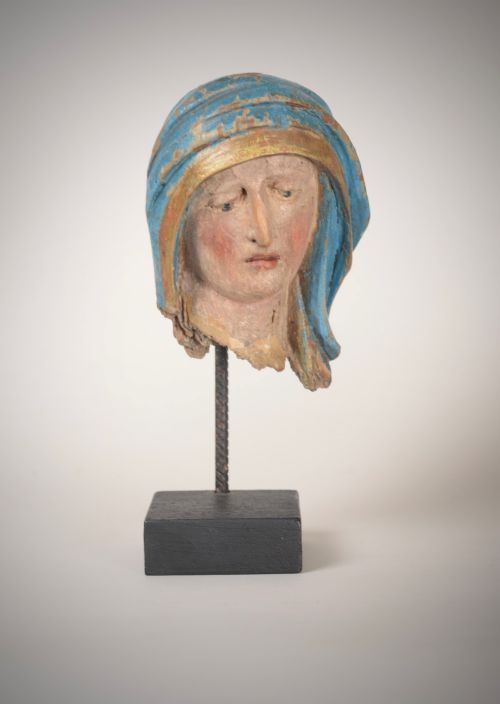
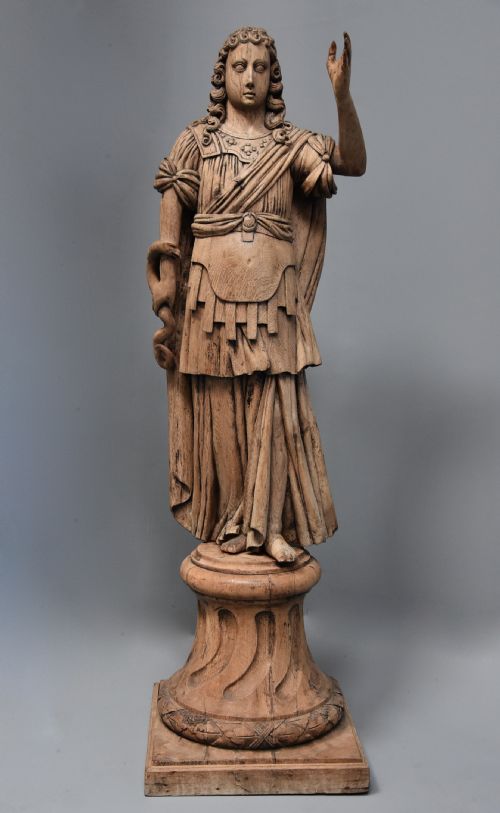
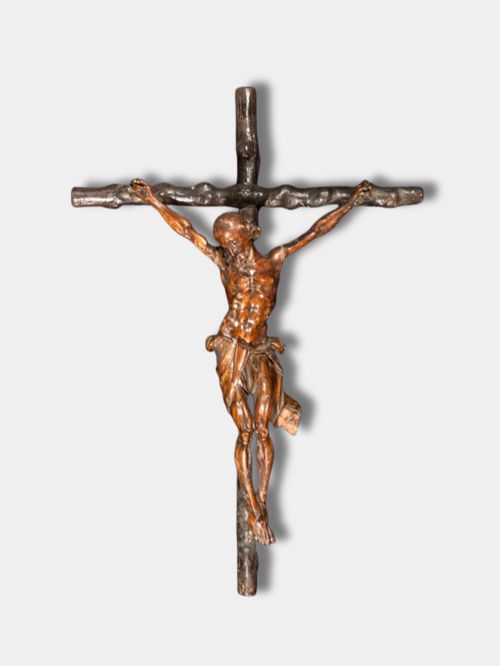
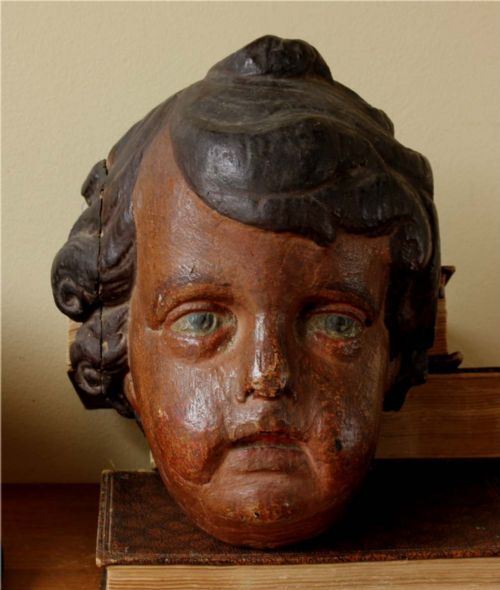
The objects take many forms, including wall panels, crucifixes, busts, and life-size figures of saints, Madonnas, and putti. Pieces from the eighteenth century appear frequently, alongside earlier medieval fragments and later nineteenth-century interpretations in bronze and ceramic.
How They Were Made
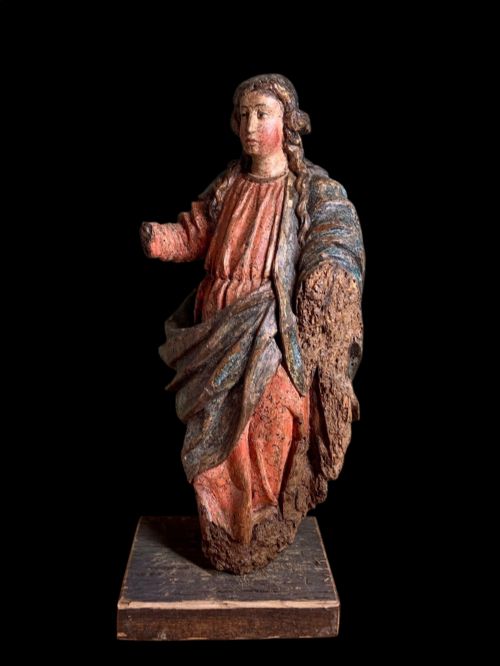
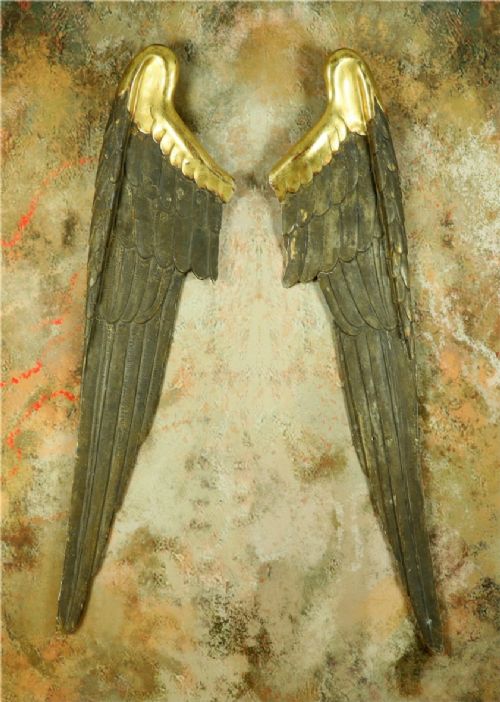
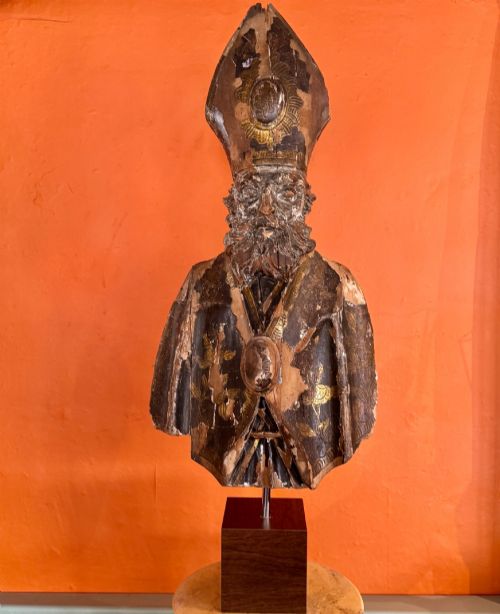
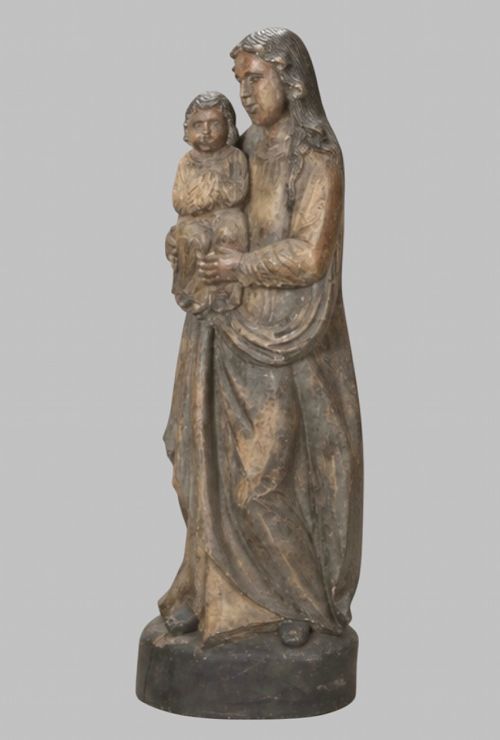
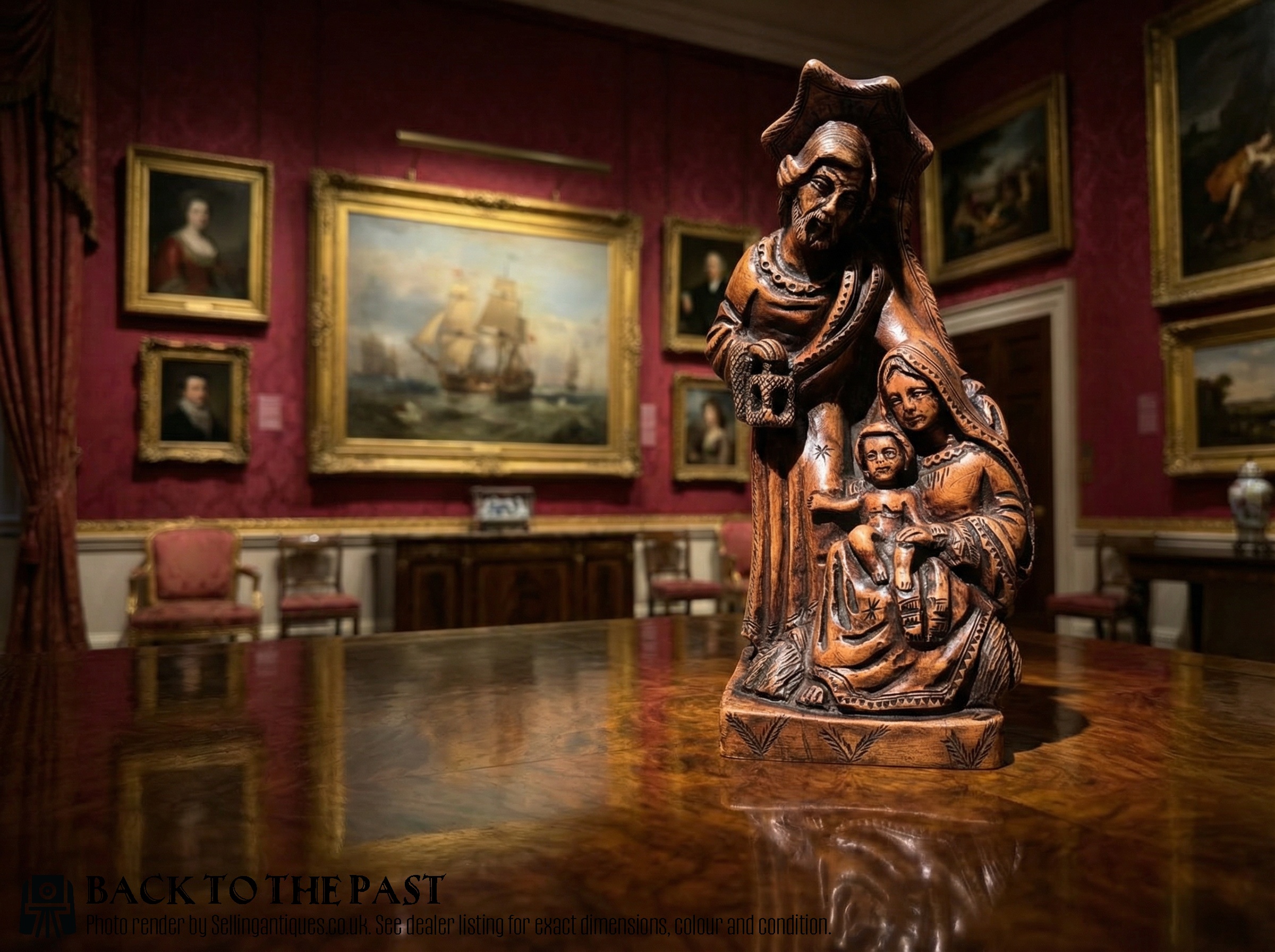
Makers shaped these works primarily from various timbers such as oak, walnut, chestnut, limewood, and olive wood, employing skilled carving techniques to render drapery, anatomy, and expression. Many wooden surfaces received layers of gesso, polychrome paint, and gold leaf to heighten visual impact.
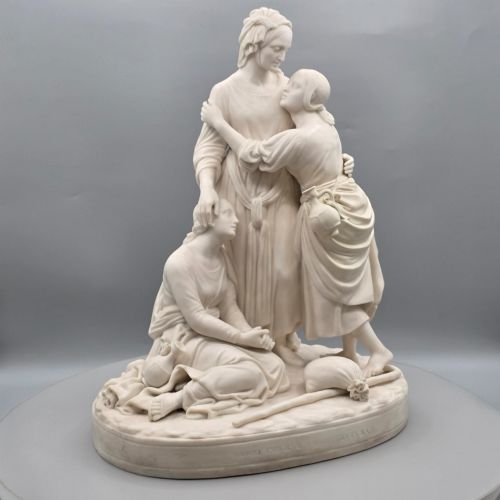
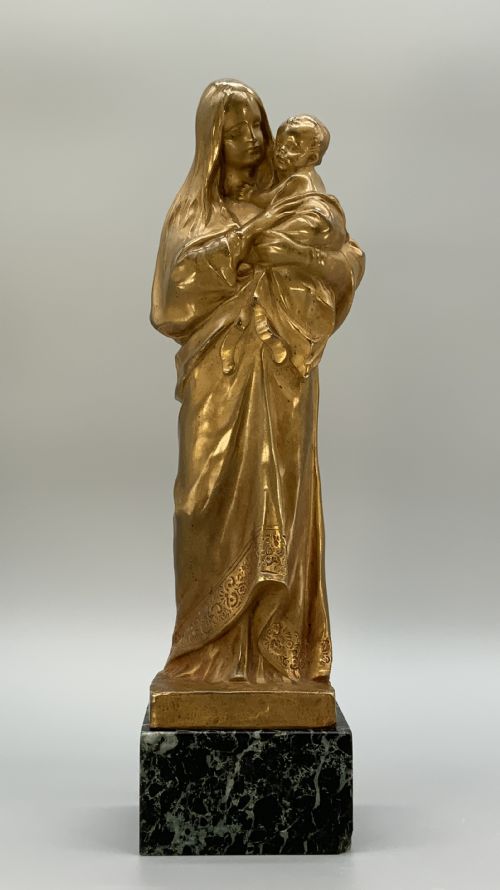
Cast metals also feature prominently, utilising bronze with patinated or gilt finishes to capture intricate detail in figures and busts. Parian ware represents ceramic production within the selection, offering a fine-grained porcelain alternative for sculptural groups.
Antique Religious Sculpture Retail Price Guide 2026
Typical asking prices for religious sculpture among the pieces listed under this phrase on Sellingantiques today, from the lower quarter to the upper quarter. They describe what is for sale here now, not the wider market.
Object types include wall panels, crucifixes, life-size statues, and devotional busts from various European and Asian traditions.
What Varies in Quality
Quality reveals itself in the depth of the carving and the articulation of anatomical details, drapery folds, and facial expressions. Master carvers achieved a naturalism and emotional resonance that lesser workshops missed, transforming raw timber into convincing human forms.
The preservation of original surface treatments, such as polychrome paint and gilding, heavily influences the integrity of a piece. Finer examples retain their original pigments and finishes, whereas heavily stripped or later repainted surfaces alter the historical character.
Hans Müller·Minton·George Kemper·George Minne
The Antique Religious Sculpture Glossary
- Polychrome
- Decorated in a variety of colours. This term describes wooden sculptures painted with pigments to create lifelike figures.
- Gesso
- A plaster mix applied to a surface as a base for painting or gilding. It provides a smooth ground for gold leaf on wooden panels.
- Corpus Christi
- The body of Christ depicted on a cross. These figures focus on the crucifixion scene in wood or metal.
- Parian
- A type of fine white porcelain resembling marble. It was utilised in the nineteenth century for smooth, detailed sculptural groups.
- Putto
- A figure of a small winged infant, commonly seen in Renaissance and Baroque art. They often appear alongside religious figures as cherubs.
Antique Religious Sculpture: Frequently Asked Questions
What periods do these sculptures cover?
The inventory encompasses works spanning from the sixteenth century through to the nineteenth century and the year 1900. Earlier examples often originate from medieval altarpieces, while later pieces reflect nineteenth-century revivals.
Craftsmen across different centuries utilised traditional materials like oak, walnut, and bronze, maintaining continuous stylistic threads while adapting to period aesthetics.
How were these figures used originally?
Religious sculptures served as central foci for private devotion in homes or communal worship within churches, chapels, and cathedrals. Altarpieces, wall panels, and freestanding figures guided prayer and contemplation.
Many items, such as carved saints or crucifixes, were commissioned by ecclesiastical institutions or pious individuals to adorn sacred spaces and commemorate biblical narratives.
How do I care for wooden religious carvings?
Wooden sculptures require stable indoor humidity and protection from direct sunlight to prevent the timber from drying out or cracking. Polished or painted surfaces should be dusted gently with a dry, soft cloth.
Avoid applying liquid cleaners or modern waxes directly to antique polychrome or gilt surfaces, as moisture can damage fragile historical layers.
What is the difference between Baroque and Gothic styles?
Gothic sculptures emphasise verticality, linear drapery, and restrained emotion, often rooted in medieval architectural contexts. Figures from this tradition display solemn expressions and structured compositions.
Baroque works introduce theatrical movement, dramatic gestures, and intense emotion, with swirling drapery and dynamic interaction between figures designed to engage the viewer.