
Victorian Earthenware Pottery
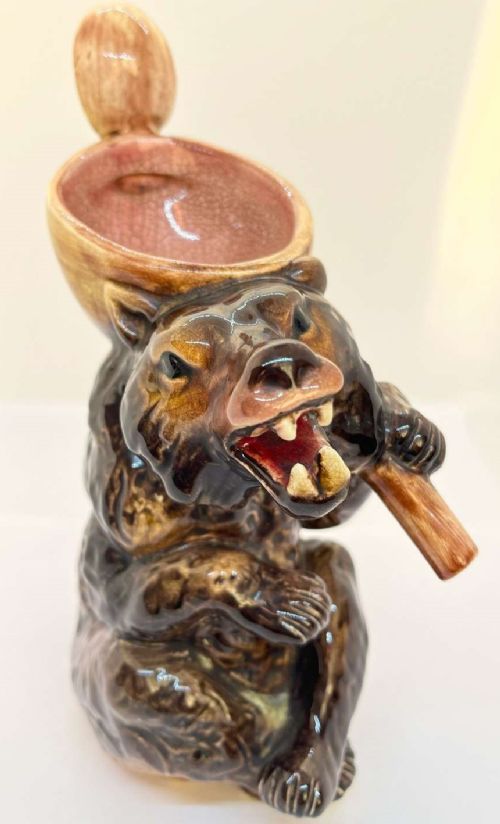
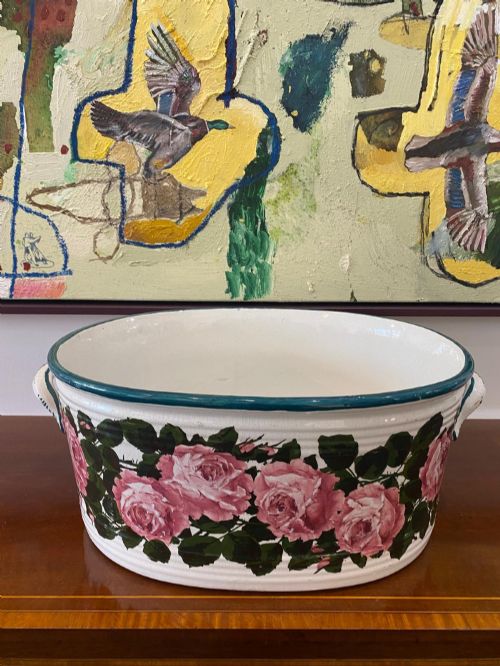
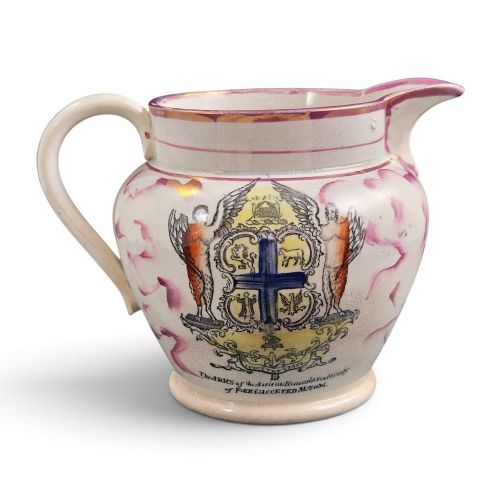
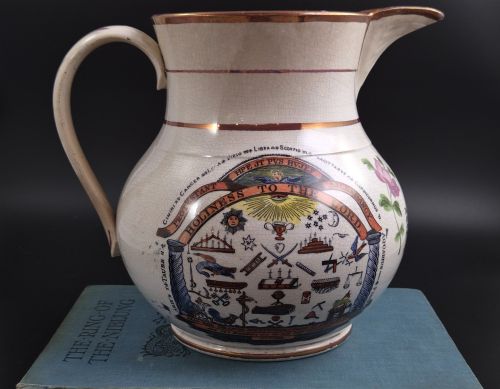
Victorian earthenware pottery brings robust nineteenth-century character to domestic spaces through slipware bowls, transfer-printed jugs, and modelled animal figures.
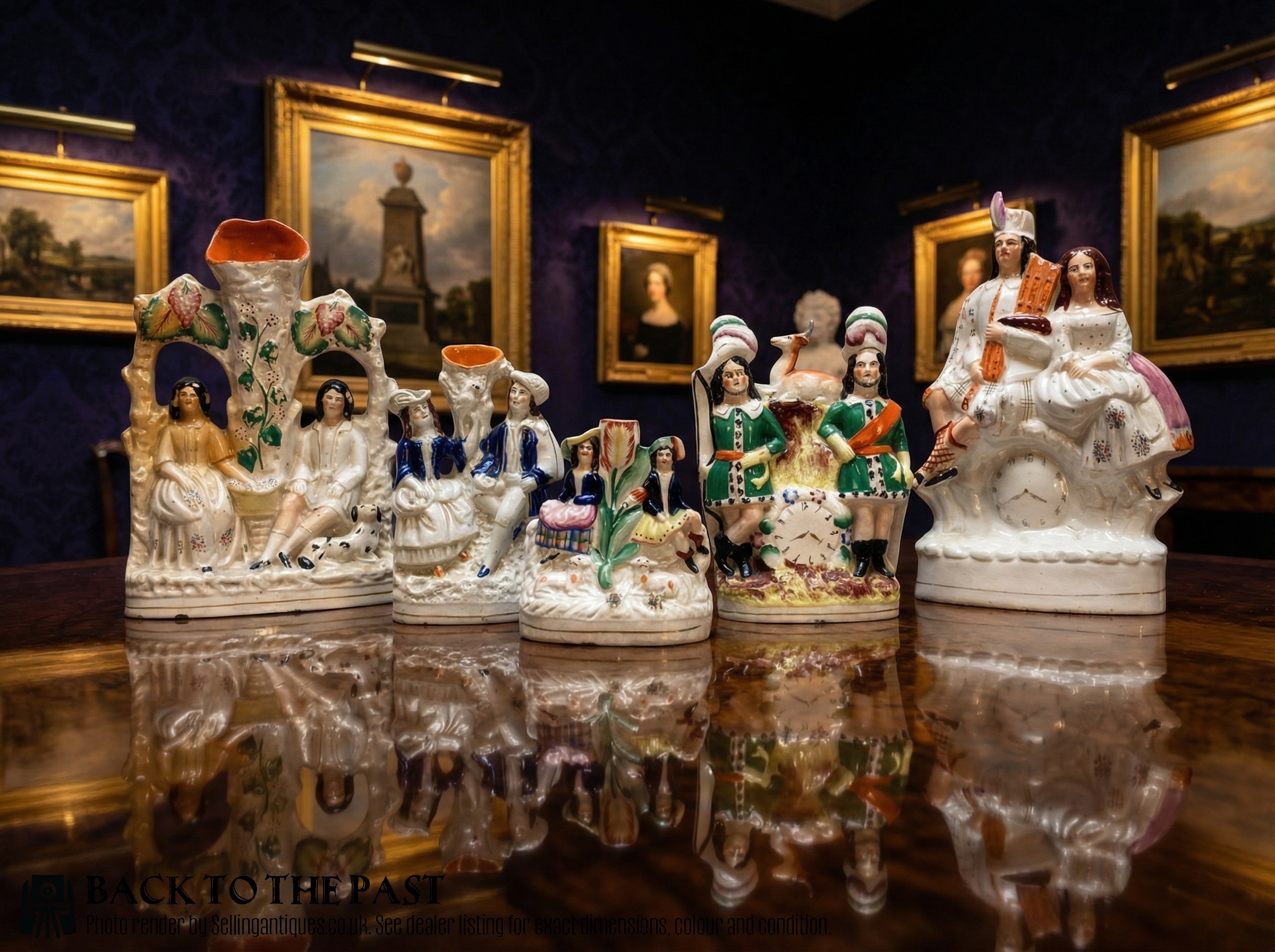
Victorian Earthenware Pottery
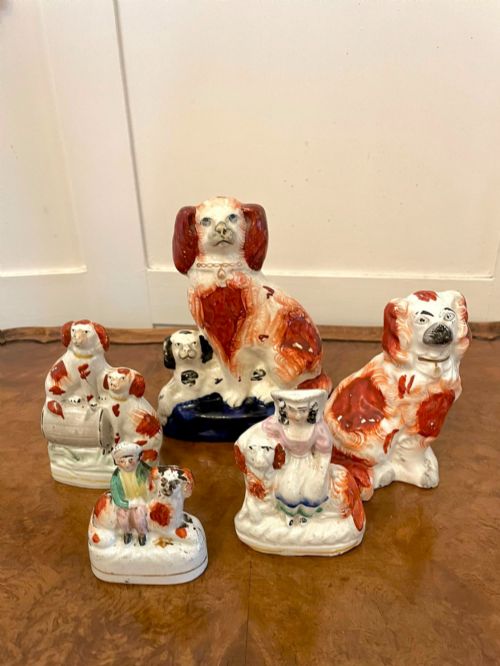
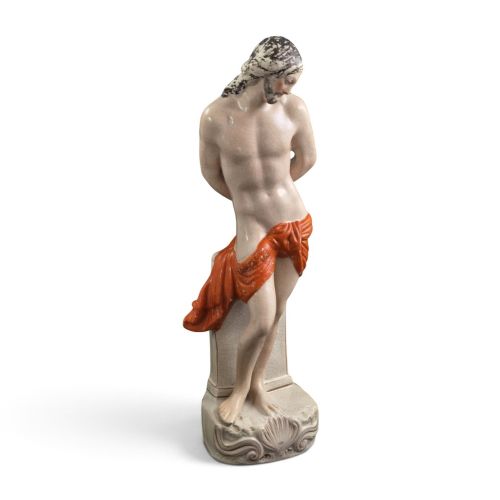
Victorian earthenware pottery encompasses a diverse array of utilitarian and decorative objects originating primarily from nineteenth-century British potteries, alongside select continental examples. Buyers searching this phrase commonly encounter Staffordshire figural groups, lustre jugs, dairy bowls, and cheese domes dating between the early decades of the century and the eighteen-nineties.
The selection ranges from vernacular slipware and folk art pieces to sophisticated majolica and transfer-printed commemorative vessels. These items reflect both the everyday domestic life and the historical events of the Victorian era.
Materials and technique
Potters utilised porous clay bodies coated with lead glazes, enamel colours, and metallic lustre applications to achieve rich surface sheens. Pieces often underwent multiple firings to fix hand-painted polychrome details or transfer-printed topographical and historical scenes onto the ceramic substrate.
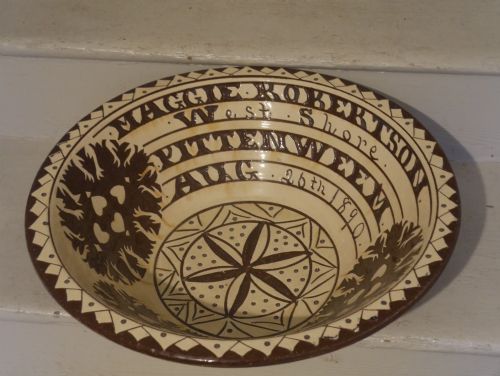
Specialised techniques such as flow blue transfer printing allowed colours to bleed pleasingly into the surrounding glaze, while slipware decoration involved trailing liquid clay over a contrasting base body.
Victorian Earthenware Pottery Retail Price Guide 2026
Typical asking prices for victorian earthenware pottery among the pieces listed under this phrase on Sellingantiques today, from the lower quarter to the upper quarter. They describe what is for sale here now, not the wider market.
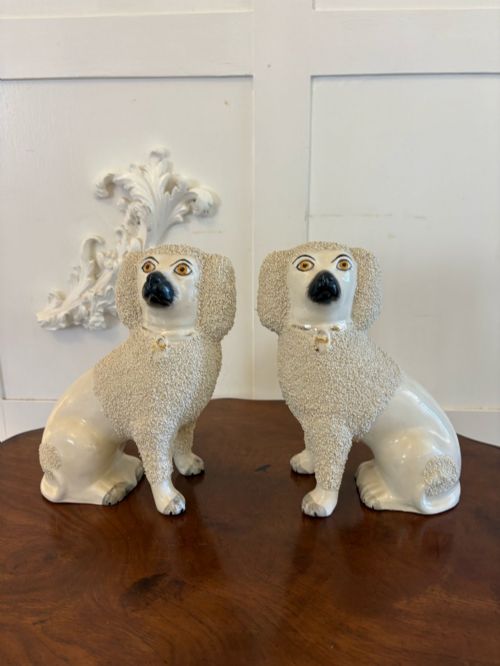
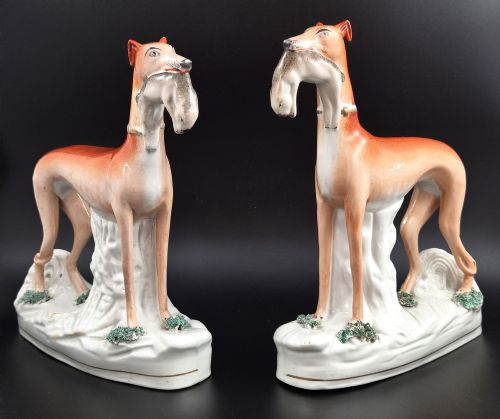
Nineteenth-century potters immortalised earnest poodles, greyhounds, and sheep in earthenware, ensuring polite ceramic hounds guard mantelpieces forever.
Assessing the pieces
Quality rests upon the crispness of the modelled detail in figural works and the clarity of transfer-printed or hand-painted decoration across jugs and plates. Superior examples display careful control during firing, resulting in vibrant enamels, even lustre distribution, and stable glazes without excessive pooling.
Cantagalli Florence·Seaton Pottery·Burmantoft's Pottery·Fourmaintraux-Courquin·Minton
The Victorian Earthenware Pottery Glossary
- Earthenware
- A porous pottery type fired at relatively low temperatures that requires a glazed surface to hold liquids.
- Lustreware
- Pottery treated with a metallic film that produces a reflective, iridescent copper, pink, or silver sheen upon firing.
- Flow blue
- A transfer-printing method where lime or chloride was introduced into the kiln to deliberately blur the cobalt design into the surrounding white glaze.
- Slipware
- Pottery decorated with liquid clay applied through a quill or brush onto a contrasting unfired clay body before glazing.
- Majolica
- Low-fired earthenware coated with an opaque tin glaze and brightly coloured metallic oxide enamels, popular during the Victorian period.
Victorian Earthenware Pottery: Frequently Asked Questions
How were Staffordshire pottery figures displayed?
These ceramic figures and pairs of animals typically sat on mantelpieces, chiffoniers, or window sills within nineteenth-century parlours. They served as decorative domestic ornaments that brought colour and contemporary narrative subjects into the home.
Owners often arranged matching pairs of dogs or historical characters symmetrically to anchor a mantel display. Their robust construction suited daily life in bustling Victorian households.
What is a lustre jug used for?
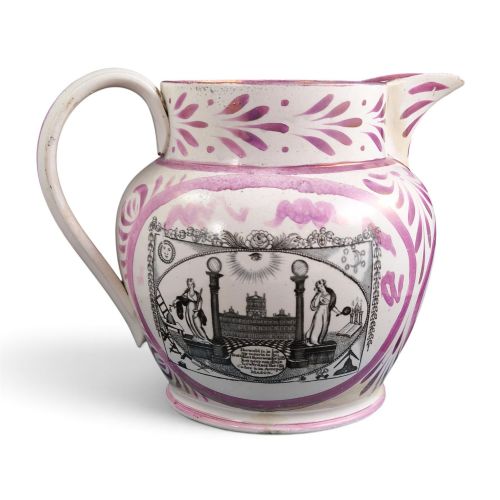
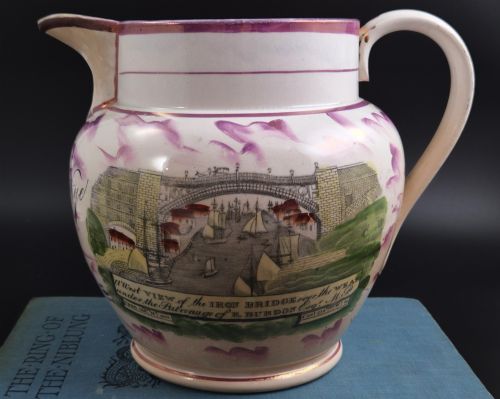
Lustre jugs functioned as both practical pouring vessels for liquids at the table and commemorative display pieces celebrating local trades, military victories, or maritime heritage. Their reflective metallic surfaces caught the gaslight or daylight in nineteenth-century rooms.
Many featured inscriptions, named individuals, or transfer-printed bridges and masonic symbols that recorded significant civic events. This dual utility made them popular gifts and keepsakes across various social classes.
How do I care for Victorian earthenware?
Keep these pieces out of direct sunlight and clean them gently with a dry or barely damp soft cloth. Earthenware is porous by nature, meaning harsh chemical immersion or dishwashers can damage the fragile historic glazes and enamel decorations.
Display them on stable surfaces away from high traffic areas to protect protruding handles and rims. Gentle handling preserves the original surface patina accumulated over more than a century.
Can I use an antique cheese dome?
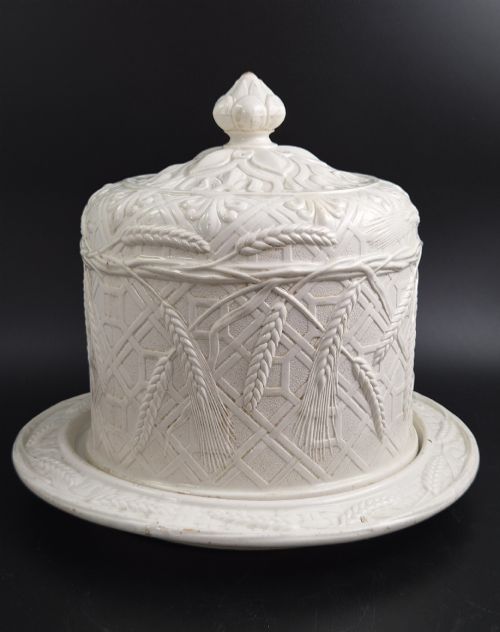
Ironstone and ceramic cheese domes and stands functioned on dining tables to keep dairy products fresh before refrigeration became common. Today, collectors generally treat them as display items or use them with care for serving.
Thermal shock from sudden temperature changes can stress old ceramic bodies. Hand washing with mild soap is essential if utilised for dining.