
Victorian Decorative Pottery
Victorian decorative pottery pieces bring rich nineteenth-century colour and texture into a room, offering genuine historic character for the collector.
What Victorian decorative pottery is
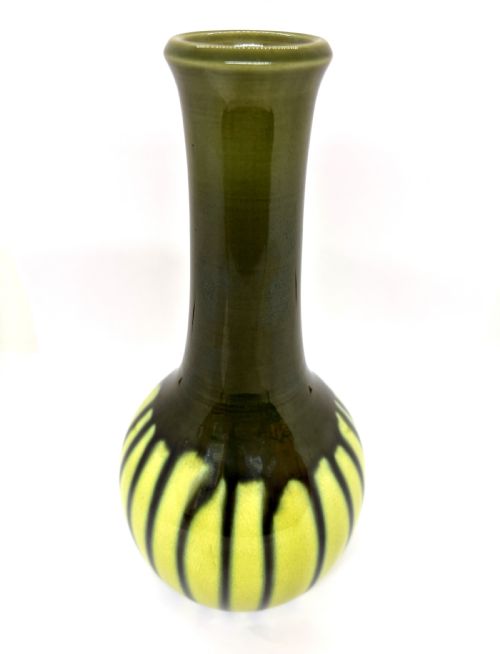
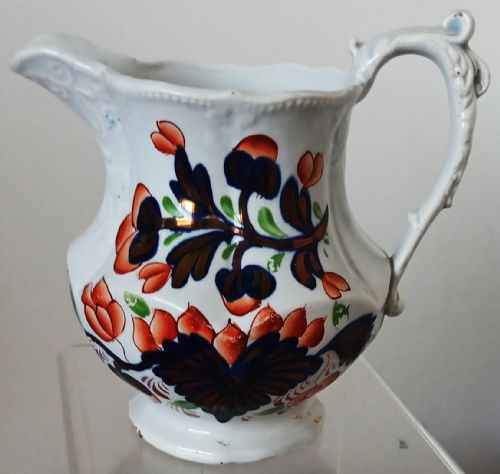
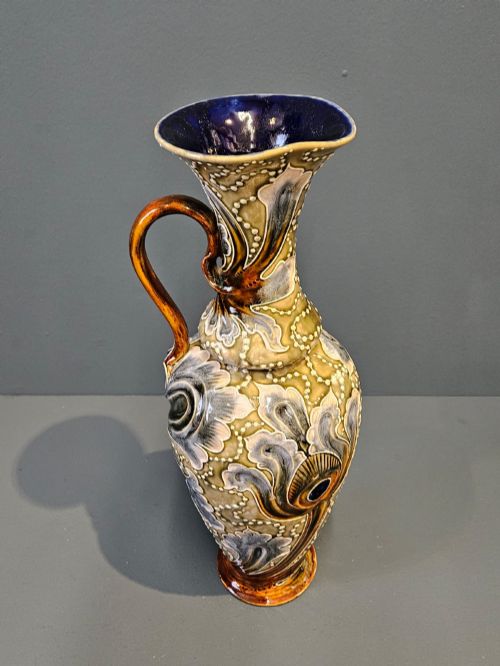
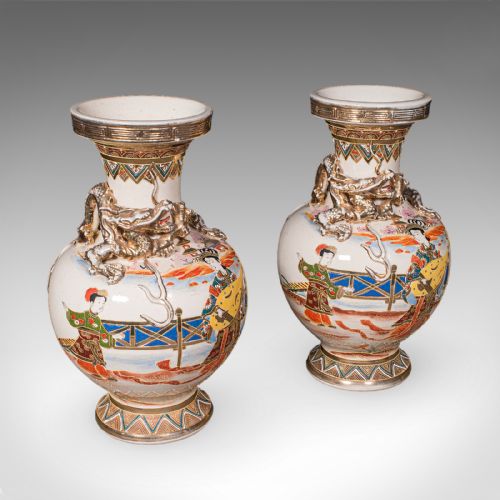
Victorian decorative pottery encompasses a diverse selection of ceramic objects produced during the nineteenth century and into the early twentieth century. These items include vases, decorative jugs, and figurines that served primarily ornamental purposes in homes.
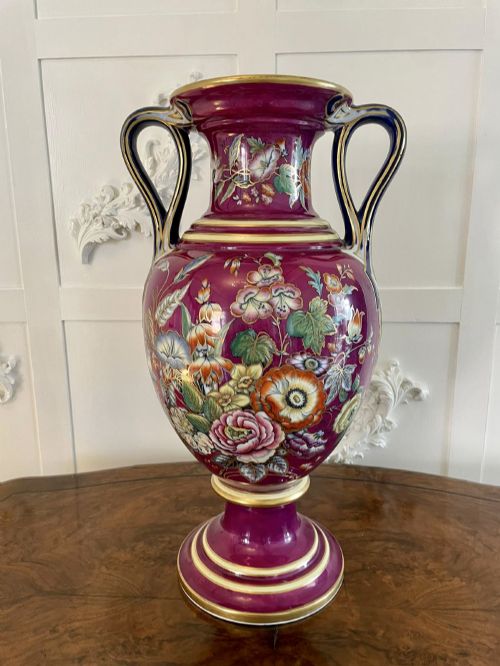
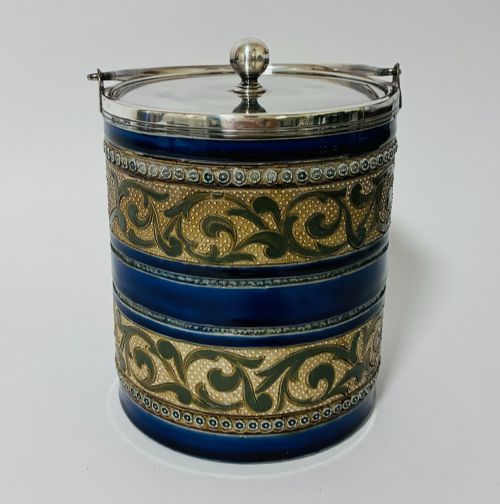
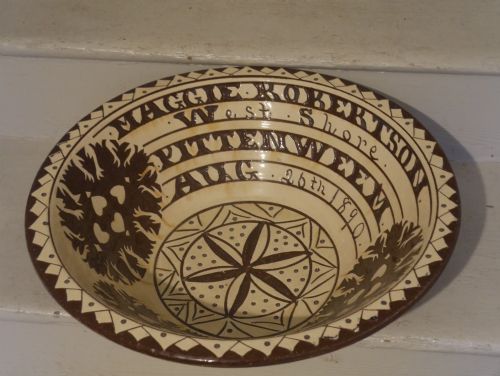
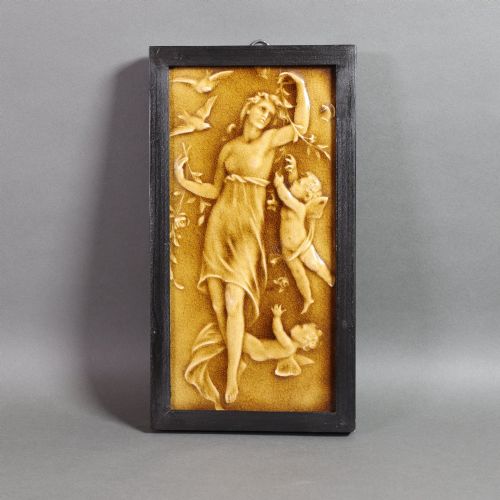
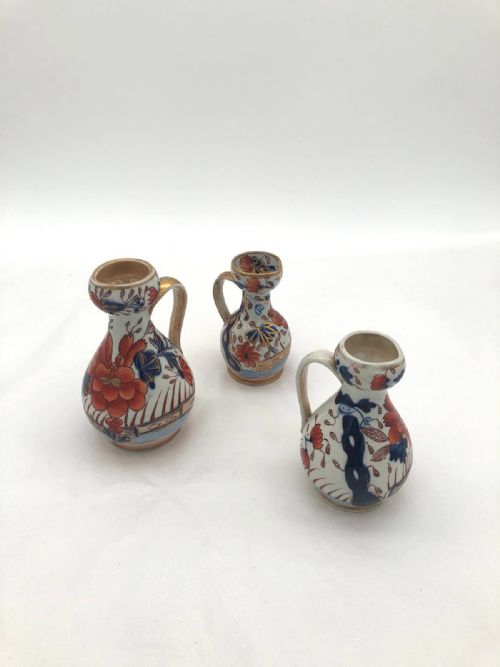
The pieces available on this page lean heavily towards sculptural vessels and display items from well-known British potteries. Buyers will frequently encounter earthenware and ironstone bodies finished with intricate glazes and enamel details.
How they were made
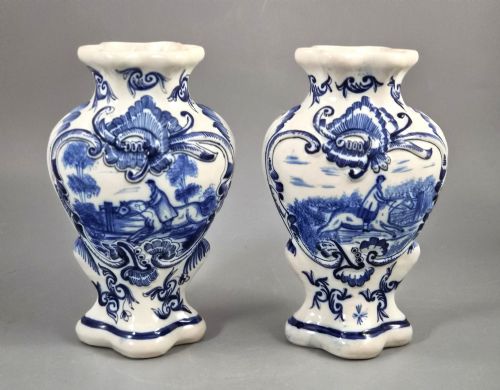
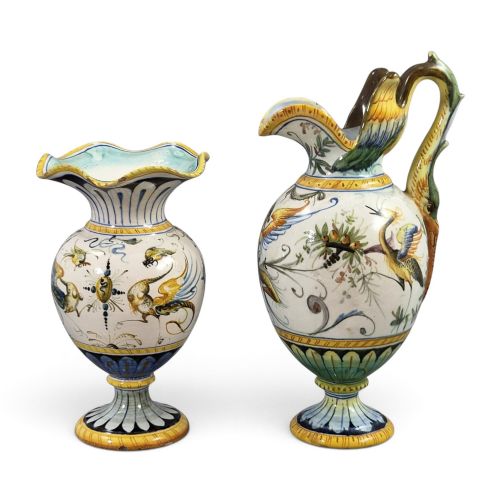
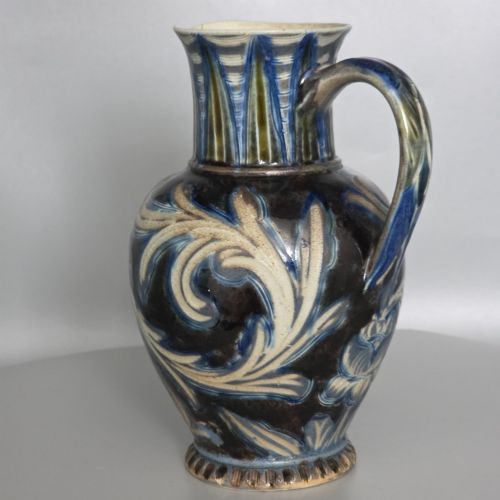
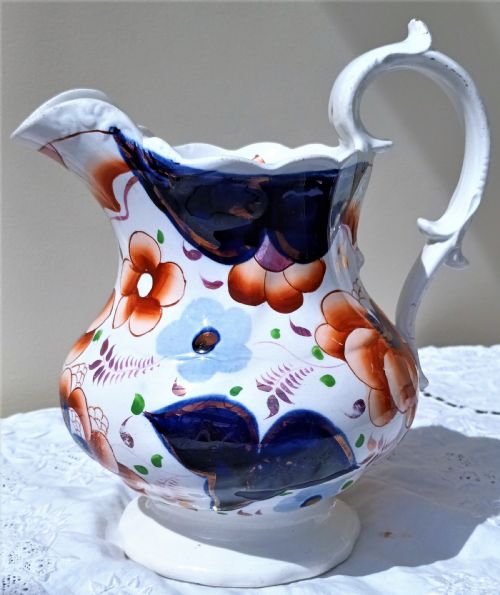
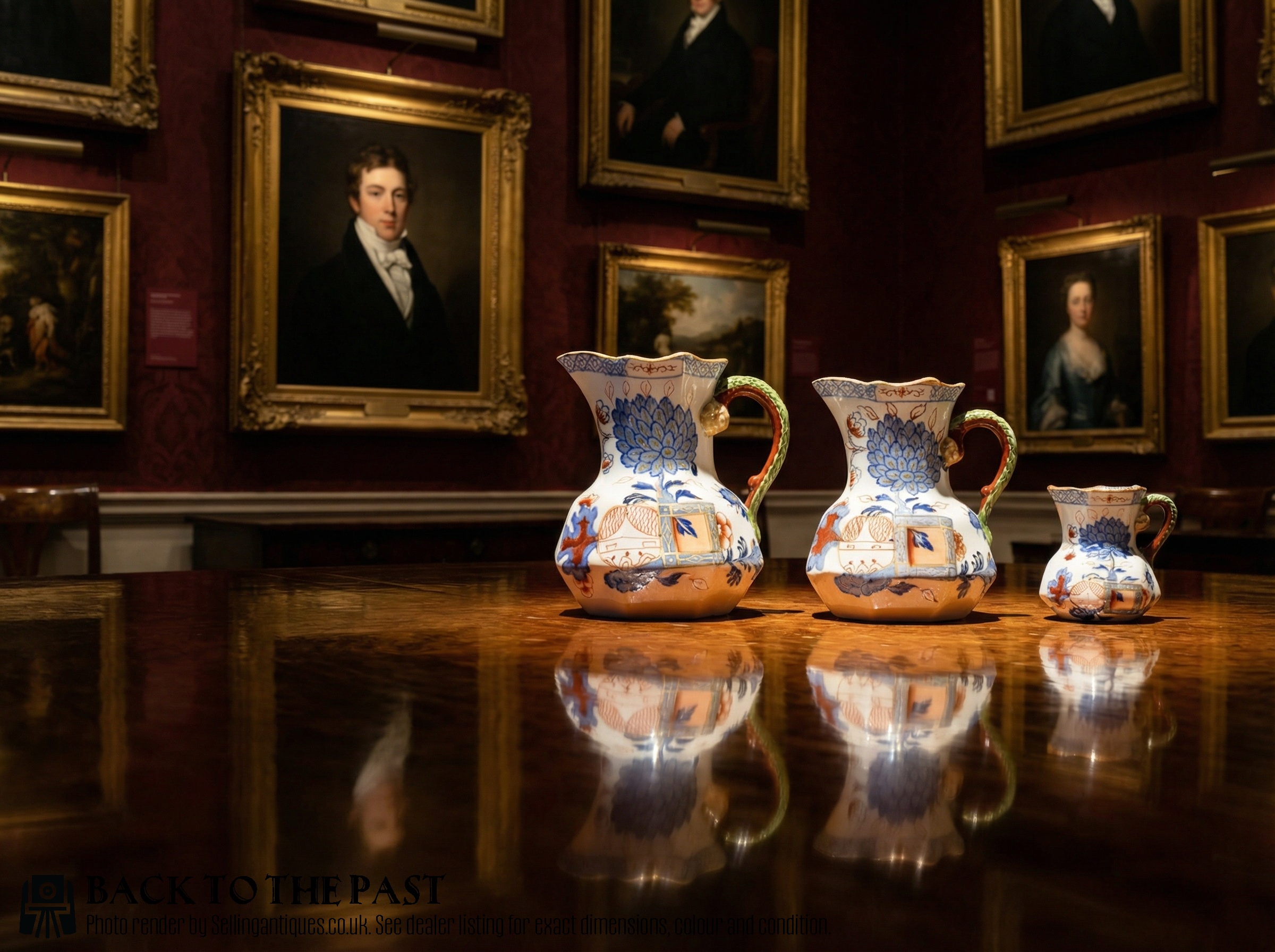
Potters utilised robust ceramic bases such as stoneware and ironstone, shaping them into bulbous baluster vases, graduated jugs, and moulded figurines. These foundational bodies provided the strength needed for detailed surface ornamentation.
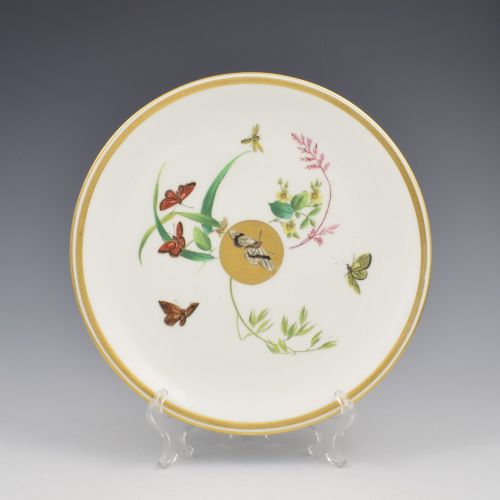
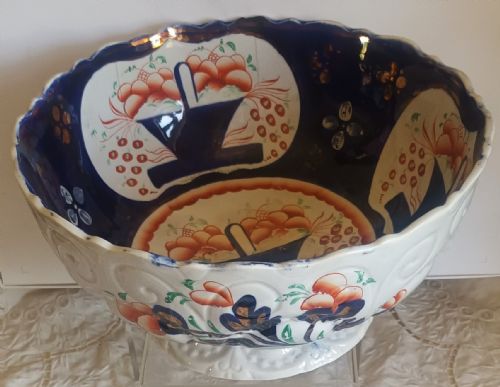
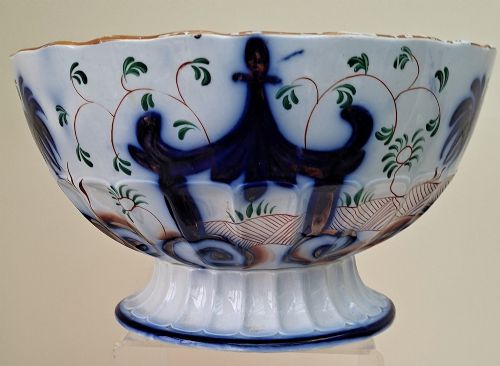
Artisans applied layered glazes, rich enamel colours, and delicate gold leaf to enhance the visual depth of each piece. Firing techniques fixed these decorative finishes onto the earthenware surfaces, creating enduring nineteenth-century objects.
Retail Price Guide 2026
Typical UK retail prices for victorian decorative pottery, calculated from the Sellingantiques database of over a million retail prices indexed since 2003. This retail price guide relies exclusively on Sellingantiques data; no external sources or auction records are used, so the figures do not describe the wider market.
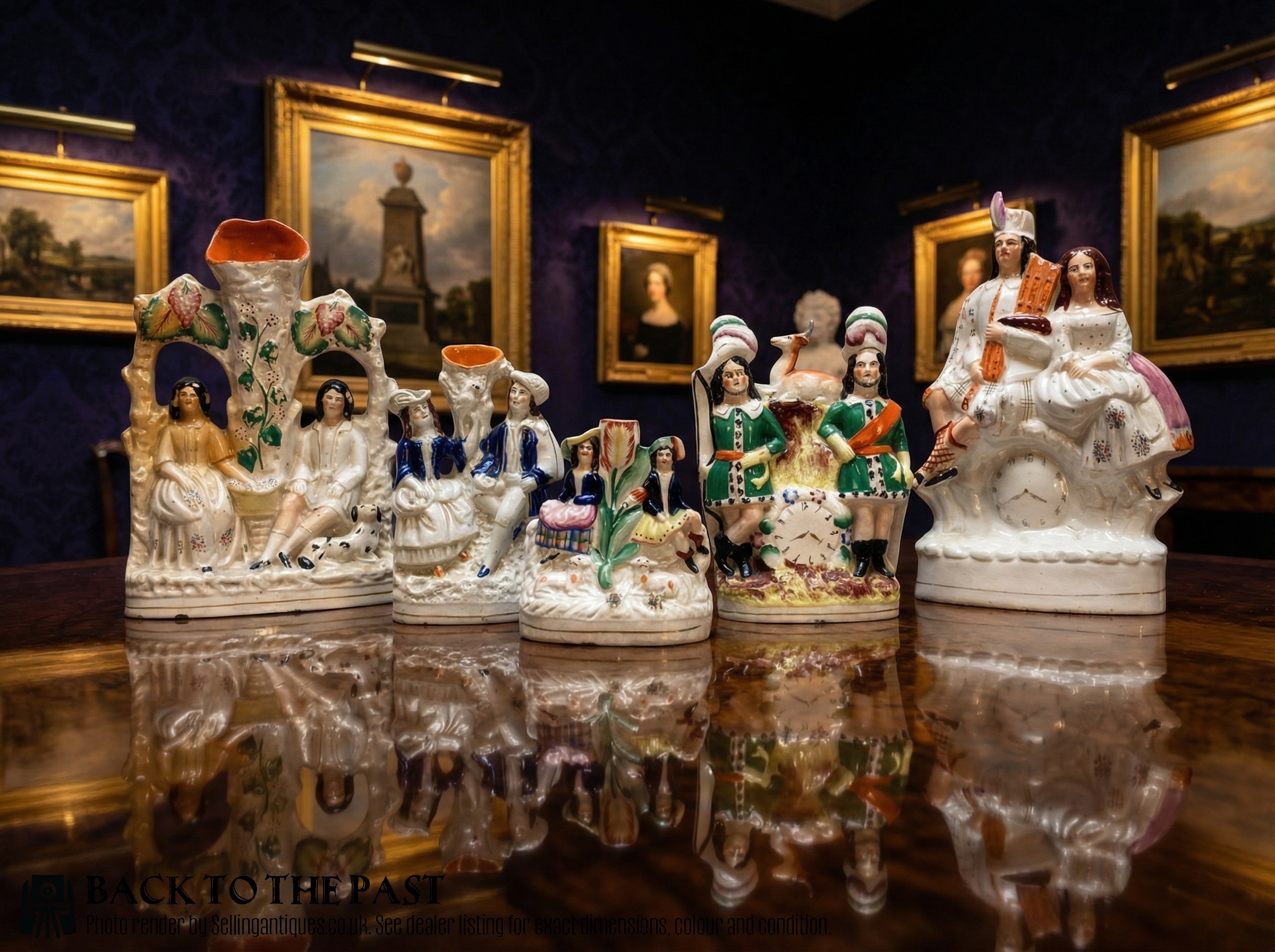
Staffordshire flatback figures were cleverly glazed only on the front because nobody ever saw the back against the wall.
What varies in quality
The standard of Victorian decorative pottery rests largely on the precision of the modelling and the crispness of the applied decoration. Superior examples display carefully controlled enamel work and well-defined mouldings that avoid the softer edges seen in lesser pieces.
Artistic ambition also separates ordinary items from exceptional ones, particularly where hand-painted details or specialised glaze effects are involved. The finest pieces maintain balanced proportions and harmonious colour palettes that reflect the height of period craftsmanship.
Royal Doulton·Mason's·Staffordshire
The Victorian Decorative Pottery Glossary
- Ironstone
- A heavy, durable type of earthenware developed in the nineteenth century to imitate Chinese porcelain. It provides a sturdy base for decorative jugs and tableware.
- Baluster
- A vertical architectural form featuring a bulbous lower portion tapering towards the top. This shape is frequently utilised in the design of Victorian vases.
- Enamel
- A glassy substance fused to the surface of ceramics through firing to add vibrant colour and pattern. It allows for intricate, long-lasting ornamentation.
- Staffordshire flatback
- A type of ceramic figure designed with a finished front and a flat, unglazed or minimally painted back intended to sit against a wall. These decorative pieces were popular mantelpiece ornaments.
Frequently Asked Questions
What is Victorian decorative pottery?
Victorian decorative pottery comprises ornamental ceramic items produced during the nineteenth century, including vases, jugs, and figurines.
These objects reflect the stylistic preferences and technical capabilities of period potteries across Britain.
How were ironstone jugs used?
Graduated jugs made from ironstone served both functional serving roles and purely decorative display purposes within nineteenth-century homes.
Their sturdy ceramic bodies made them suitable for everyday handling alongside ornamental placement.
What styles influence these ceramics?
The pieces span traditional Victorian aesthetics as well as later Art Nouveau influences that emerged towards the end of the period.
These design shifts appear in the flowing lines of vases and the evolution of surface glazes.
How do I identify Staffordshire figures?
Staffordshire figures are typically recognised by their moulded earthenware construction and characteristic flat backs designed for mantelpiece display.
They often feature hand-painted enamel colours highlighting historical or domestic subjects.