
Blue Glazed Ceramic Vase
A blue glazed ceramic vase brings depth of colour and historical variety to a room, spanning centuries of global pottery traditions.
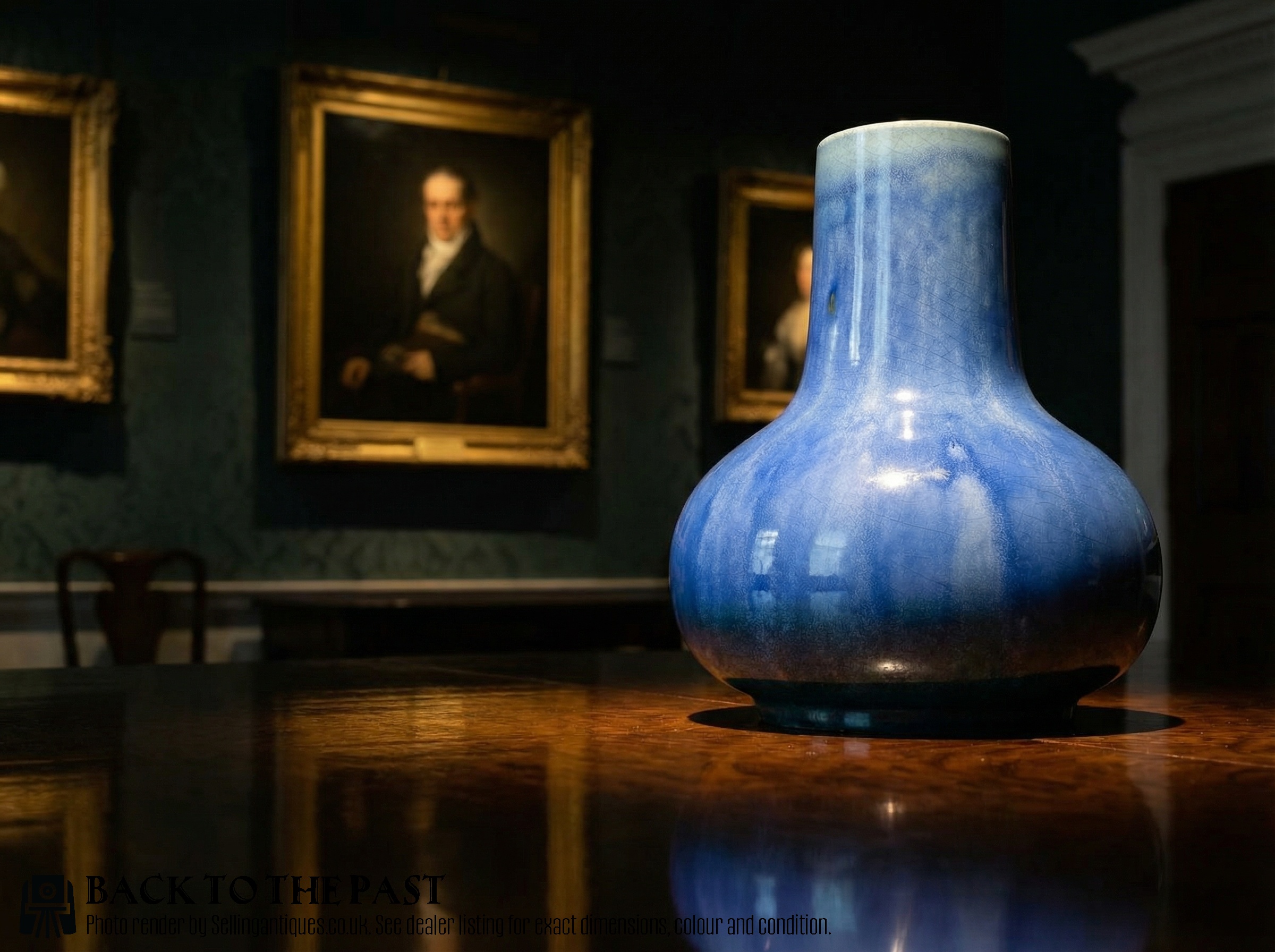
Blue Glazed Ceramic Vase
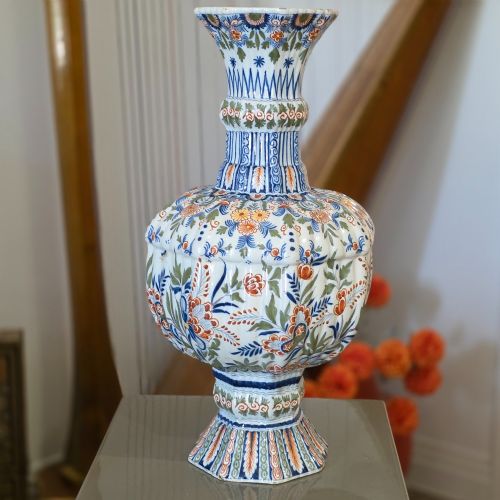
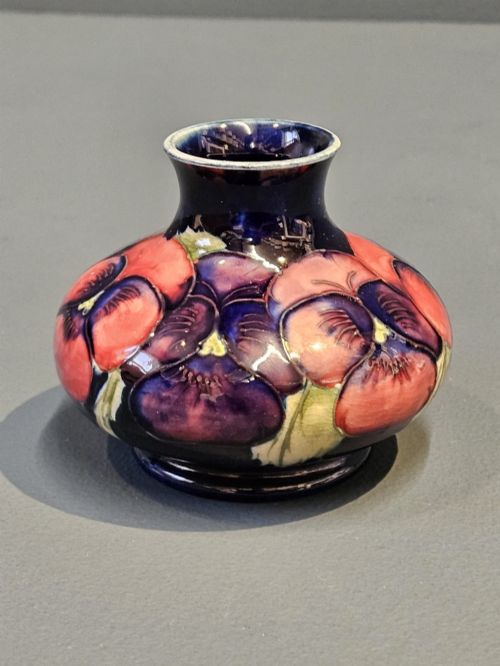
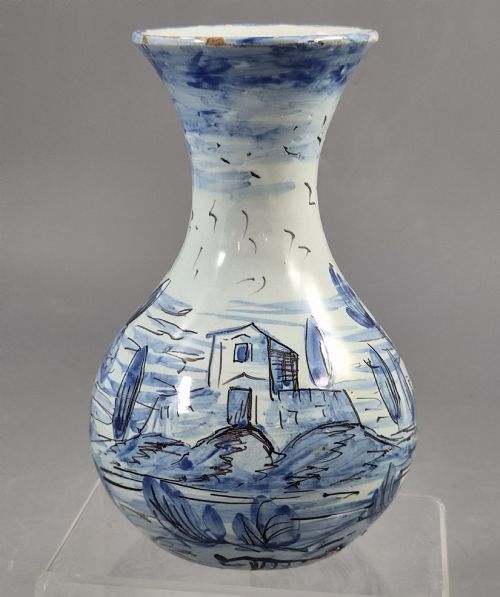
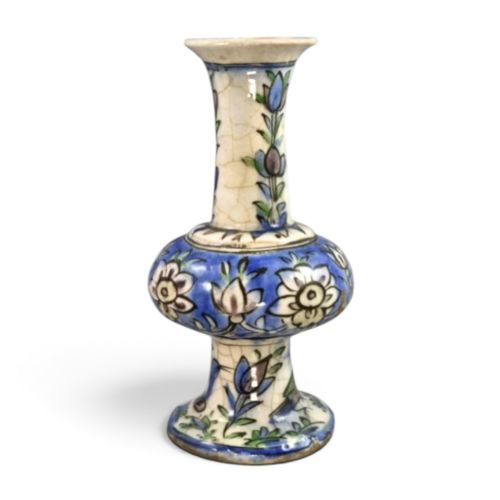
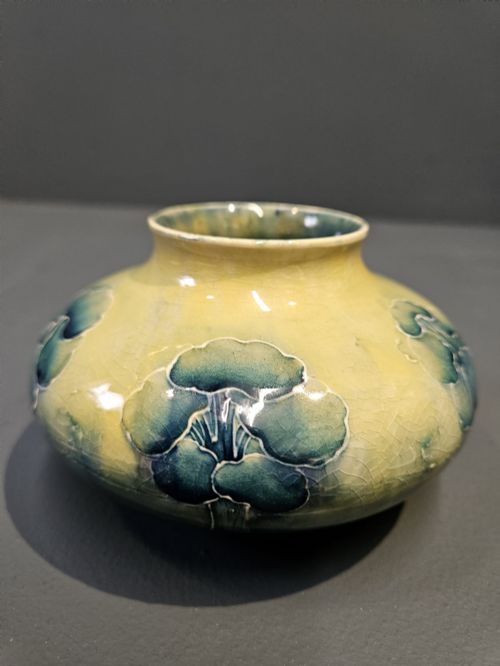
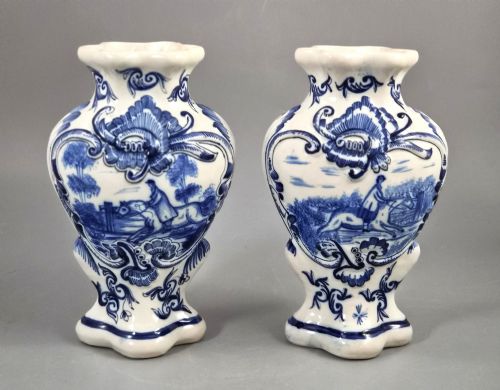
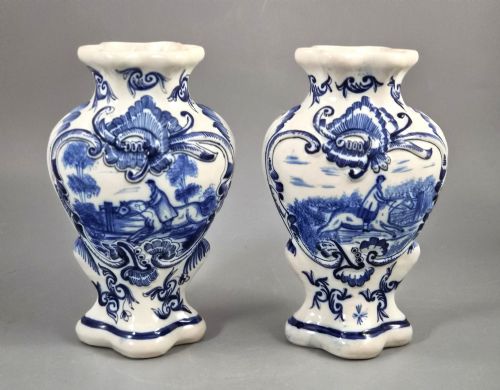
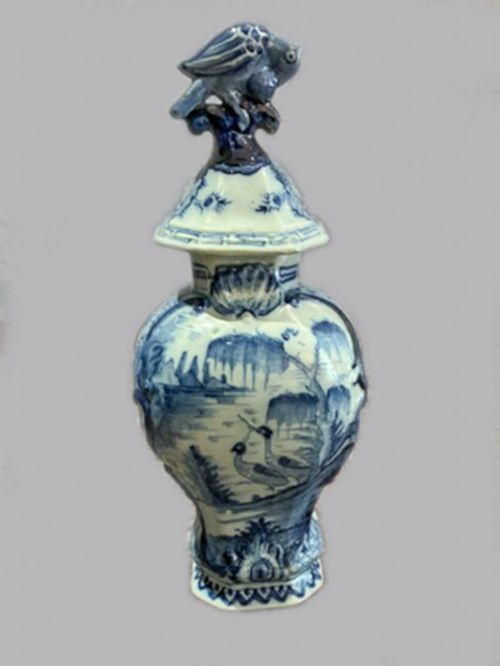
When you search for a blue glazed ceramic vase, you encounter works ranging from utilitarian earthenware and heavy stoneware to refined porcelain and tin-glazed faience. The selection on this page includes Dutch Delftware, English studio pottery, French faience, and Asian export wares spanning several centuries.
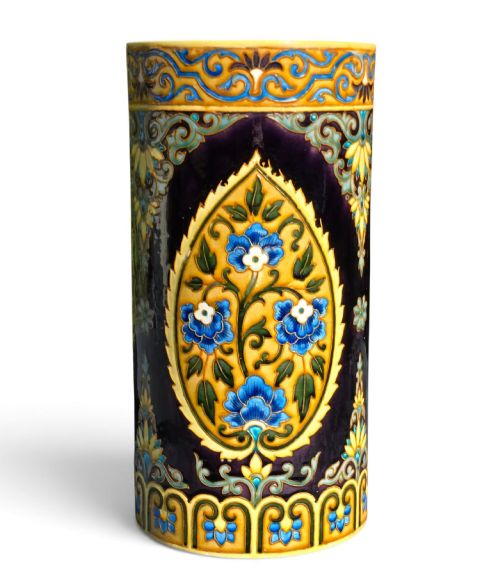
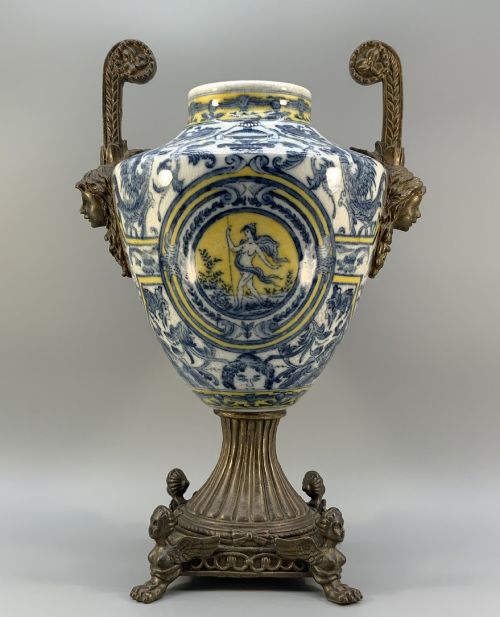
Vessels take many forms, from simple cylindrical bottles and lidded ginger jars to large umbrella stands, ewers, and decorative cabinet urns. These pieces reflect diverse regional aesthetics, including Art Nouveau styling, Renaissance revival motifs, and traditional Chinese or Persian designs.
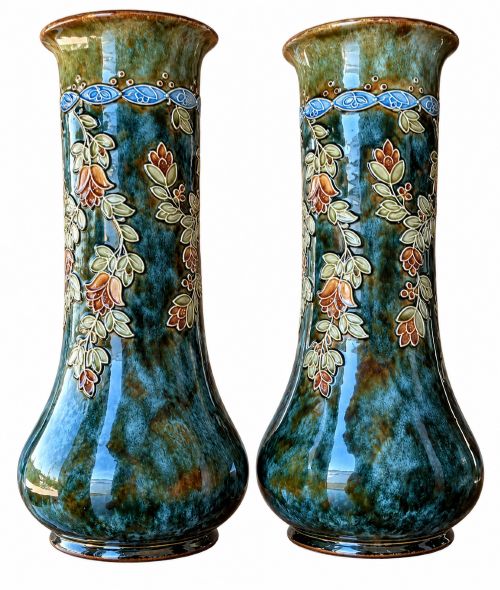
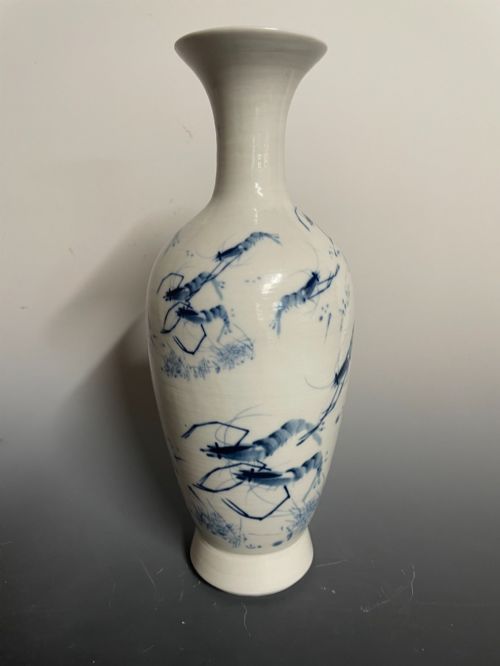
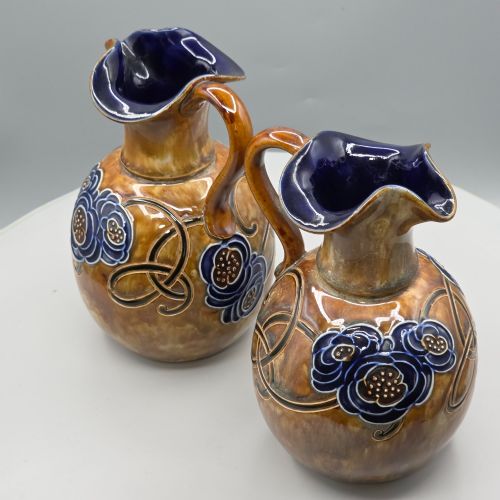
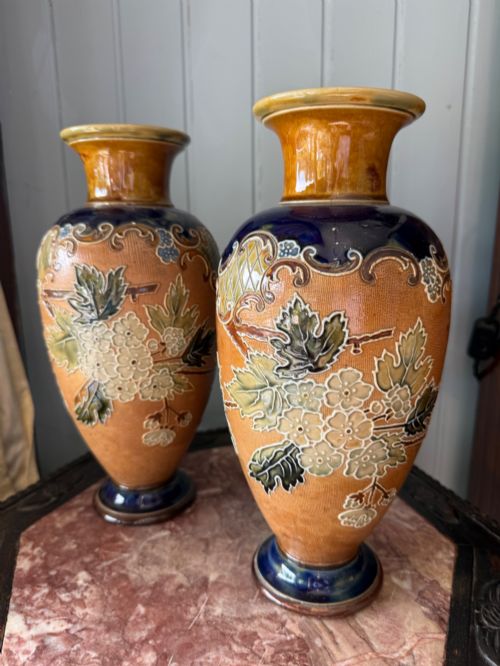
European examples frequently draw on Dutch Delft traditions and English stoneware developments from factories like Royal Doulton. Alongside these sit Japanese export pieces and Middle Eastern pottery, demonstrating how potters across the globe utilised cobalt and liquid glazes.
How they were made
Potters shaped these bodies from earthenware, stoneware, or porcelain, sometimes throwing them on a wheel and sometimes moulding them by hand. Stoneware pieces often received salt or heavy mineral glazes fired at high temperatures, while earthenware bodies served as a porous base for tin-glazing.
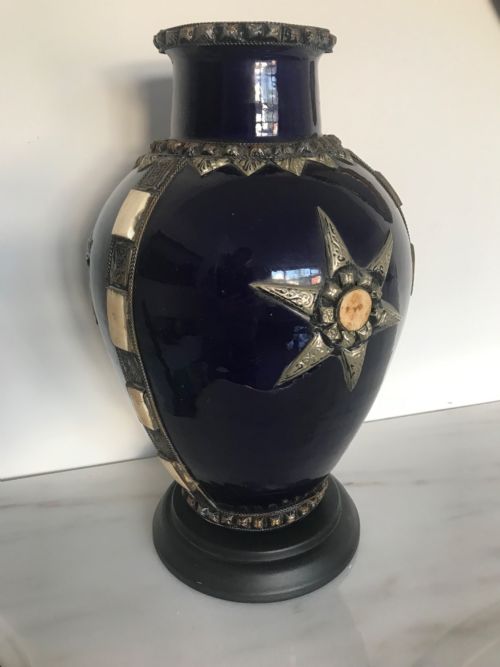
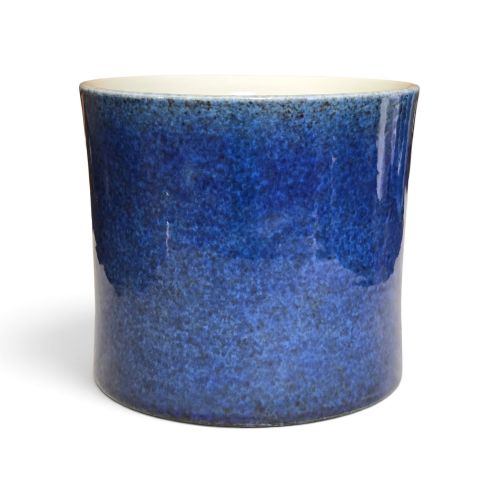
The characteristic blue decoration typically relies on cobalt oxides applied directly to the clay body or onto an opaque white tin glaze before a final protective firing. Workshops also utilised specialised techniques like flambé glazes, underglaze painting, and applied decorative elements such as metal mounts or raised figures.
Blue Glazed Ceramic Vase Retail Price Guide 2026
Typical asking prices for blue glazed ceramic vase among the pieces listed under this phrase on Sellingantiques today, from the lower quarter to the upper quarter. They describe what is for sale here now, not the wider market.
Listings feature pieces spanning the 16th century through the 1920s, utilising earthenware, stoneware, porcelain, and tin-glazed bodies.
What varies in quality
The distinction between standard production and exceptional quality lies in the precision of the throwing, the depth and consistency of the blue glaze, and the clarity of any painted or moulded ornamentation. Finer pieces demonstrate deliberate control over kiln temperatures, resulting in vibrant, even colouration without accidental pooling or dullness.
Artistic ambition also sets items apart, as seen in the distinction between repetitive factory output and individual studio pieces featuring hand-painted portraiture, intricate botanical motifs, or sculptural additions like applied figures and bronze mounts.
Royal Doulton·Moorcroft·Théodore Deck·Fourmaintraux-Courquin·Lauder Pottery·Brannam
The Blue Glazed Ceramic Vase Glossary
- Tin-Glazed Earthenware
- Earthenware pottery coated with a tin oxide glaze that turns opaque white during firing, providing a smooth surface for painting in blue and other colours.
- Cobalt Glaze
- A deep blue colourant derived from cobalt oxide, applied to ceramic bodies or glazes to produce rich indigo and sapphire hues.
- Stoneware
- A dense, hard ceramic fired at high temperatures until semi-vitrified, making the material impermeable to liquids even without a glaze.
- Baluster Vase
- A decorative vessel featuring a curved, bulbous lower body that tapers inward toward a narrow neck, resembling an architectural baluster.
- Faience
- European tin-glazed earthenware, particularly types produced in France, Italy, and other continental regions following styles developed in Islamic pottery and Italian majolica.
Blue Glazed Ceramic Vase: Frequently Asked Questions
How do I clean an antique ceramic vase?
Dust the surface gently with a soft, dry cloth to prevent the accumulation of particles in crevices or glaze crazing.
Avoid submerging antique pieces in water or using chemical detergents, as moisture can penetrate old earthenware bodies and damage historical glazes or metal mounts.
Can I use these old vases for fresh flowers?
Many antique vessels, particularly porous earthenware and tin-glazed pieces, are no longer completely watertight due to hairline cracks in the glaze.
Place a small, concealed glass or plastic container inside the neck if you wish to display fresh stems without exposing the antique fabric to standing water.
What is the difference between stoneware and porcelain?
Stoneware is fired at high temperatures until the clay body becomes dense and vitreous, though it remains opaque and earth-toned beneath the glaze. Porcelain is made from finer white clays containing kaolin and petuntse, resulting in a thin, semi-translucent body that rings when struck.
Both materials accept blue glazes effectively, but porcelain offers a more delicate appearance compared to robust stoneware.