

Blue Ceramic Vessel
When you search for a blue ceramic vessel, you meet glazed earthenware, stoneware and porcelain forms spanning several centuries.
Blue Ceramic Vessel
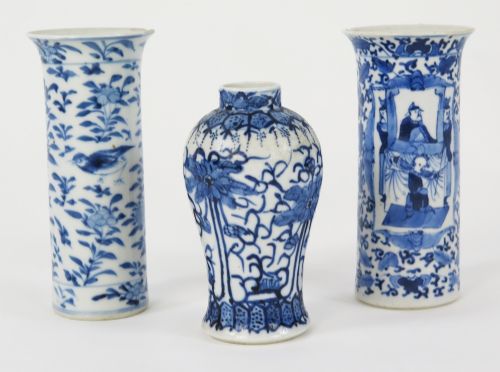
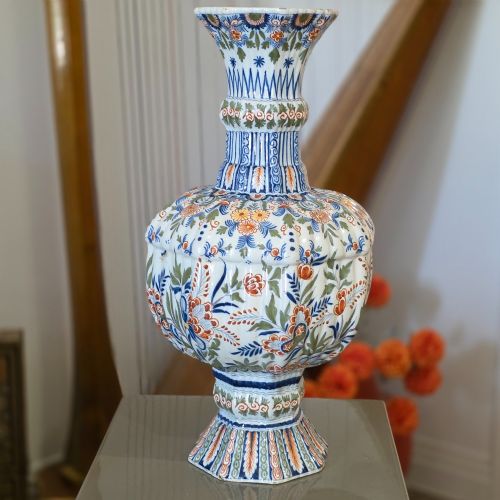
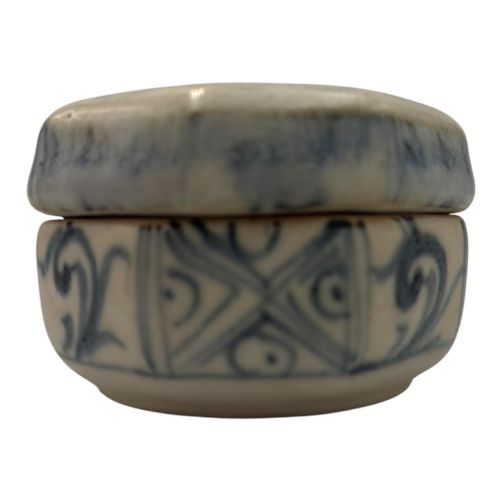
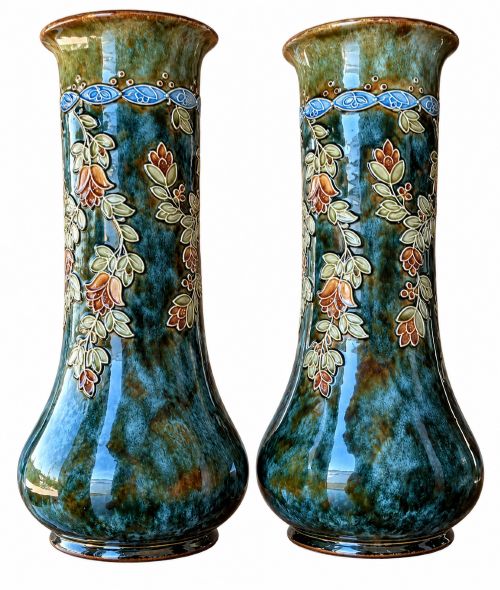
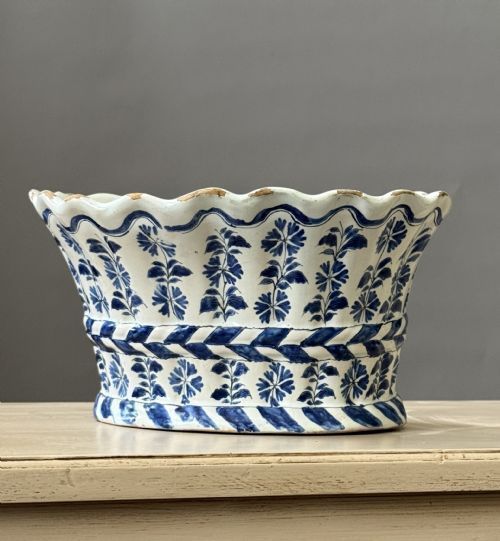
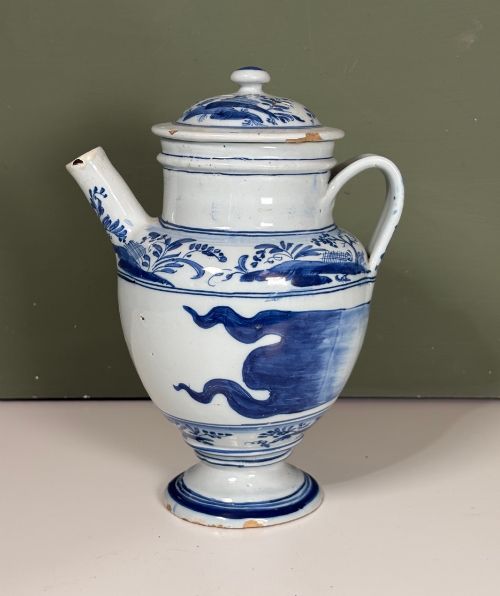
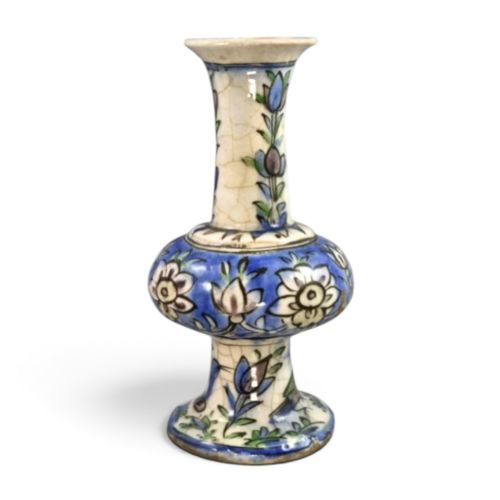
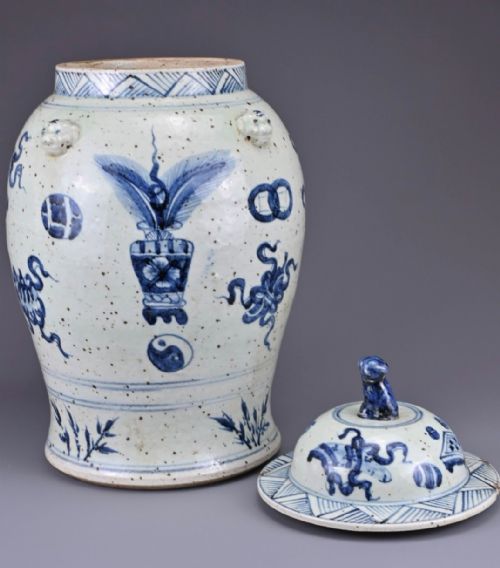
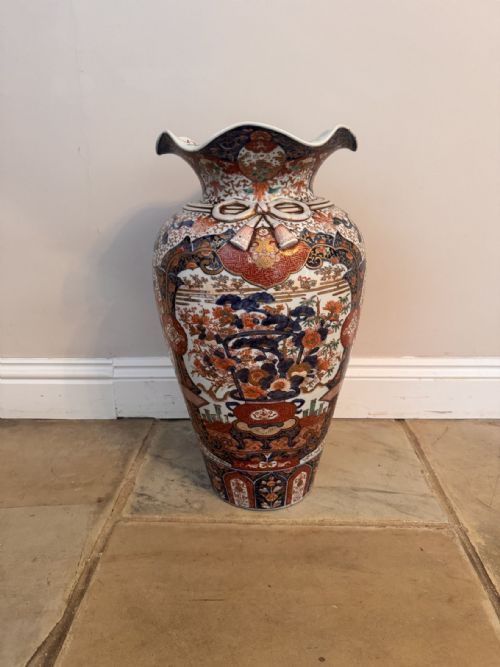
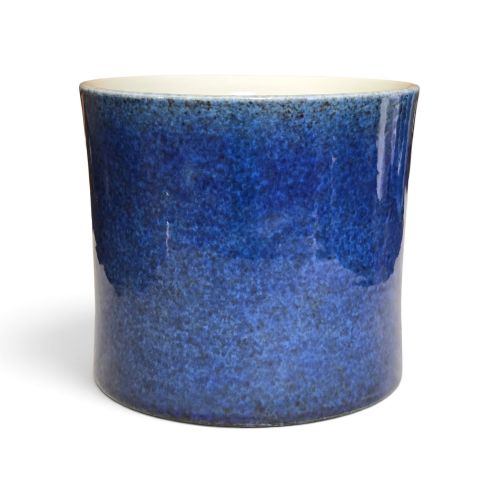
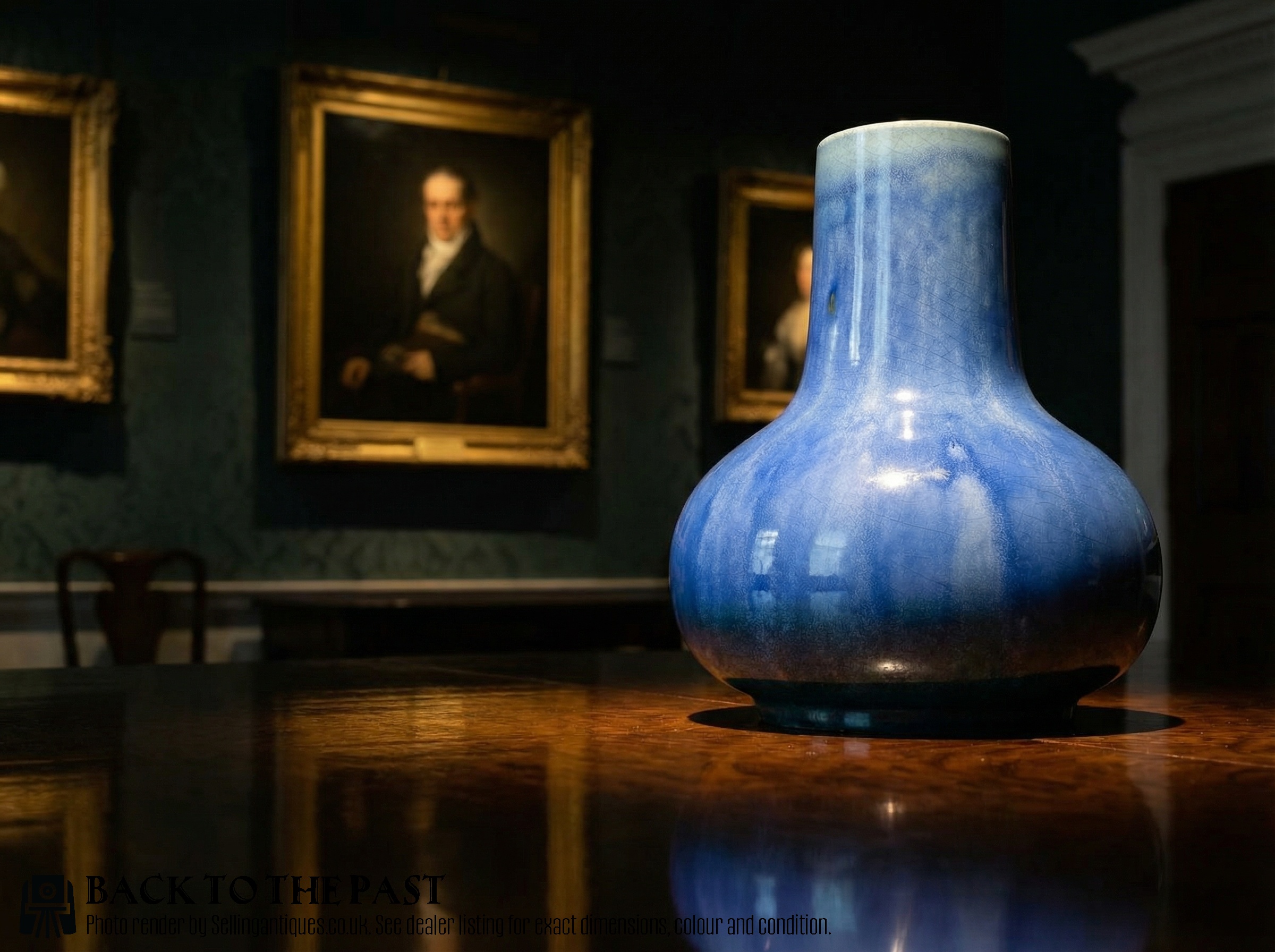
A blue ceramic vessel encompasses practical containers and decorative pieces shaped from clay and fired with pigments or glazes. These items range from Chinese export porcelain and Japanese Imari wares to Dutch Delft apothecary jars, English salt-glaze jugs and Persian Qajar bottle vases. The offerings extend across the seventeenth, eighteenth and nineteenth centuries, taking the form of vases, jars, brush washers, jugs and ewers.
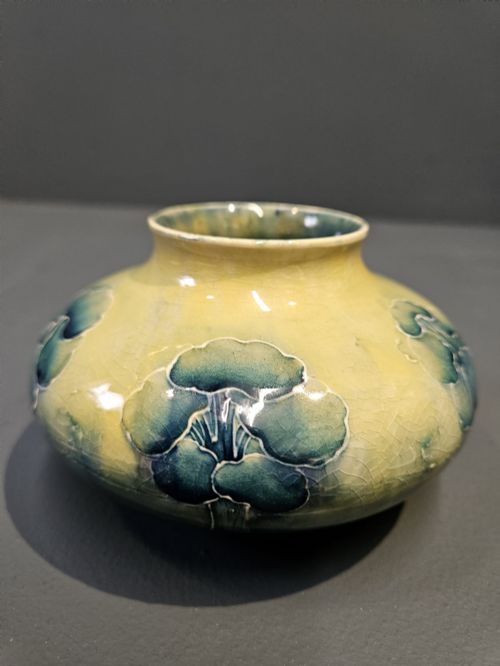
You are most likely to encounter nineteenth-century English stoneware and earthenware alongside Chinese export porcelain and Japanese Imari pieces from earlier periods. British workshops such as Doulton Lambeth and Moorcroft sit alongside continental faience and Asian imperial porcelain. These objects serve as functional containers, desk accessories and display items shaped by distinct regional traditions.
How they were made
Potters shaped these vessels using earthenware, stoneware or porcelain bodies, often applying cobalt blue underglazes or tin-opacified glazes before firing. Pieces from Dutch and English delftware traditions rely on a porous earthenware body covered in a white tin glaze painted with cobalt oxides. Stoneware vessels utilise dense, vitrified clay bodies fired at high temperatures with salt or slip glazes, while porcelain relies on kaolin and petuntse fired to high density.
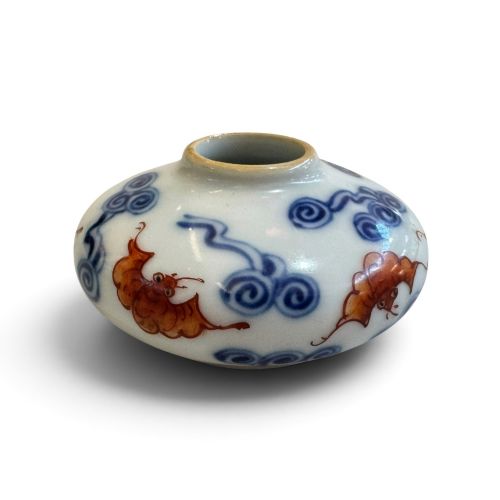
Decoration techniques vary by origin and period, combining hand-painted cobalt designs, incised patterns and applied enamel highlights. Chinese porcelain painters applied underglaze blue and iron-red pigments directly to the clay body prior to clear glazing, while Japanese Arita and Imari makers used layered enamels and gold leaf overglazes. English art pottery studios employed incising, slip trailing and specialised faience glazes to achieve textured surfaces.
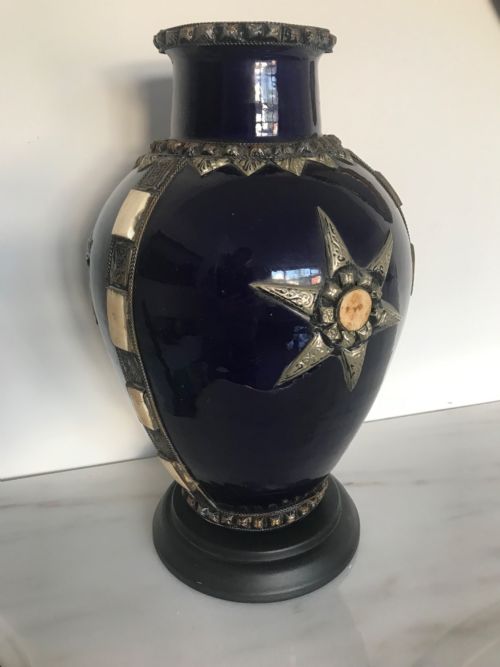
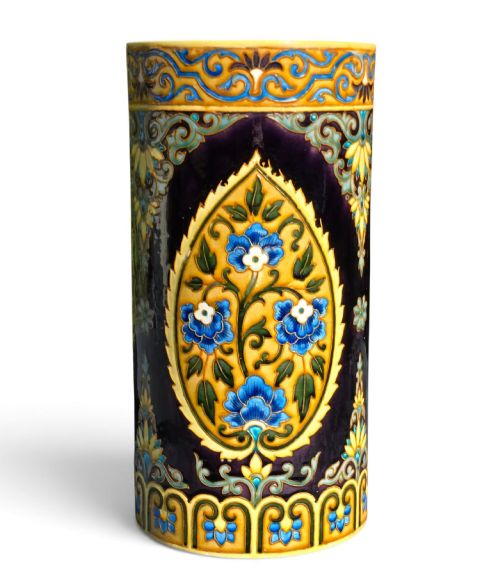
Materials represented include earthenware, stoneware, porcelain, cloisonné enamel and terracotta mounted with silver cabochons.
What varies in quality
Quality rests in the precision of the form, the depth and clarity of the blue pigment, and the control demonstrated during the firing process. Superior examples display balanced proportions, crisp potting lines and well-registered painted or incised details that reflect the skill of the individual maker or workshop. Finer porcelain and stoneware items maintain structural integrity without warping, while glaze surfaces remain even and free from excessive firing flaws.
The sophistication of the design execution separates standard utility wares from pieces produced for imperial courts or prominent design houses. Well-executed brush washers, bough pots and baluster vases exhibit harmonious composition and subtle tonal variations within the blue glaze. Marked pieces from recognised makers or specific periods carry greater artistic weight through documented provenance and careful hand-finishing.
Royal Doulton·Moorcroft·Théodore Deck·Kinkozan
The Blue Ceramic Vessel Glossary
- Delftware
- Earthenware covered with a white tin-glaze and painted in blue, originating in the Netherlands and later produced in England. This technique produces an opaque white surface resembling porcelain.
- Imari
- Japanese export porcelain decorated in underglaze blue, iron red and gold, made primarily in Arita. These wares feature dense patterned panels and floral motifs.
- Stoneware
- A heavy, durable ceramic fired at high temperatures until the clay body vitrifies and becomes impermeable to liquids. Salt-glazed examples often exhibit a pebbled orange-peel texture.
- Brush Washer
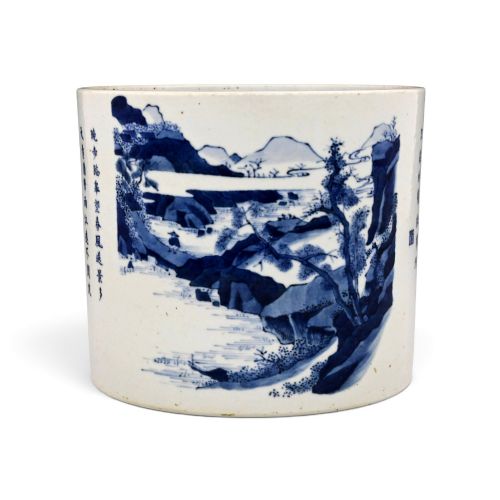
- A small vessel used in East Asian calligraphy and scholar's studios to clean brushes or hold water. These objects take forms such as shallow basins and compressed pots.
- Faience
- European tin-glazed earthenware produced across France, England and Italy. The technique allows for intricate painted polychrome or blue-and-white surface decoration.
Blue Ceramic Vessel: Frequently Asked Questions
What is a blue ceramic vessel used for?
These vessels served diverse practical and decorative roles across different cultures and centuries. Examples range from apothecary jars and puzzle jugs to scholar's brush washers and large floor-standing display vases.
Over time, utility items transformed into cabinet pieces and decorative focal points. Today, buyers use them to display dried stems or hold small items while adding historical character to a room.
How do I date a blue and white ceramic piece?
Dating relies on examining the clay body, glaze characteristics, base markings and stylistic conventions of the period. Seventeenth and eighteenth-century pieces often display hand-thrown potting irregularities and specific cobalt tones associated with Kangxi or Delft production.
Nineteenth-century items frequently feature factory stamps, registration numbers or distinct art pottery signatures. Comparing the decorative motifs against known historical styles helps narrow the manufacturing window.
How do I care for antique ceramic vessels?
Antique ceramics require gentle handling and stable indoor environments away from direct sunlight and sudden temperature shifts. Dusting with a dry, soft cloth prevents particulate buildup on porous or glazed surfaces.
Water should not be left inside unglazed earthenware or older repaired vessels for extended periods. Displaying them on secure, level surfaces protects against accidental knocks and structural stress.
What is the difference between porcelain and stoneware?
Porcelain is made from refined white clay fired at very high temperatures until it becomes vitreous, translucent and resonant. It forms delicate, thin-walled vessels with smooth surfaces suited for fine underglaze painting.
Stoneware utilises denser, coarser clay bodies that fire into heavy, opaque vessels with high durability. Stoneware surfaces often feature salt glazes or textured slips rather than smooth porcelain finishes.