


Arts and Crafts Vases
These arts and crafts vases bring handcrafted character and rich historic glaze work straight into modern rooms.
Arts and Crafts Vases
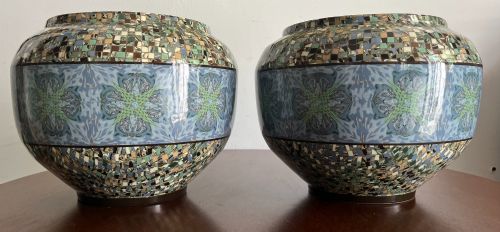
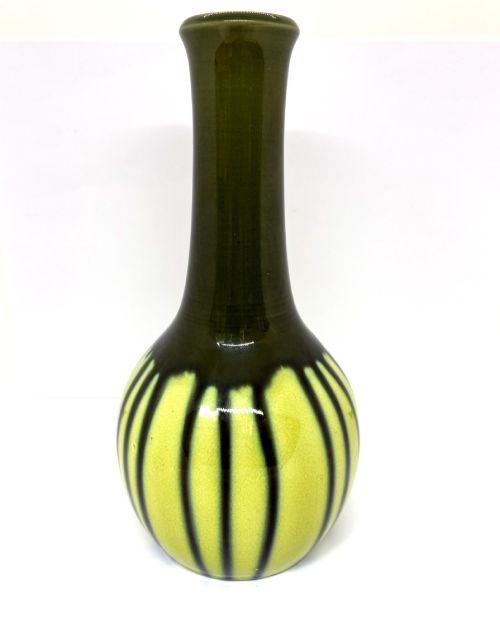
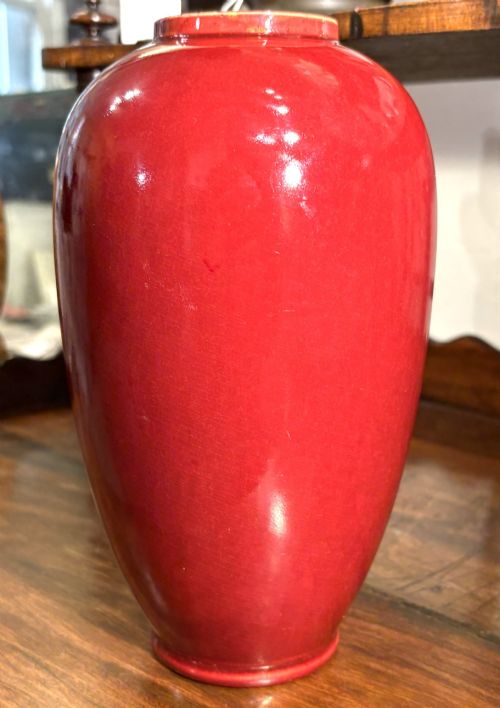
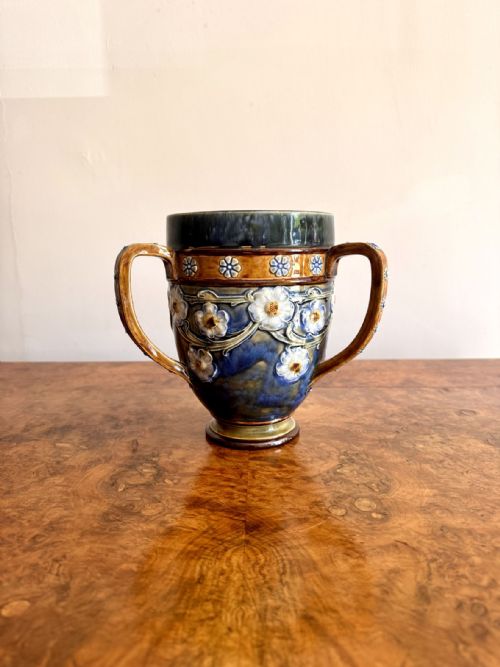
When you search for arts and crafts vases, you encounter studio pottery, stoneware, and metalwork spanning the late nineteenth and early twentieth centuries. These vessels served both decorative and functional roles in domestic spaces, often taking the form of baluster shapes, ewers, and twin-handled urns. The aesthetic draws heavily on Victorian origins, Art Nouveau fluidity, and Edwardian production.
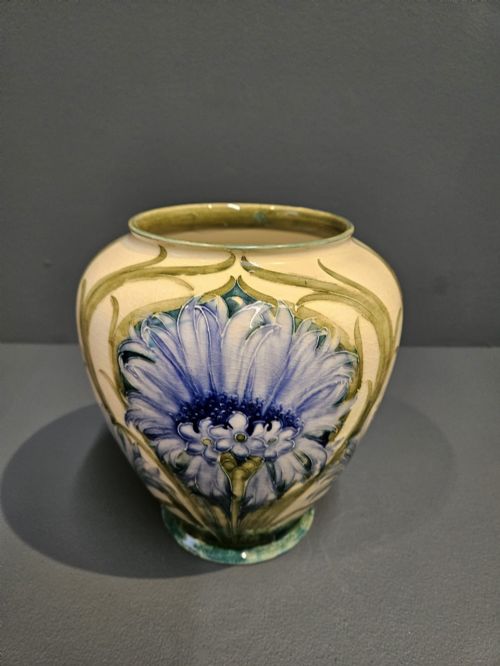
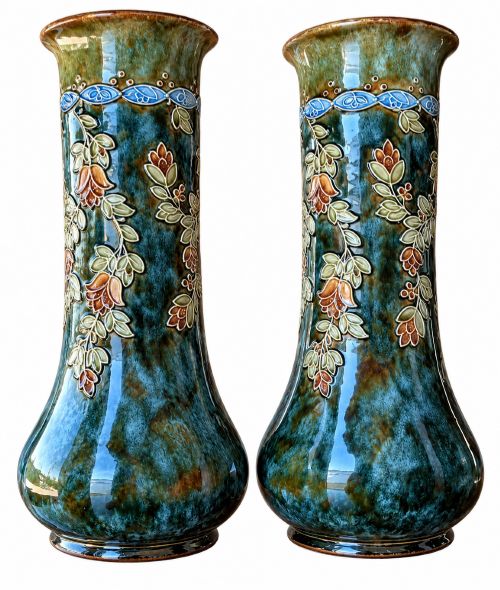
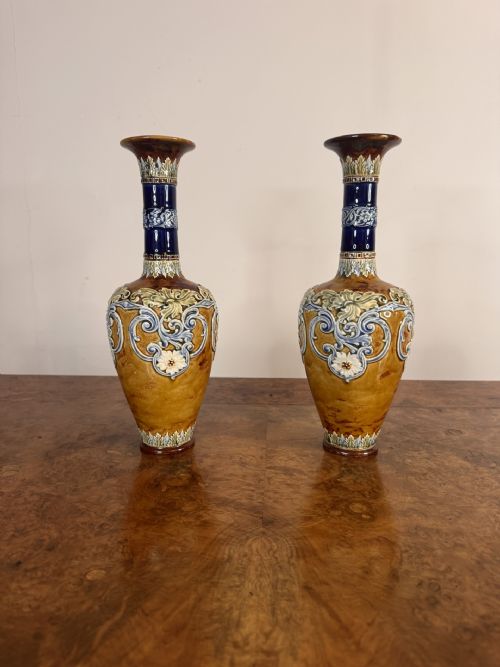
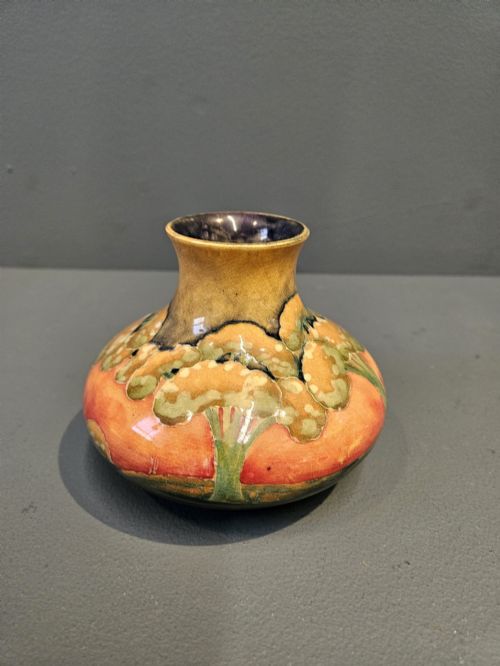
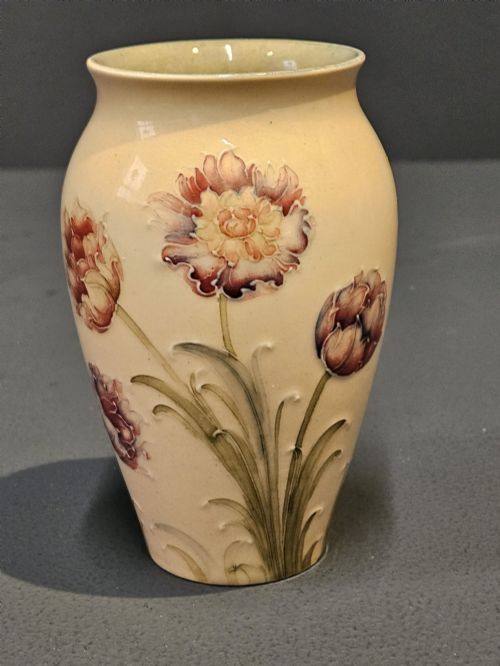
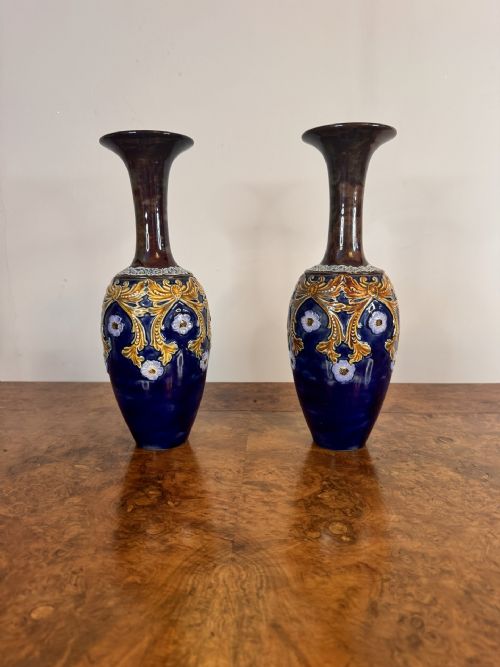
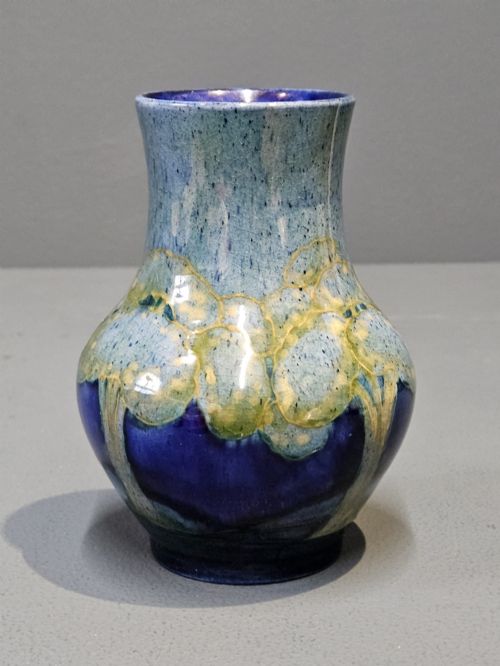
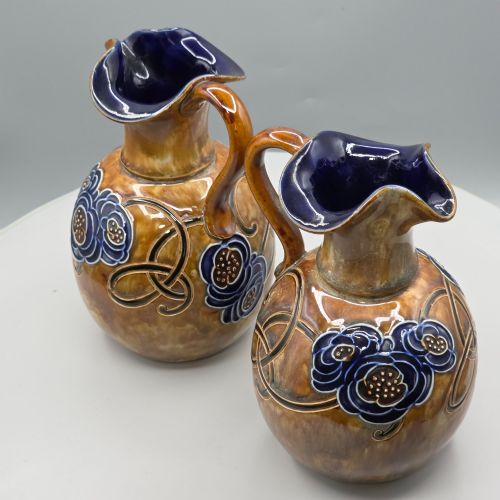
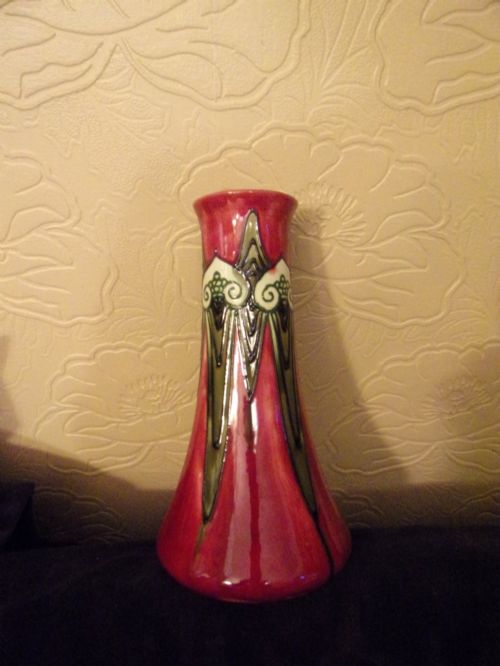
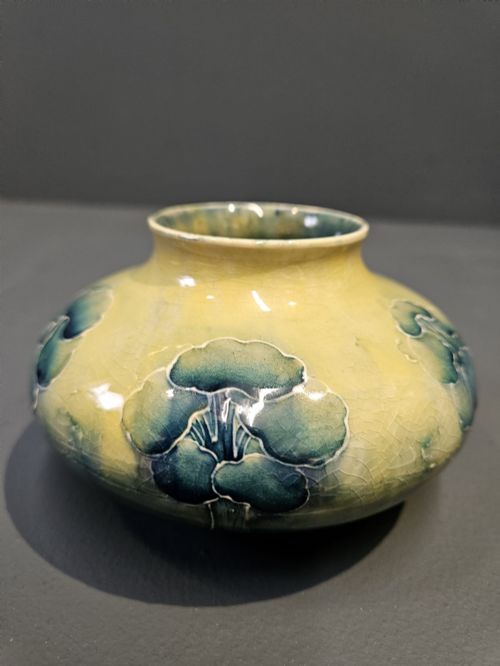
The version you are most likely to meet on this page is the glazed earthenware or stoneware vase originating from prominent potteries such as Doulton Lambeth or Moorcroft. These pieces frequently exhibit tube-lined patterns, floral motifs, or rich monochromatic glazes developed during the 1880 to 1910 period. Alongside ceramics, occasional copper and silver-plated brass examples appear from workshops like Keswick.
Materials and methods
Potters shaped clay on the wheel or cast it into moulds, utilising earthenware, stoneware, and faience bodies as a canvas for decoration. Artisans applied coloured glazes, enamel, and tube-lined slips to create raised outlines that held pools of rich pigment. Studios also employed Slaters Patent techniques to impress lace patterns into the damp clay before firing.
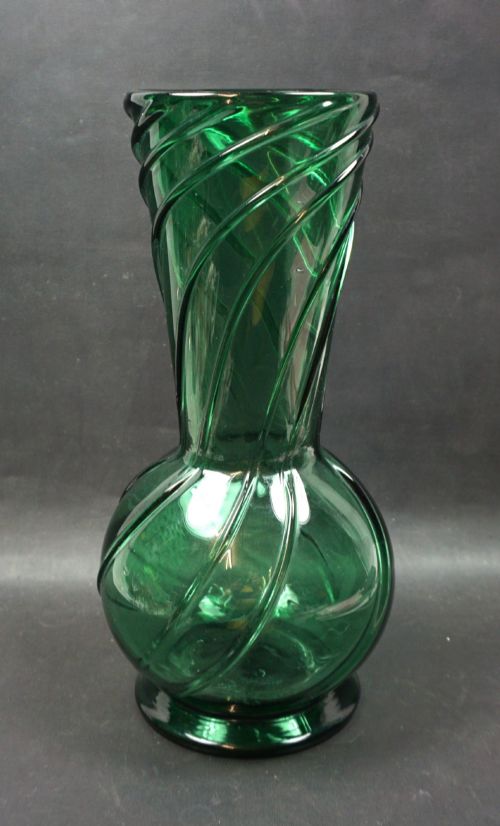
Metalworkers hammered sheet copper and brass into twin-handled vessels, often incorporating riveted construction and repoussé detailing. Glassmakers produced green glass and crystal vessels using optical blowing methods to achieve organic surface textures.
Arts and Crafts Vases Retail Price Guide 2026
Typical asking prices for arts and crafts vases among the pieces listed under this phrase on Sellingantiques today, from the lower quarter to the upper quarter. They describe what is for sale here now, not the wider market.
Sir Edmund Elton drew inspiration from his garden flowers, creating sunflower-themed studio pottery that brought botanical warmth directly onto nineteenth-century shelves.
Qualities of distinction
The distinction between standard production and top tier works rests upon the depth of the artist's hand. Pieces bearing the distinct monogram or signature of known pottery assistants and designers demonstrate individual artistic execution rather than factory standardisation. Crispness in tube-lined definitions and richness in glaze saturation separate superior ceramics from simpler commercial output.
In metalwork, the weight of the metal, the integrity of the riveted joins, and the subtlety of the hand-hammered surface define the grade of the vessel. Studio pieces made for retailers like Liberty carry specific marks that reflect deliberate design ambition.
Royal Doulton·Moorcroft·Burmantoft s Pottery·Lauder Pottery·James Powell
The Arts and Crafts Vases Glossary
- Tube-lining
- A ceramic decoration technique where a thin trail of slip is squeezed through a nozzle onto the clay body to form raised outlines. This creates compartments that hold pools of coloured glaze during the firing process.
- Faience
- Tinned earthenware or glazed pottery decorated with opaque coloured glazes. It provides a smooth surface for painted floral and abstract designs.
- Stoneware
- A heavy, durable ceramic fired at high temperatures until vitrified and impervious to liquids. It forms the robust body of many nineteenth-century studio vessels.
- Repoussé
- A metalworking technique where an artisan hammers sheet metal from the reverse side to form a raised design in relief. Details are subsequently refined from the front.
- Baluster
- A tall vase form featuring a rounded body that tapers toward a narrow neck and flares slightly at the rim. This silhouette is common across late Victorian and Edwardian pottery.
Arts and Crafts Vases: Frequently Asked Questions
What defines arts and crafts vases?
These vases are defined by their handcrafted origins, connection to late nineteenth and early twentieth-century design movements, and use of expressive glazes or hammered metals. They emerged from a desire to revive traditional craftsmanship in the face of industrial manufacturing.
Makers utilised earthenware, stoneware, and copper to produce vessels that valued artistic expression over uniformity, resulting in distinctive organic forms.
How were these ceramic vases decorated?
Decorations on these pieces were achieved through techniques such as tube-lining, where raised clay lines contain pools of vibrant glaze, and hand-painted floral motifs. Potters also utilised salt-glazing and impressed patterns to give the clay surface tactile depth.
Many works bear the distinct touch and monogram of individual studio artists who painted and glazed each vessel by hand.
Where were these metal and glass vessels made?
Metal vessels were produced in specialised workshops and guilds, such as those in Keswick, where artisans shaped copper and brass into domestic urns and jugs. Glass vases originated from established English makers utilising optical blowing techniques.
These objects were frequently retailed through influential design houses like Liberty, connecting studio makers with contemporary urban buyers.
How do I care for antique ceramic and metal vases?
Ceramic and metal vessels require gentle handling and should be cleaned with a dry or lightly damp cloth to preserve delicate glazes, enamels, and patinated surfaces. Avoid submerging porous earthenware or using harsh chemical cleaners on historic metalwork.
Displaying them away from direct sunlight and sudden temperature changes protects the structural integrity of the glazes and metal finishes.