


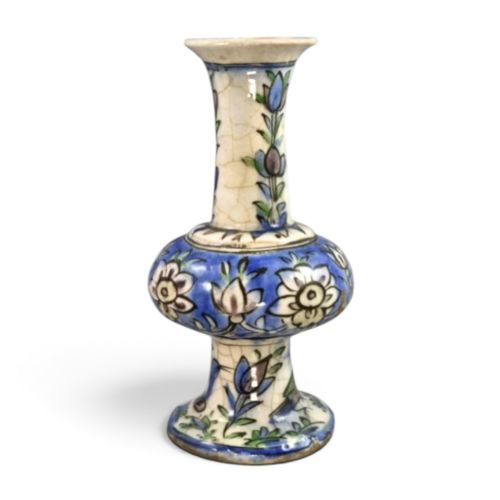
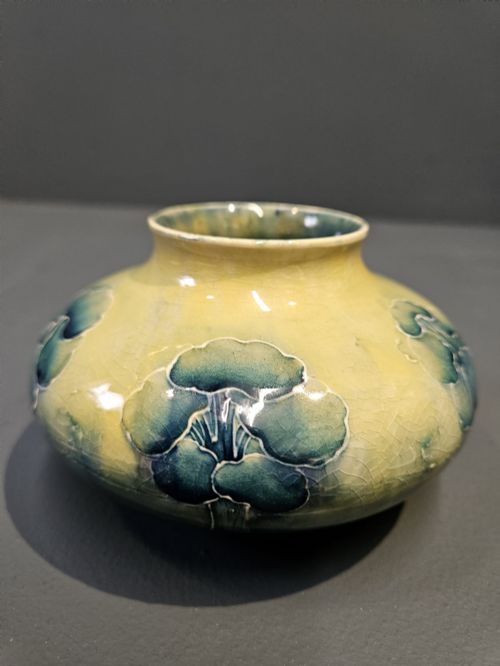
Blue Glaze Pottery
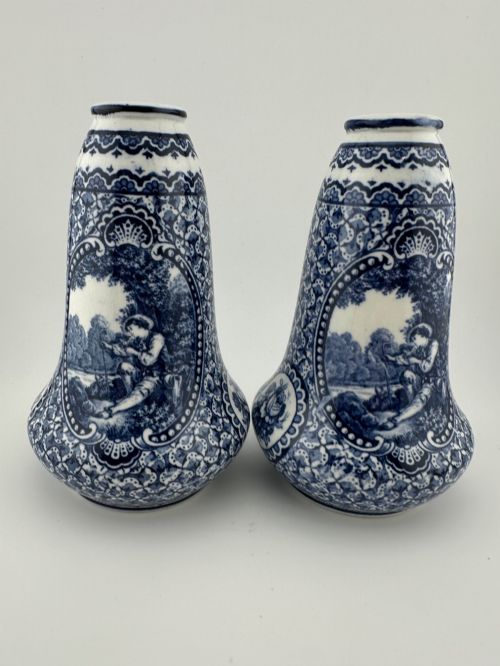
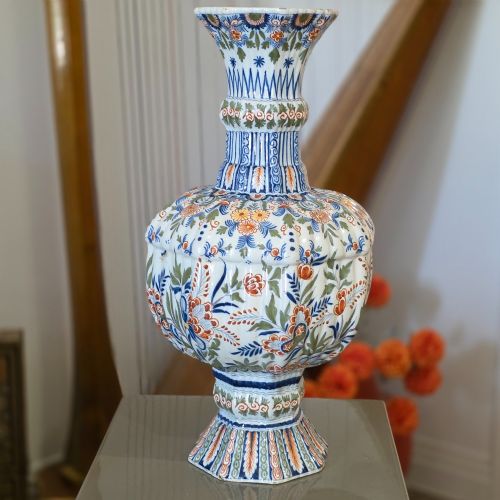
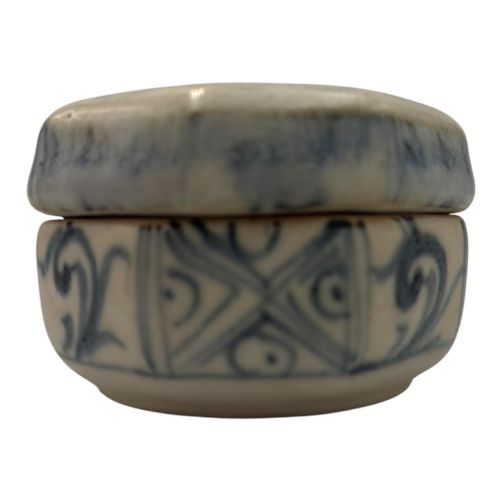
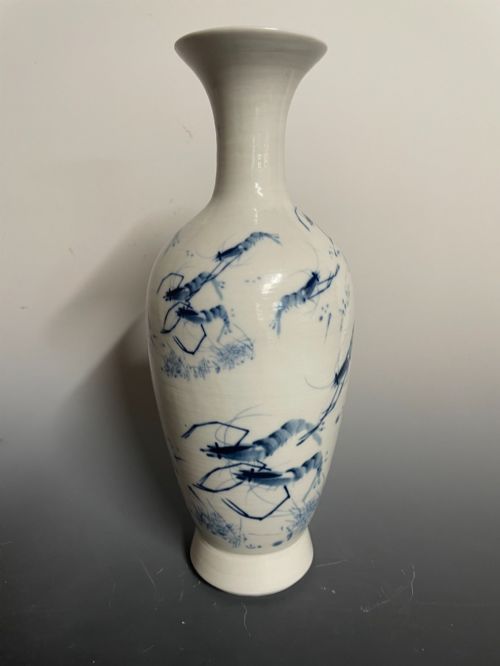
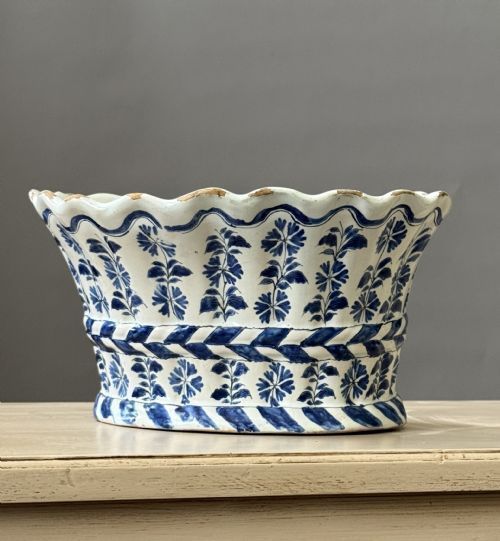
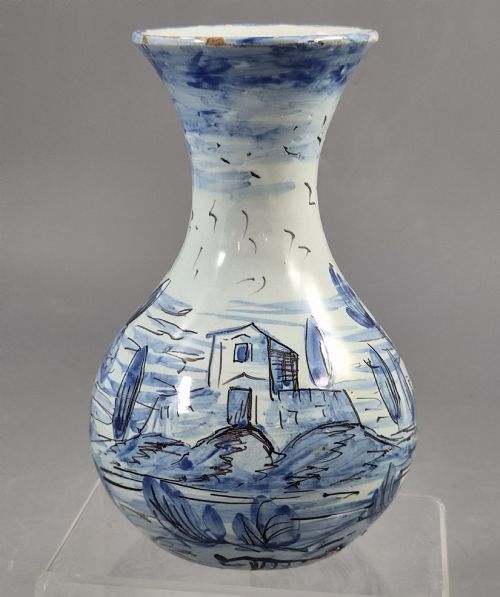
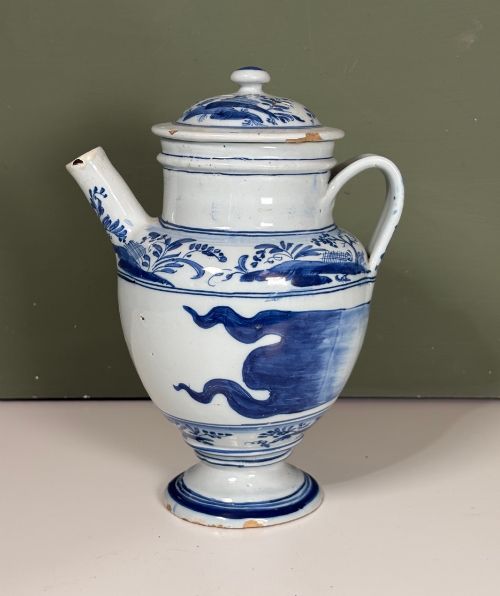
When you search for blue glaze pottery, you enter a diverse field of earthenware, stoneware and faience spanning centuries of blue and white tradition.
Blue Glaze Pottery
When you search for blue glaze pottery, you encounter a wide selection of ceramic forms originating from various periods including the seventeenth, eighteenth and nineteenth centuries, alongside early twentieth-century examples. The selection includes vases, chargers, jugs, apothecary jars and decorative figures, reflecting both British and continental European traditions.
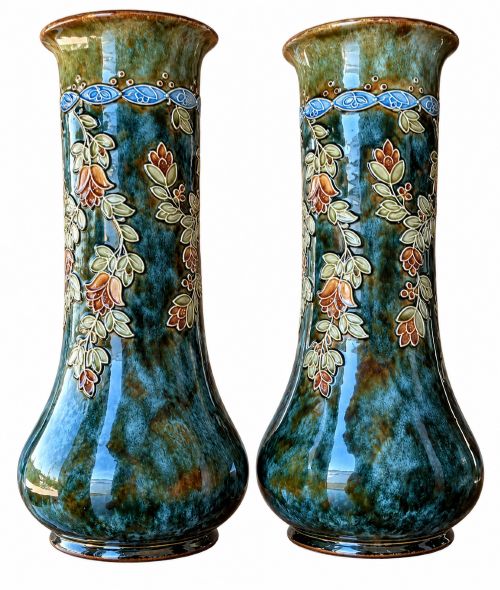
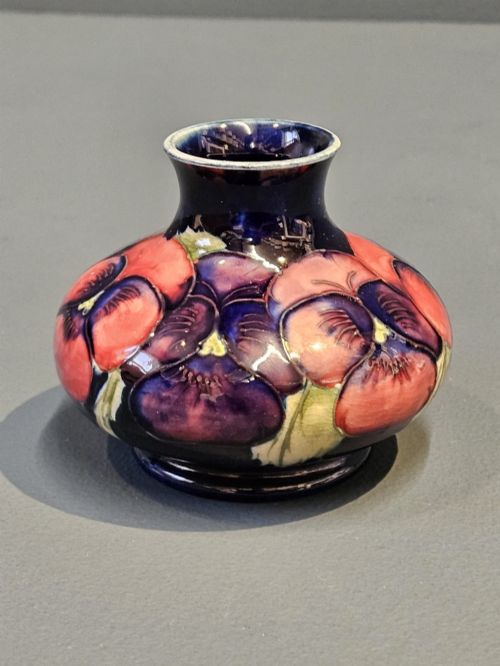
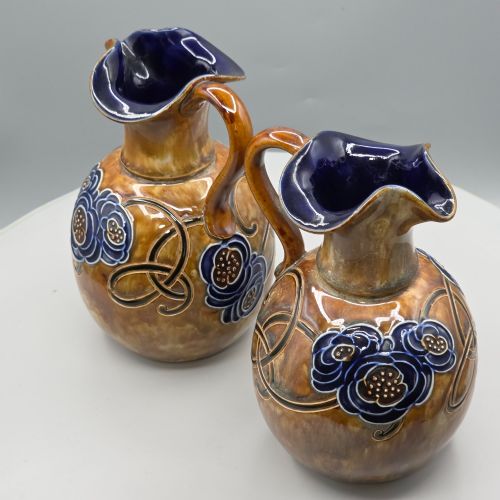
You are most likely to meet Dutch Delftware chargers and plates alongside Victorian stoneware vessels, particularly pieces bearing the marks of makers such as Royal Doulton and Moorcroft. These items demonstrate the enduring appeal of cobalt and turquoise glazes across domestic and decorative ceramics.
How they were made
Makers utilised earthenware, stoneware and ceramic bodies, applying tin glazes or rich crystalline and drip finishes to achieve their characteristic colouration. Potters shaped vessels on the wheel or moulded figures and jars before applying metallic oxide pigments beneath or over the glaze.
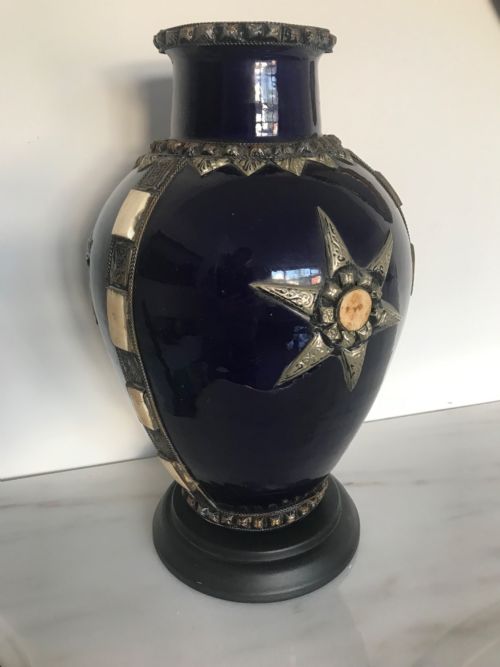
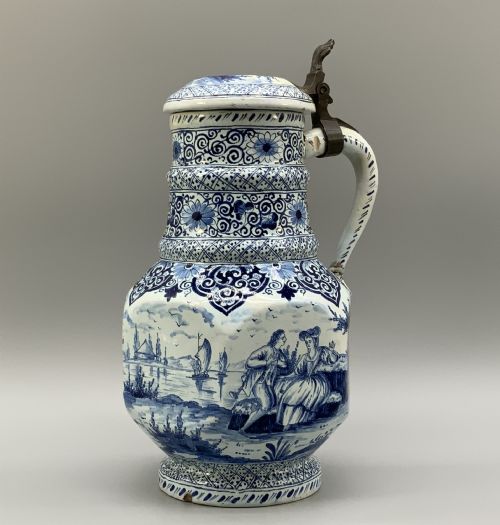
Firing techniques varied from traditional kiln methods used for seventeenth-century Delftware to industrial stoneware production in the Victorian era. Artisans sometimes added metal mounts, pewter lids or silver cabochons to finished ceramic bodies.
Listings feature items spanning the seventeenth to the twentieth century, encompassing earthenware, stoneware and tin-glazed ceramics.
What varies in quality
The standard of blue glaze pottery depends heavily on the precision of the glaze application and the crispness of the hand-painted or incised decoration. Finer examples display depth in the cobalt or turquoise tones without pooling or running defects, whereas simpler utility pieces show more uniform or rustic finishes.
Provenance and workshop reputation elevate certain items, particularly where pieces bear distinct stamps or originate from notable potteries like Doulton Lambeth or Moorcroft. The articulation of moulded details and the preservation of original mounts or lids also distinguish exceptional specimens from standard production.
Royal Doulton Lambeth·Moorcroft·Fourmaintraux-Courquin·Cantagalli·Pierrefonds
The Blue Glaze Pottery Glossary
- Tin-Glazed Earthenware
- Pottery fired with an opaque white glaze containing tin oxide, which serves as a ground for painted cobalt decoration. This technique defines traditional Delftware and faience.
- Charger
- A large decorative plate intended for display rather than table service. These items frequently showcase elaborate painted scenes or armorial motifs.
- Faience
- European tin-glazed earthenware produced in France, Italy and other continental centres. The term often describes wares mimicking Chinese porcelain styles.
- Puzzle Jug
- A drinking vessel with a perforated neck and multiple spouts designed as a tavern novelty. Users must cover hidden holes with their fingers to drink without spilling.
Blue Glaze Pottery: Frequently Asked Questions
How do I date blue glaze pottery?
Dating relies on identifying ceramic bodies, glaze characteristics, and factory marks stamped or painted on the base. Early pieces often feature tin glazes on earthenware, while later nineteenth and twentieth-century items commonly utilise dense stoneware.
Stilts marks, potting techniques, and historical styles like Art Nouveau or Dutch Baroque provide additional clues for narrower chronological placement.
What is the difference between Delftware and faience?
Delftware specifically refers to tin-glazed earthenware produced in the Netherlands, particularly around Delft, famous for its blue and white painting. Faience is the broader continental term encompassing similar tin-glazed ceramics made in France, Italy and Germany.
While both share analogous production methods, stylistic motifs often reflect the distinct regional preferences of their respective workshops.
How were these pieces used originally?
Many items served practical domestic purposes, such as apothecary jars for storing medicines, pitchers for liquids, and posset pots for spiced hot drinks. Chargers and decorative plates were hung on walls or displayed on dresser shelves to demonstrate household wealth and taste.
Figurines, garden seats and vases functioned purely as interior ornamentation within period parlours and drawing rooms.
Can I use these ceramics for food and drink?
Historic glazed pottery, particularly antique tin-glazed earthenware and porous bodies, is generally unsuited for modern culinary use. Craze lines, historic repairs, and vulnerable lead or tin glazes mean these items are best preserved for display.
Enjoying them safely involves treating them as decorative works of art rather than functional tableware.