


Antique Minton Ceramics
Antique minton ceramics bring sculptural relief, vibrant glazes, and intricate hand-painted detail from nineteenth and early twentieth-century British kilns.
Antique Minton Ceramics
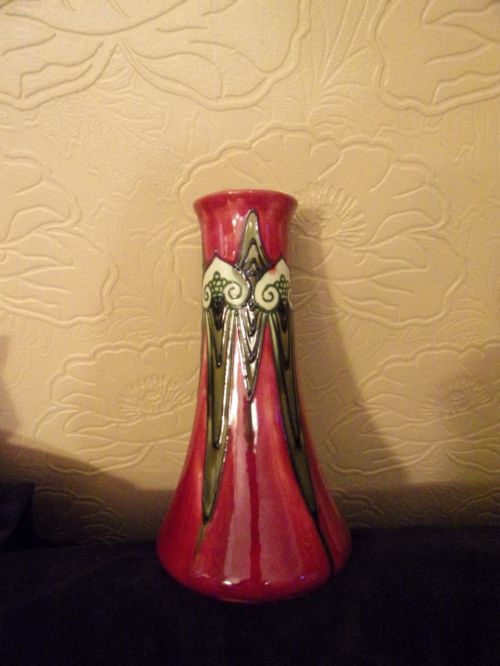
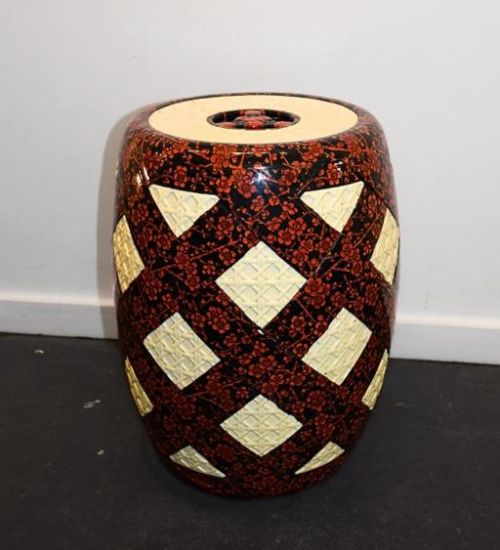
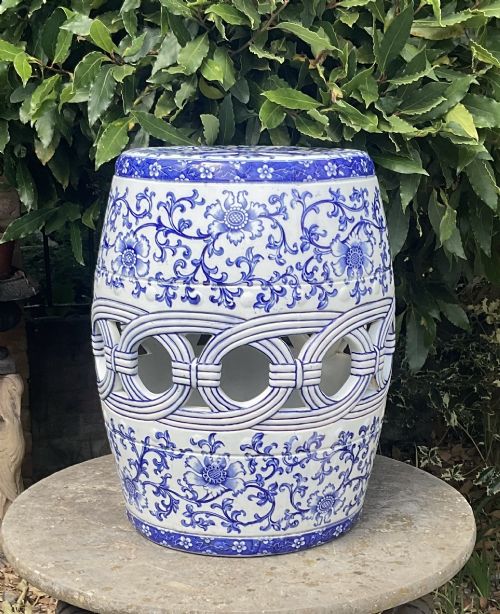
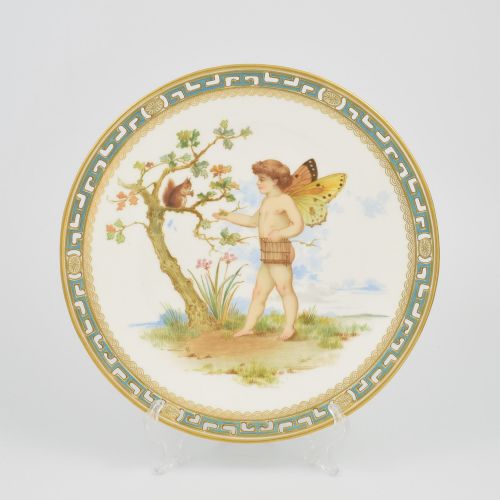
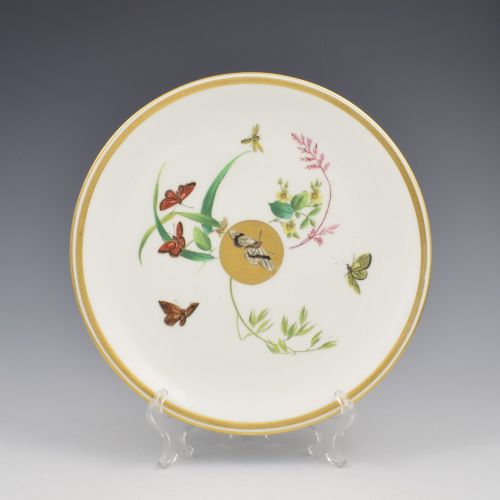
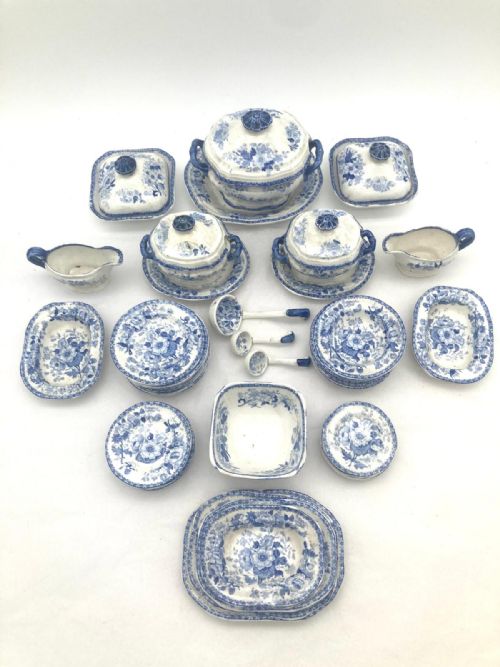
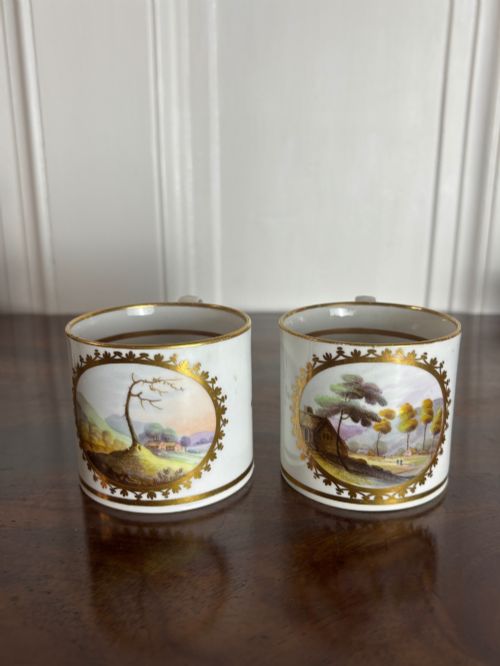
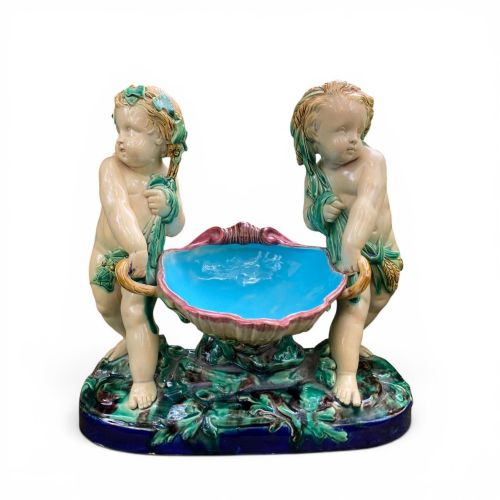
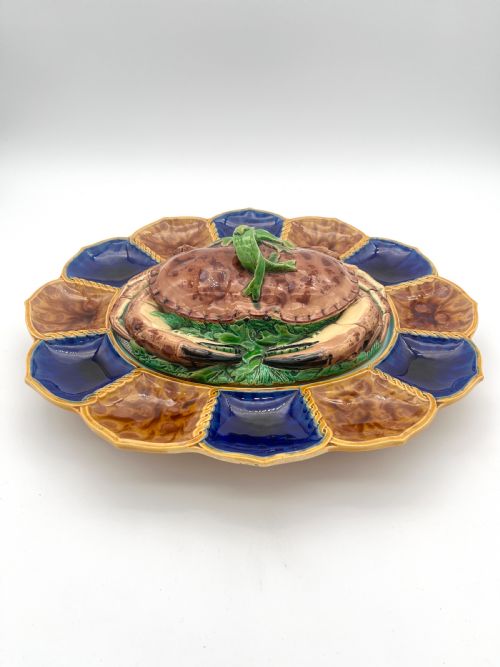
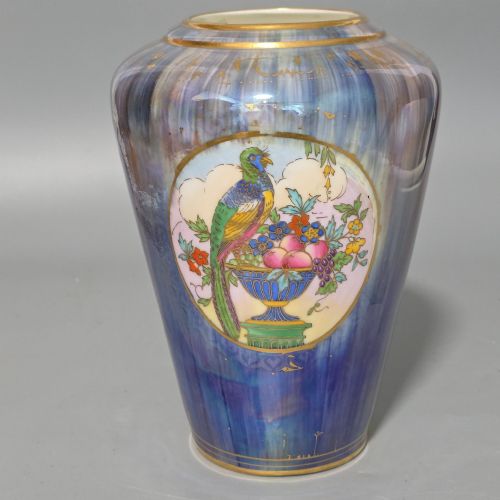
When searching for antique minton ceramics, collectors examine a diverse output spanning functional tableware and bold decorative objects. The selection ranges from early nineteenth-century painted coffee cans and dessert plates to large majolica figures, garden seats, and Secessionist vases.
Victorian pieces dominate the available range, often displaying the heavy glazes and naturalistic forms characteristic of majolica or the delicate linework of the Aesthetic Movement. Buyers frequently encounter plates, jardinieres, and vases bearing the distinct marks of a prolific Staffordshire pottery.
The objects serve as functional vessels, decorative tiles, and sculptural centrepieces, reflecting shifts in design from Regency neoclassical patterns to Arts and Crafts sensibilities. Each piece demonstrates technical ambition, whether executed in translucent porcelain, creamware, or heavy earthenware.
Materials and Techniques
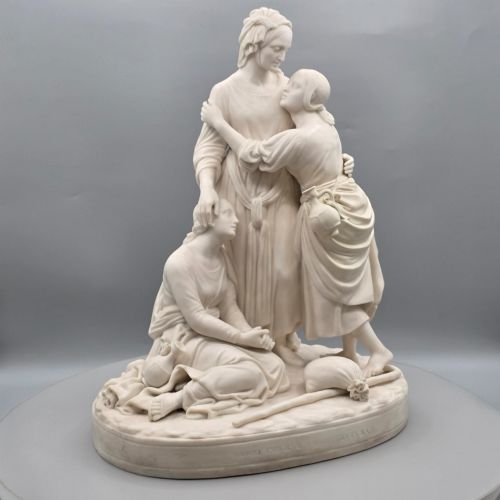
Makers utilised porcelain, earthenware, and creamware as the foundation bodies for shaping vessels, plates, and figures through casting and throwing. Parian ware provided a fine unglazed biscuit surface suited to capturing the smooth contours of sculptural figures and groups.
Glazing techniques defined much of the decorative output, employing translucent enamel colours, gold leaf, and high-fired coloured glazes on majolica pieces. Tube-lining and hand-painting applied pigment directly to the clay surface before firing, creating raised outlines and detailed pictorial scenes.
Antique Minton Ceramics Retail Price Guide 2026
Typical asking prices for minton ceramics among the pieces listed under this phrase on Sellingantiques today, from the lower quarter to the upper quarter. They describe what is for sale here now, not the wider market.
Listings feature porcelain, earthenware, and majolica forms spanning the nineteenth and early twentieth centuries.
Evaluating Quality and Execution
The standard of painting and gilding distinguishes exceptional examples from standard production wares, particularly on porcelain dessert plates and landscape coffee cans. Precision in tube-lining and the depth of majolica glaze application reveal the skill involved in forming botanical, animal, and figurative subjects.
The complexity of the form influences the standing of a piece, separating straightforward utilitarian vessels from monumental vases, sculptural figural groups, and architectural tiles. Intricate piercing, multi-part mouldings, and the integration of diverse styles such as Japanese motifs or Secessionist designs indicate ambitious factory production.
Minton·Minton Hollins
The Antique Minton Ceramics Glossary
- Majolica
- A type of earthenware covered in colourful lead glazes, known for rich sculptural modelling and vibrant hues. This technique was popular during the Victorian period for garden seats, jardinieres, and large decorative vessels.
- Parian ware
- A fine-grained unglazed porcelain developed to imitate carved marble, frequently used for portrait busts and classical figures. The biscuit finish highlights subtle anatomical details and smooth drapery.
- Tube-lining
- A ceramic decoration technique where a fine trail of slip is squeezed through a nozzle onto the clay body to outline a design. The resulting raised barriers contain pools of enamel colour during firing.
- Creamware
- A refined earthenware with a pale yellowish-cream glaze, developed during the eighteenth century for lightweight domestic tablewares. It provided a smooth, uniform ground for transfer-printing and hand-painting.
- Aesthetic Movement
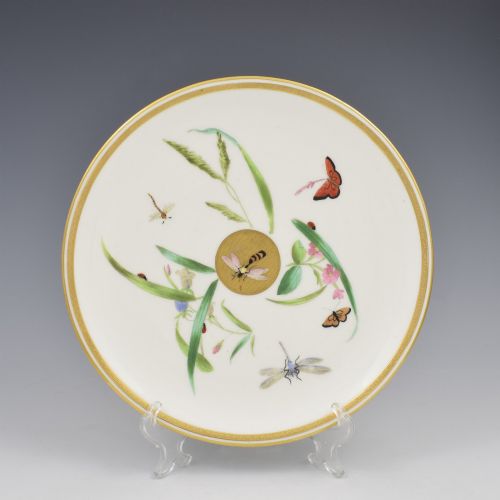
- A late nineteenth-century design style emphasising art for art's sake, often featuring Japanese-inspired motifs, asymmetry, and stylised birds or insects. Ceramics from this period display flat, decorative compositions.
Antique Minton Ceramics: Frequently Asked Questions
What periods do these ceramics cover?
The available pieces span the nineteenth and early twentieth centuries, beginning around the Regency era and extending through the Victorian period into Edwardian production.
Early nineteenth-century examples often feature fine porcelain and classical landscape paintings, while later decades introduce bold majolica glazes and Secessionist forms.
How do I identify majolica pieces?
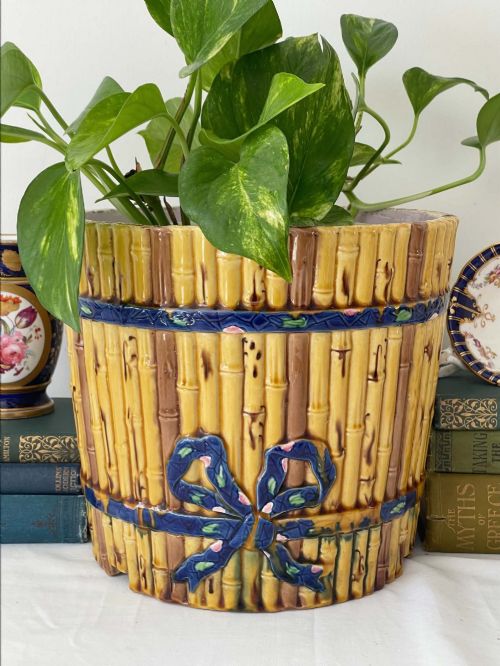
Majolica ceramics feature a heavy earthenware body covered in thick, colourful lead glazes that pool in relief details.
These pieces typically showcase naturalistic subjects such as bamboo, animals, fruit, and putti, modelled in high relief.
Were these items meant for daily use?
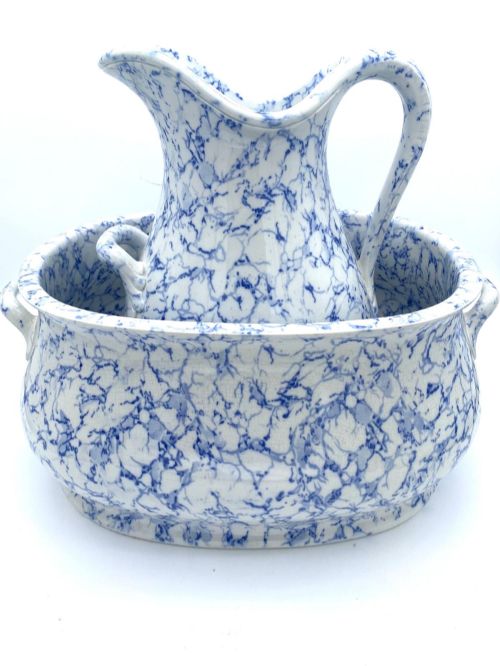
While many items functioned as practical tableware, dessert services, and chambersticks, larger works served purely decorative purposes.
Garden seats, monumental vases, jardinieres, and wall brackets were designed to furnish domestic interiors rather than handle regular dining duties.
What is Parian ware?
Parian ware is an unglazed porcelain composition formulated to resemble white marble.
It was widely utilised for figures, portrait busts, and sculptural groups because the matte surface reproduces fine details without reflective glare.