




Pierced Porcelain Plate
These pierced porcelain plate examples span centuries of fine ceramic artistry, offering delicate openwork and painted detail for the discerning collector.

Pierced Porcelain Plate
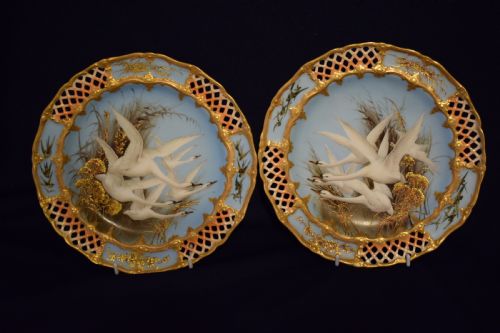
A pierced porcelain plate brings together fine ceramic manufacture and intricate openwork design, appearing across the Victorian, Edwardian, and eighteenth century periods. Buyers searching for a pierced porcelain plate will encounter various forms, including cabinet plates, decorative chargers, ribbon plates, and basketweave dishes.
The objects listed display diverse stylistic influences ranging from Japanese Imari and Aesthetic Movement designs to Neoclassical and Rococo Revival aesthetics. Makers and factories such as Minton, Meissen, Royal Vienna, Royal Worcester, and Coalport produced these pieces for display rather than everyday dining.
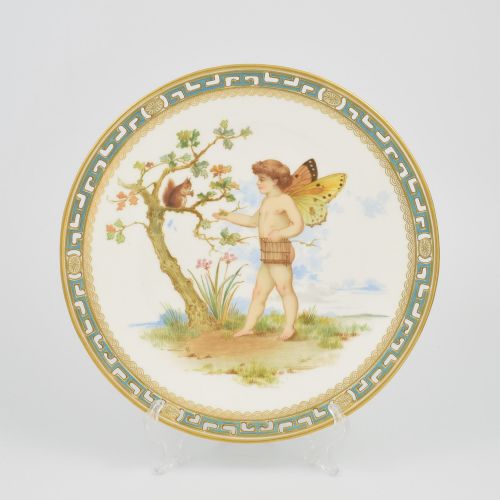
Most items on this page date from the nineteenth century, including pieces from the eighteen-eighties and eighteen-nineties, alongside eighteenth-century works and Edwardian examples. Forms vary from round cabinet plates to oval dishes and reticulated plates featuring painted mythological scenes, birds, and fairy motifs.
How They Were Made
The creation of these objects relies on porcelain bodies finished with glaze, enamel, and sometimes pate sur pate techniques. Artisans applied gold leaf, gilding, and hand-painted details to enhance the visual depth of the ceramic surface.
Openwork and piercing required skilled cutting of the porcelain clay before firing, resulting in reticulated rims and basketweave textures. Factories employed specialist artists, such as C. Baldwyn and W.S. Coleman, to execute detailed enamel painting and figurative scenes.
Listings feature porcelain pieces from the eighteenth, nineteenth, and twentieth centuries, incorporating styles from Rococo Revival to the Aesthetic Movement.
What Varies in Quality
Quality in these ceramics rests on the precision of the piercing and the fineness of the porcelain body. Cleanly cut reticulation and well-balanced openwork distinguish superior examples from simpler forms.
The execution of the painted decoration dictates the tier of the piece. Detailed hand-painted mythological subjects, birds, or figures by known artists elevate an object above standard decorative production.
Minton·Meissen·Furstenberg·Royal Vienna·Royal Worcester·Coalport·H & R Daniel
The Pierced Porcelain Plate Glossary
- Pierced porcelain
- Ceramic ware featuring cut-through openings forming decorative patterns in the rim or body. This technique required precise hand-cutting prior to the firing process.
- Reticulated
- Describes ceramics with an openwork or net-like design created by cutting geometric or organic shapes into the porcelain. It is frequently seen on cabinet plates from the nineteenth century.
- Cabinet plate
- A decorative ceramic plate intended for display in a cabinet rather than for table service. These pieces typically feature elaborate painting or piercing.
- Pate sur pate
- A ceramic decoration method where successive layers of liquid white porcelain slip are built up on a coloured background to create a low relief cameo effect. Minton famously utilised this technique on nineteenth-century plates.
- Imari
- A style of Japanese porcelain characterised by underglaze blue and iron red, complemented by gold and additional enamel colours. European factories frequently imitated these distinct patterns.
Pierced Porcelain Plate: Frequently Asked Questions
How were cabinet plates displayed?
Cabinet plates were designed primarily for visual display rather than functional use at the dining table. Owners placed them in glazed display cabinets or mounted them on walls to showcase their artistic merit.
The intricate piercing and delicate painted scenes made them unsuitable for everyday dining, preserving their condition as decorative art objects.
What is the difference between a charger and a plate?
Chargers are significantly larger decorative dishes that historically sat beneath other courses or served as centrepieces on a table. In later periods, they were produced purely for display.
Plates and cabinet plates are smaller in diameter and focus more on intimate painted details, reticulated borders, or shaped rims.
How do I identify an Aesthetic Movement plate?
Aesthetic Movement pieces from the late nineteenth century often incorporate Japanese-inspired motifs, asymmetrical compositions, and natural subjects like birds and flora. Maker collaborations with specific designers are common in this category.
The focus shifted towards artistic design for its own sake, frequently executed on porcelain bodies with refined enamel painting.
What does ribbon plate mean?
A ribbon plate refers to a decorative dish featuring pierced slots around the rim designed for threading decorative silk ribbons. This allowed the ceramic piece to be hung on a wall.
They gained popularity during the Victorian and Edwardian eras as a fashionable way to display fine porcelain in domestic interiors.